
The Intricacies of Building High-End Retail Stores: A Guide to Luxury Retail Construction
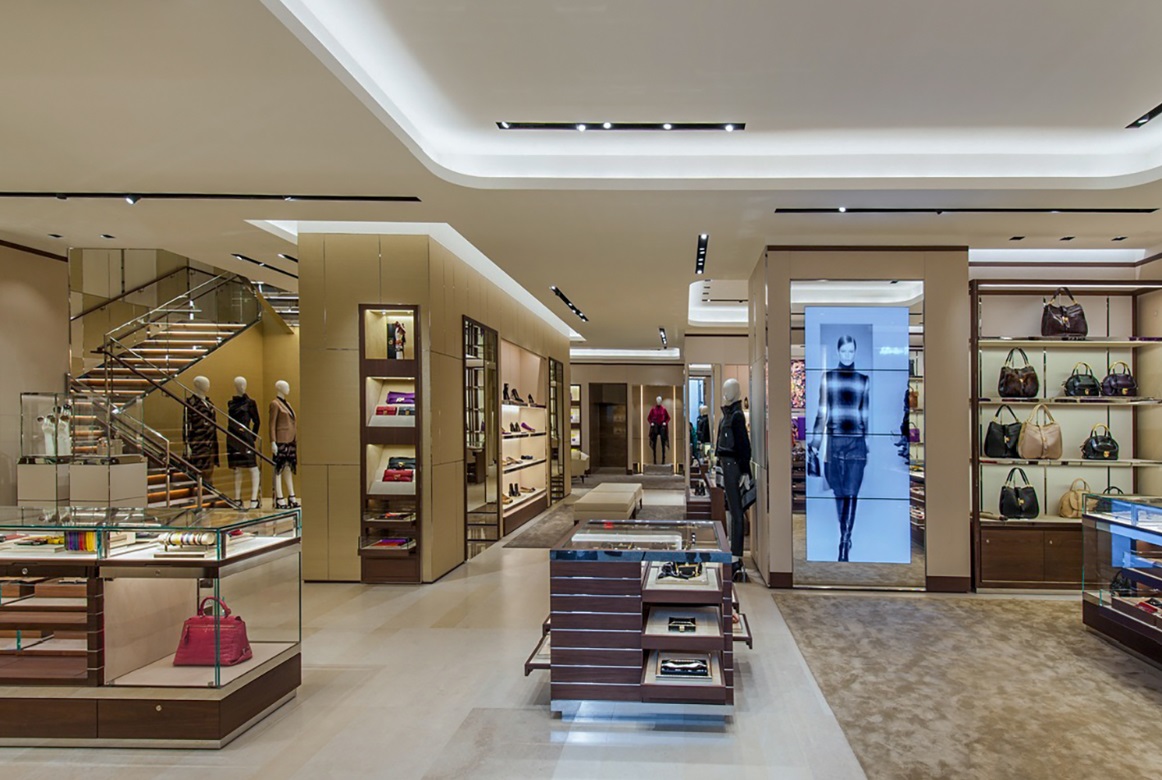
Building a high-end retail store is fundamentally different from building standard commercial space. Luxury retail construction is less about speed and square footage and more about precision, brand execution, and flawless coordination.
For premium brands, the store is not just a place to sell products—it is a physical extension of the brand identity. That expectation introduces unique challenges in design, construction, logistics, and scheduling that do not exist in typical retail fit-outs.
This guide explores the intricacies of high-end retail construction, why these projects cost more and take longer, and what owners, landlords, and contractors must consider to deliver a luxury retail space successfully.
What Defines High-End Retail Construction?
High-end or luxury retail construction typically includes:
-
Custom architectural detailing
-
Premium materials (stone, metal, specialty woods, glass)
-
Tight tolerances and near-perfect finishes
-
Brand-specific design standards and global rollouts
-
Intensive lighting, millwork, and display coordination
Unlike traditional retail build-outs, luxury retail projects are often design-driven first, with construction adapting to the brand—not the other way around.
Why High-End Retail Stores Are More Complex Than Standard Retail
1. Extreme Finish Tolerances
Luxury retail spaces demand museum-level finishes. Common requirements include:
-
Flush transitions between materials
-
Hidden fasteners and reveals
-
Perfect alignment of millwork, lighting, and displays
-
Zero visible inconsistencies across repetitive elements
Even minor imperfections that would be acceptable in standard retail can require rework in high-end stores.
2. Custom Millwork and Fabrication
Millwork is often the single largest cost and risk in luxury retail construction.
Key challenges include:
-
One-off custom pieces with long fabrication lead times
-
Overseas fabrication requiring customs coordination
-
Mockups and multiple approval cycles
-
On-site installation that must align with lighting and technology
Delays in millwork can stall entire projects.
3. Brand Standards and Global Prototypes
Many luxury retailers operate under strict global design standards:
-
Materials, colors, and fixtures are pre-approved at a global level
-
Local substitutions are often prohibited
-
Deviations may require brand-side executive approval
Contractors must execute these standards while complying with local building codes and landlord requirements, which can create conflicts that must be resolved carefully.
4. Lighting as a Core Design Element
In luxury retail construction, lighting is not secondary—it is central to the customer experience.
Typical complexities include:
-
Layered lighting systems (ambient, accent, display)
-
Custom fixtures or proprietary lighting packages
-
Tight coordination with ceilings, millwork, and displays
-
Advanced controls and commissioning requirements
Lighting misalignment can compromise both aesthetics and merchandising.
Construction Scheduling Challenges in High-End Retail
Compressed Opening Dates
Luxury retailers often align store openings with:
-
Fashion seasons
-
Product launches
-
Market expansions or flagship debuts
These immovable dates compress construction schedules and reduce tolerance for delays.
Long-Lead Materials and Equipment
Common long-lead items include:
-
Custom millwork and display cases
-
Specialty stone, metal, and glass
-
Imported fixtures and furnishings
-
Integrated AV and security systems
Early procurement is essential to avoid schedule overruns.
Phased and After-Hours Work
Many high-end retail projects occur in operating malls or urban storefronts, requiring:
-
Night or off-hour construction
-
Strict noise and access restrictions
-
Enhanced logistics planning
This adds complexity and cost to labor and sequencing.
Cost Drivers in Luxury Retail Construction
High-end retail construction costs are driven less by square footage and more by detail density.
Key cost drivers include:
-
Custom fabrication and millwork
-
Specialized labor and craftsmanship
-
Intensive quality control and inspections
-
Rework driven by brand standards
-
Logistics and installation coordination
This is why luxury retail projects often exceed typical retail cost-per-square-foot benchmarks.
Coordination Between Stakeholders
Successful luxury retail construction requires close coordination between:
-
Brand design teams
-
Local architects and engineers
-
Landlords and property managers
-
General contractors and specialty trades
-
Fixture, lighting, and millwork vendors
Clear communication and early conflict resolution are critical, especially when global standards intersect with local code requirements.
Risk Management in High-End Retail Projects
Mockups and Prototyping
Physical mockups help identify constructability issues early and reduce rework later.
Early Contractor Involvement
Bringing construction teams in during design helps:
-
Identify long-lead items
-
Resolve code conflicts
-
Optimize sequencing and logistics
Detailed Quality Control
Luxury retail projects require continuous QC, not just final inspections.
Why Experience Matters in High-End Retail Construction
Luxury retail construction leaves little margin for error. The combination of brand visibility, high expectations, and compressed schedules means inexperienced teams can quickly fall behind.
Contractors with proven high-end retail experience understand:
-
How to protect brand standards
-
How to coordinate custom fabrication
-
How to manage opening-day deadlines
-
How to deliver precision under pressure
Final Thoughts: Building More Than a Store
High-end retail construction is about more than building a space—it’s about delivering a physical brand experience. Success requires meticulous planning, disciplined execution, and teams that understand the unique demands of luxury retail environments.
For brands, landlords, and developers, investing in the right expertise early is the difference between a store that simply opens and one that truly represents the brand.

Typical Construction Timelines by Sector
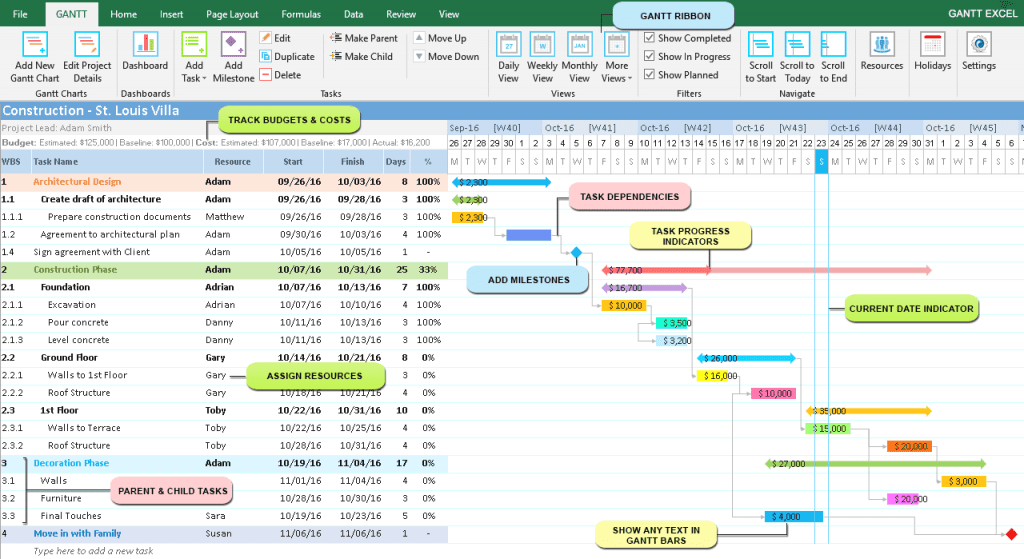
Understanding how long construction takes is just as important as understanding how much it costs. Across the U.S., construction timelines vary significantly depending on building type, project complexity, and whether the work is ground-up construction or an interior fit-out (tenant improvement).
As the industry moves into 2026, construction schedules are stabilizing compared to recent years—but timelines are still heavily influenced by MEP scope, procurement strategy, and owner decision-making speed.
This guide breaks down typical U.S. construction timelines by market sector, clearly differentiating ground-up construction from fit-outs, so owners, developers, and tenants can set realistic expectations early.
Ground-Up vs. Fit-Out Construction: What’s the Difference?
Before comparing timelines, it’s critical to understand scope:
-
Ground-up construction includes site work, foundations, structure, building envelope, and base building systems.
-
Fit-outs (tenant improvements or TIs) involve interior construction within an existing building or shell.
-
Fit-outs often require dense mechanical, electrical, and plumbing (MEP) coordination and can rival ground-up projects in complexity.
This distinction directly impacts construction duration, sequencing, and schedule risk.
Commercial Office Construction Timelines
Ground-Up Office Construction
Typical Timeline: 14–24 months
-
Low-rise or flex office buildings: 14–16 months
-
Mid-rise office buildings: 16–20 months
-
High-rise office towers: 20–24+ months
Key schedule drivers:
Structural system, facade design, elevator procurement, utility coordination, and inspections.
Office Fit-Out / Tenant Improvement Timelines
Typical Timeline: 8–24 weeks
-
Spec suites or light refreshes: 8–12 weeks
-
Standard corporate interiors: 12–16 weeks
-
High-end or amenity-rich offices: 16–24+ weeks
Office fit-out timelines are primarily driven by MEP reconfiguration, power density, AV systems, and finish complexity.
Industrial & Warehouse Construction Timelines
Ground-Up Warehouse and Distribution Centers
Typical Timeline: 6–12 months
-
Small industrial buildings: 6–8 months
-
Mid-size distribution centers: 8–10 months
-
Large big-box or high-clear warehouses: 9–12 months
Industrial projects benefit from repetitive design, tilt-wall construction, and limited interior finishes, keeping schedules shorter per square foot than most sectors.
Industrial Fit-Out Timelines
Typical Timeline: 6–12 weeks
-
Office pods, restrooms, and break rooms usually define the schedule.
-
Automation-heavy or power-intensive facilities can extend beyond 12 weeks.
Restaurant Construction Timelines
Ground-Up Restaurant Construction
Typical Timeline: 9–15 months
Ground-up restaurant projects include site development, shell construction, and full kitchen build-out.
Common schedule risks:
Utility upgrades, kitchen equipment procurement, health department approvals, and late design changes.
Restaurant Fit-Out (Second-Generation or Shell Space)
Typical Timeline: 12–28 weeks
-
Quick-service or limited-menu concepts: 12–16 weeks
-
Full-service or chef-driven restaurants: 20–28+ weeks
Restaurants often exceed expected timelines due to ventilation, grease waste, fire suppression, and specialty equipment coordination.
Hospitality (Hotel) Construction Timelines
Ground-Up Hotel Construction
Typical Timeline: 18–30 months
-
Limited-service hotels: 18–22 months
-
Full-service hotels: 22–26 months
-
Luxury or resort-style hotels: 26–30+ months
Hotel schedules are extended by repetitive guestrooms, extensive inspections, FF&E coordination, and large punch lists.
Hotel Renovations and Fit-Outs
Typical Timeline: 4–12 months
-
Guestroom renovations: 3–6 months
-
Major renovations (lobby, amenities, back-of-house): 6–12 months
Phased construction in operational hotels often increases total project duration.
Multifamily Construction Timelines
Ground-Up Multifamily Construction
Typical Timeline: 16–30 months
-
Garden-style apartments: 16–20 months
-
Wrap or podium-style projects: 20–26 months
-
Mid-rise and high-rise apartments: 24–30+ months
Timeline drivers include structure type, parking design, unit count, and facade complexity.
Multifamily Renovations and Unit Fit-Outs
Typical Timeline: 4–16 weeks (per phase)
-
Individual unit turns can be completed in 1–2 weeks.
-
Whole-property renovations extend schedules due to phasing and occupancy.
Mixed-Use Construction Timelines
Ground-Up Mixed-Use Developments
Typical Timeline: 24–36+ months
Mixed-use projects combine multiple building types:
-
Residential
-
Retail shells
-
Restaurants or food service
-
Structured parking
Coordination, sequencing, and phasing typically control the schedule more than trade productivity.
Mixed-Use Fit-Out Timelines
Typical Timeline: 12–28 weeks
Retail and restaurant components usually define the critical path for mixed-use interiors.
Construction Timeline Trends to Watch in 2026
-
MEP trades remain the biggest schedule risk across all sectors.
-
Early procurement is essential for elevators, switchgear, and HVAC equipment.
-
Fit-outs are less predictable than ground-up construction when specialty systems are involved.
-
Owner decision speed has a direct impact on construction timelines.
Typical Construction Timelines by Sector (2026 Summary)
| Sector | Ground-Up Construction | Fit-Out / TI |
|---|---|---|
| Office | 14–24 months | 8–24 weeks |
| Warehouse | 6–12 months | 6–12 weeks |
| Restaurant | 9–15 months | 12–28 weeks |
| Hospitality | 18–30 months | 4–12 months |
| Multifamily | 16–30 months | 4–16 weeks |
| Mixed-Use | 24–36+ months | 12–28 weeks |
FAQ: Construction Timelines
How long does construction typically take in the U.S.?
Construction timelines vary by building type, but most ground-up commercial projects range from 6 months to over 30 months, while fit-outs range from 8 weeks to 6+ months.
Why do fit-out projects sometimes take longer than expected?
Interior projects often involve dense MEP systems, inspections, and late design changes, making them less predictable than shell construction.

Houston Construction Trends for 2026: Cost Per Square Foot by Market Sector
Houston’s construction market is heading into 2026 with more stable pricing than the last few years, but not “back to normal.” The best way to budget is by sector + scope (core & shell vs. interiors/tenant improvements) because the spreads are wide—especially for hospitality and restaurant work.
Local Houston cost guidance entering 2026 is pointing to ~3%–5% inflationary lift year-over-year. Kirksey
Below is a sector-by-sector cost-per-square-foot (PSF) guide you can use for early pro formas, feasibility, and owner conversations.
Quick 2026 Cost-Per-SF Snapshot (Houston)
Important: “Cost per SF” can mean different things (hard costs only vs. all-in; core & shell vs. TI). The ranges below are designed for early budgeting and should be validated with a project-specific takeoff.
1) Commercial Interiors (Office TI / Corporate Interiors)
Kirksey’s 2025 Houston corporate interiors ranges are a strong baseline for 2026 budgeting: Kirksey
-
Basic office build-out: $83–$104/SF (2025) → $85–$109/SF (2026 planning) Kirksey
-
Mid-range office build-out: $107–$140/SF (2025) → $110–$147/SF (2026 planning) Kirksey
-
Higher-end / amenity-rich TI: $158–$280/SF (2025) → $163–$294/SF (2026 planning) Kirksey
What’s driving 2026: Amenity density and MEP/skilled labor pressure (especially MEP trades) remain key cost drivers. Kirksey
2) Office Core & Shell (Commercial Office Buildings)
For shell construction in Houston, Kirksey’s 2025 ranges provide clear bookends: Kirksey
-
One-story flex office shell: $103–$122/SF (2025) → $106–$128/SF (2026) Kirksey
-
Low-rise office shell: $115–$139/SF (2025) → $118–$146/SF (2026) Kirksey
-
Mid-rise office shell: $141–$162/SF (2025) → $145–$170/SF (2026) Kirksey
-
High-rise office shell: $158–$217/SF (2025) → $163–$228/SF (2026) Kirksey
3) Industrial / Warehouse (Distribution Centers)
Cushman & Wakefield’s 2025 Industrial Construction Cost Guide shows warehouse shell costs have been relatively stable YoY at a broad market level (Americas averages). Cushwake
For Houston-specific distribution center “build-to-suit” costs, the guide’s local market table indicates 2025 total cost (by warehouse size) clustering around:
-
Small (109,200 RSF): ~$118 PSF
-
Medium (476,400 RSF): ~$83 PSF
-
Large (901,000 RSF): ~$77 PSF Cushwake
2026 planning: Apply the Houston-area 3%–5% uplift expectation as a starting point (and then refine by power needs, dock package, slab spec, and site complexity). Kirksey+1
4) Restaurants (New Build or Heavy TI)
Restaurant costs swing wildly because kitchens are MEP-heavy and schedules are tight. A commonly cited planning range for restaurant build-outs is:
-
~$100–$800/SF, with many projects falling ~$150–$750/SF depending on concept and finish level EB3 Construction Blog
Houston 2026 reality: If it’s ventilation + grease waste + high electrical + specialty equipment coordination, you’ll trend toward the upper half quickly.
5) Hospitality (Hotels)
Hospitality is often budgeted “per key,” but you can translate to PSF for early comparisons.
HVS’s U.S. Hotel Development Cost Survey 2024 reports per-room development costs (includes categories like land, building/site, soft costs, FF&E, etc.). For limited-service hotels, the average total is about $193,152 per room (median ~$169,601). HVS
To convert to $/SF: divide per-key cost by gross SF per key (often ~600–900 GSF/key depending on product and amenities). That yields a rough planning band like:
-
Limited-service: about $215–$320/SF (very concept-dependent) HVS
For full-service and luxury, HVS shows substantially higher per-room economics (full-service median “over $400,000 per room,” luxury “over $1,000,000 per room”). HVS
That’s why hotel PSF can jump dramatically once you add ballroom/meeting space, premium finishes, and labor-intensive detailing.
6) Multifamily (Garden, Wrap, Podium, High-Rise)
RSMeans’ 2025 guidance for mid-rise/high-rise apartments gives a national range of roughly:
-
$220–$700/SF (2025 data) RSMeans
How to use this for Houston 2026: Start with the lower-to-middle portion of that band for typical Houston deals, then adjust upward for podium/high-rise structure, parking strategy, facade complexity, and unit finish level. Apply a 3%–5% 2026 lift as a budgeting placeholder if you’re carrying 2025 numbers forward. RSMeans+1
7) Mixed-Use (Retail + Multifamily + Structured Parking)
Mixed-use budgets are usually the sum of parts:
-
Multifamily structure + unit interiors (often the largest share) RSMeans
-
Retail shell + restaurant/retail TI allowances (can spike with food/grease/venting) EB3 Construction Blog
-
Parking (structured parking adds significant $/SF) Kirksey
A smart 2026 Houston approach is to budget mixed-use with separate PSF line items (residential, retail shell, retail TI, parking) rather than forcing one blended PSF.
2026 Houston Trends That Will Move Your PSF the Most
-
MEP labor + procurement risk: Skilled labor shortages (especially MEP trades) remain a major cost driver. Kirksey
-
Tariffs + material volatility: Still a planning risk (carry contingencies and alternates early). Kirksey
-
Sector divergence: Industrial and data-driven sectors can keep pressure on certain trades even when “overall costs” look stable nationally. Turner Construction
What is the average commercial interior cost per square foot in Houston for 2026?
For office TI, a practical planning range is roughly $85–$147/SF for basic-to-mid interiors, and $163–$294/SF for higher-end/amenity-rich spaces (based on 2025 Houston ranges + 3%–5% inflation). Kirksey
What does it cost to build a warehouse in Houston per square foot in 2026?
Houston’s 2025 distribution center costs in a major industry guide cluster around ~$77–$118 PSF depending on size, with smaller facilities typically costing more per SF than large boxes. Cushwake
Why are restaurant build-outs so expensive per square foot?
Restaurants often require dense MEP (ventilation, gas, grease waste, power), strict health code compliance, and accelerated timelines—pushing costs into a very wide band. EB3 Construction Blog
Shopping Center Construction: A Complete Guide to Building Retail Developments
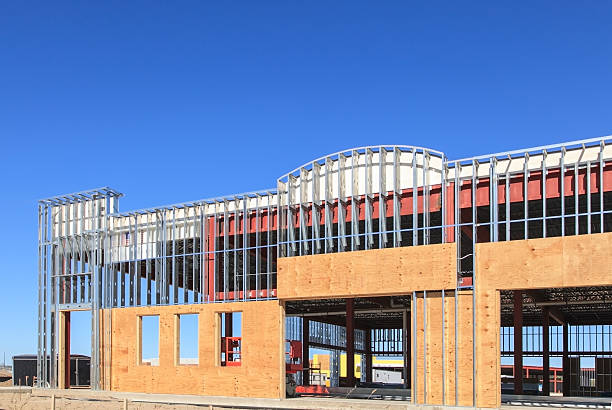
Shopping center construction is a specialized type of commercial construction that combines site development, retail building shells, and tenant delivery—often on tight timelines and with multiple stakeholders. Whether you’re developing a neighborhood strip center, a grocery-anchored plaza, or a multi-tenant lifestyle center, the success of the project depends on strong preconstruction planning, disciplined scheduling, and careful coordination between trades, utilities, and tenants.
This guide breaks down what shopping center construction includes, key phases, common challenges, and what to plan for to keep a retail project on track.
What Is Shopping Center Construction?
Shopping center construction typically includes two major scopes:
-
Core & shell construction (the landlord scope)
This is the base building and site work required to deliver leasable retail space. -
Tenant fit-outs / tenant improvements (TI) (the tenant scope)
This is the interior buildout needed to turn a retail “vanilla box” into a finished store, restaurant, or service space.
Many retail developments involve both scopes happening in overlapping phases, which is why planning and scheduling are so important.
Key Phases of Shopping Center Construction
1. Site Selection, Due Diligence, and Entitlements
Before construction begins, retail projects require front-end work that can impact schedule and cost, including:
-
Zoning and land use approvals
-
Traffic studies and access planning
-
Environmental assessments and site constraints
-
Utility availability (water, sewer, power, gas, telecom)
-
Stormwater management requirements
Early due diligence reduces surprises once the project moves into permitting and construction.
2. Civil and Site Work
Retail projects are heavily site-driven. Civil work often includes:
-
Earthwork and grading
-
Storm drainage and detention systems
-
Sanitary sewer and domestic water
-
Utility trenching and duct banks
-
Curbing, sidewalks, and ADA routes
-
Asphalt paving, striping, and signage foundations
-
Landscaping and site lighting
Because retailers and municipalities care about access and safety, site logistics and traffic flow are major drivers in shopping center construction.
3. Core & Shell Building Construction
The core & shell scope is what turns a site into leasable space. It often includes:
-
Foundations and slab-on-grade
-
Structural steel or masonry framing
-
Exterior walls, façade systems, and storefront framing
-
Roofing, insulation, and roof drainage
-
Base MEP rough-ins (as applicable)
-
Fire protection mains and fire alarm backbone
-
Delivery of “vanilla box” spaces to tenants
Retail buildings are often designed for flexibility, allowing different tenants to customize layouts without major structural changes.
4. Tenant Buildouts (Fit-Outs / TI Construction)
Once spaces are delivered, tenant construction typically includes:
-
Interior framing, drywall, and ceilings
-
Flooring, tile, and finishes
-
Lighting and controls
-
Plumbing and restrooms
-
HVAC distribution and balancing
-
Low-voltage systems (data, security, AV)
-
Health department and fire inspections (especially for food uses)
Tenant schedules can vary widely—so coordination between landlord and tenants is key to maintaining momentum across the whole center.
5. Closeout and Turnover
Retail projects require clean documentation and inspection readiness:
-
Punch lists and final inspections
-
As-builts and closeout packages
-
Certificate of occupancy (CO) support
-
Owner manuals and warranties
-
Final site signage and striping verification
For many owners, the real finish line is leasing and opening—so turnover planning matters as much as construction.
Common Challenges in Shopping Center Construction
Utility Coordination and Lead Times
Retail sites often require new service connections, upgrades, or utility relocations. Power and telecom timelines can be critical—especially for anchor tenants.
Phasing Around Open Businesses
Some shopping center projects involve expansions or renovations where parts of the property remain open. That adds complexity:
-
Maintaining safe pedestrian routes
-
Keeping parking available
-
Managing deliveries and loading zones
-
Controlling noise, dust, and debris
Tenant-Driven Changes
Retail tenants may adjust layouts, branding standards, equipment needs, or opening dates. Projects that plan for change—through clear scopes, contingencies, and communication—tend to perform better.
Life Safety and Accessibility Requirements
Shopping centers must meet strict requirements for:
-
ADA accessibility (routes, ramps, striping, signage)
-
Fire department access and hydrant placement
-
Egress and occupant load compliance
-
Fire alarm and sprinkler coordination across multiple tenant spaces
Retail is highly visible and heavily regulated, so inspection planning should be built into the schedule early.
Best Practices for Successful Retail and Shopping Center Construction
Start With Strong Preconstruction
A solid preconstruction process helps align:
-
Budget and scope
-
Site/civil strategy
-
Permit schedule
-
Long-lead procurement
-
Tenant coordination plan
Retail timelines often compress quickly, so early planning is one of the most effective ways to reduce risk.
Design for Flexibility
Shopping centers perform best when they’re adaptable. Practical design choices include:
-
Standardized storefront bay widths
-
Clear utility routing zones
-
Scalable electrical capacity
-
Simple roof and drainage details
-
Durable exterior materials that age well
Flexibility supports leasing, tenant turnover, and long-term property value.
Build a Tenant Coordination System
A repeatable process helps manage multiple tenants efficiently:
-
Tenant handoff meetings
-
Standard TI guidelines and utility tie-in rules
-
Review milestones for tenant drawings
-
Consistent inspection scheduling
When tenant work overlaps across multiple suites, coordination prevents trade stacking and schedule conflicts.
Shopping Center Construction Is About More Than the Building
A retail project isn’t just a structure—it’s access, visibility, parking, safety, and tenant readiness. When shopping center construction is managed well, the result is a development that leases faster, opens smoother, and operates more efficiently over the long term.
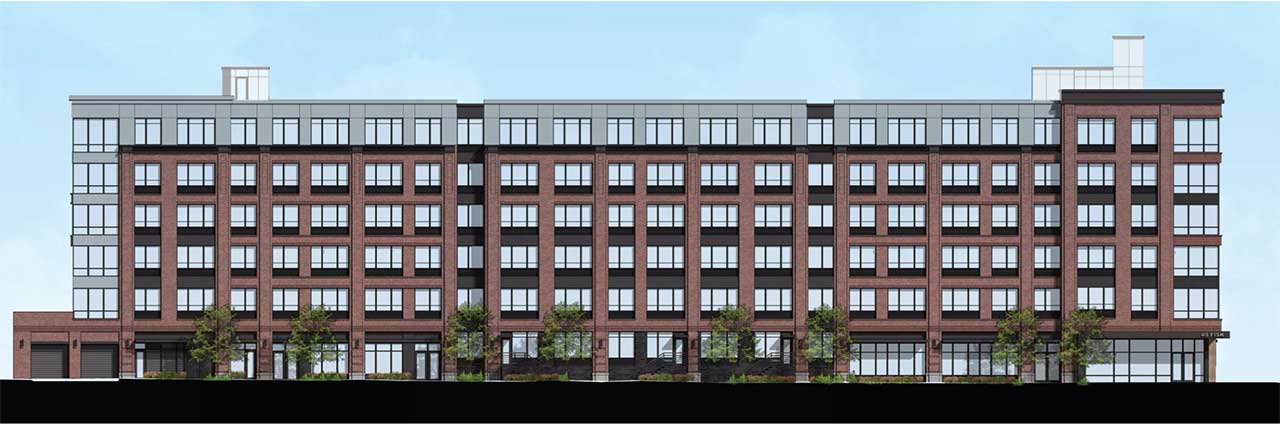
Large-Scale Multifamily Housing
Large-Scale Multifamily Housing: Building Smart, Scalable Communities
As housing demand continues to rise across the country, large-scale multifamily housing has emerged as one of the most effective solutions for cities, developers, and investors. From mid-rise apartment buildings to multi-building residential campuses, larger multifamily projects play a critical role in meeting population growth while delivering long-term value.
At Plescia Construction & Development, we specialize in constructing high-quality, large multifamily projects designed for durability, efficiency, and community impact.
What Defines Large-Scale Multifamily Housing?
Large multifamily housing typically includes developments with dozens to hundreds of residential units, often spread across one or more buildings. These projects commonly feature:
-
Mid-rise and high-rise apartment buildings
-
Multi-building residential complexes
-
Mixed-use developments with residential components
-
Structured parking and shared amenities
Unlike smaller residential projects, large multifamily developments require advanced planning, coordination, and construction expertise to ensure successful delivery.
Why Large Multifamily Development Is Growing
1. Increasing Housing Demand in Urban and Suburban Markets
Population growth, workforce expansion, and urban revitalization have created a strong demand for high-density housing solutions. Large multifamily developments allow communities to add significant housing inventory while maximizing land use and existing infrastructure.
2. Economies of Scale for Developers and Owners
Larger multifamily projects benefit from economies of scale that improve both construction efficiency and long-term operations. Shared systems, centralized amenities, and standardized unit layouts help control costs while increasing overall project value.
3. Community-Focused Design
Modern large-scale multifamily housing is no longer just about units—it’s about creating livable communities. These developments often include:
-
Fitness centers and shared amenities
-
Outdoor gathering spaces
-
On-site parking solutions
-
Walkable access to retail and services
Thoughtful site planning and design enhance resident experience while strengthening the surrounding neighborhood.
Benefits of Large Multifamily Projects for Investors
Strong, Predictable Cash Flow
With a high number of residential units, large multifamily developments generate multiple income streams, providing stability even during market fluctuations. This makes them one of the most resilient real estate asset classes.
Long-Term Asset Value
Well-built multifamily properties maintain their value over time, especially when constructed with durable materials and efficient building systems. Quality construction directly impacts operational costs, tenant retention, and long-term returns.
Operational Efficiency
Large multifamily developments allow owners to centralize maintenance, management, and utilities—reducing per-unit operating costs and improving overall efficiency.
The Role of Experienced Construction in Large Multifamily Housing
Large-scale multifamily construction requires more than basic building expertise. Successful projects depend on:
-
Detailed preconstruction planning
-
Efficient scheduling and phasing
-
Coordination across multiple trades
-
Compliance with zoning, fire, and building codes
-
Durable, low-maintenance construction solutions
Choosing an experienced multifamily construction partner helps minimize risk, control costs, and keep complex projects on schedule.
Building the Future of Multifamily Housing
As cities and regions continue to evolve, large multifamily housing developments will remain essential to meeting housing demand and supporting economic growth. When built correctly, these projects provide lasting value for residents, investors, and communities alike.
At Plescia Construction & Development, we take a hands-on approach to large multifamily construction—delivering efficient, high-quality projects that stand the test of time.
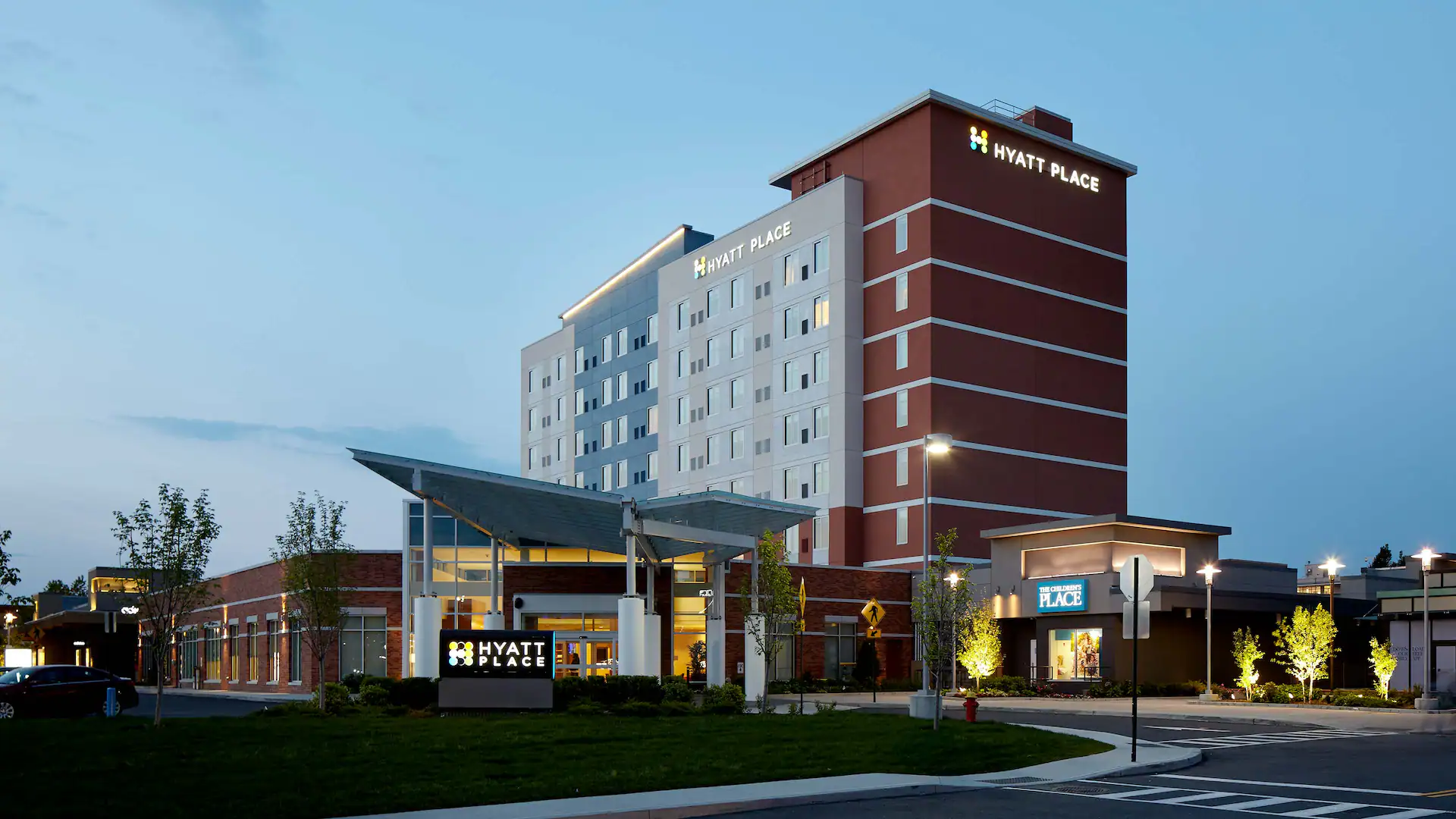
Hotel Remodeling: How to Renovate Without Disrupting Guest Experience
A successful hotel remodel does more than update finishes—it protects revenue, improves guest satisfaction, and extends the life of a major asset. Whether you’re renovating a boutique property or modernizing a branded flag, hotel remodeling requires careful planning, tight scheduling, and a construction team that understands how to work in active hospitality environments.
At Plescia Construction & Development, we approach hotel renovations with a simple goal: deliver a refreshed property with minimal downtime, minimal disruption, and maximum long-term value.
Why Hotel Remodeling Is a Smart Investment
Hotels compete on experience. When your property feels dated, guests notice—and so do online reviews. A strategic renovation helps owners and operators:
-
Increase ADR (Average Daily Rate) and occupancy
-
Improve guest reviews and brand compliance scores
-
Reduce ongoing maintenance and operating costs
-
Refresh the property’s market positioning
-
Extend asset lifecycle and protect long-term value
In many markets, a well-timed remodel can be the difference between staying competitive and losing share to newer builds.
What’s Typically Included in a Hotel Renovation?
Hotel remodeling scope varies by brand, property class, and building condition, but common upgrades include:
Guest Rooms and Corridors
-
Flooring replacement (LVT/carpet)
-
Paint, wallcovering, and trim updates
-
Casework, vanities, and millwork
-
Bathroom refresh (tile, fixtures, lighting, mirrors)
-
Door hardware and ADA compliance improvements
-
Lighting upgrades and controls
Lobby and Public Areas
-
Front desk redesign and back-of-house improvements
-
Lounge seating, finishes, and feature walls
-
Restroom upgrades
-
Technology enhancements (power, data, AV)
Amenities and Revenue Spaces
-
Fitness center renovations
-
Pool area improvements
-
Breakfast areas, bars, and restaurants
-
Meeting rooms and event spaces
Building Systems and Infrastructure
Depending on age and condition:
-
HVAC improvements and controls
-
Electrical upgrades and lighting efficiency
-
Plumbing fixture updates
-
Fire alarm and life-safety updates
-
Roof, façade, or window work
The Biggest Challenge: Renovating While Staying Open
The complexity of hotel remodeling is rarely the construction itself—it’s doing the work while the hotel continues operating.
A renovation plan should account for:
-
Guest noise sensitivity and quiet hours
-
Dust and odor control
-
Safe, clean pathways and signage
-
Elevator access and material movement
-
Scheduling around peak occupancy and events
-
Maintaining life-safety systems throughout construction
The best outcomes come from a construction team that understands hospitality operations and coordinates closely with hotel management.
Best Practices for a Smooth Hotel Remodel
1. Build a Phased Renovation Plan
For occupied renovations, phasing is everything. Common approaches include:
-
Floor-by-floor guestroom renovations
-
Wing-by-wing corridor and room shutdowns
-
Daytime work in common areas with night restoration
-
Off-season scheduling for disruptive scopes
A phased plan helps keep the property generating revenue while renovations progress.
2. Protect the Guest Experience
Hotels don’t get a “pause button.” That’s why successful remodeling includes:
-
Containment walls and negative air where needed
-
HEPA filtration and daily cleanup plans
-
Temporary finishes and wayfinding signage
-
Clear communication to staff and guests
The goal is not just finishing the work—it’s keeping service levels high while work happens.
3. Tight Coordination with Ownership, Brand, and Operations
Hotel renovations often involve multiple stakeholders:
-
Owner/investor group
-
Brand standards teams (PIPs and brand refresh requirements)
-
Hotel GM and maintenance staff
-
Designers and purchasing teams
Clear decision-making and fast approvals help prevent delays and change orders.
4. Procurement and Long-Lead Materials Management
Hotel remodeling includes products that can impact schedule if delayed:
-
Casegoods and furniture
-
Carpet, LVT, tile, and specialty finishes
-
Lighting packages and controls
-
Bathroom fixtures and glass
A proactive procurement plan prevents “finished-but-waiting” rooms—one of the most expensive outcomes in hospitality renovations.
5. Quality Control and Turnover by Area
Instead of waiting until the end, hotel remodels run best when turnover happens in batches:
-
Punch lists per floor or wing
-
Mock-up room approval early
-
Room readiness checklists (keys, HVAC, plumbing, Wi-Fi, TV)
-
Operations training and maintenance handoff
This reduces rework and helps the hotel return renovated rooms to inventory quickly.
Common Hotel Remodeling Mistakes to Avoid
-
Underestimating schedule impacts from occupancy and events
-
Skipping a mock-up room, leading to rework across dozens of units
-
Poor noise/dust containment, hurting reviews and staff morale
-
Not planning material movement, causing slowdowns and safety issues
-
Rushing turnover without testing, creating post-renovation callbacks
A well-managed remodel prevents these problems before they start.
Renovate with Confidence
Hotel remodeling is a high-stakes project: it touches guests, staff, revenue, and brand standards all at once. With the right planning and a construction partner who understands hospitality logistics, you can modernize your property without sacrificing performance.
At Plescia Construction & Development, we help hotel owners and operators deliver renovations that improve guest experience, protect operations, and strengthen long-term asset value.
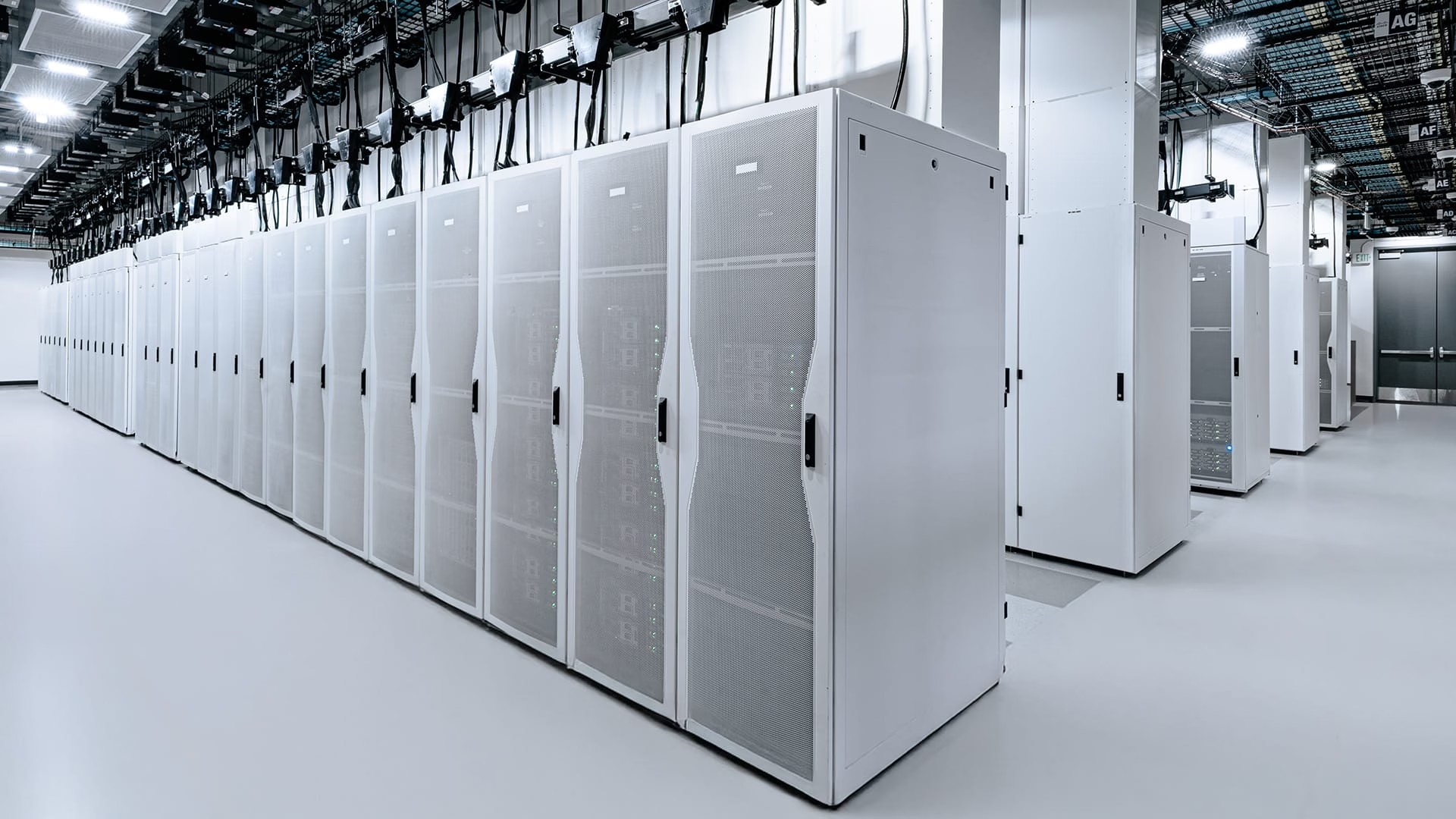
Mission Critical Construction: Building Facilities That Cannot Fail
In today’s always-on world, certain buildings are expected to operate 24/7 without interruption. Data centers, healthcare facilities, utility infrastructure, and other high-dependence environments fall into a category known as mission critical construction. These projects demand an unmatched level of planning, precision, and accountability—because failure is not an option.
At Plescia Construction & Development, we understand that mission critical facilities are defined by performance, redundancy, and reliability from day one.
What Is Mission Critical Construction?
Mission critical construction refers to the planning and construction of facilities that support essential operations. These buildings must remain operational during power outages, extreme weather, emergencies, and maintenance events.
Common mission critical facility types include:
-
Data centers and colocation facilities
-
Healthcare and hospital infrastructure
-
Emergency response and public safety facilities
-
Utility and energy infrastructure
-
Financial services and secure operations centers
These projects prioritize uptime, resilience, and long-term operational continuity above all else.
Why Mission Critical Construction Is Different
Mission critical projects are fundamentally different from traditional construction because they require:
-
Zero or near-zero tolerance for downtime
-
Redundant and fail-safe building systems
-
Strict compliance with codes, standards, and owner requirements
-
Highly coordinated MEP and life-safety systems
-
Detailed testing, commissioning, and documentation
Every design and construction decision is evaluated through the lens of risk reduction and reliability.
Key Components of Mission Critical Facilities
Redundant Power Infrastructure
Reliable power is the backbone of mission critical facilities. Construction often includes:
-
Dual utility feeds
-
Redundant switchgear and distribution paths
-
Backup generators with extended fuel storage
-
Uninterruptible Power Supply (UPS) systems
-
Automatic transfer switches and monitoring
Power systems are designed to support full load during outages without interruption.
Advanced Mechanical and Cooling Systems
Mission critical environments require tightly controlled temperature and humidity levels. Mechanical systems commonly include:
-
Redundant HVAC and cooling units
-
N+1 or 2N system configurations
-
Hot aisle/cold aisle containment (for data centers)
-
Monitoring and controls for continuous performance tracking
High-Reliability Electrical and Low Voltage Systems
Electrical systems must support both current needs and future scalability. This includes:
-
Dedicated electrical rooms and pathways
-
Secure low-voltage and fiber infrastructure
-
Fire alarm, security, and access control integration
-
Building automation and monitoring systems
Fire Protection and Life Safety
Life safety systems must protect both people and operations. Depending on facility type, this may include:
-
Pre-action or clean agent fire suppression
-
Redundant fire alarm systems
-
Smoke control and compartmentalization
-
Code-compliant egress under all operating conditions
The Role of Construction Management in Mission Critical Projects
Early Planning and Risk Mitigation
Mission critical success begins in preconstruction. Key focus areas include:
-
Constructability reviews
-
Phasing and operational continuity planning
-
Long-lead equipment procurement
-
Utility coordination and redundancy verification
-
Budget and schedule risk analysis
Precision Scheduling and Sequencing
Mission critical construction requires detailed sequencing to prevent conflicts between trades and systems. Even small installation errors can lead to costly delays during testing and commissioning.
Quality Control and Documentation
These projects demand extensive documentation, including:
-
As-built drawings
-
Equipment testing reports
-
Commissioning records
-
Maintenance and operations manuals
This documentation supports compliance, future expansion, and ongoing operations.
Testing, Commissioning, and Turnover
Mission critical facilities are not complete when construction ends—they are complete when systems are proven.
The final phases include:
-
Integrated systems testing (IST)
-
Load bank testing and failure simulations
-
Controls verification and redundancy testing
-
Owner training and operational handoff
This process ensures the facility performs as designed under real-world conditions.
Why Experience Matters in Mission Critical Construction
Mission critical construction leaves no room for assumptions or shortcuts. Owners and operators need a construction partner who understands:
-
Redundancy and reliability principles
-
Complex MEP coordination
-
Risk management and contingency planning
-
Regulatory and compliance requirements
-
High-stakes commissioning and turnover
The right team reduces risk, protects uptime, and delivers confidence.
Building Infrastructure That Performs Under Pressure
Mission critical facilities support the systems we rely on every day. From powering data to protecting lives, these buildings must operate without fail—no matter the conditions.
At Plescia Construction & Development, we bring disciplined planning, technical expertise, and hands-on construction management to mission critical projects—delivering facilities built for reliability, resilience, and long-term performance.
Typical Commercial Construction Cost Ranges Per Square Foot
New Jersey vs. New York Metro (Interior Construction)
🏢 Office Interiors (Tenant Fit-Outs)
New York City
-
Basic refresh / light TI: ~$90–$130 / SF
-
Standard office build-out: ~$130–$180 / SF
-
High-end / Class A / law & finance: ~$180–$250+ / SF
New Jersey
-
Basic refresh: ~$75–$115 / SF
-
Standard office build-out: ~$110–$160 / SF
-
High-end office interiors: ~$160–$210 / SF
Why NYC costs more: union labor premiums, DOB approvals, after-hours work, vertical logistics.
🍽 Restaurant Build-Outs
New York City
-
Fast casual / café: ~$200–$275 / SF
-
Full-service restaurant: ~$275–$375 / SF
-
Chef-driven / high-end: ~$375–$500+ / SF
New Jersey
-
Fast casual / café: ~$175–$250 / SF
-
Full-service restaurant: ~$250–$350 / SF
-
High-end dining: ~$350–$450+ / SF
Key drivers: kitchen exhaust, grease management, gas upgrades, fire suppression, utility availability.
🏨 Hospitality (Hotel Interiors & Renovations)
(Guestrooms, corridors, public spaces — not full ground-up)
New York City
-
Select-service renovation: ~$140–$200 / SF
-
Boutique / upscale interiors: ~$200–$300 / SF
New Jersey
-
Select-service renovation: ~$120–$180 / SF
-
Upscale / boutique interiors: ~$180–$260 / SF
Ground-up hotels can exceed these numbers, but interior scopes typically land here.
🛍 Retail Interiors
New York City
-
Vanilla box to open retail: ~$125–$200 / SF
-
Mid-tier branded retail: ~$175–$275 / SF
-
Flagship / high-design: ~$275–$400+ / SF
New Jersey
-
Basic retail build-out: ~$100–$175 / SF
-
Mid-tier retail: ~$150–$250 / SF
-
High-design retail: ~$250–$350+ / SF
Retail costs swing heavily based on storefront work, ceilings, lighting density, and millwork.
📦 Warehouse / Industrial
Ground-Up Shell (NJ stronghold)
-
Low-finish warehouse shell: ~$85–$125 / SF
-
Higher-bay / ESFR / tilt-up: ~$110–$150 / SF
Interior Office / Fit-Out (Both Markets)
-
Industrial office build-out: ~$90–$140 / SF
NY industrial costs rise quickly for urban infill or multi-story logistics, but NJ remains close to national averages.
Summary Table (Realistic 2025 Ranges)
| Sector | NYC Typical Range | NJ Typical Range |
|---|---|---|
| Office Interiors | $130–$250 / SF | $110–$210 / SF |
| Restaurants | $250–$400+ / SF | $225–$375 / SF |
| Hospitality (Interiors) | $140–$300 / SF | $120–$260 / SF |
| Retail | $125–$400+ / SF | $100–$350 / SF |
| Warehouse (Shell) | $110–$160 / SF | $85–$150 / SF |
Important Context (worth stating in the blog)
-
These are hard construction costs only
-
Excludes FF&E, design fees, permit fees, landlord work, and tenant allowances
-
Assumes competitive bidding and normal market conditions
-
NYC premiums are driven more by logistics and regulation than materials
If you want, I can now:
-
Integrate these corrected ranges cleanly into your blog
-
Adjust tone further toward developer-level analysis
-
Or tailor numbers specifically to North NJ vs. NYC boroughs
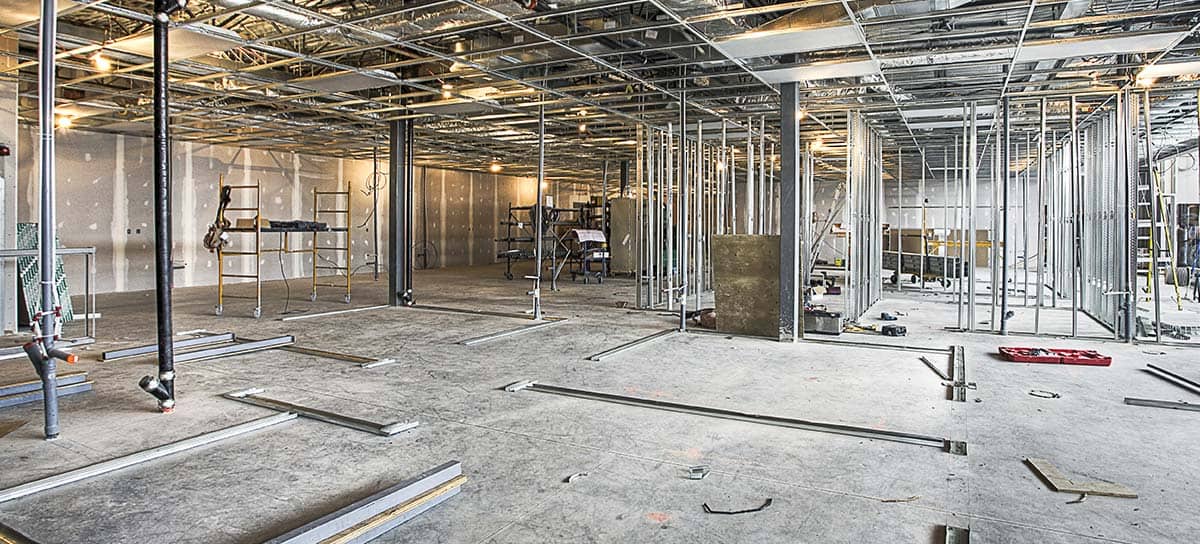
Fit-Out Contractors: A Practical Guide to Commercial Interior Construction
Fit-out contractors play a critical role in commercial construction by transforming unfinished or outdated interior spaces into functional, code-compliant environments. From office interiors to retail and restaurant spaces, fit-out work bridges the gap between base building construction and final occupancy.
Understanding what fit-out contractors do—and how fit-out construction differs from other types of interior work—helps owners, tenants, and property managers plan projects more effectively.
What Is a Fit-Out Contractor?
A fit-out contractor is responsible for the interior construction scope required to prepare a commercial space for use. This work typically begins after the building shell or base building has been completed.
Common fit-out responsibilities include:
-
Interior demolition and selective removals
-
Framing, drywall, and ceiling systems
-
Flooring, wall finishes, and painting
-
Doors, frames, hardware, and millwork
-
Mechanical, electrical, and plumbing (MEP) coordination
-
Lighting, controls, and low-voltage systems
-
Permitting, inspections, and closeout documentation
Fit-out contractors manage multiple trades and ensure the finished space meets design intent, building codes, and occupancy requirements.
Fit-Out Construction vs. Tenant Improvements
The terms fit-out, tenant improvement (TI), and build-out are often used interchangeably, but they generally describe similar interior construction scopes.
-
Fit-out construction focuses on completing or customizing interior spaces.
-
Tenant improvements refer to fit-out work performed specifically for a tenant, often governed by lease requirements.
-
Build-out may imply a more extensive scope, including structural or major MEP modifications.
Regardless of terminology, these projects require detailed coordination and an understanding of existing building conditions.
Types of Commercial Fit-Out Projects
Fit-out contractors work across a range of commercial property types, including:
Office Fit-Outs
Office fit-outs often involve reconfiguring layouts to support evolving workplace needs. Typical scopes include:
-
Open offices, private offices, and conference rooms
-
Breakrooms, reception areas, and support spaces
-
Power, data, and audiovisual systems
-
Lighting and acoustic improvements
Retail Fit-Outs
Retail fit-outs prioritize customer flow, branding, and durability. Common elements include:
-
Storefront modifications and interior finishes
-
Back-of-house storage and employee areas
-
Coordination with landlord design criteria
-
Work within active shopping centers
Restaurant Fit-Outs
Restaurant fit-outs are highly technical and include:
-
Commercial kitchen construction
-
Grease-rated exhaust and make-up air systems
-
Plumbing, gas, and electrical for equipment
-
Health department and fire code compliance
Medical and Professional Fit-Outs
Medical and professional spaces require stricter standards, such as:
-
Exam rooms, treatment areas, and labs
-
Enhanced MEP capacity and redundancy
-
Specialized finishes and infection control measures
Key Considerations in Fit-Out Construction
Existing Conditions and Site Constraints
Fit-out projects rely heavily on existing infrastructure. Verifying field conditions early helps prevent conflicts involving:
-
Ceiling heights and structural elements
-
HVAC capacity and routing
-
Electrical service and panel availability
-
Plumbing tie-in locations
MEP Coordination
Mechanical, electrical, and plumbing systems are often the most complex aspect of fit-out construction. Poor coordination can lead to rework, inspection delays, and schedule impacts.
Scheduling and Inspections
Commercial fit-outs typically operate under tight timelines tied to lease start dates or business openings. Successful projects account for:
-
Permit review durations
-
Inspection sequencing
-
Long-lead materials and equipment
-
Building access restrictions
Occupied Building Requirements
Many fit-outs occur in buildings that remain operational. Contractors must plan for:
-
Noise and dust control
-
Safe material movement
-
After-hours or phased work
-
Coordination with property management
How Fit-Out Contractors Support Project Success
Fit-out contractors serve as the link between design and occupancy. Their role includes:
-
Translating drawings into buildable scope
-
Managing trade sequencing and coordination
-
Ensuring code compliance and inspection readiness
-
Delivering complete turnover documentation
Well-managed fit-out construction helps reduce delays, control costs, and support a smoother move-in process.
Understanding the Value of Fit-Out Expertise
Commercial interiors are fast-moving, detail-driven projects. Fit-out contractors with experience across different property types are better equipped to anticipate challenges related to coordination, logistics, and building operations.
For owners and tenants, understanding the fit-out process leads to more realistic schedules, clearer budgets, and fewer surprises during construction.