


Building Commercial Projects in New Jersey: Challenges, Solutions, and Best Practices
Introduction
Commercial construction in New Jersey presents a unique set of challenges that require technical expertise, local knowledge, and proactive project management. From zoning laws to environmental compliance, each project requires careful planning to ensure successful execution on time and within budget.
New Jersey’s densely populated regions, diverse municipal regulations, and complex infrastructure make each project unique. Construction companies must adapt to local conditions while meeting the highest quality and safety standards.
Understanding New Jersey’s Commercial Construction Landscape
Zoning and Permitting Challenges
New Jersey has strict zoning laws and permitting requirements that vary by municipality. Developers must navigate:
- Zoning ordinances and permitted uses
- Building permits and inspections
- Environmental compliance, including wetlands and stormwater management
For guidance on New Jersey zoning and permits, visit the New Jersey Department of Community Affairs for detailed building codes and regulations.
Environmental and Sustainability Requirements
Sustainability is increasingly critical in commercial construction. New Jersey projects often require:
- LEED or WELL certification considerations
- Energy-efficient HVAC and lighting systems
- Waste management and recycling protocols
Learn more about sustainable building practices in New Jersey at the U.S. Green Building Council.
Coordination with Subcontractors and Stakeholders
Large commercial projects involve multiple subcontractors, suppliers, and stakeholders. Effective project management is essential to:
- Maintain schedules and budgets
- Ensure safety and compliance
- Mitigate risks and change orders
The Construction Management Association of America provides resources and best practices for managing complex construction projects.
Navigating Complex Site Conditions
New Jersey’s urban and suburban environments often present challenging site conditions, such as:
- Limited access in densely populated areas
- Underground utilities or soil instability
- Strict traffic and safety regulations
Construction teams use advanced planning tools like Building Information Modeling (BIM) and site surveys to anticipate obstacles and implement cost-effective solutions.
Best Practices for Successful Commercial Construction in New Jersey
- Early Collaboration: Engage architects, engineers, and stakeholders early to identify potential obstacles.
- Detailed Scheduling: Use tools like Gantt charts and critical path analysis. Learn more from the Project Management Institute.
- Compliance Monitoring: Regular inspections and documentation ensure code and permit compliance.
- Sustainability Integration: Incorporate energy-efficient systems and green building practices from the start.
- Technology Use: Leverage BIM, project management software, and drones for site inspections. See Autodesk Construction Cloud for examples.
Why Partner with Experienced Construction Teams
With decades of experience in New Jersey, top construction teams offer:
- Expertise in commercial construction and development
- Proven track record with complex municipal approvals
- Commitment to quality, safety, and sustainability
They act as strategic partners, guiding every project from concept to completion. For examples of successful projects and insights, see Engineering News-Record (ENR) for regional construction news.
Conclusion
Commercial construction in New Jersey is complex but manageable with the right expertise, planning, and technology. Understanding zoning, environmental regulations, project management, and site-specific challenges is critical to delivering successful projects.
For more guidance on commercial construction best practices, see the American Institute of Constructors for industry standards and resources.
Commercial General Contractor New York City
New York City Commercial General Contractor
New York City—spanning Manhattan, Brooklyn, Queens, the Bronx, and Staten Island—is one of the most complex construction markets in the world. Commercial general contractors operating here navigate an environment defined by dense urban conditions, powerful land‑use regulations, environmental constraints, aging infrastructure, climate‑resilience mandates, and a multilayered approval system that involves numerous agencies. Successful project delivery in NYC requires deep expertise across the five boroughs, each with its own development patterns, zoning nuances, logistical challenges, and community priorities.
Citywide Planning, Zoning, and Regulatory Framework
At the citywide level, the ZoLa Zoning and Land Use Map shows the patchwork of commercial, manufacturing, and mixed‑use districts that determine buildable area, permitted uses, bulk, and height controls across all five boroughs. The ongoing City of Yes initiatives are reshaping rules for commercial uses, sustainability upgrades, and adaptive reuse, opening opportunities in districts that previously had limited flexibility.
NYC’s development approvals system—including the Uniform Land Use Review Procedure (ULURP) and environmental review through CEQR—add layers of public scrutiny and interagency review. Contractors must account for these timeline impacts in preconstruction, particularly for large mixed‑use projects, rezonings, public‑private partnerships, and waterfront developments.
Local Law Compliance and Building Code Requirements
Citywide commercial construction is governed by a robust code and regulatory framework. Key requirements include:
- Local Law 97 (carbon emissions limits for large buildings);
- Local Law 11 (Façade Inspection & Safety Program for structures over six stories);
- Local Law 32 (energy code standards);
- Local Law 126 (parking garage inspections);
- Appendix G flood‑resistant construction for flood‑zone projects;
- NYC Construction Codes, with specific requirements for high‑rise, mixed‑use, and industrial structures.
Many commercial retrofits require extensive façade work, mechanical upgrades, envelope improvements, and structural reinforcement to meet these standards—especially in pre‑war and mid‑century buildings prevalent across all boroughs.
Infrastructure and Transit Conditions Across NYC
Construction logistics in NYC are shaped by subway tunnels, elevated tracks, utilities, and traffic congestion. Work adjacent to transit lines may require MTA approvals, vibration monitoring, and protective design measures. Roadway closures and staging areas often need NYC DOT permits, while water, sewer, and stormwater connections require coordination with NYCDEP.
Citywide megaprojects—such as the Penn Station reconstruction, Gateway tunnels, and ongoing water‑infrastructure upgrades—produce ripple effects across boroughs, influencing staging, truck routes, and schedule predictability.
Manhattan: Core Commercial Districts and Conversion Opportunities
Manhattan continues to serve as the nation’s premier commercial and office hub. Midtown, Midtown South, and Lower Manhattan host dense concentrations of C5 and C6 commercial districts with the highest FAR allowances in the city. Contractors working here must navigate tight sites, high‑rise structural systems, complex vertical transportation installations, and constrained staging conditions.
The City’s focus on office‑to‑residential conversions has expanded opportunities in older office stock, particularly in Midtown South and the Financial District. These projects require selective demolition, structural modifications, major MEP reconfiguration, and envelope upgrades—all while meeting residential light‑and‑air and egress requirements.
Brooklyn: Mixed‑Use Growth, Industrial Waterfronts, and Rezoning Areas
Brooklyn features some of NYC’s most active mixed‑use and industrial redevelopment zones. Downtown Brooklyn continues to evolve following the 2004 rezoning, with high‑rise towers, institutional expansions, and transit‑adjacent construction defining the skyline.
Gowanus, following its neighborhood rezoning, is undergoing transformation shaped by Superfund cleanup work, combined‑sewer overflow mitigation, and industrial‑to‑mixed‑use transitions. Sunset Park’s waterfront—anchored by Industry City—supports advanced manufacturing, film production, logistics, and creative commercial uses.
Queens: Transit‑Oriented Nodes and Logistics Powerhouse
Queens combines high‑density mixed‑use districts (Long Island City), retail and institutional centers (Flushing, Jamaica), and some of the region’s most important industrial zones (Maspeth and the JFK logistics perimeter). LIC remains one of NYC’s most development‑intense neighborhoods, guided by initiatives like the Long Island City Neighborhood Plan.
Near JFK, contractors must adhere to aviation‑area constraints overseen by the Port Authority, including security protocols and restricted delivery windows.
The Bronx: Industrial Networks, Logistics, and Transit Expansion
The Bronx combines industrial powerhouses such as Hunts Point with institutional anchors and emerging mixed-use nodes. The Penn Station Access project is driving long-term development expectations across the East Bronx, while Mott Haven continues to grow with mixed-use projects along the Harlem River. Industrial and logistics facilities in Hunts Point require ESFR systems, high-capacity electrical service, cold-storage infrastructure, and carefully coordinated truck routing.
Staten Island: Maritime, Industrial, and Logistics-Oriented Development
Staten Island plays a central role in the city’s industrial and logistics supply chain, particularly across the West Shore. Large-scale logistics centers benefit from proximity to the Goethals Bridge, Outerbridge Crossing, and container terminals. Commercial construction here involves large floor-plate warehouses, distribution centers, and maritime-support facilities requiring durable envelope construction, heavy-duty pavement sections, and advanced fire-protection systems.
Citywide Climate Resilience, Flood Risk, and Coastal Design
NYC’s extensive coastline exposes commercial projects to flood risk and climate adaptation requirements. Tools such as the Flood Hazard Mapper guide compliance with Appendix G of the Building Code. Commercial and mixed-use projects must incorporate dry- or wet-floodproofing, elevated mechanical equipment, flood barriers, and stormwater-management systems.
Construction Logistics, Traffic Constraints, and Agency Coordination
Across the five boroughs, contractors must coordinate with agencies such as NYC DOT, MTA, NYCDEP, and Con Edison for street closures, utility upgrades, transit adjacency, and water/sewer work. Heavy congestion and limited curb space often require night and weekend delivery schedules, off-site prefabrication, and detailed logistics plans.
Plescia Construction & Development’s Citywide Approach
Plescia Construction & Development provides general contracting, construction management, commercial development support, and design management across all five boroughs. Plescia emphasizes zoning and code expertise, complex logistics planning, climate resilience, and community-sensitive delivery strategies. The firm adapts its approach to each borough’s conditions—towers and conversions in Manhattan, mixed-use and industrial in Brooklyn, transit-oriented projects in Queens, logistics in the Bronx, and maritime-industrial facilities in Staten Island.
Commercial General Contractor New Jersey
When planning a commercial construction project, choosing the right New Jersey commercial general contractor is one of the most important decisions you’ll make. From retail and office spaces to multifamily and mixed-use developments, a trusted contractor ensures your project is delivered on time, on budget, and built to the highest standards.
What a Commercial General Contractor Does
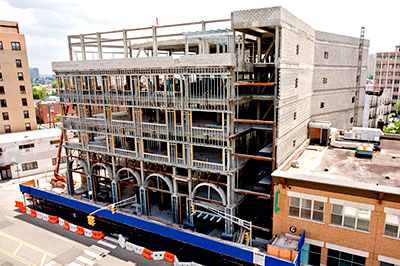
A commercial general contractor in New Jersey serves as the hub of your construction project. Their role includes:
-
Coordinating subcontractors and trades
-
Managing project schedules and budgets
-
Ensuring compliance with New Jersey building codes and safety standards
-
Handling permits and inspections
-
Delivering quality control and risk management
👉 Learn more about how we manage complex projects on our Services page.
Why Local Expertise in New Jersey Matters
Building in New Jersey comes with unique challenges: zoning laws, local union requirements, and varying municipal approvals. A local GC brings insider knowledge and trusted relationships with subcontractors and suppliers.
For example, the New Jersey Department of Community Affairs outlines building code enforcement standards that must be followed statewide. Having a GC who knows these processes ensures smoother execution and fewer costly delays.
Benefits of Hiring the Right Commercial General Contractor
When you choose an experienced New Jersey commercial general contractor, you gain:
-
Efficiency – streamlined communication and coordination
-
Cost savings – accurate estimating and value engineering
-
Quality control – critical attention to finishes, RFIs, and submittals
-
On-time delivery – minimizing downtime for businesses and tenants
👉 Explore some of our Completed Projects across New Jersey and the tri-state area.
How to Select the Right Contractor
When evaluating contractors for your project, look for:
-
Proven experience with commercial projects like yours
-
Strong client references and portfolio of work
-
Transparency in pricing and communication
-
Commitment to safety — backed by compliance with OSHA standards (OSHA Construction Safety)
Final Thoughts
Whether you’re planning an office renovation, retail fit-out, or ground-up development, hiring the right New Jersey commercial general contractor sets the foundation for success. With the right partner, your project will be built with precision, efficiency, and lasting quality.
👉 Ready to get started? Contact us today through our Contact Page.
How to Choose the Right General Contractor for Your Project
When you’re planning a construction or renovation project, choosing the right general contractor (GC) is one of the most important decisions you’ll make. The GC is your point person—the one responsible for managing subcontractors, ensuring quality, keeping schedules on track, and watching the budget. With so many options out there, it can be difficult to know who’s the right fit.
At Plescia Construction & Development, we’ve seen firsthand how the choice of contractor can make or break a project. Here’s what you should know before signing on the dotted line.
Why Size Matters: Small to Mid-Sized General Contractors
It’s easy to assume that the largest general contractors—those with flashy portfolios and dozens of ongoing projects—are the safest bet. But bigger isn’t always better. In fact, small to mid-sized contractors often bring significant advantages:
-
Personal Attention
With fewer projects on their plate, small and mid-sized GCs can devote more time and focus to your job. Instead of being one of many, your project is a priority. -
Direct Access to Leadership
With larger firms, you might deal primarily with project managers or coordinators, never the actual decision-makers. Smaller contractors, however, often give you direct access to the owner or senior leadership, which means quicker answers and better accountability. -
Proven Track Record in Your Niche
Many mid-sized GCs specialize in certain types of projects—commercial buildouts, renovations, or ground-up developments—making them highly skilled at the specific challenges you face. -
Flexibility & Problem-Solving
Smaller contractors tend to be more agile. They can pivot quickly when unexpected challenges arise, rather than being slowed down by layers of bureaucracy.
Questions to Ask Before Hiring a General Contractor
No matter the size of the contractor you choose, asking the right questions is key. Here are some areas to focus on:
-
Experience & Portfolio
-
What types of projects have you completed in the past five years?
-
Do you have experience with projects similar to mine in scope and complexity?
-
-
References & Reputation
-
Can you provide references from recent clients?
-
What do past clients say about your communication, timeliness, and quality of work?
-
-
Project Management Approach
-
Who will be my main point of contact day-to-day?
-
How do you handle scheduling, subcontractor coordination, and unexpected delays?
-
-
Financial Transparency
-
How do you structure your bids and contracts?
-
Will I have visibility into budget changes and cost tracking?
-
-
Safety & Quality Standards
-
What safety protocols do you enforce on site?
-
How do you ensure subcontractors meet your quality expectations?
-
The Bottom Line
Selecting the right commercial general contractor is less about choosing the biggest name and more about finding a team that fits your project’s needs. For many owners and developers, a small to mid-sized GC with a proven record of success offers the ideal balance of expertise, personal attention, and accountability.
By asking the right questions and focusing on proven experience, you’ll set your project up for success—and enjoy a smoother process from start to finish.
South Florida’s Commercial Construction Roller Coaster - Market Forecast
The COVID Surge — And The Initial Pullback
When the COVID‑19 pandemic struck in early 2020, much of the United States — including South Florida — braced for a downturn. Indeed, a 2020 Q4 market report for the Miami–Fort Lauderdale–West Palm Beach metro described commercial real‑estate conditions as weaker than the U.S. average: office occupancy and rent‑growth underperformed nationally; industrial vacancy rose even as “more construction [was] underway than nationally.” National Association of Realtors+2National Association of Realtors+2
For offices, the effect was particularly sharp. By 2021, the Class‑A office segment saw large sublease backlogs and negative net absorption. In the second quarter of 2021 alone, more than 270,000 sq ft was returned to the market, and sublease space rose from 1.6 million to over 2.2 million sq ft compared to the prior year. Newmark+1
However, even during that slump, leasing activity was recovering: by mid‑2021, leasing in the metro had risen by ~2.8 million sq ft versus the first half of 2020. Newmark Similarly, residential and multifamily occupancies proved more resilient — hinting at shifting demand patterns as work‑from‑home, remote work, and changing lifestyles gained traction. National Association of Realtors+2CRE Daily+2
In short: commercial construction and CRE (commercial real estate) took a blow under COVID, especially in office and hospitality sectors; at the same time, rising sublease inventories and caution dampened new-build momentum.
Recovery & Boom — Why the Tide Turned
Macro Factors: Migration, Population Growth, and New Demand
Since around 2022–2023, South Florida has begun a strong recovery — driven not only by economic rebound but also by demographic and business shifts. Many firms and high‑earners relocated from high-tax, high-cost metros to South Florida, drawn by climate, lifestyle — and increasingly, business‑friendly policies. Florida Realtors+2Florida Realtors+2
That influx translated into demand for office space, retail, industrial, and multifamily properties across the tri‑county region (Miami‑Dade, Broward, Palm Beach). According to the latest data, commercial real‑estate sales across these counties rose 36% in 2024 to a total of $12.5 billion — a robust rebound after the prior 2‑year slump. Miami Realtors+1
Across property types, gains were broad-based: multifamily, office, industrial, and retail all saw substantial increases. Miami Realtors+2Miami Realtors+2
Now, vacancy rates are below national averages in many segments, and asking rents are rising at a faster clip than most U.S. markets. Miami Realtors+2Miami Realtors+2
Spotlight on Key Cities
Fort Lauderdale
In 2025, Fort Lauderdale has re-emerged as a leading hub for commercial deals in Broward County. In Q1, the city recorded the largest commercial‑sales volume in the tri‑county region, buoyed by large office and multifamily trades. Miami Realtors
After years without major new office‑building deliveries, the momentum is returning. That recovery underscores renewed market confidence — as companies reassess remote‑work strategies, hybrid models, and evaluate South Florida as a base for operations.
Still, Fort Lauderdale’s recovery also reflects broader regional drivers: population inflows, relocation of firms, and rising multifamily demand — not just local factors.
Miami
Miami remains the powerhouse of South Florida’s commercial real‑estate market. In 2024, Miami‑Dade’s commercial sales reached $6.2 billion, up 24% from previous years — with strong performance especially in office, retail, and industrial sectors. Miami Realtors+2Miami Realtors+2
Office-market fundamentals have improved markedly: many tenants are signing new leases, fueling demand for high-quality space. Meanwhile, multifamily and retail segments are strong — driven by the influx of new residents, relocated professionals, and companies moving their headquarters or regional offices to Miami. The Real Deal+2CRE Daily+2
In short: Miami’s commercial construction and real‑estate market appear to be outperforming not just locally but against many national metros — a testament to South Florida’s growing appeal.
Boca Raton & Palm Beach County (West Palm / West + Surrounding)
Further north, in Palm Beach County — including Boca Raton and West Palm Beach — growth is accelerating. In 2024, commercial sales in Palm Beach County rose 44%. Miami Realtors+2Great Report+2
Office demand in downtown West Palm Beach especially has surged, driven by finance firms, hedge funds, wealth‑management firms, and new institutional tenants leasing Class A office space in the central business district (CBD). According to recent reports, vacancy in top-tier office buildings in West Palm is among the lowest in decades, with asking rents rising significantly. Great Report+2ChadMassaker.com+2
Retail and industrial sectors remain active as well, with recent data showing positive net absorption in the industrial segment despite new deliveries — evidence of underlying demand. Colliers+1
As for Boca Raton, while less public “headline building” activity has dominated than in Miami or Miami‑Broward, there is steady demand for office and commercial space, particularly among firms seeking alternatives to central‑city congestion. Some recent reports note significant leasing activity by companies in Boca — underlining that the suburban office market remains relevant even in a shifting CRE landscape. HERE Tallahassee+1
The Policy Tailwind: Tax Reform & Business-Friendly Laws
A major structural shift boosting commercial real‑estate in South Florida is the recent repeal of the state’s unique tax on commercial leases — a previously‑heavy burden for tenants and investors alike. As of October 1, 2025, the former “Business Rent Tax” was completely eliminated via legislation (House Bill 7031) signed by the governor. Walter Duke + Partners+3The Florida Senate+3South Florida Agent Magazine+3
For tenants — from large corporations to small businesses — this means significantly lower occupancy costs. Estimates suggest the repeal saves Florida businesses hundreds of millions annually, and creates a more level playing field with other U.S. states. CRE Daily+2Construction Florida+2
For landlords and developers, the change increases net-operating income (NOI), enhances property valuations, and improves the attractiveness of commercial real estate investments. Walter Duke + Partners+1
Moreover, the law removes what many considered a unique penalty on doing business in Florida — and by eliminating the tax on base rent and associated costs (management, CAM fees, insurance, etc.) — the repeal simplifies leasing and reduces hidden costs that previously deterred some tenants. South Florida Agent Magazine+2MyLandTrustee.com+2
In combination with Florida’s broader pro-business stance — no state income tax, favorable regulatory environment, and growing population — this reform reinforces South Florida’s appeal as a major commercial and corporate hub.
What It Means — Looking Forward
-
Sustained construction & investment momentum: With commercial sales rebounding and occupancy strong across office, retail, multifamily, and industrial sectors, the conditions are ripe for more construction and redevelopment — especially in urban cores like Miami, Fort Lauderdale, and West Palm.
-
Spillover to suburbs and secondary cities: As businesses seek space with lower costs and easier commuting, expect growth to spread beyond city centers to places like Boca Raton and suburban Broward & Palm Beach County.
-
Incentive for corporate relocation & headquarters migration: The elimination of commercial lease tax — combined with no personal income tax — makes South Florida particularly appealing for companies relocating from high‑tax states.
-
Potential pressure on rents: As more space becomes available, landlords may face pressure to balance rents and occupancy. But given strong demand, vacancy rates remain below national averages, suggesting long‑term stability.
In short: South Florida’s commercial‑construction market has transformed dramatically over the past five years. What once looked like a risky, post‑COVID gamble is fast becoming one of the most compelling growth stories in American real estate.
New Jersey Commercial Construction Forecast (2025–2026)
New Jersey’s commercial construction sector is entering a period of exceptional opportunity. The NJ Alliance for Action (NJAA) projects a staggering $57.6 billion in building-related spending across 2025 and 2026, marking a 5.17% increase over the previous commercial construction forecast NJBIA. This includes approximately $29.7 billion in 2025 and $28 billion in 2026 NJBIA. At the same time, the Associated Construction Contractors of New Jersey (ACCNJ) reports a 6% increase in total construction spending in 2024, with construction starts up 33% — far outpacing a 19% national decline Insider NJ Construction Owners.
Key Investment Areas Driving the Surge
A diverse array of sectors is catalyzing this momentum:
-
Utilities infrastructure — nearly $15.5 billion in water, sewer, gas, and electric capital projects
-
Healthcare — about $4.4 billion in hospital expansions and renovations
-
State-backed projects — $5.6 billion via the NJEDA
-
Port and transit infrastructure — $4.2 billion through the Port Authority of NY & NJ
-
Education — $1 billion in new school construction via the NJ Schools Development Authority
-
Highways and bridges — $2.2 billion in NJDOT improvements and $3.1 billion by NJ Turnpike Authority NJBIA
Mega-Projects Making Ground
The state’s skyline and infrastructure are being transformed by several landmark projects highlighted in the commercial construction forecast:
-
Portal North Bridge — Halfway complete, with the first track slated to open in March 2026
-
Raritan River Bridge — Replacement underway, promising improved reliability for the North Jersey Coast Line i
-
Essex Hudson Greenway — A nine-mile linear park is rising, with portions set to debut by late 2025
-
Helix innovation campus in New Brunswick — A $650 million mixed-use high-rise project, set for completion of the first phase in 2025
-
One Journal Square in Jersey City — A twin-tower marvel, topped out in 2024, with full completion expected by 2026
-
Entertainment/Film hubs — Netflix is launching a $1 billion production campus at Fort Monmouth, while Lionsgate is developing a $125 million studio in Newark
Challenges to Watch
No growth comes without hurdles. Tariffs on steel, aluminum, and other building materials are inflating costs across the value chain. In one Newark project, steel costs have surged 8–10%, adding nearly $2 million to budgets Business Insider. As a result, many developers are adopting conservative timelines or delaying projects amid uncertainty over future tariffs Business Insider.
Simultaneously, the industrial real estate market is experiencing rising vacancies. In northern New Jersey, vacancy rates reached 6% by end-2024, up from 4.7% at end-2023, due in part to nearly 12 million square feet of new inventory — much delivered vacant Real Estate NJ. However, with fewer planned deliveries after 2025, the sector may stabilize Real Estate NJ.
Forecast Summary Table
| Factor | Outlook |
|---|---|
| Total Spend | $29.7B (2025), $28B (2026) — record highs predicted |
| Growth Drivers | Utilities, healthcare, state-backed, transportation |
| Mega Projects | Portal North Bridge, Helix, One Journal Square, film hubs |
| Cost Pressures | Tariffs causing material cost increases |
| Market Dynamics | Industrial segment facing vacancy headwinds |
What This Means for Plescia Construction & Development
As one of New Jersey’s trusted builders and developers, Plescia stands at the pulse of opportunity:
-
Leverage Infrastructure Momentum
Projects like Portal North Bridge, Raritan River Bridge, and the Essex Hudson Greenway offer prime opportunities for involvement across trades—from structural to civil works. -
Capitalize on Growth in Innovation & Media
The Helix campus in New Brunswick and film production campuses in Fort Monmouth and Newark spotlight emerging sectors with substantial budgets and long-term potential. -
Navigate Cost Pressures Strategically
With tariffs still affecting materials pricing, building financial resilience—like negotiating fixed-cost contracts or securing early material procurement—will be key to project profitability. -
Monitor Industrial Real Estate Trends
Rising industrial vacancies suggest caution. Prioritize quality over volume—target tenant-ready, flexible industrial spaces aligned with logistics and distribution demand to ensure occupancy.
Conclusion
According to the commercial construction forecast, New Jersey’s construction sector is in a robust growth phase, with record spending, mega-scale projects, and diverse sector engagement. Despite cost headwinds and market shifts, the outlook through 2026 remains bullish.
For Plescia Construction & Development, this is a time to boldly lead, strategically navigate, and innovate—cementing its role in shaping New Jersey’s commercial future.
- Craig Plescia, CEO
Plescia Construction & Development
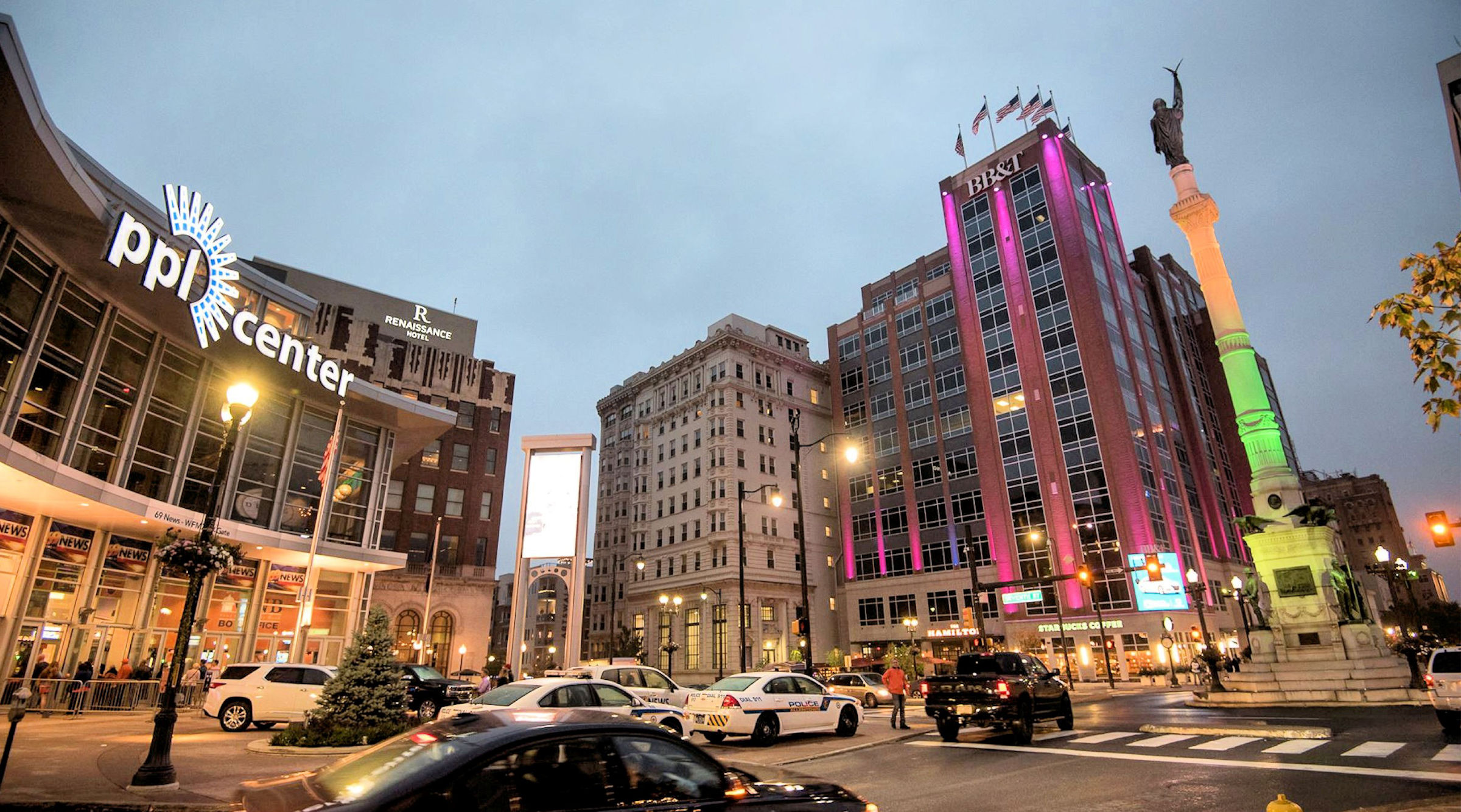
Commercial General Contractor Allentown PA
Reliable Commercial Construction in Allentown
Allentown’s growing business districts demand skilled construction management and precise execution. Plescia Construction delivers high-quality commercial projects throughout neighborhoods like Center City, Trexler, and West End.
Local Construction Challenges
Construction in Allentown requires navigating older buildings, strict historic preservation rules, and seasonal weather concerns. (Lehigh Valley Live) Stormwater management and flood mitigation are critical for developments near the Lehigh River. (Allentown City Planning) Tight urban sites in Center City require careful staging and logistics planning to minimize disruptions.
Commercial Construction Services in Allentown
Plescia Construction specializes in:
-
Retail store build-outs and renovations
-
Office and corporate interiors
-
Restaurants and hospitality spaces
-
Medical and healthcare tenant improvements
-
Industrial and warehouse upgrades
-
Mixed-use commercial developments
-
Fast-track interior build-outs
-
High-end tenant renovations
All projects are managed with clear communication, disciplined scheduling, and reliable subcontractor coordination.
Local Supplier and Neighborhood Coordination
We partner with regional suppliers such as Lehigh Valley Lumber, Eastern Pennsylvania Steel, and Allentown Concrete Supply. Proximity to Center City, West End, and Trexler ensures timely deliveries and reduced downtime.
Construction projects in downtown Allentown, Whitehall, and South Side neighborhoods require specialized traffic, parking, and pedestrian planning.
Construction Management Expertise
Plescia Construction manages complex projects with focus on:
-
On-time, on-budget project delivery
-
Coordination with city inspectors and permitting agencies
-
Efficient logistics in tight urban sites
-
Risk mitigation for seasonal weather and flood zones
Our structured management approach keeps commercial projects on track across Allentown and surrounding Lehigh Valley areas.
Start Your Allentown Commercial Project
For retail, office, hospitality, or mixed-use construction in Allentown, PA, contact:
Info@Plescia-CD.com
Plescia Construction provides expert, efficient, and reliable commercial construction services throughout Allentown and nearby neighborhoods.
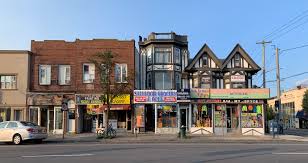
Commercial General Contractor Hicksville
Reliable Commercial Construction in Hicksville
Hicksville’s commercial corridors demand precise planning, skilled execution, and efficient scheduling. Plescia Construction serves neighborhoods like East Nichol’s, Broadway, and Old Country Road areas.
Local Construction Challenges
Construction in Hicksville faces strict Nassau County zoning, traffic congestion along Broadway, and stormwater management requirements. (Newsday) Projects must comply with county building codes and accessibility standards. (Nassau County Planning) Urban sites often require careful staging, delivery planning, and tenant coordination to minimize operational disruption.
Commercial Construction Services in Hicksville
Plescia Construction specializes in:
-
Retail build-outs and renovations
-
Office and corporate interior spaces
-
Restaurant and hospitality construction
-
Medical and healthcare tenant improvements
-
Industrial and warehouse upgrades
-
Mixed-use commercial developments
-
Fast-track interior projects
-
High-end tenant renovations
We ensure disciplined scheduling, clear communication, and strong subcontractor coordination for every project.
Local Supplier and Neighborhood Coordination
We partner with trusted suppliers like Long Island Lumber, Hicksville Building Materials, and Nassau Steel Supply. Proximity to Broadway, Old Country Road, and nearby business parks ensures timely deliveries.
Projects in downtown Hicksville, East Nichol’s, and surrounding commercial zones require detailed planning to reduce traffic, pedestrian, and tenant disruptions.
Construction Management Expertise
Plescia Construction delivers:
-
On-time, on-budget project completion
-
Coordination with inspectors and permitting agencies
-
Efficient logistics in high-traffic or restricted sites
-
Risk mitigation for seasonal weather and storm events
Our structured management approach keeps Hicksville commercial projects on schedule and within budget.
Start Your Hicksville Commercial Project
For retail, office, hospitality, or mixed-use construction in Hicksville, NY, contact:
PlesciaNY@Plescia-CD.com
Plescia Construction provides reliable, efficient, and expert commercial construction services throughout Hicksville and surrounding Nassau County neighborhoods.
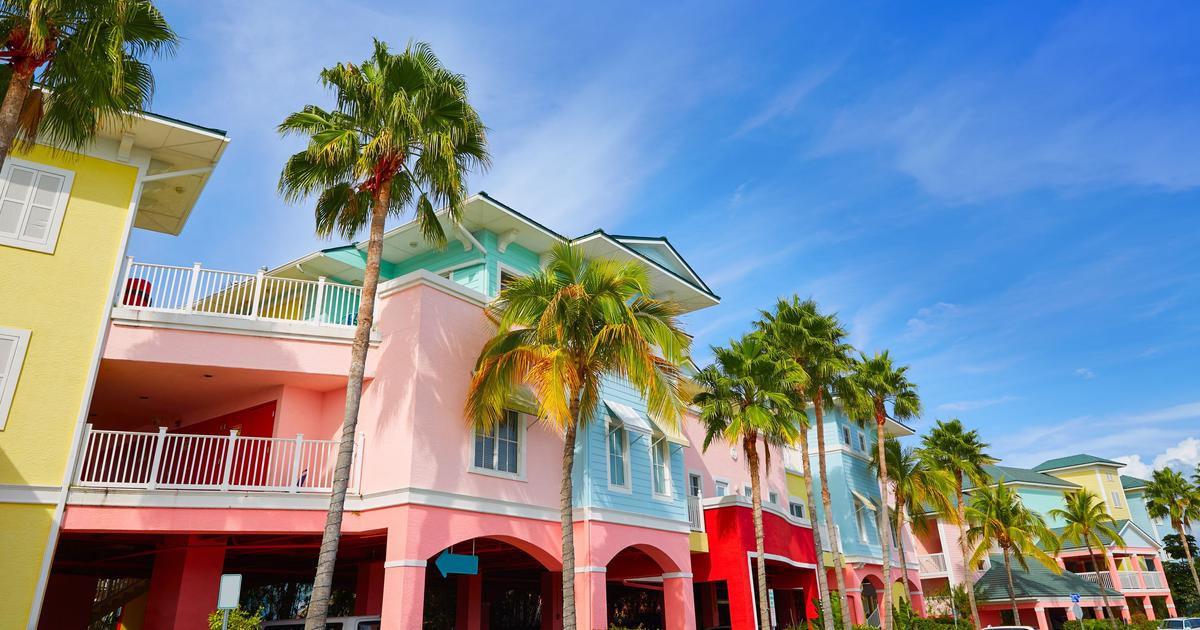
Commercial General Contractor Fort Meyers Florida
Reliable Commercial Construction for Fort Myers Businesses
Fort Myers continues expanding through retail growth, mixed-use development, and medical facility upgrades. Plescia Construction supports this momentum with dependable commercial general contracting and construction management. We work across neighborhoods like Gateway, McGregor, Edison Park, and the rapidly developing Colonial Boulevard corridor.
Local Construction Challenges in Fort Myers
Fort Myers faces unique concerns related to storm resilience, coastal climate, and rapid regional growth. Recent articles from WINK News and The News-Press highlight stricter building expectations after major storm seasons. These updates often affect roofing systems, flood zone requirements, and permitting timelines.
Commercial districts near US-41 and Daniels Parkway also face increasing traffic and delivery constraints. We plan logistics carefully to maintain schedules and reduce operational disruptions for nearby tenants and businesses. Coastal humidity and salt exposure require thoughtful material selection, particularly for exterior assemblies and mechanical systems.
Our Commercial Construction Services
Plescia Construction manages many commercial project types across Fort Myers, including:
-
Retail store buildouts
-
Professional and corporate office interiors
-
Restaurant and hospitality spaces
-
Healthcare and medical tenant improvements
-
Industrial and light warehouse upgrades
-
Mixed-use tenant spaces
-
Multi-location retail rollouts
-
Fast-track commercial interiors
Every project benefits from detailed planning, direct communication, and disciplined schedule control.
Supporting Fort Myers With Trusted Local Suppliers
Our work relies on consistent support from regional suppliers such as Raymond Building Supply, Coastal Concrete Products, and Roof Mart. Their locations near North Fort Myers, Tice, and Estero keep material lead times tight and allow for steady jobsite delivery coordination.
We also work around major commercial centers including Bell Tower Shops, Gulf Coast Town Center, and the downtown Fort Myers River District. Each area brings unique constraints related to traffic, pedestrian activity, and municipal guidelines.
Construction Management Built for Southwest Florida
Fort Myers continues evolving through strong population growth and steady commercial demand. Plescia Construction supports this growth with structured construction management focused on schedule accuracy, subcontractor alignment, and clear milestones.
Our field teams coordinate closely with inspectors, property managers, and local agencies to reduce delays. We prepare for seasonal weather risks and maintain flexible sequencing to protect project timelines during heavy rainfall periods.
Start Your Fort Myers Commercial Project
Plescia Construction delivers organized, efficient, and dependable commercial construction services throughout Fort Myers. For project inquiries or bid requests, contact:
PlesciaFL@Plescia-CD.com