



Plescia Construction & Development is a commercial general contractor and construction management firm building across the Commonwealth of Massachusetts. The state is one of the country’s densest concentrations of universities, hospitals, and life-sciences companies, and it layers some of the nation’s most demanding energy, accessibility, and wetlands rules on top of an old, tightly built landscape. We plan and build to what that combination demands, coordinated through our New York City office.
Commercial Construction Across Massachusetts
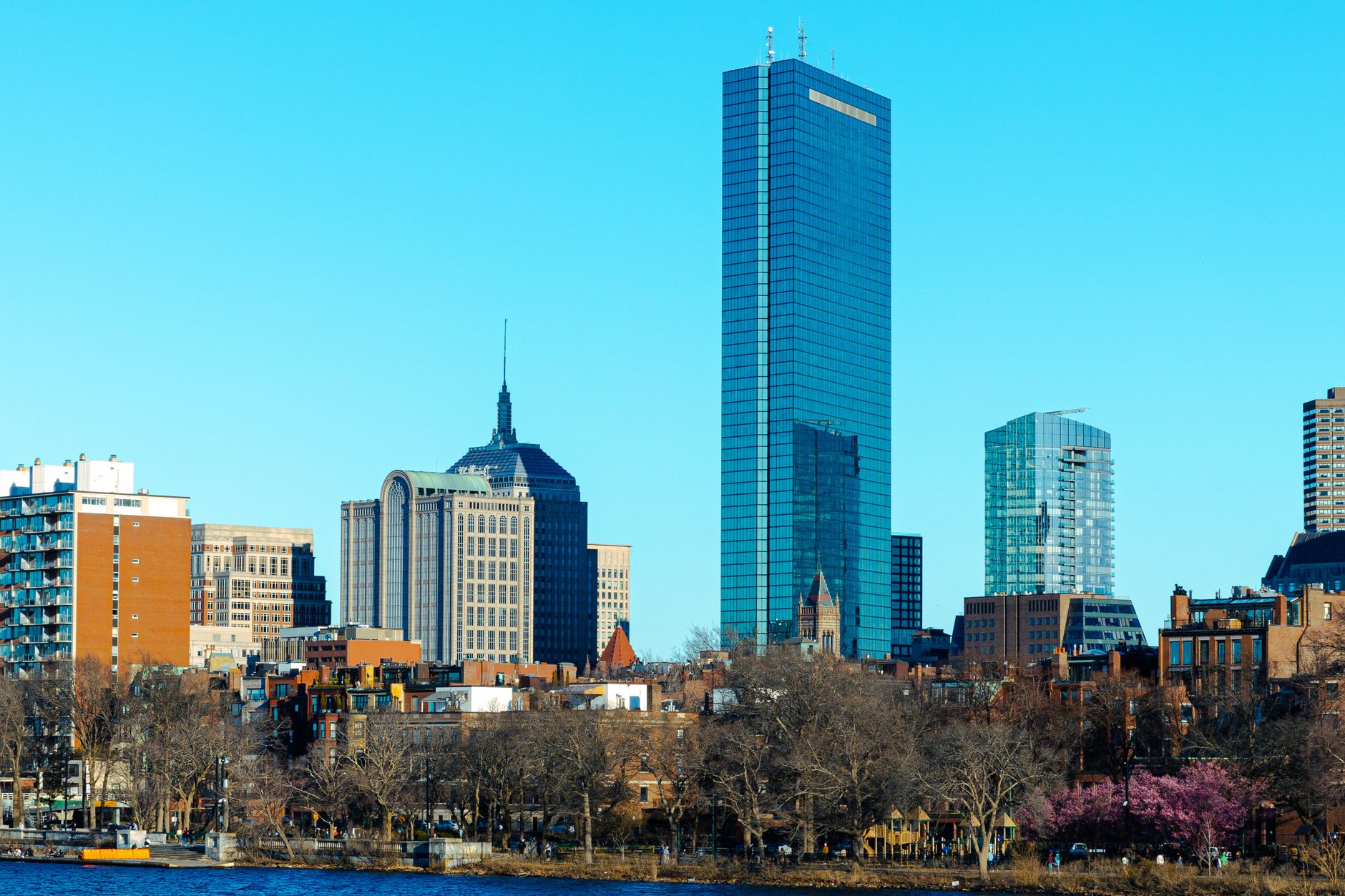
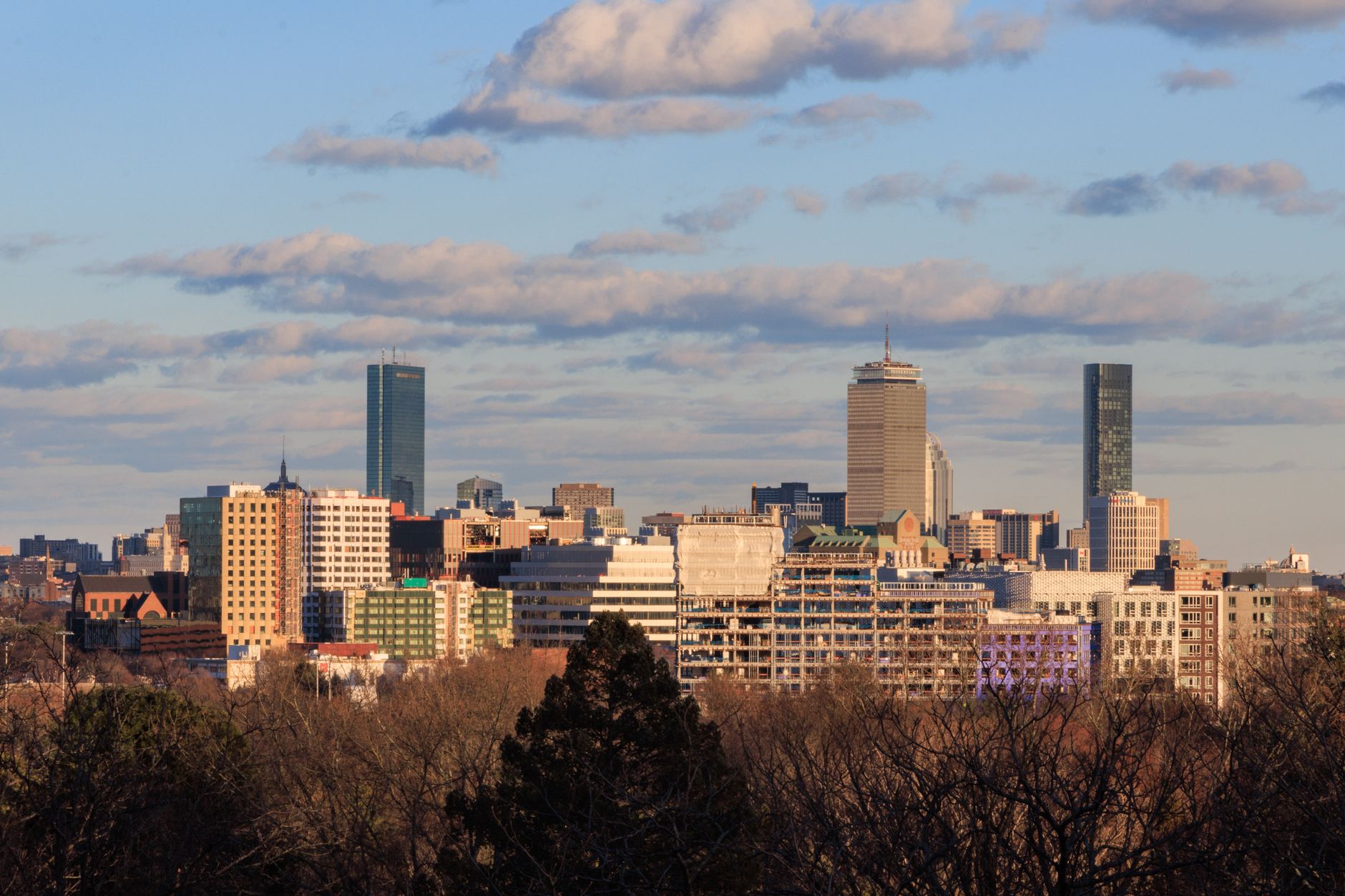
Massachusetts’ economy rests on knowledge industries. Boston and Cambridge anchor a life-sciences, biotech, and healthcare cluster that continues to drive lab and office conversion; Route 128 and I-495 carry research, technology, and corporate campuses; the state’s universities and academic medical centers generate steady institutional work; and Worcester, Springfield, and the mill cities offer adaptive reuse on a large scale. Tourism on Cape Cod and the islands and the working ports of the South Coast round out the picture. Our Massachusetts work spans:
- Life sciences, lab, and research — lab fit-outs, vivarium-adjacent space, and conversions of office and industrial buildings to lab use;
- Healthcare and institutional — clinical, medical-office, and campus space for hospitals, universities, and schools;
- Office, corporate, and technology — build-outs and tenant improvements in Boston, Cambridge, and the suburban corridors;
- Retail, restaurant, and hospitality — storefronts, restaurants, hotels, and tourism work from the city to the Cape;
- Adaptive reuse and mixed-use — historic mills and industrial buildings converted for modern commercial use.
Markets We Serve
We work statewide, including Boston; Cambridge; Worcester and Central Massachusetts; Springfield and the Pioneer Valley; the mill city of Lowell; and the South Coast port of New Bedford.
Codes, Permitting, and Review in Massachusetts
Massachusetts builds under the Massachusetts State Building Code (780 CMR), which is based on the International Building Code with Massachusetts amendments and enforced by local building commissioners. On top of it sit energy, accessibility, wetlands, and large-project review requirements that make early coordination essential, especially in Boston and Cambridge.
Several requirements shape commercial work here:
- The Massachusetts State Building Code (780 CMR) — the statewide code, enforced by each municipality’s building department, with fire and life-safety review through local fire officials and the state fire marshal;
- Stretch and specialized energy codes — most communities have adopted the Stretch Energy Code, and a growing number have opted into the Specialized Code, raising energy-performance requirements for new commercial construction;
- Accessibility — the Massachusetts Architectural Access Board regulations (521 CMR) apply in addition to federal ADA requirements and can be stricter;
- Wetlands and environmental review — the Wetlands Protection Act and local conservation commissions, with MEPA review for larger projects;
- Boston and Cambridge review — Boston’s Article 80 large-project review, design and zoning approvals, and Cambridge’s local ordinances add time to dense urban sites.
Engaging these early is the most effective way to keep a Massachusetts project on schedule.
How We Manage Projects Across Massachusetts
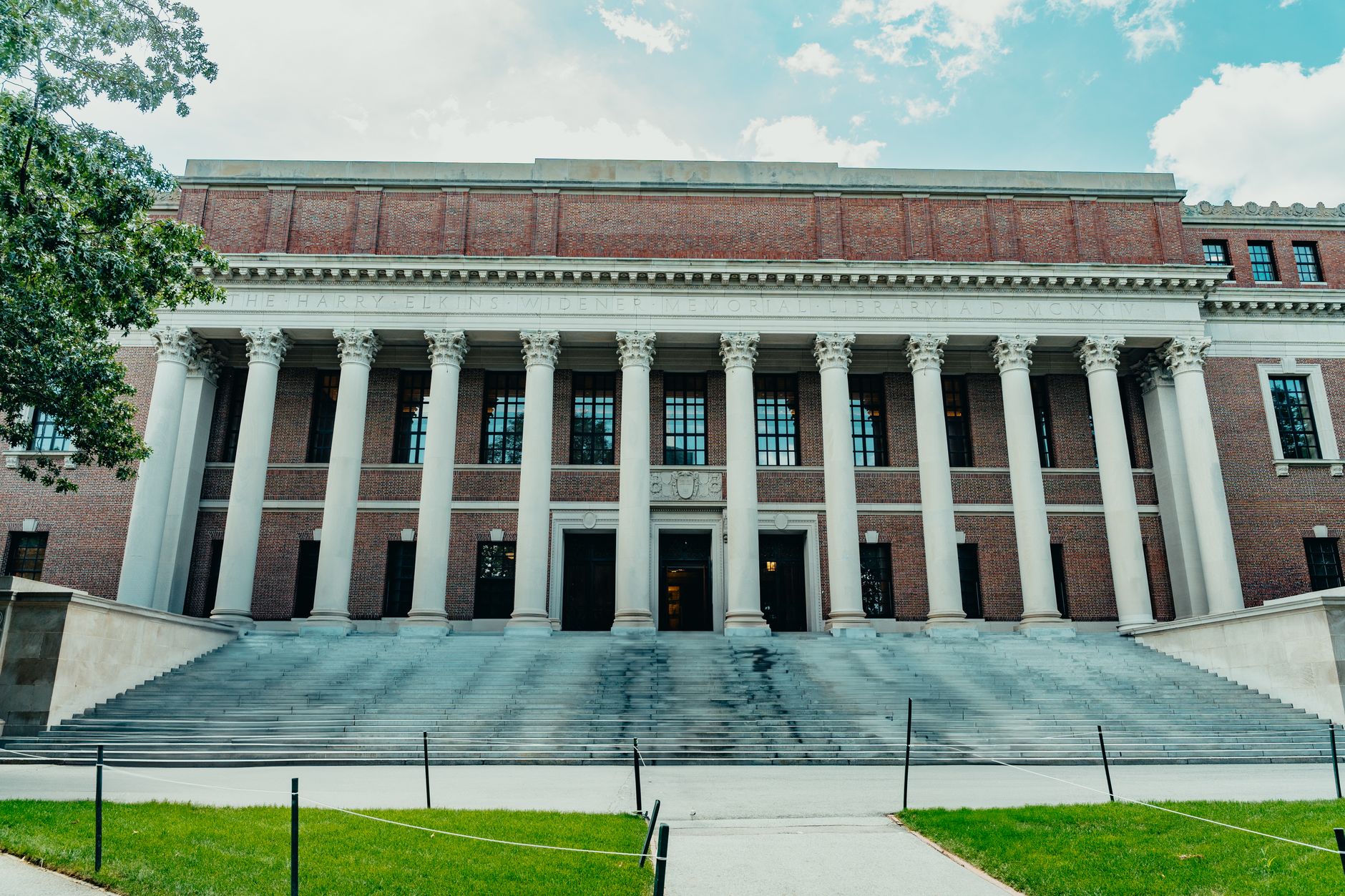
Building in Massachusetts means working in tight, historic, and occupied environments: narrow Boston streets, buildings that predate modern codes, and winters that compress the exterior season. We plan logistics, phasing, and protection around those realities, coordinate energy-code and accessibility compliance early, and carry every job through a single point of accountability for the schedule, the budget, and the safety plan.
Representative Commercial Work
Plescia’s portfolio spans corporate, institutional, life-science-adjacent, retail, and hospitality construction across the Northeast and beyond. While every market has its own specifics, the discipline is the same one we bring to our New York and New Jersey work, and we’re glad to walk prospective Massachusetts clients through relevant past projects in an initial conversation.
A Commercial General Contractor in the Northeast
Plescia’s New York City office, together with our New Jersey headquarters, gives us a Northeast corridor presence that supports Massachusetts projects with the same team, standards, and accountability we bring to every market. Whether you’re converting space to lab, building a campus facility, or renovating a downtown property, we’d welcome the conversation.
Frequently Asked Questions
Which parts of Massachusetts does Plescia serve?
We serve the whole Commonwealth, including Boston and Cambridge, the Route 128 and I-495 corridors, Worcester and Central Massachusetts, Springfield and the Pioneer Valley, Lowell, and the South Coast.
What types of commercial projects does Plescia build in Massachusetts?
We build life-sciences and lab space, healthcare and institutional facilities, office and technology space, retail and hospitality, and adaptive-reuse and mixed-use projects, as ground-up construction, fit-outs, and renovations.
How does the Massachusetts State Building Code affect a commercial project?
The state code (780 CMR) is enforced locally and works alongside the Stretch Energy Code, accessibility rules from the Architectural Access Board, and wetlands review. We identify each requirement early and build compliance into design, permitting, and the schedule.
What extra review do Boston and Cambridge projects face?
Large Boston projects can fall under Article 80 development review, and both cities add zoning, design, and local ordinance review that can lengthen approvals on dense urban sites. We plan those steps into the schedule from the beginning.
Does Plescia have a presence in the Northeast?
Massachusetts projects are supported from our New York City office and New Jersey headquarters, with the same project team and single point of accountability we bring to every market.