


Adaptive Reuse in Fort Lauderdale: Costs, Challenges, and What Developers Need to Know
Fort Lauderdale is rapidly evolving, with continued population growth, strong demand for housing, and increasing pressure on available land. As development sites become more limited and construction costs rise, adaptive reuse is emerging as a strategic solution for property owners and developers across South Florida.
From aging office buildings and retail centers to hotels and waterfront properties, adaptive reuse in Fort Lauderdale offers a path to reposition underperforming assets into higher-value uses. However, these projects come with unique construction, regulatory, and environmental considerations.
Why Adaptive Reuse Is Growing in Fort Lauderdale
Several local factors are driving adaptive reuse activity:
- Rising land and construction costs across Broward County
- Strong demand for multifamily, hospitality, and mixed use developments
- Influx of residents and businesses relocating to South Florida
- Limited availability of prime development sites
- Opportunity to reposition outdated properties in high-demand areas
In many cases, adaptive reuse allows developers to move faster than ground up construction while maximizing the value of existing structures.
Common Adaptive Reuse Opportunities in Fort Lauderdale
Typical projects in the area include:
- Office to residential or hospitality conversions
- Older retail centers redeveloped into mixed use properties
- Hotels repositioned or upgraded for new branding and use
- Waterfront properties converted into higher-end residential or boutique hospitality
- Industrial buildings adapted for creative office or retail
Each asset type presents different construction and regulatory challenges.
Key Construction Challenges
Adaptive reuse in South Florida requires careful planning due to environmental conditions, building age, and local codes.
1. Hurricane and Wind Load Requirements
Florida has some of the strictest building codes in the country due to hurricane risk.
- Existing structures may not meet current wind load requirements
- Window and façade upgrades are often required
- Roof systems frequently need reinforcement or replacement
Bringing older buildings up to current code can significantly impact project costs.
2. Flood Zones and Elevation
Many Fort Lauderdale properties are located in flood-prone areas.
- FEMA flood zone requirements may trigger elevation or floodproofing work
- Mechanical and electrical systems may need to be raised
- Ground floor uses may be restricted or require redesign
Flood mitigation is a critical factor in both design and construction.
3. Existing Building Conditions
As with any adaptive reuse project, unknown conditions are a major risk:
- Aging structural systems
- Outdated MEP infrastructure
- Deferred maintenance
- Hazardous materials such as mold or asbestos
Thorough due diligence and exploratory demolition are essential early steps.
4. MEP System Upgrades
South Florida’s climate puts additional strain on building systems:
- HVAC systems must handle high humidity and heat loads
- Electrical upgrades are often required for modern uses
- Plumbing systems may need full replacement depending on layout changes
Energy efficiency and moisture control are especially important in this region.
5. Code Compliance and Change of Use
Changing a building’s use can trigger major code upgrades:
- Fire protection and life safety systems
- ADA accessibility compliance
- Energy code requirements
- Parking and zoning adjustments
Local municipalities in Broward County can have varying requirements, making local experience critical.
Typical Costs for Adaptive Reuse in Fort Lauderdale
Costs vary depending on building type, location, and scope of work.
General Cost Ranges
- Light reuse with minimal upgrades: $150 to $275 per square foot
- Moderate reuse with system upgrades: $275 to $425 per square foot
- Heavy reuse with structural, façade, and full system replacement: $425 to $750+ per square foot
Major Cost Drivers
- Hurricane code compliance upgrades
- Roof and façade improvements
- HVAC systems designed for high humidity environments
- Flood mitigation and elevation work
- Structural reinforcement
- Interior buildout and finishes
Soft costs such as permitting, design, and insurance should also be factored into early budgets.
Risks to Watch From a General Contractor Perspective
A general contractor experienced in South Florida construction will focus on these key risks:
Environmental Exposure
Moisture intrusion, corrosion, and mold are more common in coastal climates and must be proactively addressed.
Permitting and Local Regulations
Municipal approval processes can vary significantly. Early coordination with local authorities helps avoid delays.
Budget Uncertainty
Older buildings often require more upgrades than initially expected. Contingency planning is critical.
Insurance and Compliance
Florida’s insurance environment and building requirements can impact both cost and schedule.
What to Look for in a General Contractor
Adaptive reuse in Fort Lauderdale requires regional expertise. Look for a contractor who has:
- Experience with South Florida building codes and hurricane requirements
- Strong preconstruction and cost planning capabilities
- Proven track record with renovation and conversion projects
- Ability to manage complex MEP and structural upgrades
- Experience working in coastal and flood-prone environments
A contractor should be involved early to assess feasibility, identify risks, and guide budgeting decisions.
Final Thoughts
Adaptive reuse in Fort Lauderdale presents a significant opportunity for developers looking to reposition existing assets in a high-growth market. With the right approach, these projects can deliver strong returns while avoiding the challenges of ground up construction.
However, success depends on understanding local conditions, planning for environmental and code requirements, and working with a general contractor who knows how to navigate the complexities of building in South Florida.

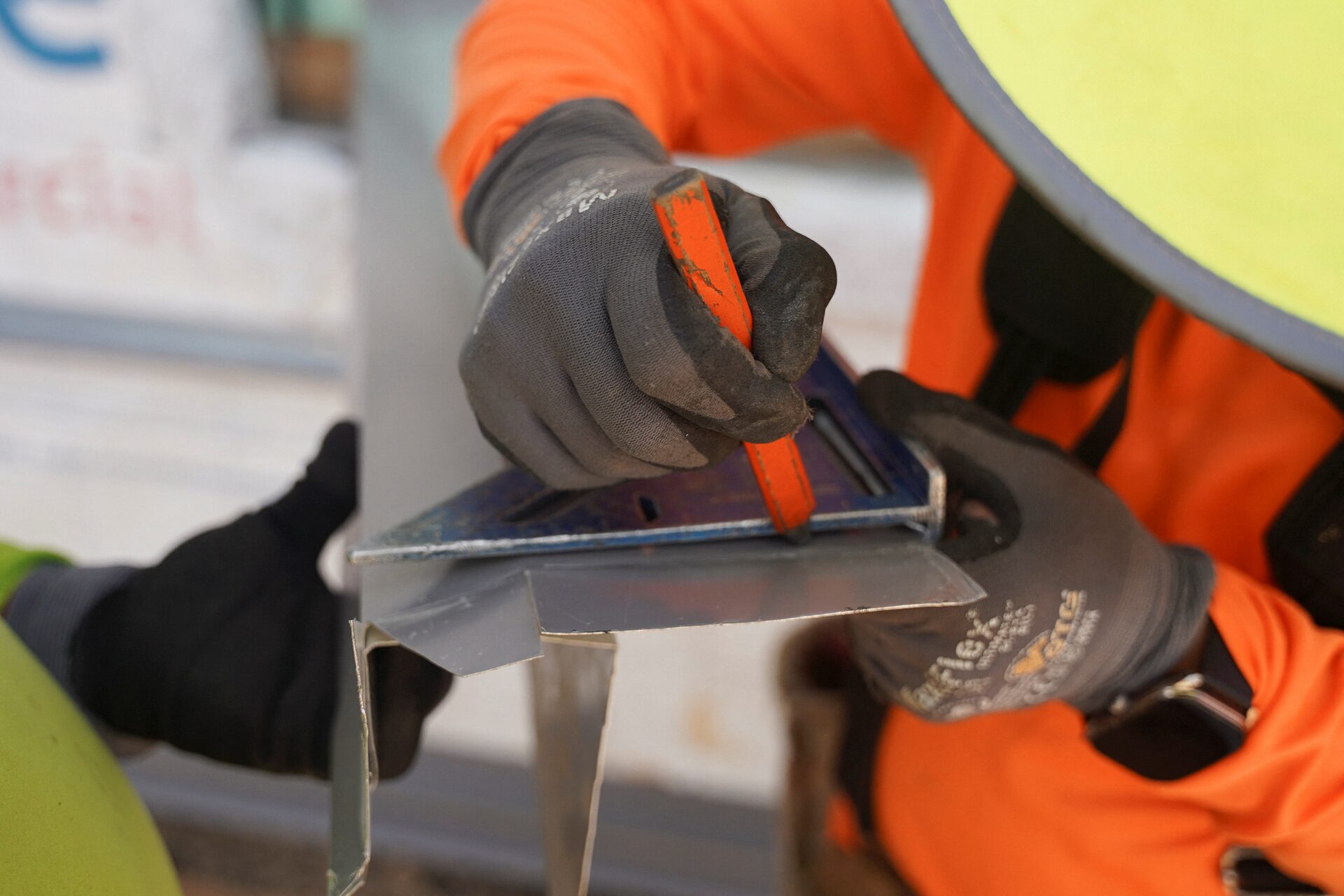
Commercial General Contractor in the East Village, NYC: Managing Construction in a Dense Urban Neighborhood
Commercial General Contractor in the East Village, NYC: Managing Construction in a Dense Urban Neighborhood
The East Village in Manhattan is one of New York City’s most active and evolving neighborhoods for commercial construction. Known for its mix of historic walk-ups, vibrant restaurant scene, boutique retail, and growing creative office presence, the area continues to see steady development and renovation. From Avenue A to Third Avenue and along St. Mark’s Place, working with an experienced Commercial General Contractor in the East Village, NYC is essential for delivering projects efficiently while navigating strict city regulations and challenging urban conditions.
Commercial construction in the East Village is often focused on tenant buildouts, renovations, and adaptive reuse projects within existing buildings.
The Role of a Commercial General Contractor in the East Village
A commercial general contractor manages the construction phase of a project from mobilization through completion. While architects and engineers develop the design, the contractor coordinates subcontractors, materials, scheduling, and jobsite operations.
Typical responsibilities include:
Project scheduling and construction planning
Coordination of subcontractors and specialty trades
Material procurement and delivery logistics
On-site supervision and quality control
Safety compliance and inspections
Budget management and schedule tracking
In the East Village, contractors must also work within tight spaces and occupied buildings, requiring detailed planning and coordination.
NYC Permitting and Regulatory Requirements
Commercial construction in the East Village must comply with regulations from the New York City Department of Buildings (DOB) and, depending on the project, other agencies such as the FDNY.
A Commercial General Contractor in the East Village helps manage:
DOB filings and permit approvals
Construction inspections and sign-offs
Fire Department compliance
After-hours work permits when required
Local Law compliance for energy and safety
Proper handling of permits and inspections is critical to avoiding delays and stop-work orders.
Restaurant and Hospitality Construction
The East Village is known for its dense concentration of restaurants, bars, and cafés. As a result, commercial construction frequently involves hospitality buildouts and renovations.
Common projects include:
Restaurant and bar buildouts
Commercial kitchen installations
Café and quick-service spaces
Hospitality renovations and upgrades
These projects often require tight timelines tied to lease agreements and business openings.
Retail and Boutique Storefront Development
The neighborhood’s retail landscape includes small shops, specialty stores, and service-based businesses. Commercial construction projects often focus on transforming existing spaces to meet new tenant needs.
Projects may include:
Retail storefront buildouts
Interior renovations and reconfigurations
Façade improvements and signage installations
Work must often be completed while maintaining the character of the surrounding streetscape.
Adaptive Reuse and Building Renovations
Most buildings in the East Village are older structures, making renovation and adaptive reuse a major part of the construction market.
Construction projects may involve:
Structural upgrades and reinforcement
Modernization of mechanical, electrical, and plumbing systems
Energy efficiency improvements
Compliance with current building codes
These projects require careful coordination due to existing building conditions and limited access.
Urban Logistics and Site Constraints
Construction in the East Village presents logistical challenges due to narrow streets, limited staging areas, and heavy pedestrian activity.
A commercial general contractor must coordinate:
Material deliveries in congested areas
Limited on-site storage
Sidewalk protection and scaffolding
Noise and work-hour restrictions
Pedestrian and neighbor safety planning
Efficient logistics planning is essential to keep projects moving.
Preconstruction Planning in a High-Cost Market
Manhattan construction costs are among the highest in the country, making preconstruction planning a critical step.
Preconstruction services often include:
Detailed cost estimating
Value engineering recommendations
Constructability reviews
Scheduling based on building and city constraints
Procurement planning for long-lead materials
Early planning helps reduce risk and improve overall project outcomes.
Labor and Trade Coordination
Construction in Manhattan often involves union labor and highly specialized trades. Coordinating these teams effectively is key to maintaining schedules.
An experienced contractor manages:
Trade sequencing and coordination
Union labor requirements
After-hours or off-hours work when needed
Subcontractor prequalification
Strong coordination helps prevent delays in complex urban projects.
Safety and Quality Oversight
Maintaining safety and quality is critical in a dense residential and commercial environment like the East Village.
Key responsibilities include:
OSHA safety compliance
Site safety planning and supervision
Quality control inspections
Detailed documentation and reporting
Consistent oversight ensures projects meet both regulatory standards and client expectations.
Final Thoughts
The East Village remains one of Manhattan’s most active neighborhoods for commercial renovation and small-scale development. With its mix of hospitality, retail, and creative spaces, construction projects must be carefully managed to meet both business needs and city requirements.
An experienced Commercial General Contractor in the East Village, NYC provides the planning, coordination, and expertise needed to successfully deliver projects in this complex environment. Through detailed preconstruction planning, regulatory knowledge, and hands-on management, commercial construction in the East Village can be completed efficiently while supporting the neighborhood’s continued evolution.
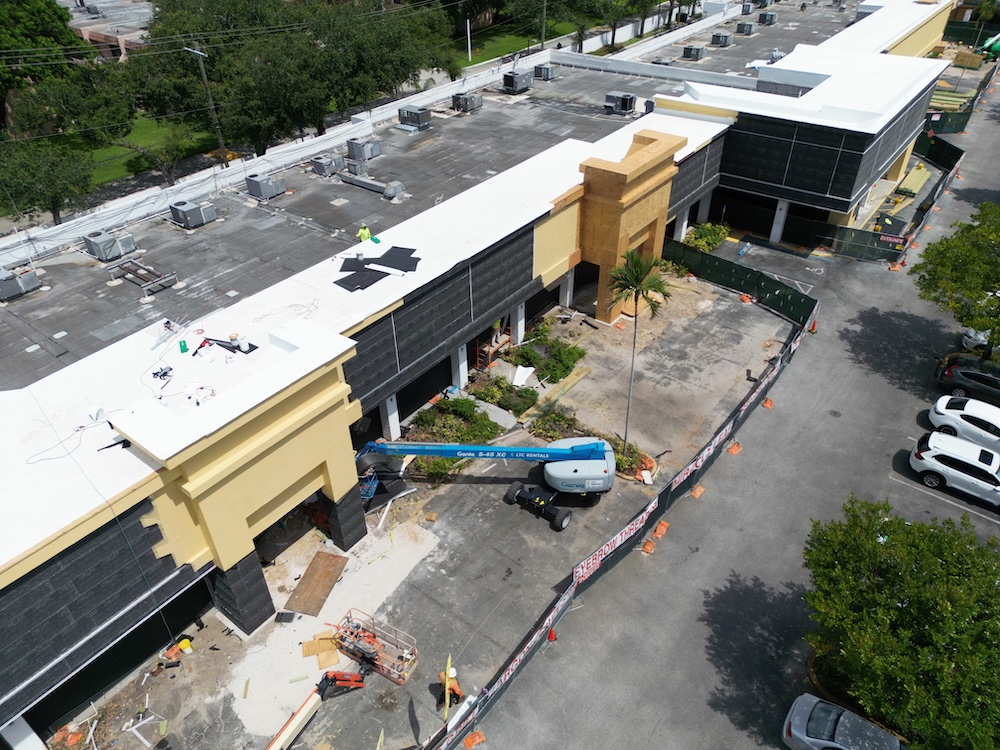
Commercial General Contractor in Port St. Lucie, FL: Managing Construction in One of Florida’s Fastest-Growing Cities
Commercial General Contractor in Port St. Lucie, FL: Managing Construction in One of Florida’s Fastest-Growing Cities
Port St. Lucie, Florida has become one of the fastest-growing cities in the state, driven by population growth, healthcare expansion, and increasing demand for retail and commercial services. Located along Florida’s Treasure Coast, the city continues to see development across major corridors like U.S. 1, St. Lucie West, and I-95. In this environment, working with an experienced Commercial General Contractor in Port St. Lucie, FL is essential for delivering projects efficiently while navigating local permitting, coastal considerations, and rapid market growth.
Commercial construction in Port St. Lucie spans healthcare facilities, retail centers, office buildings, and mixed-use developments that support both residents and businesses moving into the region.
The Role of a Commercial General Contractor in Port St. Lucie
A commercial general contractor manages the construction phase of a project from initial sitework through final completion. While architects and engineers design the project, the contractor oversees execution by coordinating trades, materials, schedules, and on-site operations.
Typical responsibilities include:
Project scheduling and construction planning
Coordination of subcontractors and specialty trades
Material procurement and logistics management
On-site supervision and quality control
Safety compliance and inspections
Budget management and schedule tracking
In a high-growth market like Port St. Lucie, contractors must also adapt to fast-paced development timelines and evolving project demands.
Permitting and Development in Port St. Lucie
Commercial construction projects must coordinate with the City of Port St. Lucie Building Department, as well as St. Lucie County depending on project location.
A Commercial General Contractor in Port St. Lucie, FL helps manage:
Building permit applications and plan review
Zoning and land use approvals
Fire and life safety inspections
Utility and infrastructure coordination
Efficient permit management is key to maintaining schedules in a rapidly expanding market.
Growth in St. Lucie West and Tradition
Areas such as St. Lucie West and Tradition have become focal points for commercial development in Port St. Lucie. These master-planned communities continue to attract retail, healthcare, and office projects.
Commercial construction in these areas often includes:
Retail centers and restaurants
Medical office buildings
Corporate and professional office spaces
Mixed-use developments
These projects support both residential growth and new business activity.
Healthcare and Medical Facility Expansion
Healthcare construction is a major driver in Port St. Lucie, as providers expand to meet the needs of a growing population.
Projects in this sector may include:
Medical office buildings
Outpatient clinics and urgent care centers
Specialized healthcare facilities
Healthcare renovations and expansions
These projects require coordination of advanced mechanical systems and strict life safety compliance.
Retail and Commercial Corridor Development
Major roadways such as U.S. 1, Crosstown Parkway, and Gatlin Boulevard continue to see retail and commercial expansion.
Common projects include:
Retail storefront construction
Restaurant and hospitality buildouts
Shopping centers and plazas
Service-based commercial spaces
These developments are essential for supporting the city’s growing population.
Coastal and Environmental Considerations
Although slightly inland from the Atlantic, Port St. Lucie is still influenced by coastal conditions and Florida’s environmental regulations.
Projects must account for:
Hurricane-resistant construction standards
Stormwater management systems
Flood zone considerations in certain areas
Compliance with the Florida Building Code
Planning for these conditions helps ensure long-term building performance.
Industrial and Logistics Development
Port St. Lucie’s proximity to I-95 and Florida’s Turnpike supports continued growth in industrial and logistics construction.
Projects in this sector may include:
Warehouse and distribution facilities
Light industrial buildings
Large-scale site development
Utility and infrastructure integration
These projects require detailed coordination due to their scale and operational requirements.
Preconstruction Planning and Cost Management
Preconstruction planning is essential in a market experiencing rapid growth and shifting demand.
Preconstruction services often include:
Preliminary cost estimates
Value engineering recommendations
Constructability reviews
Scheduling and procurement planning
Early planning helps reduce risk and provides clarity before construction begins.
Labor and Regional Construction Market
Port St. Lucie’s construction industry is supported by skilled trades across the Treasure Coast and South Florida. However, ongoing growth means contractors must carefully manage labor and material availability.
An experienced contractor manages:
Subcontractor scheduling and coordination
Material procurement and delivery timelines
Safety compliance and workforce management
Strong coordination helps keep projects on schedule and within budget.
Safety and Quality Oversight
Maintaining safe job sites and delivering high-quality construction are core responsibilities of a commercial general contractor.
Key practices include:
OSHA safety compliance
Quality control inspections
Coordination with local inspectors
Project documentation and reporting
Consistent oversight ensures the final project meets regulatory standards and client expectations.
Final Thoughts
Port St. Lucie continues to grow as one of Florida’s most active emerging markets, with strong development across healthcare, retail, and mixed-use construction. As the city expands, commercial construction plays a vital role in supporting both economic and population growth.
An experienced Commercial General Contractor in Port St. Lucie, FL provides the planning, coordination, and leadership needed to successfully deliver projects in this fast-paced environment. Through disciplined project management and strong collaboration, commercial construction across the Treasure Coast can be completed efficiently and built to support long-term development.
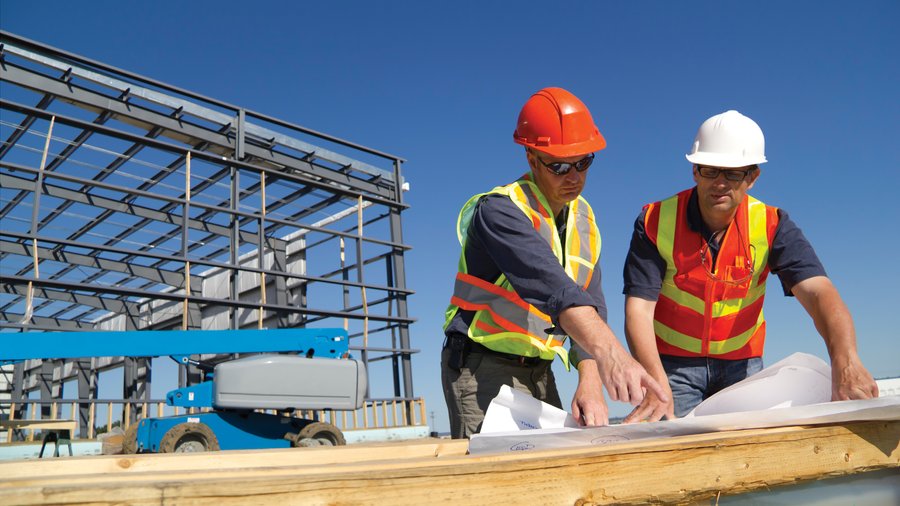
Commercial General Contractor in Melbourne, FL: Managing Construction Along Florida’s Space Coast
Melbourne, Florida continues to grow as a key commercial market along the Space Coast, driven by aerospace, defense, healthcare, and population expansion. With proximity to major employers in Brevard County and ongoing development along corridors like U.S. 1, Wickham Road, and I-95, the region supports a wide range of commercial construction projects. In this environment, working with an experienced Commercial General Contractor in Melbourne, FL is essential for delivering projects efficiently while navigating coastal regulations, permitting requirements, and regional growth.
From office developments and medical facilities to retail centers and industrial projects tied to aerospace and technology, commercial construction in Melbourne requires careful coordination and experienced execution.
The Role of a Commercial General Contractor in Melbourne
A commercial general contractor manages the construction phase of a project from site preparation through final completion. While architects and engineers design the building, the contractor coordinates subcontractors, materials, scheduling, and on-site operations.
Typical responsibilities include:
Project scheduling and construction planning
Coordination of subcontractors and specialty trades
Material procurement and logistics management
On-site supervision and quality control
Safety compliance and inspections
Budget management and schedule tracking
In Melbourne, contractors must also understand the unique demands of building in a coastal and technology-driven market.
Permitting and Development in Melbourne
Commercial construction projects must coordinate with the City of Melbourne Building Department and Brevard County depending on the project location.
A Commercial General Contractor in Melbourne, FL helps manage:
Building permit applications and plan review
Zoning and land use approvals
Fire and life safety inspections
Utility and infrastructure coordination
Proper sequencing of approvals helps prevent delays and keeps projects moving forward.
Space Coast and Aerospace Industry Influence
Melbourne is part of Florida’s Space Coast, home to major aerospace and defense companies as well as nearby facilities at Cape Canaveral. This has created strong demand for commercial and industrial construction.
Projects tied to this sector may include:
Office and research facility buildouts
Manufacturing and production spaces
Technology and engineering facilities
Infrastructure supporting aerospace operations
These projects often require specialized systems and precise coordination.
Healthcare and Population Growth
As Brevard County continues to grow, healthcare construction remains a significant part of the commercial market.
Projects in this sector may include:
Medical office buildings
Outpatient clinics and specialty care centers
Healthcare facility renovations and expansions
These projects require coordination of complex mechanical systems and strict compliance with life safety standards.
Retail and Commercial Corridor Development
Melbourne continues to see retail and mixed-use development along major roadways such as Wickham Road, Palm Bay Road, and U.S. 192.
Commercial construction projects may include:
Retail storefront construction
Restaurant and hospitality buildouts
Office tenant improvements
Neighborhood shopping centers
These developments support both local residents and the growing workforce in the region.
Coastal Construction Considerations
Melbourne’s proximity to the Atlantic Ocean introduces environmental factors that influence construction planning.
Projects must account for:
Hurricane-resistant construction requirements
Flood zone compliance and elevation standards
Stormwater management systems
Coastal wind load considerations
Building to these standards ensures long-term durability and compliance with the Florida Building Code.
Industrial and Logistics Development
Melbourne’s access to major highways and proximity to port and aerospace infrastructure supports industrial and logistics construction.
Projects in this sector may include:
Warehouse and distribution facilities
Light manufacturing buildings
Large-scale site development
Utility and infrastructure integration
These projects require detailed scheduling and coordination due to their size and operational needs.
Preconstruction Planning and Cost Control
Preconstruction planning is critical in a growing market where demand, materials, and timelines can shift quickly.
Preconstruction services often include:
Preliminary cost estimates
Value engineering recommendations
Constructability reviews
Scheduling and procurement planning
Early planning helps reduce risk and improve overall project efficiency.
Labor and Regional Construction Market
Melbourne’s construction market is supported by skilled trades throughout Central Florida and the Space Coast. Contractors must coordinate labor and materials in a competitive environment.
An experienced contractor manages:
Subcontractor scheduling and coordination
Material procurement and delivery timelines
Safety compliance and workforce management
Strong coordination helps ensure projects remain on schedule and within budget.
Safety and Quality Oversight
Maintaining safe job sites and delivering high-quality construction are core responsibilities of a commercial general contractor.
Key practices include:
OSHA safety compliance
Quality control inspections
Coordination with local inspectors
Project documentation and reporting
Consistent oversight ensures the final project meets both regulatory standards and client expectations.
Final Thoughts
Melbourne continues to grow as a commercial and technological hub along Florida’s Space Coast. With ongoing development in aerospace, healthcare, retail, and industrial sectors, construction plays a critical role in supporting the region’s expansion.
An experienced Commercial General Contractor in Melbourne, FL provides the planning, coordination, and leadership needed to successfully deliver these projects. Through disciplined project management and strong collaboration, commercial construction across Melbourne and Brevard County can be completed efficiently and built to support long-term growth.
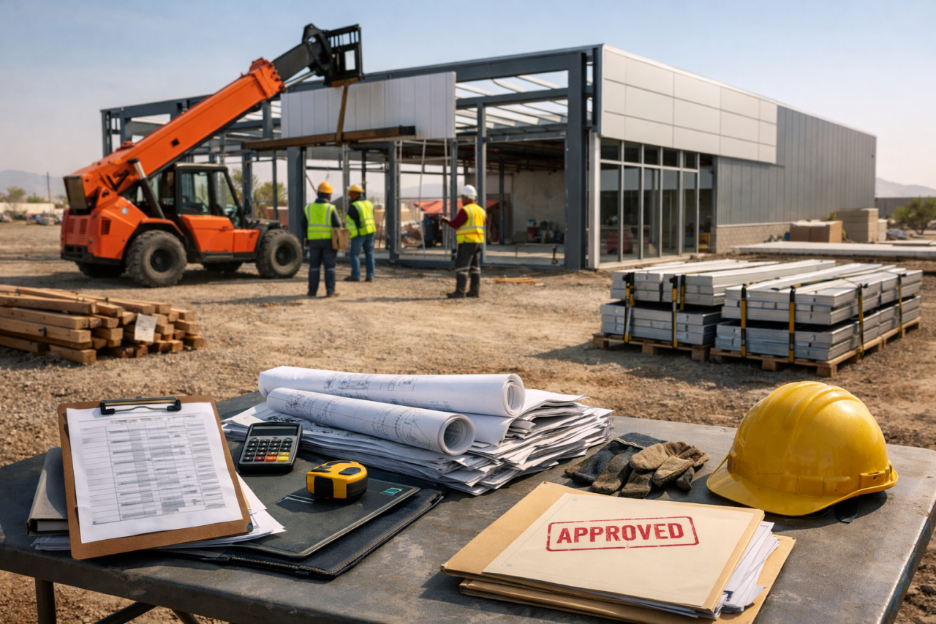
Commercial General Contractor in Tallahassee, FL: Managing Construction in Florida’s Government and Education Hub
Commercial General Contractor in Tallahassee, FL: Managing Construction in Florida’s Government and Education Hub
Tallahassee, Florida stands apart from many other markets in the state due to its role as the capital and its strong foundation in government, higher education, and healthcare. With consistent development tied to state agencies, Florida State University, Florida A&M University, and a growing regional population, commercial construction continues across office, institutional, retail, and medical sectors. In this environment, working with an experienced Commercial General Contractor in Tallahassee, FL is essential for delivering projects efficiently while navigating regulatory requirements and public sector considerations.
From Downtown Tallahassee to expanding corridors along Apalachee Parkway and Thomasville Road, commercial construction requires careful planning and disciplined execution.
The Role of a Commercial General Contractor in Tallahassee
A commercial general contractor manages the construction phase of a project from initial sitework through final completion. While architects and engineers develop the design, the contractor oversees execution by coordinating subcontractors, materials, scheduling, and on-site operations.
Typical responsibilities include:
Project scheduling and construction planning
Coordination of subcontractors and specialty trades
Material procurement and logistics management
On-site supervision and quality control
Safety compliance and inspections
Budget management and schedule tracking
In Tallahassee, contractors must also be familiar with public procurement processes and institutional project requirements.
Permitting and Development in Tallahassee
Commercial construction projects must coordinate with the City of Tallahassee Growth Management Department, along with Leon County depending on the project location.
A Commercial General Contractor in Tallahassee, FL helps manage:
Building permit applications and plan reviews
Zoning and land use approvals
Fire and life safety inspections
Utility and infrastructure coordination
Ensuring approvals are properly sequenced is critical to maintaining project timelines.
Government and Institutional Construction
As the capital of Florida, Tallahassee has a significant volume of government-related construction. Projects often involve state offices, administrative buildings, and public service facilities.
Construction in this sector may include:
Government office buildings
Public administration facilities
Institutional renovations and upgrades
Infrastructure improvements
These projects often require detailed documentation, compliance standards, and coordination with multiple stakeholders.
University and Campus Development
Tallahassee’s universities are major drivers of construction activity. Florida State University and Florida A&M University regularly invest in campus expansion and facility upgrades.
Projects may include:
Academic buildings and lecture halls
Research and laboratory facilities
Student service and administrative buildings
Athletic and recreational facilities
Construction on active campuses requires phased scheduling and coordination to minimize disruption.
Healthcare and Medical Facility Construction
The Tallahassee region continues to expand its healthcare infrastructure to meet the needs of a growing population.
Commercial construction in this sector may include:
Medical office buildings
Outpatient clinics
Hospital renovations and expansions
Specialty treatment facilities
Healthcare construction requires coordination of complex systems and strict adherence to life safety codes.
Retail and Commercial Development
Retail and service-based commercial construction continues to grow throughout Tallahassee as population and business activity increase.
Projects may include:
Retail storefront buildouts
Restaurant and hospitality construction
Office tenant improvements
Mixed-use developments
Construction in active commercial areas requires coordination to maintain customer access and minimize disruption.
Preconstruction Planning and Budget Control
Preconstruction planning plays a key role in managing cost, schedule, and logistics in Tallahassee’s market.
Preconstruction services often include:
Preliminary cost estimates
Value engineering recommendations
Constructability reviews
Scheduling and procurement planning
Early collaboration helps identify challenges and improve project efficiency.
Labor and Regional Construction Market
Tallahassee’s construction industry is supported by skilled trades across North Florida, though labor availability can be influenced by regional demand and project volume.
An experienced contractor manages:
Subcontractor scheduling and coordination
Material procurement and delivery timelines
Safety compliance and workforce management
Strong coordination helps ensure projects stay on schedule and within budget.
Safety and Quality Oversight
Maintaining safe job sites and delivering high-quality construction are core responsibilities of a commercial general contractor.
Key practices include:
OSHA safety compliance
Quality control inspections
Coordination with local inspectors
Detailed project documentation
Consistent oversight ensures the project meets both regulatory standards and client expectations.
Final Thoughts
Tallahassee continues to grow as a center for government, education, healthcare, and regional business activity. Commercial construction supports this growth by providing the facilities needed for public institutions and private businesses alike.
An experienced Commercial General Contractor in Tallahassee, FL provides the planning, coordination, and leadership needed to successfully deliver these projects. Through disciplined project management and strong collaboration, commercial construction across Tallahassee and Leon County can be completed efficiently and built to support long-term development.
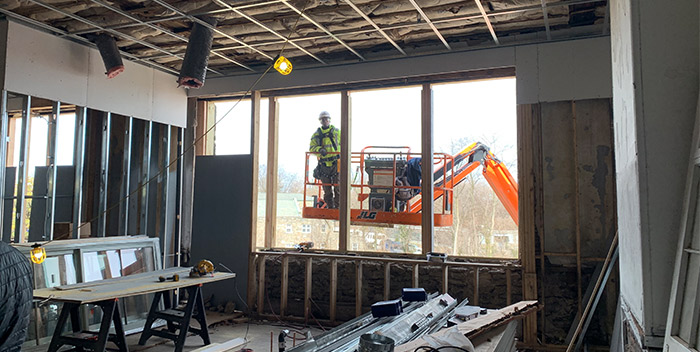
Commercial General Contractor in Pensacola, FL: Building in a Coastal and Military-Driven Market
Pensacola, Florida continues to evolve as a key commercial hub along the Gulf Coast, supported by tourism, military presence, healthcare growth, and port activity. With development spanning Downtown Pensacola, Pensacola Beach, and major corridors like I-10 and U.S. 98, the region offers steady opportunities for commercial construction across multiple sectors. In this environment, working with an experienced Commercial General Contractor in Pensacola, FL is essential for delivering projects efficiently while navigating coastal regulations, permitting requirements, and regional construction challenges.
From hospitality projects along the waterfront to healthcare facilities and industrial developments, commercial construction in Pensacola requires careful planning and strong execution.
The Role of a Commercial General Contractor in Pensacola
A commercial general contractor manages the construction process from sitework through project completion. While architects and engineers design the building, the contractor oversees execution by coordinating trades, materials, scheduling, and on-site operations.
Typical responsibilities include:
Project scheduling and construction planning
Coordination of subcontractors and specialty trades
Material procurement and logistics management
On-site supervision and quality control
Safety compliance and inspections
Budget management and timeline control
In Pensacola, contractors must also factor in coastal conditions and regional workforce dynamics.
Permitting and Development in Pensacola
Commercial construction projects must coordinate with the City of Pensacola Building Inspections Division and Escambia County depending on project location.
A Commercial General Contractor in Pensacola, FL helps manage:
Building permit applications and plan reviews
Zoning and land use approvals
Fire and life safety inspections
Utility and infrastructure coordination
Proper sequencing of approvals is critical to keeping projects on track and avoiding delays.
Coastal Construction and Environmental Factors
Pensacola’s Gulf Coast location introduces environmental challenges that directly impact construction planning and design.
Projects must account for:
Hurricane-resistant construction requirements
Flood zone compliance and elevation standards
Stormwater management systems
High wind load design considerations
Adhering to the Florida Building Code is essential for long-term durability and safety.
Tourism and Waterfront Development
Tourism is a major economic driver in Pensacola, particularly in areas like Pensacola Beach and Downtown’s waterfront district. Commercial construction frequently supports hospitality and retail development.
Common projects include:
Hotels and resort construction
Restaurant and bar buildouts
Retail storefronts and waterfront spaces
Entertainment and recreation venues
Construction in these areas often requires scheduling around peak tourism seasons and coordinating with active businesses.
Military Influence on Commercial Construction
Pensacola is home to Naval Air Station Pensacola, which has a significant influence on the local economy and construction activity.
Projects tied to this sector may include:
Support facilities for military operations
Office and administrative buildings
Service-based commercial developments
These projects often involve additional coordination and compliance with federal or military standards.
Healthcare and Population Growth
As Pensacola continues to grow, healthcare construction remains a major sector. Hospitals, clinics, and medical offices are expanding to meet regional demand.
Commercial construction in this sector may include:
Medical office buildings
Outpatient care centers
Specialty healthcare facilities
Renovations and expansions
These projects require coordination of complex building systems and strict adherence to life safety codes.
Industrial and Logistics Development
Pensacola’s location along I-10 and access to port infrastructure supports industrial and logistics construction throughout the region.
Projects in this sector often include:
Warehouse and distribution facilities
Manufacturing and processing buildings
Large-scale site development
Utility and infrastructure integration
These developments require detailed planning due to their scale and operational needs.
Preconstruction Planning and Cost Control
Preconstruction planning is essential in Pensacola’s market, where weather, permitting, and material logistics can impact timelines.
Preconstruction services often include:
Preliminary cost estimates
Value engineering recommendations
Constructability reviews
Scheduling based on seasonal conditions
Early planning helps reduce risk and improve overall project efficiency.
Labor and Regional Construction Market
Pensacola’s construction industry is supported by skilled trades across Northwest Florida and neighboring Gulf Coast regions. However, labor availability can fluctuate based on regional demand.
An experienced contractor manages:
Subcontractor scheduling and coordination
Material procurement and delivery timelines
Safety compliance and workforce management
Strong coordination ensures projects remain on schedule and within budget.
Safety and Quality Oversight
Maintaining safe job sites and delivering high-quality construction are core responsibilities of a commercial general contractor.
Key practices include:
OSHA safety compliance
Quality control inspections
Coordination with inspectors
Detailed project documentation
Consistent oversight ensures the final project meets both regulatory requirements and client expectations.
Final Thoughts
Pensacola continues to grow as a commercial and coastal destination, with ongoing development across hospitality, healthcare, retail, and industrial sectors. Construction in this market requires a balance of coastal resilience, regulatory compliance, and efficient project execution.
An experienced Commercial General Contractor in Pensacola, FL provides the planning, coordination, and leadership needed to successfully deliver these projects. Through careful management and collaboration, commercial construction across Pensacola and Escambia County can be completed efficiently and built to perform in a demanding coastal environment.
Commercial General Contractor in Pensacola, FL: Managing Construction Along Florida’s Gulf Coast
Commercial General Contractor in Pensacola, FL: Managing Construction Along Florida’s Gulf Coast
Pensacola, Florida continues to grow as a key commercial market in the Florida Panhandle, supported by tourism, military presence, healthcare expansion, and port activity. With development occurring throughout Downtown Pensacola, Pensacola Beach, and major corridors like U.S. 98 and I-10, commercial construction remains active across hospitality, retail, healthcare, and industrial sectors. In this environment, working with an experienced Commercial General Contractor in Pensacola, FL is essential for delivering projects efficiently while navigating coastal regulations, permitting requirements, and regional construction conditions.
Commercial construction in Pensacola requires careful planning to address both the opportunities and challenges of building in a coastal, tourism-driven market.
The Role of a Commercial General Contractor in Pensacola
A commercial general contractor oversees the construction phase of a project from site preparation through final completion. While architects and engineers develop the design, the contractor manages the execution by coordinating subcontractors, materials, scheduling, and jobsite operations.
Typical responsibilities include:
Project scheduling and construction planning
Coordination of subcontractors and specialty trades
Material procurement and logistics management
On-site supervision and quality control
Safety compliance and inspections
Budget management and schedule tracking
In Pensacola, contractors must also understand the impact of coastal weather conditions and regional development trends.
Permitting and Development in Pensacola
Commercial construction projects must coordinate with the City of Pensacola Building Inspections Department and Escambia County authorities, depending on the project location.
A Commercial General Contractor in Pensacola, FL helps manage:
Building permit applications and plan review
Zoning and land use approvals
Fire and life safety inspections
Utility and infrastructure coordination
Proper sequencing of permits and inspections helps keep projects moving forward without delays.
Coastal Construction and Hurricane Resilience
Pensacola’s Gulf Coast location requires strict adherence to the Florida Building Code, particularly for wind resistance and storm protection.
Projects must account for:
Hurricane-resistant structural systems
Impact-rated exterior materials
Flood zone compliance and elevation requirements
Stormwater management systems
Planning for these conditions is essential to ensure long-term building performance and compliance.
Tourism and Hospitality Construction
Tourism plays a major role in Pensacola’s economy, particularly in areas such as Pensacola Beach and Downtown. Commercial construction frequently supports hotels, restaurants, and entertainment venues.
Common projects include:
Hotel and resort construction
Restaurant and bar buildouts
Retail and waterfront commercial spaces
Entertainment and recreation facilities
Construction in these areas often requires scheduling around peak tourism seasons to minimize disruption.
Military and Government-Related Development
Pensacola is home to Naval Air Station Pensacola and other military facilities, which influence commercial construction in the region.
Projects may include:
Support facilities for military operations
Office and administrative buildings
Service-based commercial spaces
These projects often require additional coordination and compliance with federal or military standards.
Healthcare and Community Growth
As the Pensacola area continues to grow, healthcare construction remains a key sector. Medical facilities and outpatient centers are expanding to meet the needs of the local population.
Commercial construction in this sector may include:
Medical office buildings
Healthcare facility renovations
Specialized treatment centers
Outpatient clinics
These projects require coordination of complex building systems and strict life safety compliance.
Industrial and Logistics Development
Pensacola’s port access and location along I-10 support industrial and logistics construction throughout the region.
Projects in this sector may include:
Warehouse and distribution facilities
Manufacturing buildings
Infrastructure and utility integration
Large-scale site development
These projects require detailed scheduling and planning due to their size and operational demands.
Preconstruction Planning and Cost Management
Preconstruction planning is essential in a coastal market where weather, regulations, and supply chain factors can impact timelines.
Preconstruction services often include:
Preliminary cost estimates
Value engineering recommendations
Constructability reviews
Scheduling based on seasonal conditions
Early planning helps owners better understand costs and timelines before construction begins.
Labor and Regional Construction Market
Pensacola’s construction industry is supported by skilled trades throughout Northwest Florida and neighboring Gulf Coast regions. Contractors must carefully coordinate labor resources and subcontractors.
An experienced contractor manages:
Subcontractor scheduling and coordination
Material procurement and delivery timelines
Safety compliance and workforce management
Strong coordination helps keep projects on schedule and within budget.
Safety and Quality Oversight
Maintaining safe job sites and delivering high-quality construction are core responsibilities of a commercial general contractor.
Key practices include:
OSHA safety compliance
Quality control inspections
Coordination with local inspectors
Project documentation and reporting
Consistent oversight ensures the project meets both regulatory standards and client expectations.
Final Thoughts
Pensacola continues to grow as a commercial and tourism-driven market along Florida’s Gulf Coast. With ongoing development in hospitality, healthcare, retail, and industrial sectors, construction plays a vital role in supporting the region’s economy.
An experienced Commercial General Contractor in Pensacola, FL provides the planning, coordination, and leadership needed to successfully deliver these projects. Through disciplined project management and strong collaboration, commercial construction across Pensacola and Escambia County can be completed efficiently and built to withstand the demands of the coastal environment.
Commercial General Contractor in Savannah, GA: Navigating Construction in a Historic Coastal Market
Savannah, Georgia stands out as one of the most unique commercial construction environments in the Southeast. Known for its historic architecture, strong tourism economy, and growing port activity, the city continues to see steady development across hospitality, retail, industrial, and mixed use sectors. From the Historic District and River Street to expanding areas throughout Chatham County, working with an experienced Commercial General Contractor in Savannah, GA is essential for delivering projects efficiently while balancing preservation, regulation, and modern building needs.
Commercial construction in Savannah requires a thoughtful approach that accounts for both historic integrity and the demands of a growing coastal economy.
The Role of a Commercial General Contractor in Savannah
A commercial general contractor oversees the construction phase of a project from site preparation through final completion. While architects and engineers design the building, the contractor manages execution by coordinating trades, materials, scheduling, and jobsite operations.
Typical responsibilities include:
Project scheduling and construction planning
Coordination of subcontractors and specialty trades
Material procurement and delivery logistics
On site supervision and quality control
Safety compliance and inspections
Budget management and schedule tracking
In Savannah, contractors must also be experienced in working within historic districts and coastal conditions.
Permitting and Development in Savannah
Commercial construction projects must coordinate with the City of Savannah Development Services Department, which oversees building permits, zoning approvals, and inspections.
A Commercial General Contractor in Savannah, GA helps manage:
Building permit applications and plan review
Zoning and land use approvals
Historic District Board of Review approvals where applicable
Fire and life safety inspections
Utility and infrastructure coordination
Properly managing approvals is critical, especially for projects located in or near protected historic areas.
Historic District Construction and Preservation
Savannah’s Historic District is one of the largest in the country, and construction within this area requires strict adherence to preservation guidelines.
Commercial projects in these areas often involve:
Restoration of historic façades
Structural upgrades to aging buildings
Integration of modern building systems
Compliance with architectural review standards
These projects require close coordination between contractors, architects, and preservation boards to maintain the city’s historic character.
Hospitality and Tourism Driven Development
Tourism is a major economic driver in Savannah. As a result, commercial construction frequently supports hotels, restaurants, retail, and entertainment spaces.
Common projects include:
Boutique hotel construction and renovations
Restaurant and bar buildouts
Retail storefront improvements
Mixed use developments catering to visitors
Construction in high-traffic tourist areas requires careful scheduling and logistics to minimize disruption.
Port of Savannah and Industrial Growth
The Port of Savannah is one of the busiest ports in the United States, driving significant industrial and logistics development in the region.
Commercial construction tied to this sector includes:
Warehouse and distribution facilities
Manufacturing and processing buildings
Large scale site development
Infrastructure and utility coordination
Industrial projects often require extensive planning due to their size and operational complexity.
Coastal Construction Considerations
Savannah’s coastal location introduces environmental factors that must be addressed during construction.
Projects may require:
Flood zone compliance and elevation planning
Stormwater management systems
Wind load and hurricane resistance considerations
Coordination with FEMA flood requirements
Building for coastal conditions ensures long term performance and code compliance.
Healthcare and Institutional Construction
Savannah’s healthcare systems and educational institutions continue to expand, contributing to steady commercial construction activity.
Projects may include:
Medical office buildings
Hospital facility upgrades
Research and educational facilities
Institutional renovations
These projects require coordination of complex building systems and strict safety standards.
Preconstruction Planning and Cost Management
Preconstruction planning plays a critical role in managing cost, schedule, and risk in Savannah’s construction market.
Preconstruction services often include:
Preliminary cost estimates
Value engineering recommendations
Constructability reviews
Scheduling and procurement planning
Early planning helps owners make informed decisions before construction begins.
Labor and Regional Construction Market
Savannah’s construction industry is supported by skilled trades throughout coastal Georgia and the Southeast. Contractors must coordinate labor and materials in a growing and competitive market.
An experienced contractor manages:
Subcontractor scheduling and coordination
Material procurement and delivery timelines
Safety compliance and workforce management
Strong coordination helps ensure projects remain on schedule and within budget.
Safety and Quality Oversight
Maintaining safe job sites and delivering high-quality construction are core responsibilities of a commercial general contractor.
Key practices include:
OSHA safety compliance
Quality control inspections
Coordination with local inspectors
Project documentation and reporting
Consistent oversight ensures the final project meets design standards and regulatory requirements.
Final Thoughts
Savannah offers a unique blend of historic preservation and modern commercial growth. Construction projects must carefully balance these elements while meeting the demands of tourism, logistics, healthcare, and retail development.
An experienced Commercial General Contractor in Savannah, GA provides the planning, coordination, and leadership needed to successfully deliver projects in this environment. Through disciplined project management and collaboration with design teams and subcontractors, commercial construction across Savannah can be completed efficiently while preserving the character that defines the city.
Commercial General Contractor in Richmond, VA: Delivering Commercial Construction in Central Virginia
Richmond, Virginia continues to grow as a major commercial and cultural hub in the Mid-Atlantic. With strong activity across healthcare, finance, education, logistics, and hospitality, the city supports a wide range of commercial construction projects. From Downtown Richmond and Scott’s Addition to expanding areas in Henrico and Chesterfield counties, working with an experienced Commercial General Contractor in Richmond, VA is essential for delivering projects efficiently while navigating local regulations and evolving market demands.
Commercial construction in Richmond includes office renovations, retail developments, healthcare facilities, industrial buildings, and mixed use projects that support the region’s continued growth.
The Role of a Commercial General Contractor in Richmond
A commercial general contractor manages the construction phase of a project from initial site work through final completion. While architects and engineers design the building, the contractor coordinates subcontractors, materials, scheduling, and on-site operations.
Typical responsibilities include:
Project scheduling and construction planning
Coordination of subcontractors and specialty trades
Material procurement and logistics management
On-site supervision and quality control
Safety compliance and inspections
Budget management and schedule tracking
In Richmond, contractors must also balance historic preservation considerations with modern construction requirements.
Permitting and Development in Richmond
Commercial construction projects must coordinate with the City of Richmond Department of Planning and Development Review, as well as county agencies for projects outside city limits.
A Commercial General Contractor in Richmond, VA helps manage:
Building permit applications and plan review
Zoning and land use approvals
Fire and life safety inspections
Utility and infrastructure coordination
Proper sequencing of approvals helps avoid delays and keeps projects on track.
Growth Across Richmond’s Key Districts
Downtown Richmond
Downtown remains a center for office development, hospitality, and institutional projects.
Common construction projects include:
Office renovations and tenant improvements
Hotel and hospitality construction
Retail and restaurant buildouts
Mixed use redevelopment projects
Urban construction in Downtown requires careful coordination due to limited staging areas and active pedestrian traffic.
Scott’s Addition
Scott’s Addition has become one of Richmond’s fastest-growing neighborhoods, known for adaptive reuse and commercial redevelopment.
Projects in this area often include:
Restaurant and brewery construction
Office and creative workspace buildouts
Renovation of former industrial buildings
These projects require modernization of older structures while maintaining their character.
Suburban Expansion in Henrico and Chesterfield
Surrounding counties continue to see growth in retail, healthcare, and office developments.
Commercial construction in these areas may include:
Medical office buildings
Retail centers and restaurants
Corporate campuses and business parks
These projects often involve larger sites and require coordination with county-level permitting authorities.
Industrial and Logistics Development
Richmond’s location along I-95 and I-64 makes it a strategic location for logistics and distribution facilities.
Industrial construction projects may include:
Warehouse and distribution centers
Manufacturing facilities
Infrastructure and utility integration
Large-scale site development
Because of their size and operational requirements, these projects require detailed scheduling and procurement planning.
Healthcare and Institutional Construction
Richmond’s healthcare systems and educational institutions continue to expand and upgrade facilities.
Projects in this sector may include:
Medical office buildings
Hospital renovations and expansions
Laboratory and research facilities
University and institutional construction
These projects require coordination of complex building systems and strict compliance with life safety codes.
Renovations and Adaptive Reuse
Richmond’s historic architecture makes renovation and adaptive reuse a major part of the construction market.
Construction management for these projects may involve:
Structural upgrades to older buildings
Modernization of mechanical and electrical systems
Energy efficiency improvements
Integration of modern building codes
These projects require close coordination with design teams and local authorities.
Preconstruction Planning and Cost Management
Preconstruction planning is essential in a competitive and evolving market like Richmond.
Preconstruction services often include:
Preliminary cost estimates
Value engineering recommendations
Constructability reviews
Scheduling and procurement planning
Early planning helps reduce risk and improve project outcomes.
Labor and Regional Construction Market
Richmond benefits from a strong network of skilled trades across Central Virginia, but ongoing development requires careful coordination of labor and materials.
An experienced contractor manages:
Subcontractor scheduling and coordination
Material procurement and delivery timelines
Safety compliance and workforce management
Strong coordination helps ensure projects remain on schedule and within budget.
Safety and Quality Oversight
Maintaining safe job sites and delivering high-quality construction are core responsibilities of a commercial general contractor.
Key practices include:
OSHA safety compliance
Quality control inspections
Coordination with local inspectors
Project documentation and reporting
Consistent oversight ensures the project meets both design standards and regulatory requirements.
Final Thoughts
Richmond continues to grow as a key economic center in Virginia, with commercial development spanning office, healthcare, retail, and industrial sectors. Construction projects must balance historic preservation, regulatory requirements, and modern building needs.
An experienced Commercial General Contractor in Richmond, VA provides the planning, coordination, and leadership necessary to successfully deliver these projects. Through disciplined project management and collaboration with design teams and subcontractors, commercial construction across Richmond can be completed efficiently and built to support long-term growth.