


Tampa Construction Manager: Delivering Commercial Projects Across the Gulf Coast
Tampa continues to experience sustained commercial growth across healthcare, hospitality, retail, industrial, and mixed use development. From Water Street Tampa and Downtown to Westshore, Ybor City, and the expanding I 4 corridor, construction activity remains strong throughout Hillsborough County and the greater Tampa Bay region. In this evolving market, a Tampa Construction Manager plays a critical role in guiding projects from early planning through completion.
Building in Tampa requires coordination with coastal regulations, hurricane resilience standards, municipal permitting processes, and a competitive labor market. Construction management brings structure and predictability to that environment.
What Does a Tampa Construction Manager Do?
A Tampa Construction Manager oversees the planning, budgeting, coordination, and execution of a commercial construction project. While a general contractor focuses primarily on building the project, the construction manager is often engaged during preconstruction to help align scope, schedule, and cost before construction begins.
Core responsibilities typically include:
Preconstruction budgeting and cost modeling
Value engineering and constructability review
Scheduling and milestone planning
Coordination with architects and consultants
Subcontractor procurement and oversight
Quality control and safety management
Financial reporting and change management
In a fast growing market like Tampa, early involvement is essential for maintaining cost certainty and schedule control.
Growth Across Key Areas of Tampa
Downtown and Water Street Development
Downtown Tampa and the Water Street district continue to see mixed use, office, hospitality, and residential expansion. Projects in these areas often involve dense urban logistics and phased construction within active environments.
A Tampa Construction Manager coordinates:
Limited staging areas
Street use permits and pedestrian safety plans
Freight and vertical transportation logistics
Phased turnover within mixed use developments
Urban projects require careful sequencing to minimize disruption to surrounding businesses and residents.
Westshore and Corporate Office Growth
The Westshore Business District remains one of the largest office markets in Florida. Tenant buildouts and office renovations are common throughout the area.
Construction management for these projects includes:
After hours scheduling in occupied buildings
Freight elevator coordination
Mechanical and electrical system integration
Coordination with property management teams
Office projects frequently operate under strict move in deadlines.
Industrial and Port Related Expansion
The Port of Tampa Bay supports ongoing industrial and distribution growth across the region. Projects near I 75 and along major logistics corridors often involve large scale site development.
A Tampa Construction Manager helps coordinate:
Concrete slab and structural steel procurement
Heavy utility infrastructure
Stormwater and drainage planning
Access and transportation logistics
Given the scale of many industrial facilities, procurement timing is critical.
Hurricane and Coastal Considerations
Tampa’s Gulf Coast location requires compliance with the Florida Building Code and regional wind load standards. Projects must be designed and built to withstand severe weather conditions.
Construction management includes:
Coordination of impact rated glazing and doors
Wind resistant roofing systems
Structural reinforcement planning
Scheduling adjustments during hurricane season
Storm preparedness and site protection protocols are essential components of project planning.
Permitting and Regulatory Oversight in Hillsborough County
Commercial construction in Tampa may require coordination with:
City of Tampa Construction Services
Hillsborough County Development Services
Planning and zoning review boards
Fire marshal life safety inspections
Environmental and stormwater authorities
Understanding local review processes and submission requirements helps prevent delays and unnecessary revisions.
Labor and Market Conditions in Tampa Bay
The Tampa Bay construction market remains competitive, with ongoing residential and commercial development influencing labor availability and pricing.
A knowledgeable Tampa Construction Manager monitors:
Subcontractor capacity across Hillsborough and Pinellas Counties
Material lead times through regional ports
Insurance and bonding requirements
Pricing trends influenced by continued growth across Central Florida
Proactive procurement planning reduces the risk of schedule disruption.
Construction in Active Retail and Hospitality Environments
Retail and hospitality projects in Hyde Park, Ybor City, and along the waterfront often occur within active commercial settings.
Construction management in these environments involves:
Maintaining public access
Coordinating deliveries in pedestrian heavy areas
Managing noise and work hour restrictions
Phasing renovations to protect business operations
Disciplined scheduling helps align construction timelines with peak tourism and seasonal demand.
The Importance of Preconstruction in Tampa
In a dynamic market, preconstruction services provide clarity before breaking ground.
A Tampa Construction Manager typically provides:
Detailed cost estimates based on current Gulf Coast trade pricing
Identification of long lead materials
Constructability reviews to reduce change orders
Schedule modeling that accounts for weather risks
Phasing strategies for occupied renovations
Early planning improves financial transparency and strengthens decision making.
Risk Management and Documentation
Commercial construction requires structured oversight to protect stakeholders and investments.
Construction managers help mitigate risk by:
Ensuring OSHA compliance
Verifying subcontractor licensing and insurance
Monitoring site safety protocols
Maintaining inspection documentation
Tracking change directives and financial exposure
Consistent documentation and proactive management reduce disputes and improve project outcomes.
Final Thoughts
Tampa continues to grow as a major commercial hub along Florida’s Gulf Coast. With expansion across office, hospitality, industrial, and mixed use sectors, projects require thoughtful coordination and experienced oversight.
A Tampa Construction Manager brings organization to that growth. Through structured preconstruction planning, regulatory coordination, and hands on field management, construction management helps ensure commercial projects across Tampa Bay are delivered on schedule, within budget, and built for long term performance.

Naples Florida Construction Manager: Navigating Luxury and Coastal Commercial Construction
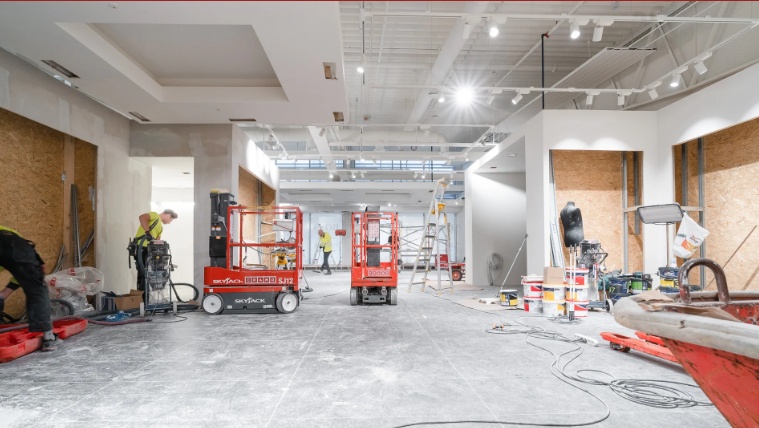
Naples, Florida continues to see steady growth across luxury retail, hospitality, healthcare, and mixed use development. From Fifth Avenue South and Third Street South to expansions along US 41 and in North Naples, commercial construction remains active throughout Collier County. In this coastal and design sensitive market, a Naples Florida Construction Manager plays a key role in delivering projects with precision, compliance, and long term durability.
Building in Naples is influenced by hurricane exposure, strict architectural standards, flood zone considerations, and a strong seasonal economy. Construction management brings structure and foresight to these variables from preconstruction through completion.
What Does a Naples Florida Construction Manager Do?
A Naples Florida Construction Manager oversees the planning, budgeting, coordination, and execution of a commercial construction project. While a general contractor focuses on building the project, the construction manager is often engaged early to guide strategy and reduce risk.
Core responsibilities typically include:
Preconstruction budgeting and cost modeling
Value engineering and constructability review
Scheduling and milestone planning
Coordination with architects, engineers, and consultants
Subcontractor procurement and oversight
Quality control and safety management
Financial reporting and change management
In a high end coastal market like Naples, early planning is essential to align cost expectations with design intent.
Coastal and Hurricane Considerations
Florida Building Code and Wind Requirements
Naples falls within a high wind zone under the Florida Building Code. Commercial buildings must meet strict structural and envelope requirements to withstand hurricane conditions.
A Naples Florida Construction Manager coordinates:
Impact rated glazing systems
Wind resistant roofing assemblies
Structural tie downs and reinforced framing
Sequencing that protects partially completed structures during storm season
Hurricane season runs from June through November, requiring schedule planning and contingency strategies.
Flood Zones and Elevation
Portions of Naples, particularly near the Gulf and low lying inland areas, are located within designated flood zones. Elevation requirements and drainage planning can significantly impact design and cost.
Construction management in these areas involves:
Coordination with FEMA flood maps
Foundation and slab elevation strategy
Stormwater management integration
Selection of moisture resistant materials
Addressing these factors early prevents delays and redesign during permitting.
Permitting in Collier County and the City of Naples
Commercial construction in Naples may require coordination with:
City of Naples Building Department
Collier County Growth Management Department
Planning and zoning review boards
Fire department life safety inspections
Environmental review for coastal or waterfront properties
Projects along Fifth Avenue South or Third Street South may also be subject to architectural review standards to preserve the character of the area.
An experienced Naples Florida Construction Manager ensures that submissions are complete and properly sequenced to streamline approvals.
Luxury Retail and Hospitality Construction
Naples is known for its high end retail and hospitality environment. Construction projects in these sectors often demand elevated finishes and precise execution.
Construction management in these environments includes:
Coordination of specialty materials and custom millwork
Maintaining access for neighboring businesses
Managing deliveries in pedestrian heavy districts
Phasing renovations during peak tourist season
Retail and restaurant projects frequently operate under strict opening timelines tied to seasonal population increases.
Labor and Market Dynamics in Southwest Florida
Southwest Florida’s construction market is influenced by ongoing residential growth and seasonal labor fluctuations. Subcontractor availability and material pricing can shift based on regional demand.
A knowledgeable Naples Florida Construction Manager monitors:
Trade capacity across Collier and Lee Counties
Material lead times through PortMiami and Port Everglades
Insurance and bonding requirements specific to Florida
Pricing trends influenced by broader South Florida development
Proactive procurement planning helps maintain schedule integrity in a competitive market.
Environmental and Site Considerations
Naples projects often involve environmental sensitivity due to wetlands, coastal ecosystems, and local conservation standards.
Construction management may include:
Erosion and sediment control planning
Coordination with environmental consultants
Stormwater detention design integration
Compliance with local landscaping and tree protection requirements
These factors must be addressed early in the planning process to avoid costly revisions.
The Importance of Preconstruction in Naples
In a market where design quality and durability are priorities, preconstruction services provide clarity before ground is broken.
A Naples Florida Construction Manager typically provides:
Detailed cost estimates based on current Southwest Florida trade pricing
Identification of long lead materials such as glazing and HVAC systems
Constructability reviews to reduce change orders
Schedule modeling that accounts for hurricane season
Phasing strategies for occupied renovations
This structured approach strengthens financial predictability and protects project timelines.
Risk Management and Documentation
Commercial construction in a coastal environment requires disciplined oversight and documentation.
Construction managers help mitigate risk by:
Ensuring OSHA compliance
Verifying subcontractor licensing and insurance
Monitoring site safety during storm threats
Maintaining inspection records
Tracking change directives and cost exposure
Proactive risk management protects both investment and long term building performance.
Final Thoughts
Naples offers a distinct commercial construction environment shaped by luxury standards, coastal regulations, and seasonal economic cycles. While the market may appear smaller than other major Florida cities, projects still require thoughtful coordination and experienced oversight.
A Naples Florida Construction Manager brings organization and foresight to every phase of the project. Through structured preconstruction planning, regulatory coordination, and hands on field management, construction management helps ensure commercial projects across Collier County are delivered on schedule, within budget, and built to withstand the demands of a coastal environment.
Sarasota Construction Manager: Delivering Commercial Projects Along Florida’s Gulf Coast
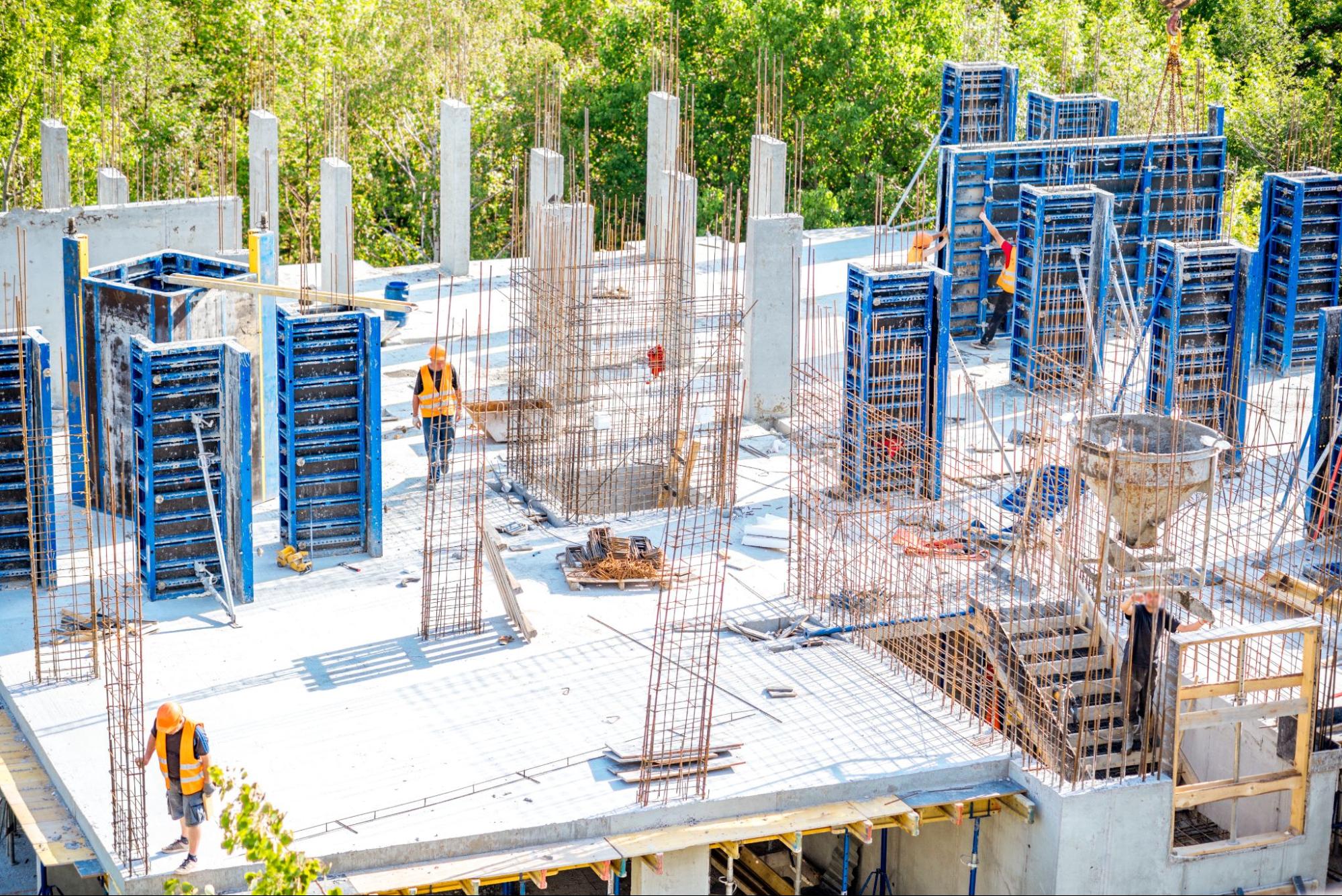
Sarasota continues to experience steady commercial growth across healthcare, hospitality, retail, and mixed use development. From Downtown Sarasota and the Rosemary District to Lakewood Ranch and along the US 41 corridor, projects are reshaping the region while maintaining the area’s coastal character. In this environment, a Sarasota Construction Manager plays a critical role in guiding commercial projects from early planning through completion.
Construction in Sarasota is influenced by hurricane exposure, coastal regulations, flood zone requirements, and a strong seasonal economy. Effective construction management brings structure and predictability to these factors.
What Does a Sarasota Construction Manager Do?
A Sarasota Construction Manager oversees the planning, budgeting, coordination, and execution of commercial construction projects. While a general contractor focuses primarily on building the project, the construction manager is typically engaged during preconstruction to align scope, cost, and schedule before fieldwork begins.
Core responsibilities often include:
Preconstruction budgeting and cost modeling
Value engineering and constructability review
Scheduling and milestone planning
Coordination with architects, engineers, and consultants
Subcontractor procurement and oversight
Quality control and safety management
Financial reporting and change management
In a coastal market like Sarasota, early coordination is essential to avoid permitting and weather related delays.
Coastal and Hurricane Considerations
Florida Building Code and Wind Load Requirements
Sarasota falls within a high wind region under the Florida Building Code. Commercial buildings must meet strict standards for structural integrity and impact resistance.
A Sarasota Construction Manager coordinates:
Impact rated glazing and door systems
Wind resistant roofing assemblies
Reinforced structural connections
Construction sequencing during hurricane season
Hurricane season runs from June through November, requiring contingency planning and proactive material procurement.
Flood Zones and Elevation Planning
Many properties near Sarasota Bay, Siesta Key, and barrier island communities fall within designated flood zones. Elevation requirements and drainage planning can significantly influence design and cost.
Construction management in these areas includes:
Coordination with FEMA flood maps
Foundation and slab elevation strategies
Stormwater management integration
Use of moisture and corrosion resistant materials
Addressing floodplain considerations early helps prevent costly redesign during permitting.
Permitting in Sarasota County and the City of Sarasota
Commercial construction projects may require coordination with:
City of Sarasota Building Division
Sarasota County Planning and Development Services
Local zoning and development review boards
Fire marshal life safety inspections
Environmental and coastal regulatory agencies
Projects in Downtown Sarasota or near waterfront districts may also face architectural review standards.
A knowledgeable Sarasota Construction Manager ensures submissions are complete and properly sequenced to streamline approvals.
Hospitality and Retail Construction in a Seasonal Market
Sarasota’s tourism driven economy influences project scheduling, particularly for hospitality and retail developments.
Construction in areas such as St. Armands Circle or Downtown often requires:
Limited staging space
Coordination with neighboring businesses
Noise and work hour management
Phased construction to meet peak tourist seasons
Opening timelines are frequently tied to winter population increases, requiring disciplined scheduling and trade coordination.
Growth in Lakewood Ranch and Surrounding Areas
Lakewood Ranch and surrounding master planned communities continue to see expansion across medical offices, retail centers, and mixed use developments.
Construction management for these projects often involves:
Large scale site development and utility coordination
Concrete slab and structural system planning
Traffic access integration
Coordination with community development standards
These projects typically move quickly from design to construction, making early budgeting essential.
Labor and Market Dynamics in Southwest Florida
Sarasota’s construction market is influenced by broader Southwest Florida growth in areas such as Tampa, Fort Myers, and Naples.
A Sarasota Construction Manager monitors:
Subcontractor availability across Manatee and Sarasota Counties
Material lead times through regional ports
Insurance and bonding requirements specific to Florida
Pricing trends influenced by residential and commercial demand
Proactive procurement planning helps maintain cost control in a competitive environment.
The Importance of Preconstruction in Sarasota
Preconstruction services provide clarity before breaking ground, particularly in a market where weather and permitting can influence schedule.
A Sarasota Construction Manager typically provides:
Detailed trade level cost estimates based on current Gulf Coast pricing
Identification of long lead materials
Constructability reviews to reduce change orders
Schedule modeling that accounts for hurricane season
Phasing strategies for occupied renovations
Early financial transparency supports informed decision making and reduces risk.
Risk Management and Documentation
Commercial construction in Sarasota requires disciplined oversight to manage weather exposure and regulatory compliance.
Construction managers help mitigate risk by:
Ensuring OSHA compliance
Verifying subcontractor licensing and insurance
Monitoring site protection during storm threats
Maintaining inspection documentation
Tracking change directives and financial exposure
Structured documentation strengthens accountability and protects investment.
Final Thoughts
Sarasota offers strong commercial development opportunities across healthcare, hospitality, and retail sectors. However, coastal regulations, flood zone requirements, and seasonal economic factors add complexity to project delivery.
A Sarasota Construction Manager brings organization and foresight to this environment. Through structured preconstruction planning, regulatory coordination, and hands on field oversight, construction management helps ensure commercial projects across Sarasota and the Gulf Coast are delivered on schedule, within budget, and built for long term resilience.
Fort Worth Construction Manager: Managing Commercial Growth Across Tarrant County
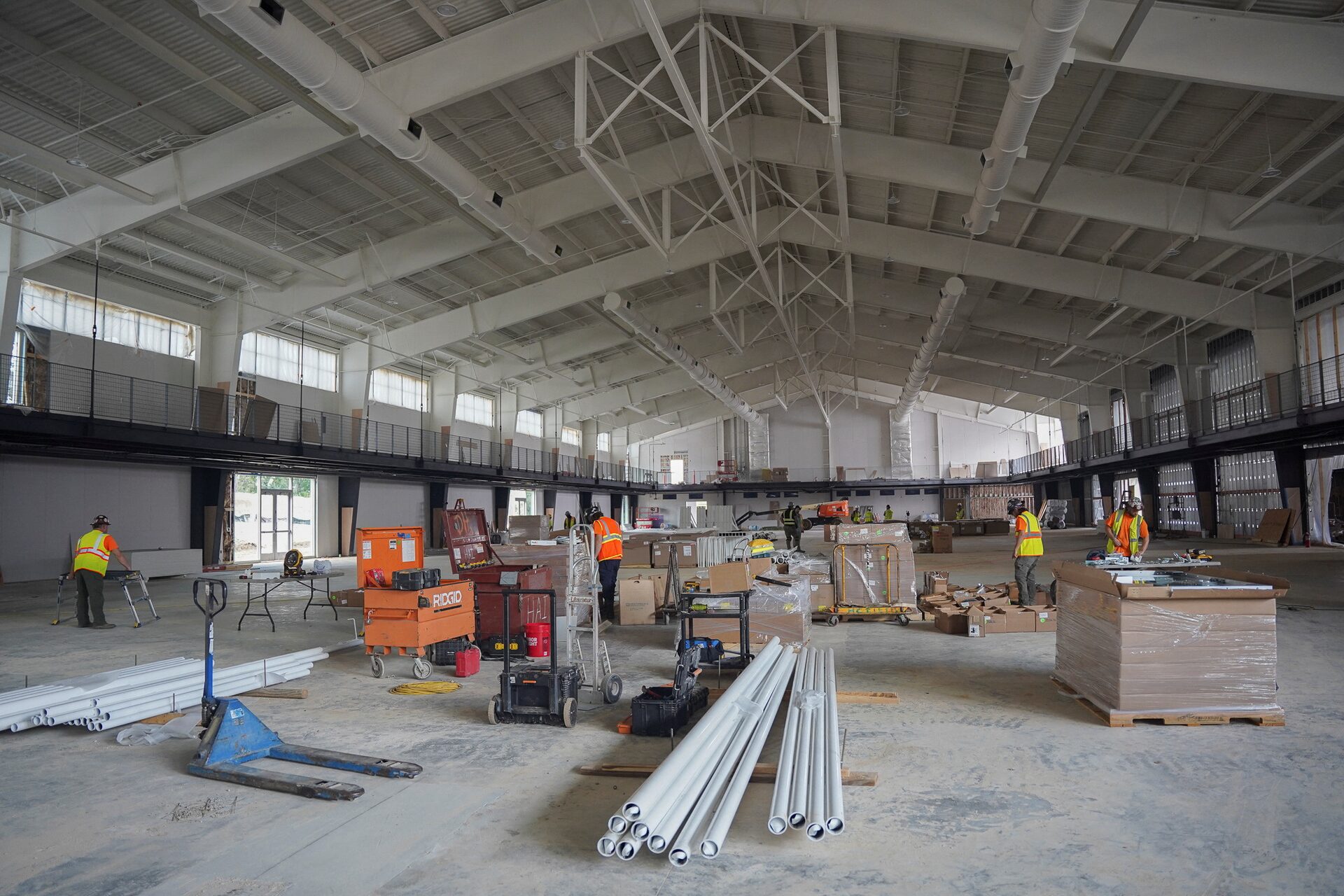
Fort Worth continues to expand across industrial, healthcare, retail, and mixed use sectors. With ongoing development in Downtown Fort Worth, the Cultural District, AllianceTexas, and along the I 35W and Loop 820 corridors, construction activity remains steady throughout Tarrant County. In this evolving market, a Fort Worth Construction Manager plays a critical role in guiding commercial projects from early planning through completion.
While Fort Worth offers more available land and lower density than some neighboring cities, successful projects still require structured budgeting, regulatory coordination, and disciplined field management.
What Does a Fort Worth Construction Manager Do?
A Fort Worth Construction Manager oversees the full lifecycle of a commercial construction project. Unlike a general contractor who focuses primarily on executing the work, the construction manager is typically engaged during preconstruction and remains involved through closeout.
Core responsibilities often include:
Preconstruction budgeting and cost modeling
Value engineering and constructability review
Scheduling and milestone development
Coordination with architects and consultants
Subcontractor procurement and oversight
Quality control and safety management
Financial tracking and change management
Early involvement allows owners to align scope, budget, and timeline before construction begins.
Key Development Areas in Fort Worth
AllianceTexas and Industrial Expansion
The AllianceTexas corridor in North Fort Worth remains one of the most active industrial and logistics hubs in the region. Proximity to major highways and rail lines continues to attract distribution and manufacturing projects.
Construction management for industrial projects often involves:
Large scale concrete slab coordination
Structural steel procurement and erection planning
Dock equipment integration
Heavy utility infrastructure
Coordination with regional transportation networks
Given the scale of many distribution facilities, procurement timing and trade coordination are essential.
Downtown and Cultural District Projects
Downtown Fort Worth and the Cultural District continue to see mixed use, hospitality, and adaptive reuse development. Projects in these areas require careful coordination due to active pedestrian environments and established infrastructure.
A Fort Worth Construction Manager helps coordinate:
Limited staging areas
Traffic and pedestrian control plans
Historic or design district considerations
Phased construction within active buildings
Retail and hospitality projects in these areas often operate under tight timelines tied to seasonal demand.
Healthcare and Institutional Growth
Fort Worth’s healthcare sector continues to expand, with projects tied to regional hospital systems and outpatient facilities.
Construction management in healthcare environments includes:
Phased renovations within operating facilities
Coordination of complex mechanical and electrical systems
Infection control planning
Life safety compliance and inspections
Given the technical requirements of these facilities, early planning is essential.
City of Fort Worth Permitting and Code Compliance
The City of Fort Worth Development Services Department oversees permitting, plan review, and inspections. Projects may require coordination with:
Building plan review and approvals
Zoning and site development review
Fire department life safety inspections
Stormwater and drainage compliance
Public works coordination
Understanding the nuances of local review processes helps reduce delays and keeps projects on schedule.
Weather and Site Conditions in North Texas
Fort Worth construction must account for regional climate conditions, including high summer temperatures, severe thunderstorms, and occasional winter weather events.
Effective construction management includes:
Heat mitigation planning for labor productivity
Stormwater management during heavy rainfall
Scheduling adjustments for weather sensitive scopes
Geotechnical coordination for expansive soil conditions
These considerations directly influence scheduling and cost control.
Labor and Market Dynamics
The Fort Worth market benefits from a strong regional labor base within the broader Dallas Fort Worth Metroplex. However, ongoing development keeps demand for skilled trades high.
A knowledgeable Fort Worth Construction Manager monitors:
Subcontractor capacity across Tarrant County
Material lead times for steel, roofing, and mechanical equipment
Insurance and bonding requirements
Regional pricing trends influenced by continued growth
Proactive procurement planning helps maintain schedule integrity in a competitive market.
Construction in Active Commercial Environments
Retail and mixed use developments throughout West 7th, Clearfork, and other commercial corridors often require construction within active settings.
Construction management in these environments involves:
Maintaining access for customers and tenants
Coordinating deliveries in high traffic areas
Managing noise and work hour restrictions
Phasing renovations to minimize disruption
Disciplined scheduling and communication are key to protecting business operations during construction.
The Importance of Preconstruction in Fort Worth
Preconstruction services provide clarity before ground is broken, particularly in projects where speed to completion influences tenant commitments or operational deadlines.
A Fort Worth Construction Manager typically provides:
Detailed cost estimates based on current North Texas trade pricing
Identification of long lead materials
Constructability reviews to reduce change orders
Schedule modeling tied to local labor availability
Phasing strategies for occupied renovations
This structured approach improves financial transparency and supports informed decision making.
Risk Management and Documentation
Commercial construction requires organized oversight to protect stakeholders and reduce exposure.
Construction managers help mitigate risk by:
Ensuring OSHA compliance
Verifying subcontractor licensing and insurance
Monitoring job site safety protocols
Maintaining inspection documentation
Tracking change directives and financial impacts
Consistent documentation and oversight reduce disputes and strengthen project outcomes.
Final Thoughts
Fort Worth continues to grow as a major commercial hub within North Texas. Industrial expansion, healthcare development, and mixed use projects create opportunity across Tarrant County, but each project still requires thoughtful coordination and oversight.
A Fort Worth Construction Manager brings structure to that growth. Through disciplined preconstruction planning, regulatory coordination, and hands on field management, construction management helps ensure commercial projects are delivered on schedule, within budget, and built for long term performance.19
San Antonio Construction Manager: Delivering Commercial Projects Across South Texas
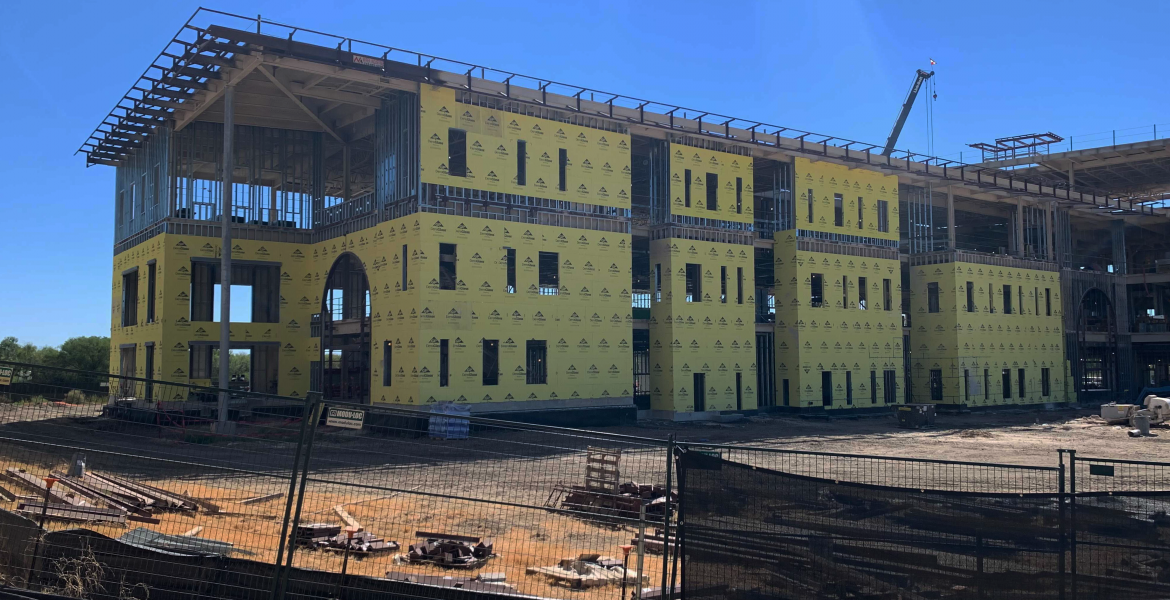
San Antonio continues to see steady commercial growth across healthcare, education, retail, hospitality, and industrial sectors. From Downtown redevelopment near the River Walk to expansion around Stone Oak, Alamo Ranch, and along the I 10 and Loop 1604 corridors, construction activity remains strong throughout Bexar County. In this environment, a San Antonio Construction Manager plays a critical role in guiding projects from early planning through completion.
While San Antonio offers a business friendly climate and available land compared to other major Texas cities, successful construction still requires disciplined coordination, budgeting, and regulatory oversight.
What Does a San Antonio Construction Manager Do?
A San Antonio Construction Manager oversees the full lifecycle of a commercial construction project. Unlike a general contractor who focuses primarily on field execution, the construction manager is often engaged during preconstruction and remains involved through closeout.
Core responsibilities typically include:
Preconstruction budgeting and cost analysis
Value engineering and constructability review
Scheduling and milestone planning
Coordination with architects and consultants
Subcontractor procurement and oversight
Quality control and safety management
Financial reporting and change management
Early involvement helps owners align scope, cost, and timeline before construction begins.
Growth Across Key Areas of San Antonio
Downtown and River Walk Development
Downtown San Antonio continues to evolve with hospitality, mixed use, and adaptive reuse projects. Construction near the River Walk and in historic districts requires careful coordination due to site constraints and preservation considerations.
A San Antonio Construction Manager helps coordinate:
Limited staging and access logistics
Historic district compliance
Pedestrian safety planning
Phased construction within active hospitality environments
Projects in these areas often require coordination with multiple city departments and neighboring businesses.
Medical and Institutional Expansion
San Antonio is home to the South Texas Medical Center and several expanding healthcare institutions. Healthcare and institutional projects require specialized planning.
Construction management for these projects includes:
Infection control and phased renovation planning
Coordination of complex mechanical and electrical systems
Compliance with healthcare regulations
Minimizing disruption to active facilities
Given the technical nature of these builds, early coordination is essential.
Suburban and Industrial Growth
Development continues along Loop 1604, I 35, and I 10 corridors, particularly in areas such as Stone Oak, Schertz, and Live Oak. Retail centers, distribution facilities, and ground up commercial projects are common.
A San Antonio Construction Manager coordinates:
Large scale site development and utilities
Concrete slab and structural systems
Traffic access and infrastructure integration
Procurement of long lead building systems
With available land and expanding infrastructure, these projects often move quickly from concept to construction.
City of San Antonio Permitting and Code Compliance
The City of San Antonio Development Services Department oversees permitting and inspections. Depending on the project, coordination may involve:
Building plan review and approvals
Zoning and site development review
Fire department life safety inspections
Utility coordination
Stormwater and drainage compliance
Understanding local processes and review timelines helps prevent delays and keeps projects on schedule.
Environmental and Climate Considerations
San Antonio’s climate and soil conditions influence construction planning.
Key considerations include:
High summer temperatures impacting labor productivity
Expansive clay soils requiring geotechnical evaluation
Stormwater management during heavy rainfall
Energy efficiency compliance under Texas building codes
An experienced construction manager incorporates these variables into scheduling and budgeting decisions.
Labor and Market Conditions in South Texas
San Antonio benefits from a strong regional labor base, though demand continues to grow alongside commercial development.
A knowledgeable San Antonio Construction Manager monitors:
Subcontractor capacity in Bexar County
Material lead times for steel, roofing, and mechanical equipment
Insurance and risk management requirements
Regional pricing trends influenced by broader Texas growth
Proactive procurement and trade coordination help maintain schedule integrity.
Construction in Active Commercial Environments
Retail and hospitality renovations often occur in occupied environments throughout areas such as The Shops at La Cantera and North Star Mall.
Construction management in these settings involves:
Maintaining access for customers and tenants
Coordinating deliveries in high traffic areas
Managing noise and work hour restrictions
Phasing construction to minimize disruption
Disciplined planning ensures that business operations can continue while improvements are underway.
The Value of Preconstruction in San Antonio
Preconstruction services provide clarity before breaking ground, particularly in a market where speed to completion can influence tenant commitments and revenue projections.
A San Antonio Construction Manager typically provides:
Detailed cost estimates based on current South Texas trade pricing
Identification of long lead materials
Constructability reviews to reduce change orders
Schedule modeling based on local labor availability
Phasing strategies for occupied renovations
This early effort strengthens financial predictability and supports informed decision making.
Risk Management and Documentation
Commercial construction requires structured oversight to reduce exposure and protect stakeholders.
Construction managers help mitigate risk by:
Ensuring OSHA compliance
Verifying subcontractor licensing and insurance
Monitoring job site safety protocols
Maintaining inspection documentation
Tracking change directives and financial impacts
This organized approach reduces disputes and strengthens project outcomes.
Final Thoughts
San Antonio offers continued opportunity for commercial development across healthcare, retail, hospitality, and industrial sectors. While the market may appear more accessible than larger metropolitan areas, successful projects still require disciplined coordination and oversight.
A San Antonio Construction Manager brings organization and foresight to every phase of the project. Through structured preconstruction planning, regulatory coordination, and hands on field management, construction management helps ensure commercial projects across South Texas are delivered on schedule, within budget, and built for long term performance.

Austin Construction Manager: Managing Commercial Growth in Central Texas
Austin has evolved from a regional tech hub into one of the most active construction markets in the country. Corporate relocations, mixed use developments, multifamily growth, and retail expansion continue across Downtown Austin, The Domain, South Congress, and throughout Travis and Williamson Counties. In this environment, an Austin Construction Manager plays a key role in keeping commercial projects organized, compliant, and financially controlled.
Construction in Austin is shaped by rapid population growth, municipal review processes, infrastructure demands, and a competitive labor market. Effective construction management provides structure from early budgeting through final turnover.
What Does an Austin Construction Manager Do?
An Austin Construction Manager oversees the planning and execution of a commercial construction project from preconstruction through completion. While a general contractor focuses on building the project, the construction manager is typically engaged earlier to help guide budgeting, scheduling, and procurement strategy.
Core responsibilities often include:
Preconstruction budgeting and cost modeling
Value engineering and constructability review
Scheduling and milestone development
Coordination with architects and consultants
Subcontractor procurement and oversight
Quality control and safety management
Financial tracking and change management
In Austin’s fast moving market, early planning is critical to maintaining cost certainty.
Rapid Growth Across the Austin Region
Downtown and Urban Core Development
Downtown Austin continues to see high rise office, hospitality, and mixed use development. Projects near Rainey Street, the Seaholm District, and along Lady Bird Lake often involve complex site logistics and vertical construction.
An Austin Construction Manager coordinates:
Freight and hoisting logistics
Mechanical system integration in high rise structures
Street use permits and traffic control plans
Phased occupancy in mixed use towers
Urban infill sites typically offer limited staging space, requiring detailed planning.
Tech Corridor and Suburban Expansion
Areas such as The Domain, North Austin, Round Rock, and Cedar Park have experienced substantial office and industrial growth tied to the technology sector.
Construction management in these areas often includes:
Corporate interior buildouts
Ground up office campuses
Data center and specialized mechanical coordination
Large scale parking and site infrastructure
Projects frequently operate under accelerated timelines tied to corporate relocation schedules.
City of Austin Permitting and Development Review
The City of Austin maintains a detailed development review and permitting process. Depending on the project, approvals may involve:
Austin Development Services Department
Site plan and zoning review
Environmental and watershed protection review
Fire department life safety approvals
Utility coordination with Austin Energy and Austin Water
Projects located near environmentally sensitive areas or within certain zoning overlays may require additional review steps.
An experienced Austin Construction Manager works closely with design teams to ensure submissions are complete and sequenced properly to avoid delays.
Environmental and Site Considerations
Austin’s topography and environmental regulations can significantly influence construction planning.
Key considerations include:
Watershed protection requirements
Tree protection ordinances
Erosion control measures
Stormwater detention planning
Heat mitigation during peak summer months
Construction schedules must account for high summer temperatures, which can impact labor productivity and concrete placement timing.
Labor and Market Conditions in Central Texas
Austin’s growth has created strong demand for skilled trades. While the region benefits from a broad labor pool, competition across commercial and residential sectors remains high.
A knowledgeable Austin Construction Manager monitors:
Subcontractor availability in Travis and Williamson Counties
Material lead times for steel, roofing, and mechanical equipment
Pricing trends influenced by continued development
Insurance and risk management requirements
As development continues across Central Texas, early procurement planning helps prevent schedule disruptions.
Construction in Active Retail and Mixed Use Environments
Retail and hospitality projects in South Congress, East Austin, and The Domain often occur within active commercial settings.
Construction management in these environments involves:
Maintaining access for neighboring tenants
Coordinating deliveries in high traffic areas
Managing noise and work hour restrictions
Phasing renovations to minimize business disruption
Restaurant and retail openings frequently align with seasonal demand or promotional events, requiring disciplined schedule control.
The Importance of Preconstruction in Austin
In a rapidly expanding market, preconstruction services provide essential clarity before breaking ground.
An Austin Construction Manager typically provides:
Detailed cost estimates based on current Central Texas trade pricing
Identification of long lead materials
Constructability reviews to reduce change orders
Schedule modeling tied to real labor capacity
Phasing strategies for occupied renovations
This structured planning allows owners to make informed financial and design decisions early in the process.
Risk Management and Documentation
Commercial construction in Austin requires careful documentation and oversight to protect owners and stakeholders.
Construction managers help mitigate risk by:
Ensuring OSHA compliance
Verifying subcontractor licensing and insurance
Monitoring safety protocols
Maintaining inspection records
Tracking change directives and financial exposure
A disciplined approach reduces disputes and improves project predictability.
Final Thoughts
Austin continues to experience sustained commercial growth across office, retail, hospitality, and industrial sectors. With that growth comes complexity in permitting, labor coordination, environmental compliance, and site logistics.
An Austin Construction Manager brings organization and foresight to this evolving market. Through structured preconstruction planning, regulatory coordination, and hands on project oversight, construction management helps ensure commercial projects across Central Texas are delivered on schedule, within budget, and with long term performance in mind.
Dallas Construction Manager: Leading Commercial Projects Across North Texas
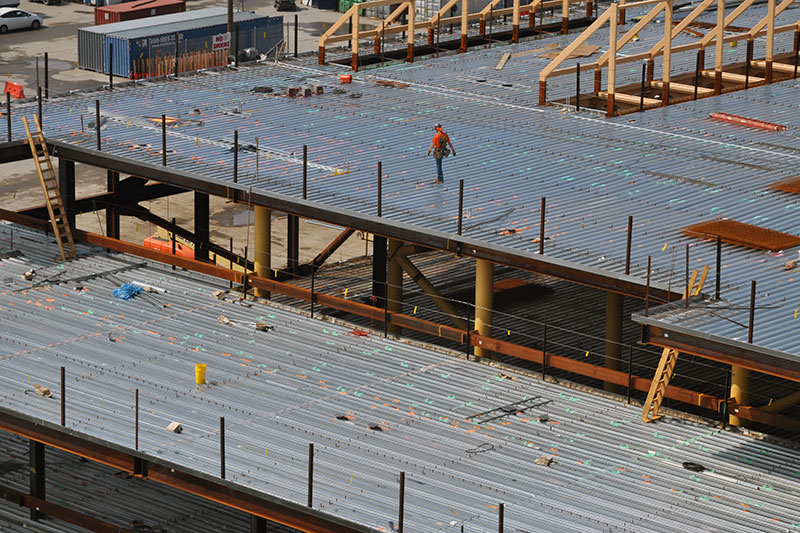
Dallas continues to rank among the fastest growing metropolitan areas in the country. With corporate relocations, mixed use developments, industrial expansion, and ongoing retail growth, construction activity across North Texas remains strong. From Uptown and Downtown Dallas to Plano, Frisco, and Las Colinas, projects require careful planning and disciplined oversight. A Dallas Construction Manager plays a central role in delivering that structure.
Construction in the Dallas Fort Worth region is shaped by rapid growth, evolving municipal requirements, infrastructure coordination, and a competitive labor market. Effective construction management aligns these moving parts from early budgeting through final completion.
What Does a Dallas Construction Manager Do?
A Dallas Construction Manager oversees the planning, coordination, and execution of a commercial construction project. While a general contractor focuses on building the project, the construction manager typically becomes involved during preconstruction and remains engaged throughout the lifecycle of the job.
Core responsibilities often include:
Preconstruction budgeting and cost modeling
Value engineering and constructability review
Scheduling and milestone development
Coordination with architects and consultants
Subcontractor procurement and oversight
Quality control and site supervision
Financial tracking and change management
In a high growth market like Dallas, early involvement is often the difference between a predictable outcome and escalating costs.
Construction Growth Across the Dallas Fort Worth Metroplex
Corporate Relocations and Office Development
North Texas continues to attract major corporate relocations and expansions. Areas such as Plano, Frisco, and Las Colinas have seen significant office and mixed use development tied to these moves.
A Dallas Construction Manager helps coordinate:
Tenant improvement buildouts
Ground up office construction
Parking structure integration
Phased occupancy schedules
Coordination within active corporate campuses
Office projects frequently require tight schedules tied to employee transition timelines.
Industrial and Distribution Expansion
Dallas sits at the center of major logistics corridors, including I 35, I 20, and I 30. Industrial development continues to expand throughout Southern Dallas, Mesquite, and areas near DFW International Airport.
Construction management for these projects involves:
Large scale concrete slab coordination
Structural steel procurement
Dock and warehouse system integration
Utility infrastructure planning
Coordination with regional transportation networks
Given the scale of many distribution facilities, procurement timing and trade coordination are critical.
Municipal Permitting and Code Considerations
The Dallas Fort Worth Metroplex includes numerous municipalities, each with its own permitting process and review standards. Projects may require coordination with:
City of Dallas Building Inspection
Plano Building Inspections Department
Frisco Development Services
Irving and Las Colinas municipal authorities
Fire marshal and life safety reviewers
Understanding the nuances of each jurisdiction reduces delays and streamlines approvals. A Dallas Construction Manager ensures that submissions are complete and sequenced properly.
Weather and Site Conditions in North Texas
Dallas construction must account for regional weather patterns, including high summer temperatures, severe thunderstorms, and occasional winter ice events.
Effective construction management includes:
Heat mitigation planning for labor productivity
Stormwater management during heavy rainfall
Schedule adjustments for weather sensitive scopes
Site logistics planning for large suburban developments
Proper planning reduces productivity losses and protects both schedule and budget.
Labor and Market Dynamics
The Dallas Fort Worth construction market benefits from a broad labor pool, yet demand remains strong across healthcare, commercial, and residential sectors.
A knowledgeable Dallas Construction Manager monitors:
Subcontractor availability across North Texas
Material lead times for steel, roofing, and mechanical equipment
Insurance and bonding requirements
Pricing trends influenced by continued regional growth
As development continues in areas like Legacy West and The Star in Frisco, competition for skilled trades can impact timelines.
Construction in Active Commercial Environments
Retail and mixed use developments in Uptown Dallas, Deep Ellum, and Addison often require construction within active environments.
This involves planning for:
Limited staging areas
Pedestrian and traffic control
Coordination with neighboring tenants
Noise management
Phased turnover in multi tenant spaces
Restaurant and retail openings frequently align with seasonal or promotional timelines, requiring disciplined scheduling.
The Importance of Preconstruction in Dallas
In a fast paced market, preconstruction services provide clarity before construction begins.
A Dallas Construction Manager typically provides:
Detailed cost estimates tied to real time trade pricing
Identification of long lead materials
Constructability reviews to reduce change orders
Schedule modeling based on local labor capacity
Phasing strategies for occupied renovations
Early planning creates transparency and allows owners to make informed decisions before committing to construction.
Risk Management and Documentation
Commercial construction in Texas requires structured oversight and documentation.
Construction managers help mitigate risk by:
Ensuring OSHA compliance
Verifying subcontractor insurance coverage
Monitoring safety protocols
Maintaining detailed project documentation
Tracking change directives and financial exposure
This structured approach reduces disputes and strengthens project outcomes.
Final Thoughts
Dallas offers significant opportunity for commercial growth, but rapid expansion also introduces complexity. Municipal variation, labor demand, infrastructure coordination, and weather considerations all influence project delivery.
A Dallas Construction Manager brings organization to that environment. Through disciplined preconstruction planning, regulatory coordination, and hands on site oversight, construction management helps ensure commercial projects across North Texas are delivered on schedule, within budget, and with long term performance in mind.
Houston Construction Manager: Guiding Commercial Projects in a Complex and Growing Market
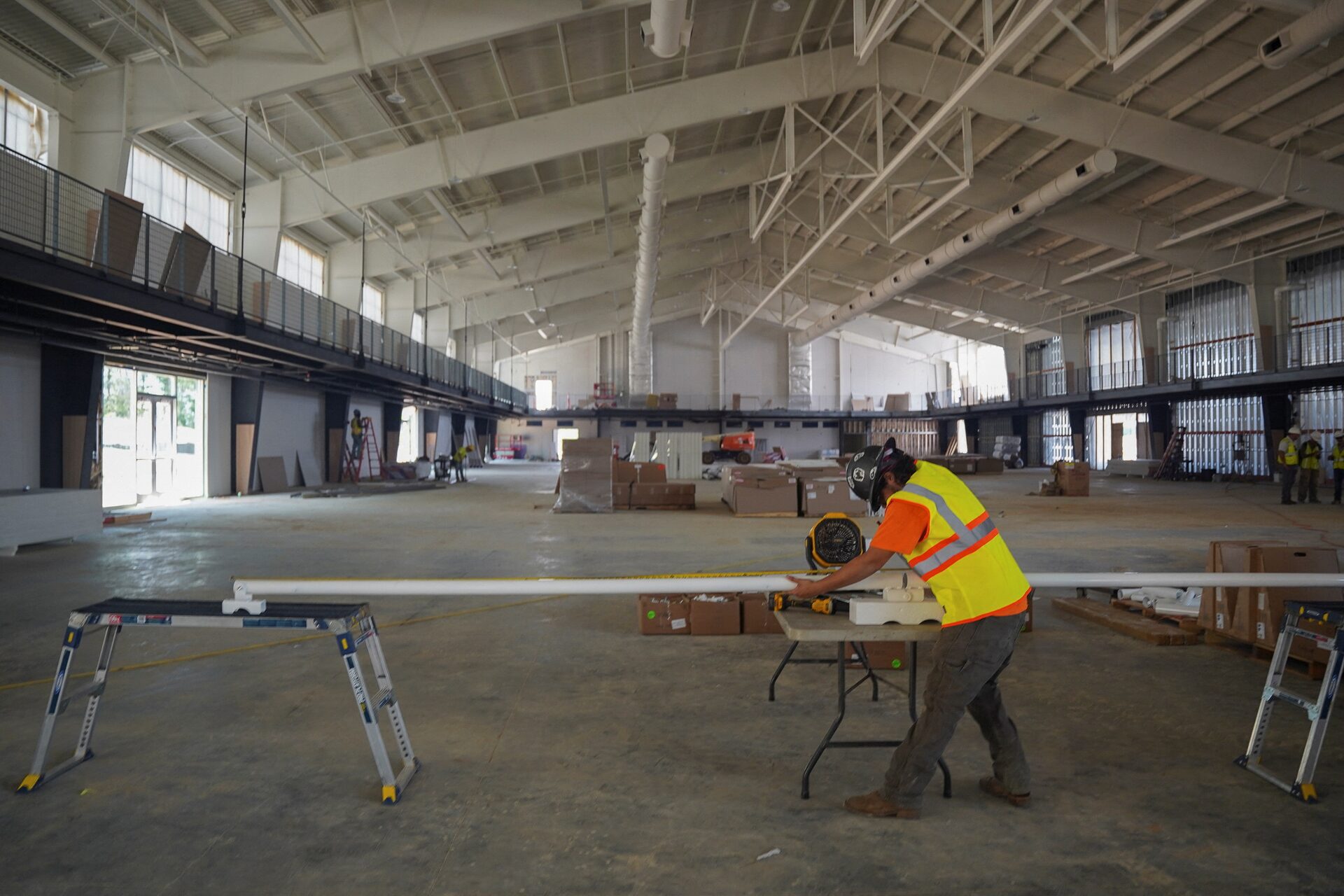
Houston remains one of the most active construction markets in the country. From energy sector developments in the Energy Corridor to healthcare expansions in the Texas Medical Center and industrial growth along the Port of Houston, commercial construction continues to expand across the region. In this environment, a Houston Construction Manager plays a vital role in aligning budgets, schedules, and regulatory requirements.
Building in Houston presents unique challenges, including floodplain considerations, infrastructure coordination, and a fast moving development climate. Effective construction management brings structure and predictability to that complexity.
What Does a Houston Construction Manager Do?
A Houston Construction Manager oversees a project from early planning through final completion. While a general contractor focuses primarily on executing the work, the construction manager is typically engaged during preconstruction and remains focused on the broader strategy of the project.
Core responsibilities often include:
Preconstruction budgeting and cost modeling
Value engineering and scope alignment
Scheduling and milestone development
Coordination with architects and consultants
Subcontractor procurement and oversight
Quality control and safety compliance
Financial tracking and change management
In Houston’s competitive market, early involvement can significantly reduce risk and improve cost certainty.
Key Considerations for Construction in Houston
Floodplain and Drainage Requirements
Houston’s history of major storm events, including Hurricane Harvey, has reshaped how projects are evaluated and approved. Floodplain analysis and drainage planning are central components of development.
A Houston Construction Manager helps coordinate:
Floodplain compliance reviews
Elevation and slab height requirements
Stormwater detention planning
Civil engineering integration with site development
In many areas, particularly near bayous or low lying land, drainage strategy influences both design and cost.
City of Houston Permitting and Code Compliance
The City of Houston and surrounding municipalities such as Katy, Sugar Land, and The Woodlands have distinct permitting and inspection processes. Projects may require coordination with:
Houston Permitting Center
Planning and Development Department
Public Works and Engineering
Fire Marshal review
County level authorities for unincorporated areas
Understanding these local procedures helps reduce approval delays and unnecessary redesigns.
Energy Corridor and Industrial Development
Houston’s economy is closely tied to energy, logistics, and manufacturing. Construction near the Energy Corridor, along Beltway 8, and around the Port of Houston often involves complex infrastructure and specialized facilities.
A Houston Construction Manager must account for:
Heavy utility coordination
Specialized mechanical and process systems
Large scale concrete and structural steel work
Access and logistics planning for industrial sites
These projects often operate on accelerated timelines tied to operational needs.
Labor and Market Dynamics
Houston’s construction market benefits from a large labor pool, but demand remains strong across commercial, healthcare, and industrial sectors.
A knowledgeable construction manager monitors:
Subcontractor capacity across Harris County
Material lead times for steel, roofing, and mechanical systems
Insurance requirements and risk management
Regional pricing trends influenced by oil and gas activity
Fluctuations in energy markets can directly affect labor availability and construction costs.
Construction in Active Commercial Areas
Commercial projects in areas such as Downtown Houston, Uptown near The Galleria, and Midtown often require construction within active environments.
This involves careful planning for:
Limited staging space
Traffic control along major corridors like I 10 and US 59
Coordination with neighboring tenants
Noise and work hour considerations
Vertical logistics in mid and high rise buildings
Retail and office buildouts in these districts frequently operate under tight deadlines, requiring disciplined scheduling and trade coordination.
Preconstruction: Building Financial Clarity
Preconstruction services from a Houston Construction Manager provide insight into real time market conditions before construction begins.
These services often include:
Detailed trade level cost estimates
Identification of long lead materials
Constructability reviews to minimize change orders
Schedule modeling based on local trade availability
Phasing strategies for occupied renovations
In a market as active as Houston, early procurement planning can prevent delays caused by material shortages or subcontractor backlogs.
Risk Management in a Storm Prone Region
Houston’s exposure to severe weather requires proactive risk planning.
Construction managers help mitigate risk by:
Coordinating builder’s risk insurance
Monitoring site protection protocols during storm events
Ensuring OSHA compliance
Maintaining documentation for inspections and audits
Tracking change directives and potential claims
This disciplined oversight protects both investment and timeline.
Regional Reach Across Greater Houston
The Greater Houston area spans a wide geographic footprint. Projects in Cypress, Pearland, Baytown, and The Woodlands may each involve different municipal requirements and infrastructure considerations.
A Houston Construction Manager adapts to these regional differences while maintaining consistent project controls.
Final Thoughts
Houston offers significant opportunity for commercial development, but it also demands careful coordination. Floodplain regulations, infrastructure complexity, energy driven market fluctuations, and rapid growth all shape the construction landscape.
A Houston Construction Manager brings organization and oversight to these variables. Through structured preconstruction planning, regulatory coordination, and disciplined site management, construction management helps ensure that commercial projects are delivered with cost control, compliance, and long term durability in mind.
Miami Construction Manager: Managing Commercial Construction in South Florida’s Fastest Growing Market
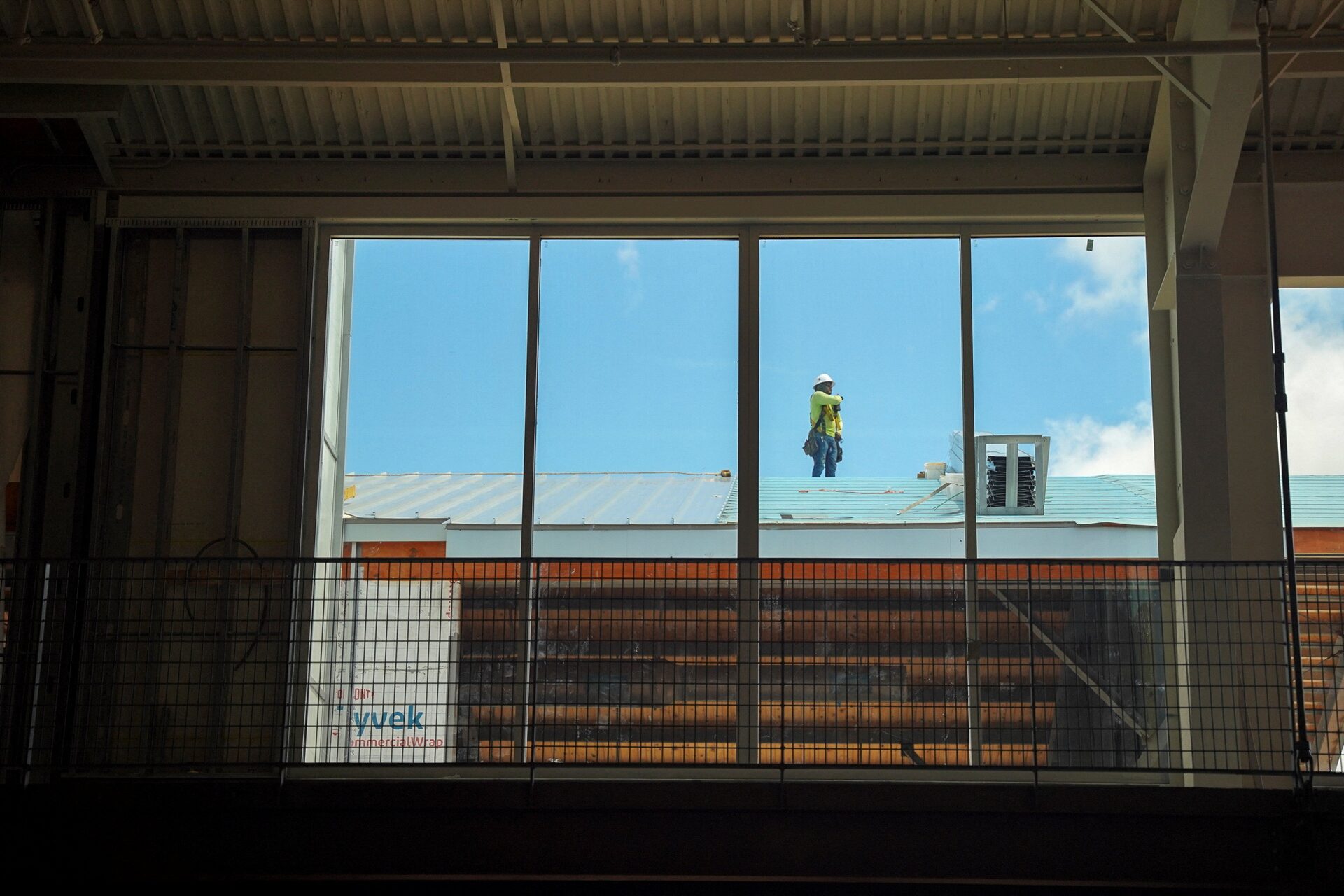
Miami continues to evolve at a rapid pace. From Brickell high rises and Wynwood retail spaces to hospitality projects in Miami Beach and industrial developments near Doral, construction activity remains strong across Miami Dade County. In this environment, a Miami Construction Manager plays a central role in keeping projects organized, compliant, and financially controlled.
Construction in Miami is shaped by coastal regulations, hurricane resilience requirements, dense urban logistics, and a competitive labor market. Effective construction management helps owners navigate these realities with clarity and structure.
What Does a Miami Construction Manager Do?
A Miami Construction Manager oversees the planning, coordination, and execution of a project from early budgeting through final turnover. While a general contractor focuses on building the project, the construction manager becomes involved earlier and remains focused on the broader picture.
Key responsibilities typically include:
Preconstruction budgeting and cost modeling
Value engineering and constructability review
Scheduling and milestone development
Coordination with architects, engineers, and consultants
Subcontractor procurement and oversight
Quality control and safety management
Financial reporting and change order tracking
In a market as dynamic as Miami, early involvement often determines whether a project stays on track or faces avoidable delays.
Unique Challenges of Construction in Miami
Hurricane Resistance and the Florida Building Code
Miami sits within one of the strictest wind borne debris regions in the country. The Florida Building Code includes rigorous requirements for structural systems, impact resistant glazing, roofing assemblies, and building envelope performance.
A Miami Construction Manager ensures:
Proper coordination of structural engineering and wind load calculations
Specification of impact rated window and door systems
Roof assemblies that meet uplift requirements
Scheduling that accounts for hurricane season from June through November
Storm preparedness is not theoretical in Miami. Construction schedules must include contingency planning for tropical weather events.
Flood Zones and Coastal Considerations
Many areas in Miami, including Brickell, Edgewater, and portions of Miami Beach, are located within flood zones. Elevation requirements, drainage planning, and stormwater management significantly influence both design and cost.
Construction management in these areas includes:
Coordination with FEMA flood maps
Foundation and slab elevation strategy
Waterproofing and corrosion resistant material selection
Integration of resilient mechanical and electrical systems
These considerations must be addressed during preconstruction to avoid costly redesigns later.
Permitting and Regulatory Oversight in Miami Dade County
Miami Dade County and individual municipalities such as the City of Miami and Miami Beach have detailed permitting processes. Projects often require coordination with:
Municipal building departments
Zoning and planning boards
Fire prevention bureaus
Health department approvals for restaurants and hospitality
Environmental review for waterfront properties
In high density neighborhoods like Downtown Miami and Wynwood, site logistics and staging plans may also require special review due to limited space and pedestrian traffic.
A Miami Construction Manager works closely with design teams and expediters to sequence submissions and reduce review cycles.
Labor and Market Conditions in South Florida
The Miami construction market is competitive and influenced by ongoing residential, hospitality, and mixed use development. Labor availability and subcontractor capacity can fluctuate based on demand.
A knowledgeable construction manager monitors:
Trade availability across Miami Dade, Broward, and Palm Beach counties
Material procurement timelines through PortMiami
Insurance and bonding requirements specific to Florida
Cost escalation trends in concrete, structural steel, and MEP trades
Given Miami’s reliance on imported materials and specialized finishes, procurement planning plays a significant role in maintaining schedule integrity.
Construction in Dense Urban Environments
Many commercial projects in Miami occur within active, fully occupied areas.
Retail buildouts in Brickell City Centre
Restaurant renovations in South Beach
Office interiors in Downtown high rises
Industrial buildouts near Miami International Airport
Each scenario presents logistical challenges such as limited staging areas, freight elevator scheduling, noise restrictions, and maintaining access for neighboring tenants.
A Miami Construction Manager develops detailed logistics plans that coordinate deliveries, trade stacking, and inspection sequencing to minimize disruption.
Preconstruction: Creating Financial Clarity
In a fast moving market, pricing volatility can significantly impact budgets. Preconstruction services from a Miami Construction Manager provide transparency before construction begins.
These services often include:
Detailed trade level estimates based on current South Florida pricing
Identification of long lead items such as HVAC equipment and switchgear
Constructability reviews to reduce RFIs and change orders
Schedule modeling tied to real labor availability
Phasing strategies for occupied renovations
By addressing these elements early, owners gain a clearer understanding of risk exposure and potential cost drivers.
Risk Management in a High Growth Market
Miami’s regulatory environment and weather exposure require disciplined documentation and oversight.
Construction managers help mitigate risk by:
Verifying subcontractor licensing and insurance
Ensuring OSHA compliance
Monitoring site safety plans
Maintaining inspection documentation
Coordinating builder’s risk coverage during hurricane season
This structured oversight protects both schedule and investment.
Regional Perspective Across South Florida
While Miami has its own distinct identity, many projects involve coordination across municipal boundaries. Trades may operate throughout Miami Dade, Broward, and Palm Beach counties, and supply chains frequently move through PortMiami and Port Everglades.
Understanding how these regional dynamics interact provides a practical advantage during procurement and scheduling.
Final Thoughts
Miami remains one of the most active and complex construction markets in the country. Coastal regulations, hurricane resilience standards, dense urban conditions, and strong development demand require careful planning and disciplined execution.
A Miami Construction Manager brings organization to that complexity. Through proactive preconstruction, regulatory coordination, and hands on project oversight, construction management helps ensure commercial projects are delivered with financial control, compliance, and long term durability in mind.

Fort Lauderdale Construction Manager: Delivering Commercial Projects in South Florida’s Coastal Market
Fort Lauderdale continues to see steady growth across retail, hospitality, multifamily, and mixed use development. With expansion along Las Olas Boulevard, redevelopment near Flagler Village, and ongoing activity throughout Broward County, construction in this market requires more than a standard building approach. A Fort Lauderdale Construction Manager plays a critical role in guiding projects through South Florida’s regulatory, environmental, and logistical challenges.
For owners and developers building in this region, understanding how construction management functions locally can directly impact cost control, scheduling, and long term performance.
What Does a Fort Lauderdale Construction Manager Do?
A Fort Lauderdale Construction Manager oversees the planning and execution of a project from early budgeting through final completion. While a general contractor focuses primarily on construction activities, the construction manager becomes involved during preconstruction and remains engaged throughout the lifecycle of the project.
Typical responsibilities include:
Preconstruction budgeting and cost analysis
Value engineering and scope alignment
Scheduling and phasing strategy
Coordination with architects, engineers, and consultants
Subcontractor procurement and oversight
Quality control and safety management
Cost tracking and change management
In a coastal and storm sensitive region like South Florida, early planning is especially important.
Building in a Coastal Environment
Hurricane and Wind Load Requirements
Fort Lauderdale sits within one of the most stringent wind zones in the country. Projects must comply with the Florida Building Code, which includes strict structural requirements for wind resistance and impact protection.
A Fort Lauderdale Construction Manager ensures:
Proper coordination of structural engineering
Specification of impact rated glazing systems
Roofing assemblies that meet wind uplift standards
Sequencing that protects partially completed structures during storm season
Construction schedules must also account for hurricane season, which runs from June through November. Procurement of long lead materials, especially windows and curtain wall systems, requires careful timing.
Flood Zones and Elevation Requirements
Many areas of Fort Lauderdale, particularly near the Intracoastal Waterway and along A1A, fall within designated flood zones. Elevation requirements and drainage considerations directly influence design and cost.
Construction management in these areas involves:
Coordination with FEMA flood maps
Site grading and stormwater planning
Elevated slab or foundation strategies
Integration of resilient building materials
Failure to address these factors early can lead to redesigns and permit delays.
Navigating Permitting in Broward County
The City of Fort Lauderdale and Broward County maintain detailed permitting and inspection processes. Depending on the project type, approvals may involve:
City building department reviews
Development Review Committee approvals
Fire marshal sign offs
Health department approvals for restaurants and hospitality projects
Environmental review for waterfront developments
In fast growing areas such as Flagler Village and the downtown corridor, site logistics and staging plans often require additional coordination due to limited space and surrounding development.
A Fort Lauderdale Construction Manager helps ensure that submissions are complete and sequenced correctly to avoid unnecessary review cycles.
Labor and Market Dynamics in South Florida
South Florida’s construction market is competitive and continues to expand. Labor availability, material pricing, and subcontractor capacity fluctuate based on regional demand.
A knowledgeable construction manager monitors:
Local trade capacity in Broward, Miami Dade, and Palm Beach counties
Material lead times, particularly for imported finishes through Port Everglades
Insurance and bonding requirements specific to Florida
Cost escalation trends in concrete, steel, and MEP trades
With ongoing high rise residential and hospitality construction throughout the region, procurement timing can significantly influence budget outcomes.
Construction in Active Commercial Corridors
Projects along Las Olas Boulevard, Federal Highway, or near Fort Lauderdale Beach often require construction within active retail and hospitality environments.
This requires careful planning for:
Limited staging areas
Noise restrictions
Pedestrian safety measures
Utility coordination
Maintaining access for neighboring tenants and businesses
Retail buildouts and restaurant renovations in these areas frequently operate under compressed schedules tied to seasonal tourism cycles. Construction management helps align procurement, inspections, and trade coordination to meet opening deadlines.
Preconstruction: Protecting the Budget
In a market influenced by tourism, real estate development, and migration growth, pricing can shift quickly. Preconstruction services from a Fort Lauderdale Construction Manager provide clarity before construction begins.
These services often include:
Detailed cost modeling based on current South Florida trade pricing
Identification of long lead items such as HVAC equipment and glazing
Constructability reviews to reduce change orders
Schedule modeling that accounts for weather risks
Phasing strategies for occupied renovations
This early effort helps reduce financial surprises and improves decision making for owners.
Risk Management in a Storm Prone Region
Construction in Fort Lauderdale carries unique risk factors related to weather and insurance.
A construction manager helps mitigate risk by:
Coordinating builder’s risk coverage
Ensuring compliance with Florida safety regulations
Monitoring site protection protocols during storm threats
Maintaining detailed documentation for inspections and audits
Proactive planning reduces exposure during hurricane season and protects both schedule and investment.
Regional Experience Matters
Fort Lauderdale is part of a larger South Florida ecosystem. Projects often require coordination across municipal boundaries, especially when teams and trades operate throughout Broward, Miami Dade, and Palm Beach counties.
Understanding regional permitting nuances, subcontractor networks, and supply chain channels through Port Everglades provides a measurable advantage.
Final Thoughts
Fort Lauderdale continues to grow as a destination for business, tourism, and residential development. Building in this environment requires attention to coastal regulations, hurricane resilience, permitting processes, and market dynamics.
A Fort Lauderdale Construction Manager brings organization and foresight to that complexity. Through disciplined preconstruction planning, regulatory coordination, and on site oversight, construction management helps ensure that commercial projects are delivered responsibly, efficiently, and with long term durability in mind.