

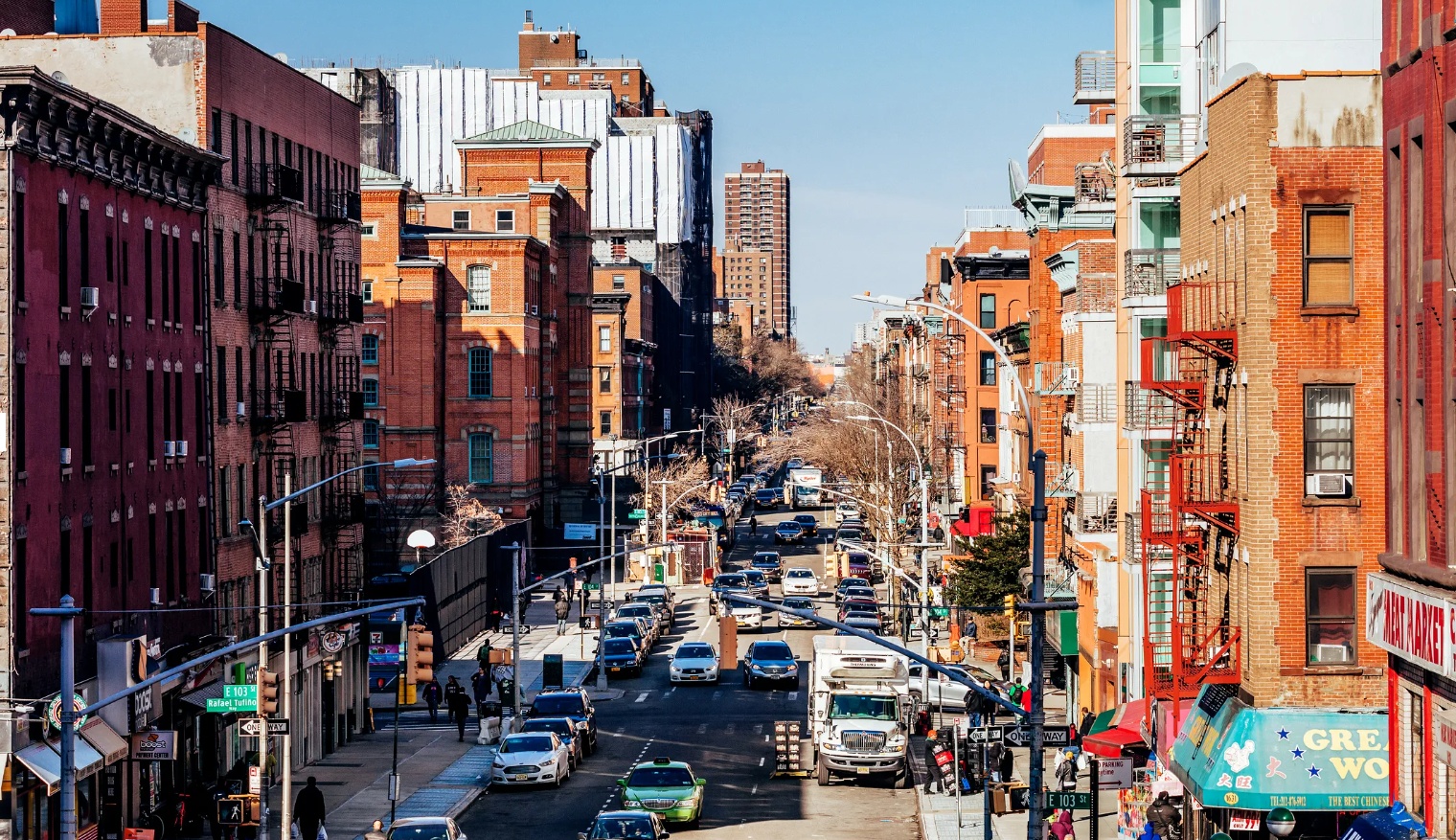
Commercial Construction in Harlem NYC: Key Considerations for Property Owners and Tenants
Harlem continues to experience steady investment and redevelopment, making it one of Manhattan’s most active neighborhoods for commercial construction. From ground floor retail along 125th Street to mixed use buildings and office conversions, Harlem presents strong opportunity for property owners and tenants. At the same time, commercial construction in Harlem requires careful coordination with New York City agencies, an understanding of local zoning, and sensitivity to the neighborhood’s historic character.
Whether the project involves a retail build out, restaurant, community facility, or office renovation, planning ahead is critical to staying on schedule and within budget.
Understanding the Harlem Commercial Landscape
Harlem spans Central, West, and East Harlem, each with distinct characteristics. Major corridors such as 125th Street, Frederick Douglass Boulevard, and Lenox Avenue support national retailers, restaurants, healthcare providers, and community focused businesses.
The area benefits from:
Strong residential density
Multiple subway lines and Metro North access
Ongoing mixed use development
A blend of historic brownstones and new construction
Commercial construction projects often involve repositioning existing buildings to meet modern tenant needs while preserving architectural elements that define the neighborhood.
Zoning and Change of Use Considerations
Zoning regulations in Harlem vary by corridor and block. Some areas encourage mixed use development, while others are more restrictive. Before beginning construction, property owners and tenants should confirm:
Permitted uses under current zoning
Whether a change of use filing is required
Community facility classifications
Assembly occupancy requirements for restaurants or event spaces
Engaging design professionals familiar with Upper Manhattan zoning helps avoid unexpected delays during the permitting process.
NYC Permitting and Agency Approvals
Commercial construction in Harlem is subject to review by several New York City agencies. Depending on the scope of work, approvals may be required from:
NYC Department of Buildings
NYC Fire Department
NYC Department of Health for food service
Landmarks Preservation Commission in designated historic districts
Projects that include structural changes, new storefront installations, or major mechanical upgrades require detailed construction documents and inspections.
Early coordination and accurate filings are essential to maintaining project timelines.
Historic and Landmark District Requirements
Portions of Harlem fall within designated historic districts. Exterior alterations, façade restorations, window replacements, and signage changes may require Landmark approval.
Even when Landmark review is not required, many property owners choose to preserve historic details such as cornices, masonry façades, and decorative elements. Balancing modernization with architectural preservation is often a key part of commercial construction in Harlem.
Infrastructure and Building Conditions
Many Harlem buildings were constructed decades ago and may require infrastructure upgrades to support new commercial uses. Common considerations include:
Electrical service upgrades for modern equipment
HVAC installation in buildings without central air
Sprinkler and fire alarm system upgrades
Plumbing modifications for restaurant or medical uses
ADA accessibility improvements
A thorough pre construction assessment can identify structural limitations and potential cost drivers before work begins.
Retail and Restaurant Build Outs
Harlem’s retail and dining scene continues to grow, especially along major corridors. Restaurant construction in particular requires careful planning for:
Ventilation systems and exhaust routing
Grease traps and plumbing infrastructure
Fire suppression systems
Gas service coordination
Acoustic control to protect residential tenants above
Retail build outs often focus on maximizing storefront visibility while complying with city codes and landlord requirements.
Urban Logistics and Community Coordination
Commercial construction in Harlem, like elsewhere in Manhattan, involves logistical challenges. Narrow streets, limited staging areas, and heavy pedestrian traffic require detailed planning for deliveries and material storage.
Community engagement can also play a role in larger projects. Communicating with local stakeholders and maintaining clean, safe job sites helps support positive relationships during construction.
Budgeting and Long Term Planning
Construction costs in Harlem can vary based on building age, scope of work, and regulatory requirements. Budget considerations often include:
City filing and permit fees
After hours labor
Infrastructure upgrades
Contingency allowances for unforeseen conditions
Developing a realistic schedule and cost plan early in the process reduces the risk of delays and budget overruns.
Building for Long Term Success in Harlem
Commercial construction in Harlem is about more than completing a build out. It is about creating a space that serves the neighborhood, complies with city regulations, and supports long term operational success.
Property owners and tenants who understand zoning, permitting, historic considerations, and building infrastructure are better positioned to deliver successful projects in one of Manhattan’s most dynamic and evolving neighborhoods.

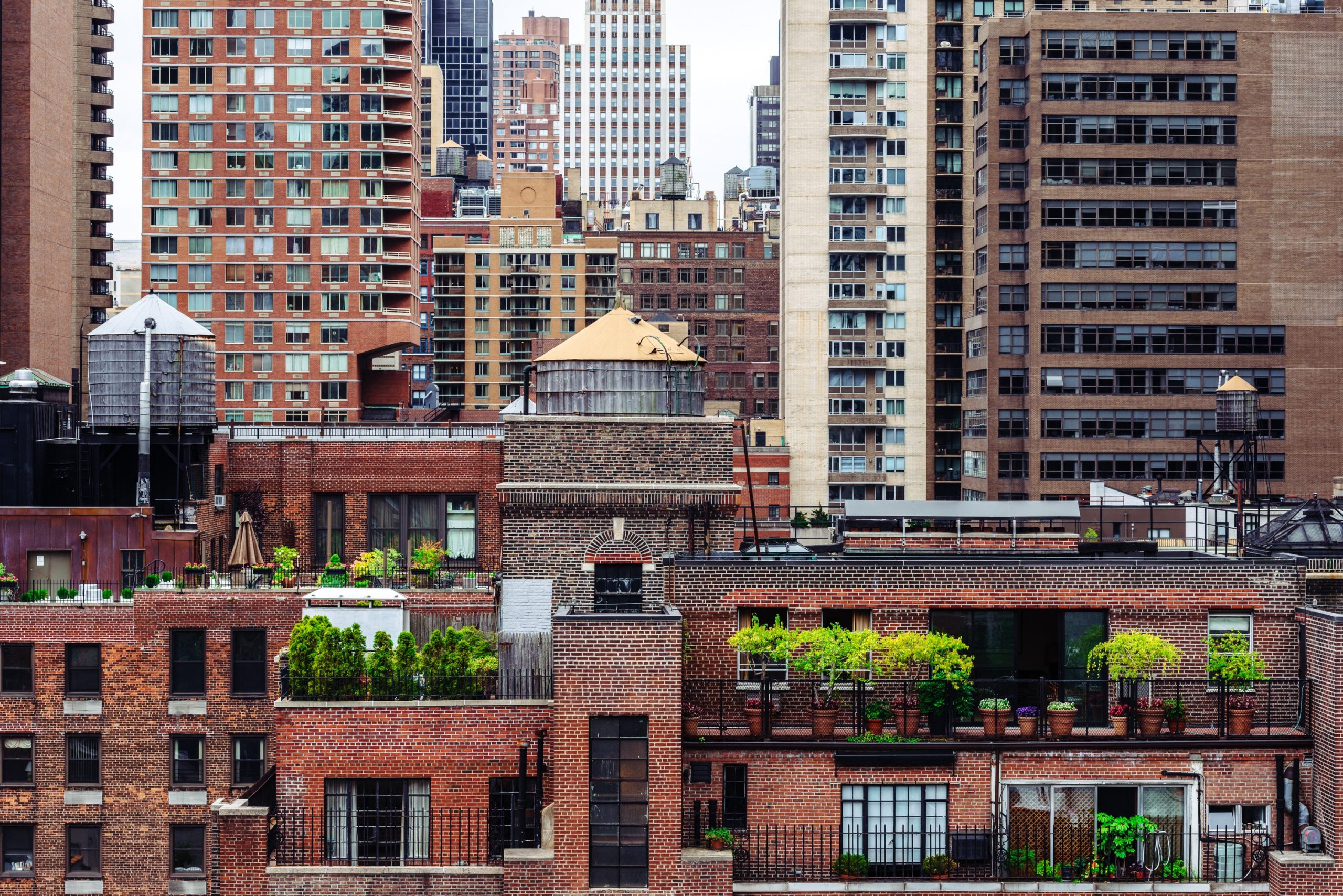
Commercial Construction in Murray Hill NYC: Key Considerations for Property Owners and Tenants
Murray Hill remains one of Manhattan’s most stable and strategically located neighborhoods for commercial space. Positioned between Midtown and Gramercy, and bordered by major corridors such as Park Avenue, Lexington Avenue, and Third Avenue, the area supports a mix of office, medical, retail, and restaurant uses. Commercial construction in Murray Hill requires thoughtful planning to address New York City regulations, building constraints, and the logistical challenges of working in a dense urban environment.
Whether renovating an office floor, building out a medical suite, or constructing a new restaurant space, understanding the neighborhood’s unique characteristics is essential for a successful project.
Understanding the Murray Hill Commercial Landscape
Murray Hill is home to established office tenants, professional services firms, medical practices, and ground floor retail serving a strong residential population. The neighborhood benefits from proximity to Grand Central Terminal, multiple subway lines, and major bus routes.
Commercial construction projects in Murray Hill often involve:
Office renovations and reconfigurations
Medical and healthcare build outs
Restaurant and food service installations
Retail tenant improvements
Lobby and common area upgrades
Because many buildings in the area predate modern construction standards, infrastructure assessments are a critical early step.
NYC Permitting and Regulatory Requirements
Commercial construction in Murray Hill falls under the oversight of the New York City Department of Buildings and other city agencies. Depending on the scope of work, projects may require:
Building permits for general construction
Mechanical, electrical, and plumbing permits
Fire alarm and sprinkler approvals
Department of Health approvals for food service
Accessibility upgrades to meet ADA requirements
Projects involving change of use, structural modifications, or assembly occupancy may require additional review. Early coordination with architects, engineers, and expediters familiar with Manhattan filings can help prevent delays.
Working Within Existing Buildings
Many Murray Hill properties are pre war or mid century office buildings. While these buildings offer strong locations and character, they can present construction challenges.
Common considerations include:
Limited electrical capacity requiring service upgrades
Outdated HVAC systems needing replacement or reconfiguration
Column spacing that impacts layout flexibility
Plumbing limitations in older vertical stacks
Fire protection systems that require modernization
A detailed walkthrough and due diligence phase can identify potential constraints before finalizing budgets and schedules.
Medical and Professional Office Build Outs
Murray Hill has a strong presence of medical and healthcare tenants due to its proximity to major hospitals and transit. Medical office construction typically involves specialized requirements such as:
Enhanced ventilation and air filtration
Additional plumbing for exam rooms
Lead shielding for imaging equipment
Backup power considerations
Strict code compliance for patient safety
These projects require close coordination between design professionals, contractors, and building management.
Restaurant and Retail Construction in Murray Hill
Ground floor retail and restaurant spaces in Murray Hill must address heavy foot traffic and strict city compliance standards. Restaurant build outs often require:
Installation of grease traps
Ventilation systems routed to the roof
Fire suppression systems
Gas service coordination
Acoustic considerations to minimize disturbance to upper floors
Given the density of the neighborhood, work hours, sidewalk access, and material deliveries must be carefully managed.
Urban Logistics and Scheduling
Commercial construction in Murray Hill presents logistical constraints similar to other parts of Manhattan. Contractors must plan for:
Limited staging areas
Freight elevator scheduling
After hours work to minimize tenant disruption
Sidewalk protection and safety compliance
Coordination with neighboring businesses
Clear communication with property management and nearby occupants helps maintain project momentum and reduce disruptions.
Budgeting for Construction in Midtown Manhattan
Construction costs in Murray Hill reflect labor demand, permit requirements, and building conditions. Budget considerations may include:
City filing and inspection fees
Union labor requirements
Infrastructure upgrades
High end finish selections
Contingencies for unforeseen conditions
Establishing a clear scope of work and timeline is essential to controlling costs and meeting occupancy goals.
Positioning for Long Term Success
Commercial construction in Murray Hill offers strong long term value due to the neighborhood’s central location and consistent demand. Successful projects combine careful regulatory planning, realistic budgeting, and experienced project management.
Property owners and tenants who approach construction with a clear understanding of NYC requirements and building infrastructure are better positioned to complete projects efficiently and create spaces that perform well for years to come.
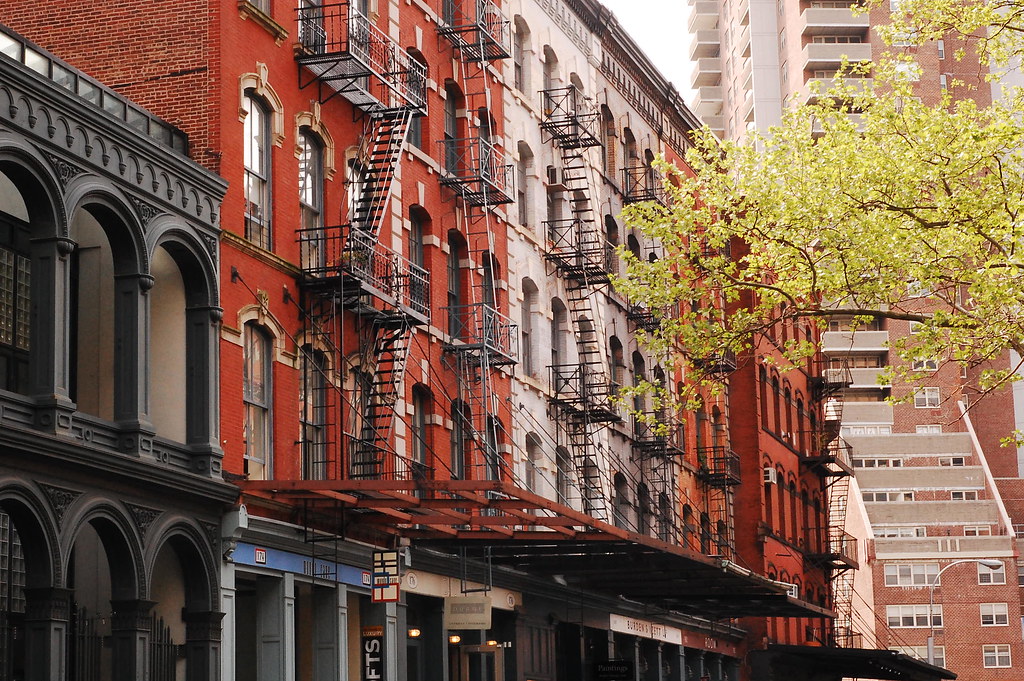
Commercial Construction in Tribeca: What Property Owners and Tenants Should Know
Tribeca remains one of Manhattan’s most sought after neighborhoods for commercial space. Known for its cast iron buildings, converted warehouses, luxury residential towers, and ground floor retail, the area blends historic architecture with modern business needs. Commercial construction in Tribeca requires a deep understanding of New York City regulations, landmark considerations, building infrastructure, and the logistical realities of working in Lower Manhattan.
Whether the project involves a retail build out, office renovation, restaurant construction, or mixed use repositioning, careful planning is essential to navigate the complexities unique to Tribeca.
Understanding the Tribeca Market
Tribeca attracts a mix of creative firms, technology companies, boutique retailers, restaurants, wellness operators, and professional offices. Its high income residential base and steady foot traffic from both locals and visitors make it an attractive destination for commercial tenants.
At the same time, commercial construction projects in Tribeca must account for:
Historic building stock
Landmark district regulations
High real estate values
Limited street access and staging space
These factors influence everything from design decisions to construction scheduling and budget.
Landmark and Historic District Considerations
Large portions of Tribeca fall within designated historic districts overseen by the New York City Landmarks Preservation Commission. If a project involves exterior modifications such as storefront alterations, façade restoration, window replacement, or signage installation, Landmark approval may be required.
Even interior renovations can be affected if they impact structural elements or historically significant features. Early consultation with architects and expediters familiar with Landmark procedures can help prevent delays.
NYC Permitting and Regulatory Requirements
Commercial construction in Tribeca is subject to oversight by multiple New York City agencies. Depending on the scope of work, approvals may be required from:
NYC Department of Buildings
Landmarks Preservation Commission
NYC Fire Department
NYC Department of Health for food service uses
Projects often require detailed filing sets, plan examinations, and inspections. Change of use applications or assembly permits for restaurants and event spaces can further extend timelines.
Understanding these requirements at the outset helps property owners and tenants build realistic project schedules.
Working Within Existing Building Infrastructure
Many Tribeca properties were originally built as warehouses or industrial buildings. While these spaces offer character and high ceilings, they can present infrastructure challenges.
Common considerations include:
Upgrading electrical capacity to meet modern commercial demands
Installing new HVAC systems in buildings without central air
Reinforcing floors for heavier equipment or assembly uses
Modifying plumbing stacks in older structures
Bringing spaces into ADA compliance
A comprehensive pre construction evaluation is critical to identifying potential limitations and avoiding unexpected costs.
Logistics and Site Constraints in Lower Manhattan
Commercial construction in Tribeca requires detailed logistical planning. Narrow streets, heavy pedestrian traffic, and limited parking complicate deliveries and staging.
Contractors must coordinate:
Sidewalk sheds and scaffolding when required
After hours work to minimize disruption
Strict noise ordinances
Freight elevator scheduling in occupied buildings
Material storage limitations
Close communication with building management, neighbors, and city agencies helps keep projects moving efficiently.
Restaurant and Retail Build Outs in Tribeca
Tribeca’s dining and retail scene continues to evolve, but restaurant construction in particular comes with added complexity. Ventilation systems, grease traps, fire suppression, and gas service installations require careful coordination with engineers and city agencies.
Retail and office renovations often focus on preserving architectural character while introducing modern lighting, technology infrastructure, and energy efficient systems.
Balancing aesthetic goals with compliance requirements is a central part of successful commercial construction in this neighborhood.
Budgeting for Commercial Construction in Tribeca
Construction costs in Lower Manhattan tend to reflect union labor, regulatory requirements, and logistical constraints. Factors that can influence budget include:
Permit and filing fees
Landmark review timelines
After hours labor premiums
Structural upgrades in historic buildings
High end finish selections
Developing a clear scope of work and realistic contingency allowance is especially important in older properties where hidden conditions are common.
Planning for Long Term Value
Commercial construction in Tribeca is an investment in one of New York City’s most established and prestigious neighborhoods. Thoughtful design, careful regulatory navigation, and experienced project management are essential to delivering a space that meets both operational needs and long term asset value goals.
Property owners and tenants who understand the regulatory landscape, building conditions, and logistical realities of Lower Manhattan are better positioned to complete projects efficiently and successfully in the Tribeca market.
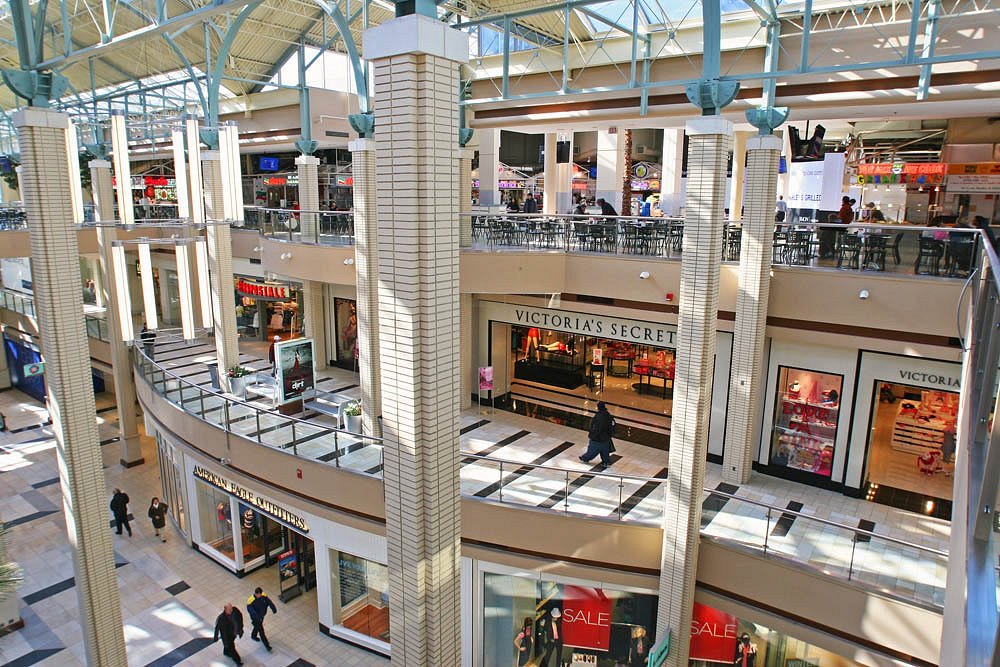
Retail Construction at Newport Centre: What Tenants Should Know
Newport Centre in Jersey City is one of the most established and high traffic shopping destinations in Hudson County. Located in the heart of the Newport neighborhood and directly connected to the PATH train, the mall draws shoppers from Jersey City, Hoboken, and New York City. For retailers, retail construction at Newport Centre offers strong visibility and access to a dense urban customer base, but it also requires careful coordination and planning.
Understanding the building’s infrastructure, landlord requirements, and local regulations is essential for a successful retail build out in this environment.
Understanding the Jersey City Retail Landscape
Newport Centre sits within a rapidly growing residential and commercial corridor. Thousands of residential units surround the mall, and the area continues to see high rise development and mixed use expansion. The direct PATH access to Manhattan creates steady foot traffic throughout the week, with peaks during evenings and weekends.
Retailers in Newport Centre benefit from:
High population density
Strong disposable income demographics
Public transit accessibility
Proximity to office buildings and residential towers
Construction planning must take into account the urban setting and continuous pedestrian flow that defines the Newport area.
Landlord Coordination and Mall Construction Standards
As an enclosed regional mall, Newport Centre has detailed construction and design criteria. Tenants are required to submit architectural and engineering drawings for landlord approval prior to starting work. Design standards typically address:
Storefront systems and glazing requirements
Signage specifications
Lighting levels and visibility
Floor loading and structural considerations
Hours of construction and noise limitations
Construction work often must be performed during off hours to avoid disrupting shoppers and neighboring tenants. Strict insurance, safety, and security protocols are also common in large enclosed malls.
Permitting and Compliance in Jersey City
Retail construction projects in Jersey City require compliance with municipal building codes, fire safety regulations, and zoning ordinances. Depending on the scope of work, tenants may need:
Building permits
Electrical, plumbing, and mechanical permits
Fire alarm and sprinkler approvals
Health department approvals for food service uses
Given Jersey City’s density and regulatory environment, early coordination with local inspectors and code officials helps prevent delays. Projects that involve structural changes or exterior signage modifications may require additional review.
Infrastructure and Existing Conditions
Newport Centre has been in operation for decades, and individual retail spaces may require upgrades to meet current tenant needs. Common considerations include:
Electrical capacity for modern lighting and point of sale systems
HVAC modifications to support new layouts
Sprinkler and fire alarm reconfiguration
ADA compliance updates
Floor leveling and finish replacement
A thorough site evaluation before finalizing construction budgets can identify potential infrastructure limitations.
Urban Logistics and Scheduling
Retail construction in Jersey City presents logistical challenges that differ from suburban shopping centers. Delivery access, loading dock scheduling, elevator usage, and material storage must all be coordinated in advance.
Limited staging areas and strict work hour restrictions require detailed project management. Contractors must maintain safe egress paths and minimize disruption to common areas throughout the construction process.
For food and beverage tenants, additional coordination is often required for grease traps, ventilation routing, and utility tie ins within a multi level enclosed structure.
Budgeting for Retail Construction in Hudson County
Construction costs in Jersey City can be influenced by labor demand, union requirements, and material logistics. Urban conditions may increase costs related to:
After hours work
Security and supervision
Parking and equipment staging
Permit fees and inspection coordination
Developing a realistic timeline and contingency plan is essential when building in a high density urban retail environment like Newport Centre.
Planning for a Successful Opening
Retail construction at Newport Centre requires more than standard tenant improvements. It demands a clear understanding of landlord standards, city regulations, and urban logistics. Proper planning, coordination, and experienced project oversight can help ensure the project opens on schedule and operates efficiently long term.
For retailers entering the Jersey City market, Newport Centre offers strong foot traffic and long term opportunity. Careful attention to construction planning and compliance will help position the space for success in one of Hudson County’s most active retail corridors.
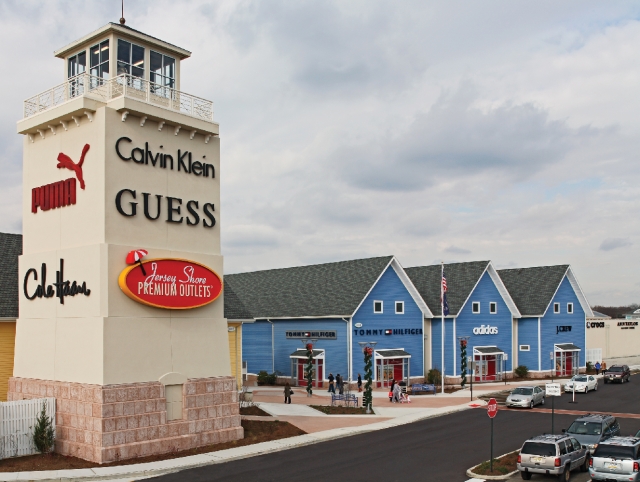
Retail Construction at Jersey Shore Premium Outlets: What Tenants Should Know
Jersey Shore Premium Outlets in Tinton Falls, New Jersey is one of the most prominent outlet shopping destinations in Monmouth County. With national brands, steady tourism, and strong seasonal traffic, it offers significant opportunity for retailers looking to establish or expand their footprint along the Jersey Shore.
Retail construction at Jersey Shore Premium Outlets comes with unique considerations. From outlet specific design standards to coastal climate factors and strict landlord requirements, tenants must approach build outs with careful planning and a clear understanding of the property’s operational environment.
Understanding the Tinton Falls Retail Market
Located just off Garden State Parkway Exit 100 and near Route 66, Jersey Shore Premium Outlets benefits from high visibility and convenient regional access. The center draws shoppers from Monmouth and Ocean Counties, as well as summer visitors traveling to Long Branch, Asbury Park, and surrounding beach communities.
Seasonality plays a major role in this market. Summer months bring increased traffic and higher sales volumes, which can influence construction scheduling. Tenants often aim to complete their build out before peak tourist season to maximize revenue during the busiest time of year.
Landlord Requirements and Design Criteria
Outlet centers typically maintain strict brand and architectural standards. At Jersey Shore Premium Outlets, tenants must comply with landlord guidelines related to:
Storefront design and signage
Exterior materials and finishes
Lighting and façade consistency
Operating hours and construction scheduling
Insurance and safety requirements
Before construction begins, detailed drawings are submitted for landlord review and approval. Working with a contractor experienced in outlet retail construction can help streamline this process and avoid costly revisions.
Permitting and Local Approvals in Tinton Falls
Retail construction projects in Tinton Falls must comply with borough building codes, fire regulations, and zoning requirements. Depending on the scope of work, tenants may need:
Construction permits
Electrical and plumbing permits
Fire alarm and sprinkler approvals
Health department sign off for food related uses
If exterior modifications are proposed, additional municipal review may be required. Early engagement with local officials helps ensure the project timeline remains on track.
Site Specific Construction Challenges
Unlike enclosed malls, Jersey Shore Premium Outlets is an open air shopping center. This creates specific construction and logistical challenges.
Weather exposure can impact storefront installation, roofing transitions, and exterior finish work. Wind, salt air, and seasonal temperature swings must be considered when selecting materials. Durable, moisture resistant systems are often preferred to withstand coastal conditions.
Additionally, construction must be coordinated around pedestrian traffic and neighboring tenants. Maintaining safe access and minimizing disruptions is essential, especially during high traffic weekends.
Infrastructure and Utility Considerations
Many outlet spaces are delivered as vanilla box units, but infrastructure requirements vary depending on the tenant’s use. Common construction considerations include:
Upgrading electrical service for lighting and technology
Installing new HVAC systems or modifying existing ductwork
Adjusting sprinkler layouts to accommodate ceiling designs
Plumbing work for fitting rooms or food service components
A thorough pre construction assessment can identify capacity limitations and prevent mid project surprises.
Budgeting and Scheduling for Shore Area Retail Projects
Retail construction costs in Monmouth County depend on scope, finishes, and infrastructure needs. Seasonal demand can also affect subcontractor availability and pricing. Planning construction during slower retail months may provide greater flexibility and reduce scheduling conflicts.
Aligning the construction schedule with lease commencement dates and anticipated peak sales periods is critical. Many retailers aim for a spring opening to capitalize on summer traffic at the Jersey Shore.
Positioning for Long Term Performance
Retail construction at Jersey Shore Premium Outlets is about more than opening day. The build out should support operational efficiency, strong visual merchandising, and long term durability. Quality workmanship and strategic planning can reduce maintenance issues and operational disruptions over time.
For retailers entering the Tinton Falls market, understanding landlord expectations, municipal requirements, and the coastal environment is key. With the right preparation and experienced project management, tenants can create a space that performs well in one of New Jersey’s most active outlet shopping destinations.
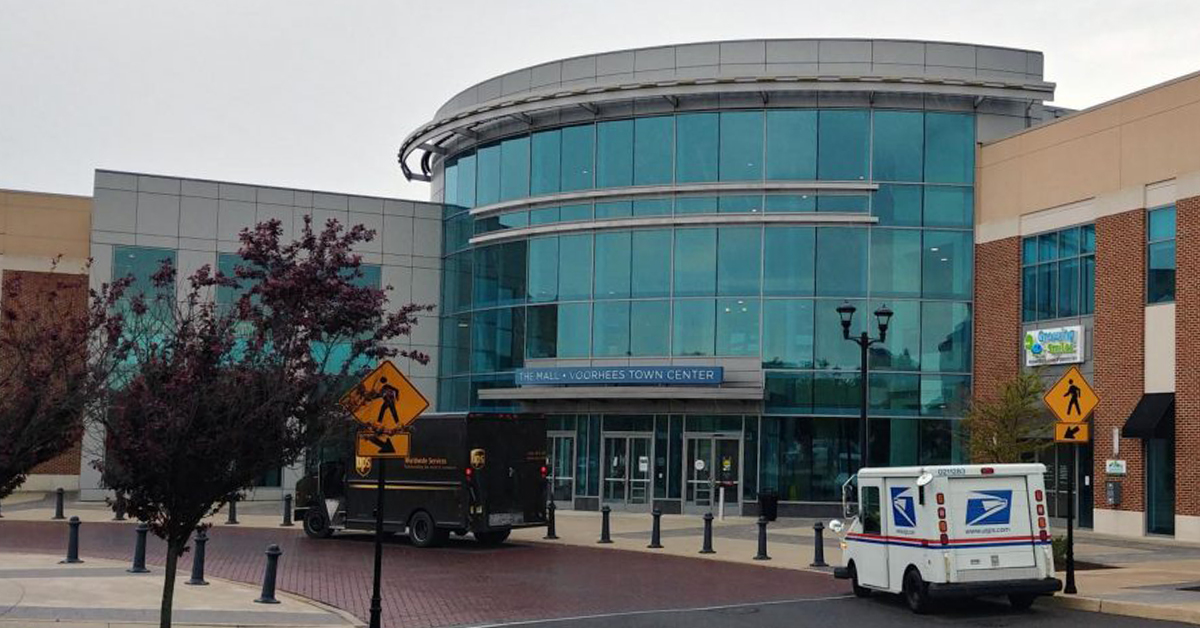
Retail Construction at Voorhees Town Center
Voorhees Town Center has long been a cornerstone of the South Jersey retail landscape. As the property continues to evolve, retail construction at Voorhees Town Center presents unique opportunities and challenges for tenants, developers, and property owners looking to establish or expand their presence in Camden County.
Understanding the local market, municipal requirements, and site specific logistics is essential for a successful retail build out. Whether you are planning a new store, restaurant, fitness studio, or specialty concept, thoughtful planning and experienced execution are critical in a redevelopment environment like Voorhees Town Center.
Understanding the Voorhees Retail Market
Voorhees, New Jersey sits in a strong demographic corridor with access to Routes 73, 70, and the PATCO Speedline. The Town Center draws from Voorhees, Cherry Hill, Marlton, Gibbsboro, and surrounding communities. Retailers benefit from a dense residential base, strong household incomes, and consistent traffic flow.
In recent years, consumer preferences have shifted toward experiential retail, food and beverage concepts, service oriented tenants, and medical or wellness users. Construction projects at Voorhees Town Center often involve repositioning former retail spaces to meet these evolving demands. That can mean combining units, subdividing larger anchor boxes, or upgrading infrastructure to accommodate restaurant kitchens or specialty equipment.
Key Considerations for Retail Construction at Voorhees Town Center
Retail construction in an existing shopping center environment requires coordination at multiple levels. Below are several important factors tenants and landlords should consider.
Landlord and Property Management Requirements
Shopping center construction involves strict landlord criteria. Tenants must comply with established design standards, signage guidelines, and construction procedures. Work hours may be limited to minimize disruption to operating businesses. Insurance, bonding, and security protocols are typically required before any work begins.
Clear communication with property management helps streamline approvals and prevent costly delays.
Municipal Approvals and Permitting in Voorhees Township
Voorhees Township has specific zoning, building, and fire code requirements that must be addressed during the planning phase. Retail construction projects may require:
-
Zoning review for change of use
-
Planning Board approvals for exterior modifications
-
Construction permits and inspections
-
Health Department approvals for food service establishments
Early coordination with township officials and design professionals familiar with Camden County regulations can help prevent timeline setbacks.
Existing Conditions and Infrastructure
Many retail spaces at Voorhees Town Center were built years ago and may require infrastructure upgrades. Common issues include:
-
Electrical capacity upgrades
-
HVAC replacements or reconfigurations
-
Sprinkler system modifications
-
ADA compliance updates
-
Structural adjustments for new storefronts
A thorough site walk and due diligence assessment before signing a lease can uncover potential cost drivers.
Phasing and Minimizing Disruption
Retail construction in an active shopping center requires careful scheduling. Contractors must coordinate deliveries, dumpster placement, and loud work around peak shopping hours. Maintaining safe pedestrian access and clear signage during construction protects both tenants and customers.
Phasing strategies are especially important for multi tenant build outs or projects near high traffic entrances.
Trends in Retail Build Outs at Voorhees Town Center
As shopping centers adapt to new consumer patterns, several construction trends are emerging in Voorhees retail projects:
Open concept layouts that allow flexibility for merchandising and customer flow
Upgraded storefront systems with modern glass and lighting features
Enhanced exterior façades to support rebranding efforts
Energy efficient lighting and HVAC systems to reduce operating costs
Improved back of house layouts to accommodate e commerce integration
Restaurants and food operators in particular require specialized construction planning for grease traps, ventilation, plumbing, and fire suppression systems. Early coordination between architects, engineers, and contractors is essential.
Budgeting for Retail Construction in South Jersey
Construction costs in Camden County can vary based on scope, materials, and infrastructure upgrades. Factors that impact retail build out budgets include:
Demolition and existing condition remediation
Mechanical, electrical, and plumbing upgrades
Millwork and finish selections
Permit and inspection fees
Lead times for specialty materials
Establishing a realistic construction budget early in the process helps avoid surprises. It is also important to align the construction schedule with lease commencement dates and potential rent commencement provisions.
Planning for Long Term Success
Retail construction at Voorhees Town Center is more than just a build out. It is an investment in long term brand presence within a competitive South Jersey market. Careful planning, proper due diligence, and strong project management contribute directly to opening on time and within budget.
For businesses considering a new location or renovation at Voorhees Town Center, working with professionals who understand local regulations, landlord requirements, and retail specific construction challenges can make a measurable difference in project outcomes.
As Voorhees Township continues to grow and adapt, the Town Center remains a key retail destination. Thoughtful construction and strategic upgrades will play a major role in shaping its next chapter.
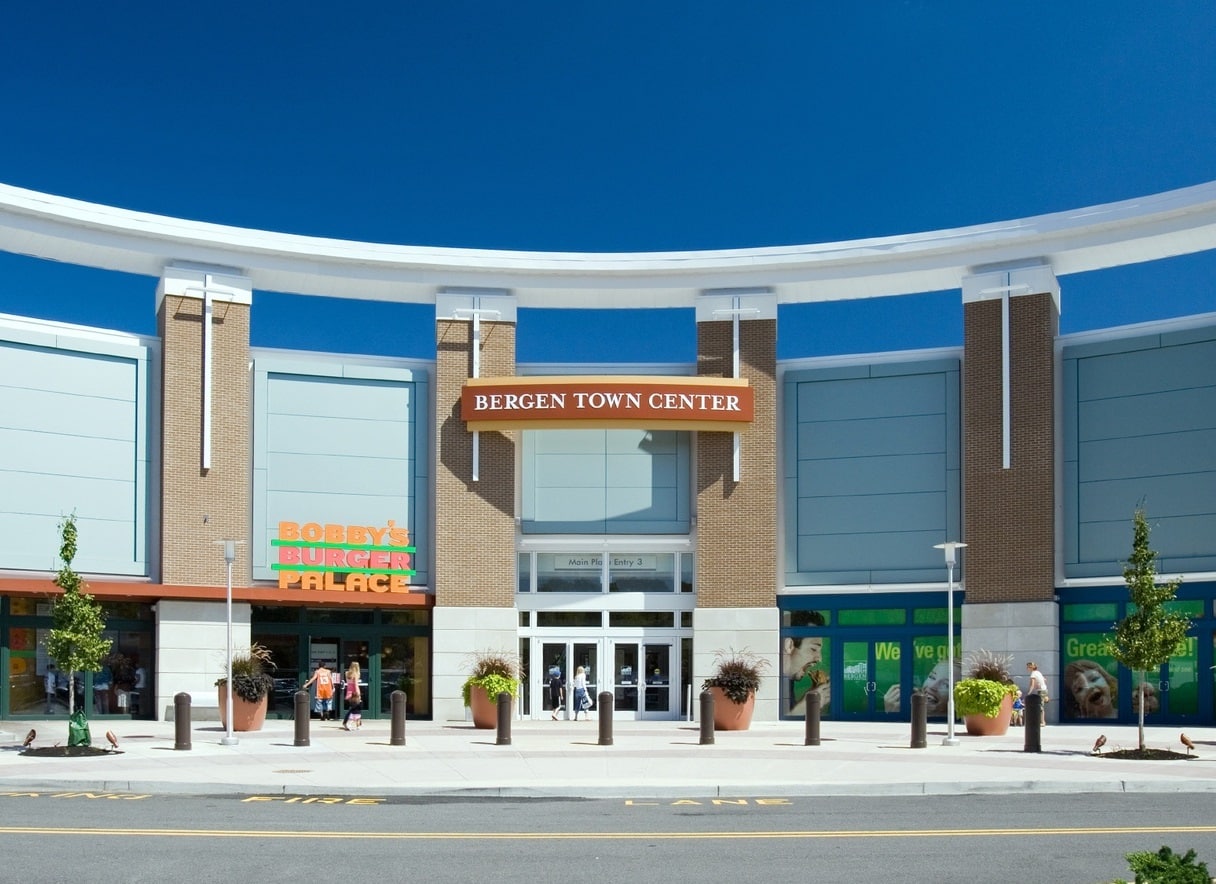
Retail Construction at Bergen Town Center: Expert General Contracting in Paramus, NJ
Bergen Town Center in Paramus, New Jersey is one of the most active retail corridors in the state. Located along Route 4, the center attracts national brands, specialty retailers, and steady consumer traffic year round. Construction at Bergen Town Center requires experienced general contracting and disciplined construction management to ensure projects are delivered efficiently and in full compliance with local regulations.
Retail construction in Paramus presents unique challenges. Strict borough ordinances, detailed landlord requirements, and high traffic conditions demand precise planning and coordination. Working within an operating shopping center also requires careful logistics management to minimize disruption to neighboring tenants and shoppers.
At Plescia Construction and Development, we provide comprehensive general contracting and construction management services for retail construction projects throughout New Jersey, including Bergen Town Center.
Navigating Construction Requirements in Paramus, NJ
Paramus has specific zoning regulations, permitting processes, and inspection requirements that must be managed carefully. In addition, Bergen Town Center enforces property management standards that govern work hours, deliveries, insurance documentation, and safety protocols.
Our preconstruction approach focuses on detailed budgeting, schedule development, and constructability review. Early coordination with architects, engineers, municipal officials, and property management reduces risk and protects critical store opening timelines.
Delivering High Quality Retail Buildouts
Retail tenants at Bergen Town Center require buildouts that align with national brand standards. Projects often include custom storefront installations, specialty lighting, mechanical upgrades, millwork, flooring systems, and detailed interior finishes.
Strong construction management ensures seamless coordination among all trades. Through proactive supervision and disciplined execution, we maintain quality control while keeping projects on schedule and within budget.
Meeting Retail Deadlines in a Competitive Market
Retail construction timelines are often aggressive and tied to marketing launches or seasonal traffic cycles. Delays can significantly impact revenue and brand performance.
An experienced general contractor in Paramus understands how to manage inspections, subcontractor sequencing, procurement schedules, and final approvals to achieve on time completion. Clear communication and hands on leadership are essential throughout every phase of the project.
Your Construction Partner at Bergen Town Center
Whether you are a national retailer expanding into Paramus or a property owner upgrading existing space, selecting the right construction management firm is critical.
Plescia Construction and Development delivers professional retail construction services with a focus on accountability, precision, and long term value. We build retail environments designed to perform in high visibility shopping centers.
If you are planning construction at Bergen Town Center, contact Plescia Construction and Development to discuss how our general contracting and construction management expertise can support your next retail project.
Retail Construction at The Mills at Jersey Gardens: Expert General Contracting in Elizabeth, NJ
The Mills at Jersey Gardens in Elizabeth, New Jersey is one of the largest outlet and value retail destinations in the region. With high foot traffic, national retailers, and year round tourism, construction at Jersey Gardens requires precise coordination, strict compliance, and experienced construction management.
Retail construction inside The Mills at Jersey Gardens presents unique challenges. Projects must meet landlord requirements, outlet center guidelines, and municipal building codes while maintaining safety and minimizing disruption to shoppers and surrounding tenants. An experienced general contractor is essential to delivering a successful retail buildout on schedule.
At Plescia Construction and Development, we provide comprehensive general contracting and construction management services for retail construction projects throughout New Jersey, including major shopping centers like The Mills at Jersey Gardens.
Understanding Construction Requirements at Jersey Gardens
Construction within an active outlet mall environment requires detailed planning and documentation. Contractors must manage insurance approvals, work hour restrictions, delivery logistics, staging limitations, and coordination with mall management.
Our preconstruction process includes budgeting, scheduling, constructability review, and early coordination with architects and engineers. By addressing potential challenges upfront, we help protect store opening deadlines and control costs.
High Quality Retail Buildouts in Elizabeth, NJ
Retail tenants at The Mills at Jersey Gardens demand precise execution that aligns with corporate brand standards. From storefront systems and specialty lighting to flooring, millwork, mechanical systems, and final finishes, every detail matters.
Strong construction management ensures seamless coordination of subcontractors and trades. Through disciplined supervision and proactive communication, we maintain quality control while driving project efficiency.
Meeting Aggressive Retail Timelines
Retail store openings are often tied to marketing campaigns, seasonal sales cycles, and corporate expansion strategies. Delays can impact revenue and brand momentum.
An experienced general contractor in Elizabeth understands how to manage inspections, material procurement, and subcontractor sequencing to keep projects on track. Clear reporting and strong field leadership are critical to achieving on time completion.
Your Construction Partner at The Mills at Jersey Gardens
Whether you are a national retailer expanding into Jersey Gardens or a developer renovating an existing space, selecting the right construction management firm is essential.
Plescia Construction and Development delivers professional retail construction services with a focus on accountability, schedule integrity, and high quality craftsmanship. We build retail spaces designed to perform in competitive outlet environments.
If you are planning construction at The Mills at Jersey Gardens, contact Plescia Construction and Development to discuss how our general contracting and construction management expertise can support your next project.
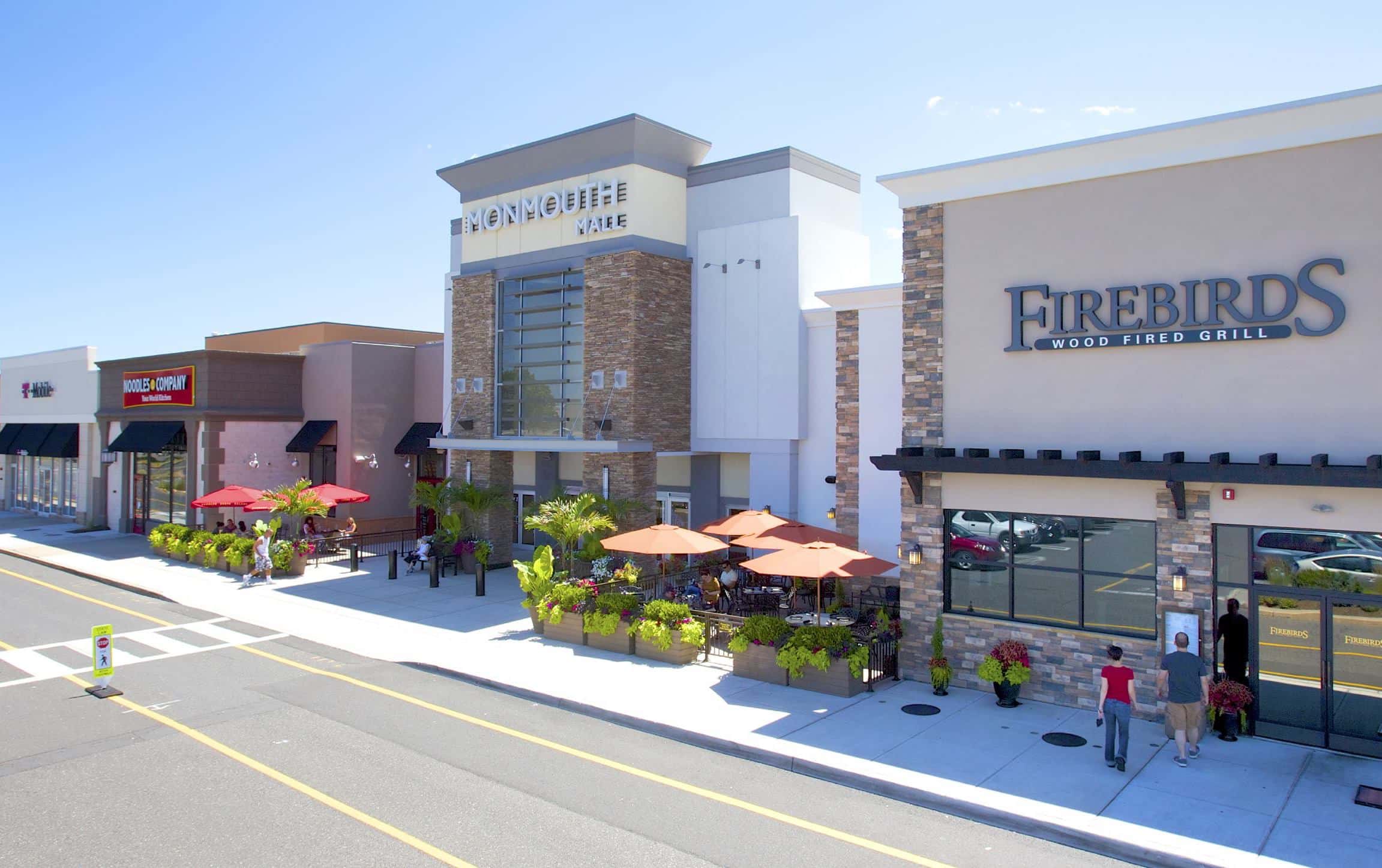
Retail Construction at Monmouth Mall: Expert General Contracting in Eatontown, NJ
Monmouth Mall in Eatontown, New Jersey continues to evolve as a major retail and mixed use destination in Monmouth County. With ongoing redevelopment, tenant improvements, and new retail concepts, construction at Monmouth Mall requires experienced general contracting and disciplined construction management to ensure successful project delivery.
Retail construction within an active shopping center presents unique operational challenges. Projects must comply with landlord guidelines, municipal building codes, and redevelopment standards while maintaining safe conditions for shoppers and neighboring tenants. Proper planning and coordination are essential to protect both schedule and budget.
At Plescia Construction and Development, we provide professional general contracting and construction management services for retail construction projects throughout New Jersey, including high profile centers like Monmouth Mall.
Navigating Construction Requirements at Monmouth Mall
Construction at Monmouth Mall requires detailed submittals, insurance compliance, scheduling coordination, and adherence to property management standards. Contractors must carefully manage deliveries, staging, waste removal, and work hours to align with mall operations.
Our team leads the preconstruction process with comprehensive budgeting, constructability reviews, and schedule development. Early coordination with architects, engineers, and mall representatives reduces risk and helps avoid costly delays.
High Quality Retail Buildouts in Eatontown, NJ
Retail tenants demand buildouts that meet strict brand standards. From storefront installations and custom millwork to lighting systems, HVAC coordination, flooring, and finish work, every detail must be executed with precision.
Strong construction management ensures seamless coordination among all trades. Through proactive supervision and clear communication, we maintain quality control while driving efficiency across every phase of the project.
Meeting Retail Opening Deadlines
Retail construction schedules are often aggressive and tied to seasonal shopping cycles or corporate expansion timelines. Delays can impact revenue and long term performance.
An experienced general contractor in Eatontown understands how to manage inspections, material procurement, subcontractor sequencing, and final approvals to achieve on time completion. Detailed planning and hands on leadership are critical to maintaining momentum from start to finish.
Your Partner for Construction at Monmouth Mall
Whether you are a national retailer expanding into Monmouth County or a property owner upgrading existing space, choosing the right construction management firm is essential. You need a contractor with experience in retail environments, knowledge of New Jersey building regulations, and a commitment to accountability.
Plescia Construction and Development delivers professional retail construction services with a focus on schedule integrity, cost control, and high quality craftsmanship. We build spaces designed to perform in competitive retail markets.
If you are planning construction at Monmouth Mall, contact Plescia Construction and Development to discuss how our general contracting and construction management expertise can support your next project.
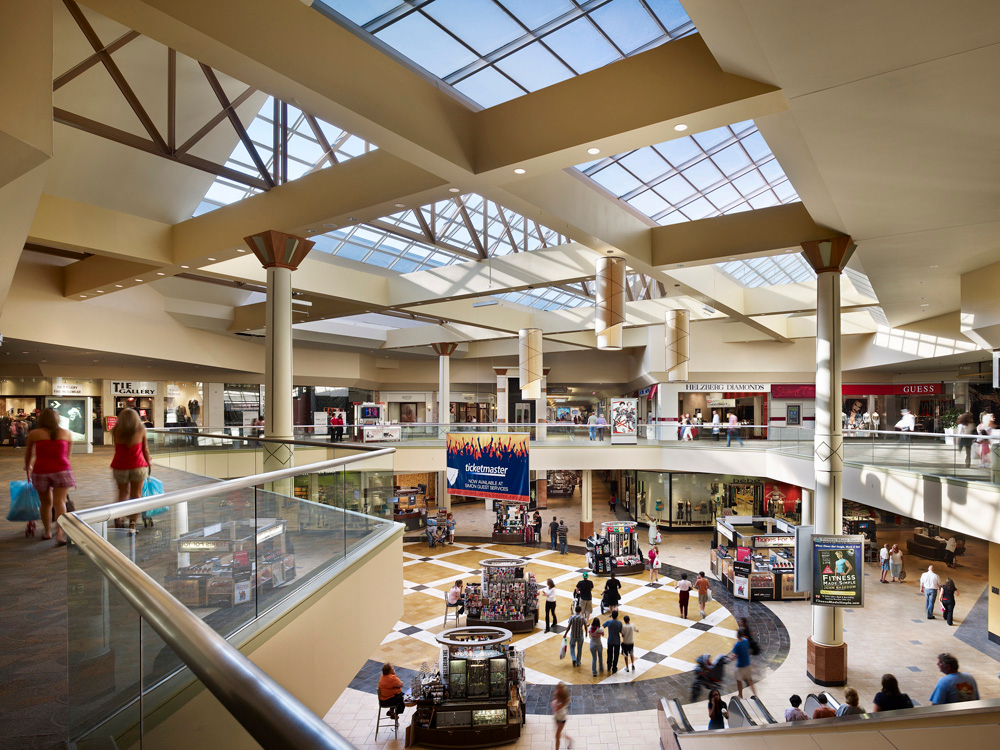
Retail Construction at Rockaway Townsquare: Professional General Contracting in Rockaway, NJ
Rockaway Townsquare is one of northern New Jersey’s most established retail destinations, attracting national brands, restaurants, and specialty retailers. Construction at Rockaway Townsquare requires experienced leadership, detailed planning, and strong coordination to meet both landlord requirements and tenant brand standards.
Retail construction in an active shopping mall environment presents unique challenges. Contractors must manage strict scheduling windows, property management regulations, delivery logistics, and safety protocols while maintaining minimal disruption to shoppers and neighboring stores. Partnering with an experienced general contractor is critical to ensuring a smooth and successful buildout.
At Plescia Construction and Development, we provide comprehensive general contracting and construction management services for retail projects throughout New Jersey, including high traffic centers like Rockaway Townsquare.
Navigating Mall Construction Requirements in Rockaway, NJ
Construction at Rockaway Townsquare involves compliance with mall specific guidelines, municipal building codes, and Morris County inspection requirements. Detailed submittals, insurance documentation, and coordinated approvals must be secured before work begins.
Our preconstruction process focuses on accurate budgeting, scheduling strategy, and constructability review. Early coordination with architects, engineers, and mall management helps prevent costly delays and protects critical store opening timelines.
Delivering High Quality Retail Buildouts
Retail tenants often require custom storefront systems, specialty lighting, detailed millwork, flooring installations, and branded interior finishes. Effective construction management ensures that each trade partner performs to specification while maintaining quality control and efficiency.
Through disciplined site supervision and clear communication, we coordinate all phases of construction including demolition, framing, mechanical systems, electrical, plumbing, and final finishes. Our goal is to deliver a space that reflects the tenant’s brand while meeting landlord and code requirements.
Meeting Aggressive Retail Construction Schedules
Retail construction projects frequently operate under tight deadlines tied to corporate rollout schedules and marketing campaigns. Delays can have significant financial impact.
An experienced general contractor in Rockaway understands how to manage inspections, material procurement, and subcontractor sequencing to keep projects on track. Proactive planning and strong field leadership are essential to achieving on time completion.
Your Construction Partner at Rockaway Townsquare
Whether you are a national retailer expanding into Rockaway, NJ or a developer renovating existing space, selecting the right construction management firm is one of the most important decisions you will make.
Plescia Construction and Development delivers professional retail construction services with a focus on accountability, quality craftsmanship, and schedule integrity. We build spaces designed to perform in competitive retail environments.
If you are planning construction at Rockaway Townsquare, contact Plescia Construction and Development to discuss how our general contracting and construction management expertise can support your next retail project.