

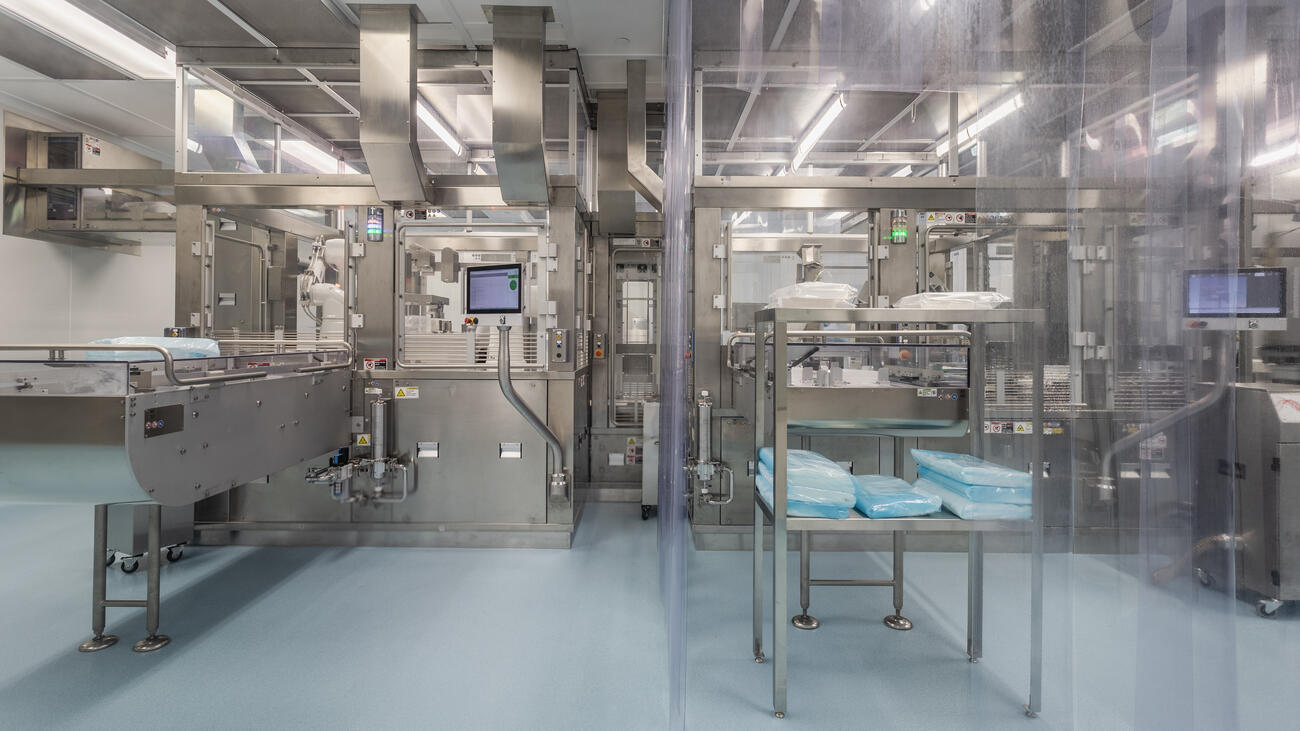
General Contracting for Pharmaceutical Builds: Planning for Complexity Where Precision Matters
Pharmaceutical construction is one of the most complex and highly regulated sectors in the building industry. From research laboratories and testing facilities to GMP manufacturing suites and ISO-classified clean rooms, these environments demand absolute precision, rigorous planning, and flawless execution.
For a general contractor, pharmaceutical builds require far more than traditional construction management. Success depends on deep technical understanding, proactive coordination, and the ability to plan for regulatory, mechanical, and operational challenges long before construction begins.
What Makes Pharmaceutical Construction So Complex?
Pharmaceutical facilities present a unique set of challenges that impact every phase of construction.
Regulatory and GMP Compliance
Pharmaceutical buildings must comply with FDA, GMP, ISO, and other regulatory standards. These requirements influence material selection, installation methods, finishes, and documentation. Even minor construction errors can lead to failed inspections, delayed validation, and costly rework.
An experienced pharmaceutical general contractor understands how construction decisions affect downstream commissioning and validation.
Highly Specialized MEP Systems
Laboratories and clean rooms rely on advanced mechanical, electrical, and plumbing systems, including:
-
Precise temperature and humidity control
-
Pressurization and airflow cascades
-
HEPA and ULPA filtration systems
-
Redundant electrical power and backup systems
-
Specialty gases and purified water systems
These systems are tightly coordinated and space-intensive, leaving little margin for error in layout or installation.
Clean Room Construction and Performance Requirements
Clean room environments demand exact tolerances and careful sequencing. Envelope integrity, penetrations, finishes, and airflow patterns all directly affect cleanliness classification. Poor coordination or improper sequencing can compromise performance and delay certification.
Equipment Coordination and Long Lead Times
Pharmaceutical projects often include owner-furnished equipment with strict utility, clearance, and installation requirements. Coordinating equipment vendors, engineers, and trade partners is critical to keeping the project on schedule and ensuring systems function as designed.
Construction in Active or Occupied Facilities
Many pharmaceutical construction projects occur within active campuses or operational facilities. Phasing, shutdowns, safety protocols, and contamination control must be meticulously planned to protect ongoing research or manufacturing operations.
How We Plan and Execute Successful Pharmaceutical Builds
Effective pharmaceutical construction starts with planning. Our approach as a general contractor focuses on identifying risk early, coordinating thoroughly, and maintaining quality at every stage.
Early Collaboration and Preconstruction Planning
We engage early with owners, architects, engineers, and key trade partners to fully understand regulatory requirements, operational goals, and system interdependencies. This early collaboration reduces design conflicts and prevents costly changes during construction.
Detailed Scheduling Integrated With Validation
Pharmaceutical construction schedules must account for long-lead equipment, inspections, testing, commissioning, and validation—not just physical construction. We develop schedules that align construction milestones with regulatory and operational requirements.
Advanced Coordination and BIM
We utilize BIM and detailed coordination processes to resolve clashes before work reaches the field. This is especially critical in laboratories and clean rooms, where ceiling space is limited and system density is high.
Built-In Quality Control
Quality control is embedded throughout the construction process. Mock-ups, inspections, documentation tracking, and QA/QC checkpoints help ensure that systems are installed correctly the first time and support a smooth validation and turnover process.
Phasing and Risk Management in Operational Environments
When working in live pharmaceutical facilities, we carefully plan construction phasing, access routes, and shutdowns. Clear communication and contingency planning minimize disruption while maintaining safety and schedule certainty.
The Value of an Experienced Pharmaceutical General Contractor
Pharmaceutical construction leaves little room for error. The most successful lab, clean room, and manufacturing projects are led by general contractors who understand the regulatory landscape, anticipate technical challenges, and bring structure to complexity.
With disciplined planning, expert coordination, and a proactive approach to quality and risk management, pharmaceutical facilities can be delivered safely, compliantly, and ready for operation on day one.

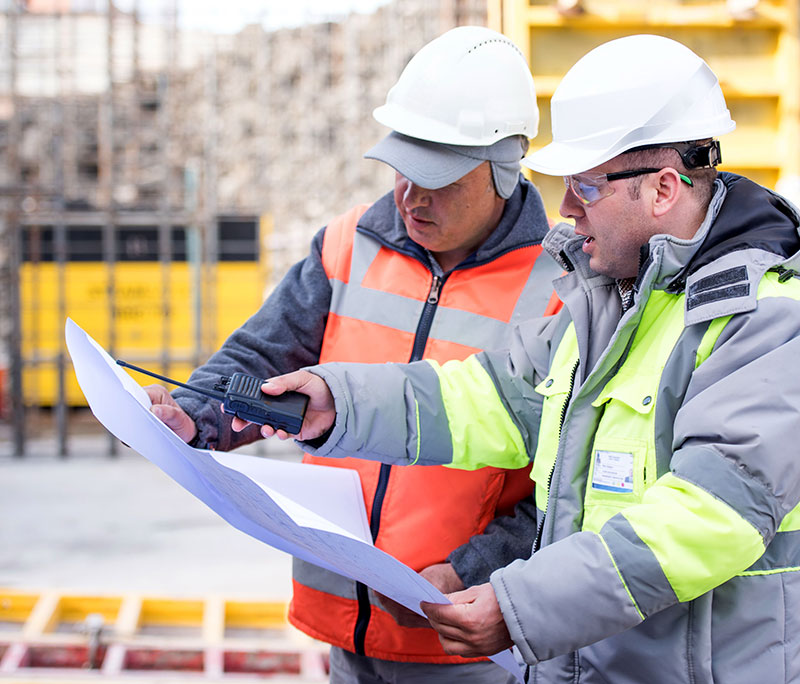
Commercial Building Construction Process: From Concept to Completion
The commercial building construction process is a structured sequence of planning, design, coordination, and execution that transforms an idea into a completed facility. Whether the project involves an office building, retail center, medical facility, warehouse, restaurant, or mixed use development, each phase plays a critical role in delivering a safe, functional, and code compliant structure.
Understanding how commercial construction works helps property owners, developers, and tenants make informed decisions before and during the build.
Phase 1: Predevelopment and Feasibility
Every commercial building project begins with due diligence and feasibility analysis. This early stage determines whether the project is financially and logistically viable.
Key steps include:
Site selection and evaluation
Zoning and land use review
Preliminary budgeting
Environmental assessments
Utility availability verification
Conceptual design planning
At this stage, stakeholders assess projected construction costs, potential revenue, financing options, and regulatory requirements. Addressing these factors early reduces risk later in the commercial construction process.
Phase 2: Design and Planning
Once feasibility is confirmed, the project moves into the design phase. Architects and engineers develop drawings that define the building layout, structural systems, mechanical systems, and exterior envelope.
Design typically progresses through several stages:
Conceptual design
Schematic design
Design development
Construction documents
As the design becomes more detailed, cost estimates are refined and materials are specified. Coordination between architectural, structural, mechanical, electrical, and plumbing disciplines is essential to prevent conflicts and delays during construction.
Permitting and regulatory approvals are also initiated during this phase.
Phase 3: Preconstruction and Procurement
Before ground is broken, the preconstruction phase prepares the project for execution.
This includes:
Final budgeting and value engineering
Construction scheduling
Subcontractor bidding and selection
Long lead material procurement
Permit approvals
Site logistics planning
Preconstruction ensures that labor, materials, and equipment are properly coordinated. Early procurement of critical components such as structural steel, rooftop units, switchgear, elevators, and specialty systems helps prevent supply chain delays.
Detailed scheduling establishes the timeline for every stage of the commercial building construction process.
Phase 4: Site Preparation and Foundation Work
Construction begins with site mobilization and preparation. This stage sets the physical foundation for the entire building.
Typical activities include:
Clearing and grading
Utility installation
Excavation
Soil stabilization if required
Foundation footings and slabs
Underground plumbing and electrical work
Proper site preparation ensures structural stability and long term performance. Inspections and testing are conducted throughout foundation work to verify compliance with engineering specifications and building codes.
Phase 5: Structural Framing
Once the foundation is complete, vertical construction begins. Structural framing gives the commercial building its shape and load bearing capacity.
Depending on the project type, framing may involve:
Structural steel
Concrete systems
Masonry
Wood framing
Precast components
This phase also includes installation of floor decks and roof systems. Coordination is critical to maintain schedule momentum and ensure safety on site.
As the structure rises, inspections verify compliance with structural engineering requirements.
Phase 6: Building Envelope Installation
The building envelope protects the structure from weather and environmental exposure. It includes exterior walls, windows, roofing systems, insulation, and waterproofing.
A properly installed envelope improves:
Energy efficiency
Moisture control
Thermal performance
Long term durability
Common envelope components include curtainwall systems, storefront glazing, masonry, metal panels, and roofing membranes.
Weather tightness at this stage allows interior construction to proceed without exposure to the elements.
Phase 7: Mechanical, Electrical, and Plumbing Systems
Mechanical, electrical, and plumbing systems are critical to the functionality of any commercial building.
This phase involves:
HVAC installation
Electrical distribution and lighting
Fire protection systems
Plumbing systems
Data and communication infrastructure
Coordination between trades ensures that systems fit within ceiling cavities, wall assemblies, and structural constraints. Inspections and testing are conducted throughout installation to ensure compliance with building codes and safety standards.
Phase 8: Interior Buildout and Finishes
As core systems are completed, interior construction advances.
Interior work typically includes:
Framing and drywall
Ceiling installation
Flooring
Millwork and cabinetry
Painting
Fixture installation
For tenant specific spaces such as offices, retail stores, or restaurants, interior buildout reflects the operational needs of the occupant.
Quality control during this phase ensures that finishes meet design expectations and durability standards.
Phase 9: Inspections, Testing, and Commissioning
Before a commercial building can be occupied, it must pass multiple inspections and system tests.
This phase includes:
Building inspections by local authorities
Fire system testing
HVAC balancing and commissioning
Elevator certification
Life safety verification
Commissioning ensures that building systems operate efficiently and as designed. Addressing deficiencies before occupancy prevents future operational issues.
Phase 10: Project Closeout and Occupancy
The final stage of the commercial building construction process focuses on documentation and turnover.
Closeout tasks include:
Punch list completion
Certificate of occupancy approval
As built documentation
Warranty collection
Owner training on building systems
Final financial reconciliation
Once approvals are secured, the building is ready for occupancy and operation.
Factors That Impact the Commercial Construction Timeline
Several variables influence the duration and complexity of a commercial building project:
Project size and scope
Site conditions
Weather
Permit approval timelines
Material lead times
Labor availability
Design changes
Effective project planning and coordination help mitigate delays and maintain progress.
The Importance of a Structured Construction Process
The commercial building construction process involves many moving parts. From feasibility and design through structural work, system installation, and final inspections, each phase builds on the one before it.
A structured approach ensures:
Financial control
Regulatory compliance
Schedule efficiency
Quality construction
Long term building performance
For property owners and developers, understanding each step of the process provides clarity and confidence throughout the project lifecycle.
Commercial Construction Project Management: A Complete Overview
Commercial construction project management is the structured process of planning, coordinating, and overseeing a construction project from preconstruction through closeout. It ensures that commercial buildings are delivered on time, within budget, and according to design specifications.
Whether the project involves a retail buildout, corporate office renovation, medical facility, restaurant, warehouse, or ground-up development, strong project management directly impacts quality, safety, and financial performance.
Understanding how commercial construction project management works helps property owners, developers, and tenants navigate the complexities of building and renovation.
What Is Commercial Construction Project Management
Commercial construction project management is the discipline of organizing people, resources, schedules, and budgets to complete a construction project successfully. It involves leadership, technical knowledge, communication, and risk management.
A commercial construction project manager serves as the central point of coordination between owners, architects, engineers, subcontractors, suppliers, inspectors, and lenders. The role requires balancing cost control, scheduling demands, regulatory compliance, and quality standards.
Preconstruction Planning
Effective commercial construction project management begins long before construction starts. Preconstruction planning establishes the foundation for the entire project.
Key preconstruction responsibilities include:
Scope review and coordination
Budget development and cost analysis
Scheduling and milestone planning
Permit and code review
Procurement strategy
Risk assessment
During this phase, project managers identify potential challenges early, align expectations among stakeholders, and develop a realistic project roadmap.
Strong planning reduces costly changes and delays later in the process.
Budget Management and Cost Control
Budget oversight is a core function of commercial construction project management. From the initial estimate to final payment, financial tracking must remain accurate and transparent.
Cost control involves:
Reviewing subcontractor bids
Negotiating contracts
Monitoring material pricing
Managing allowances and contingencies
Reviewing change orders
Tracking monthly cost reports
Unexpected conditions and scope adjustments can affect project costs. Effective project management includes proactive monitoring and clear communication to prevent budget overruns.
Financial discipline is critical in commercial construction, especially when projects are financed or tied to lease commitments and tenant occupancy schedules.
Scheduling and Timeline Coordination
Commercial construction projects often operate under strict deadlines. Tenant fit-outs may be tied to lease start dates. Retail openings may align with seasonal demand. Corporate relocations may require minimal business disruption.
Project managers develop and maintain detailed construction schedules that outline sequencing, trade coordination, inspections, and delivery timelines.
Scheduling responsibilities include:
Critical path analysis
Trade stacking coordination
Long lead material tracking
Inspection scheduling
Milestone monitoring
A well-managed schedule minimizes downtime and ensures efficient workflow between subcontractors.
Subcontractor and Vendor Coordination
Commercial construction relies heavily on specialized subcontractors. Electrical, plumbing, HVAC, fire protection, framing, flooring, glazing, and site contractors must work in coordinated phases.
Project management involves:
Preconstruction scope alignment
Contract execution
Onsite coordination meetings
Quality oversight
Safety compliance monitoring
Clear communication between trades reduces rework, prevents conflicts, and maintains productivity on site.
Vendor management also includes procurement of long lead items such as rooftop units, switchgear, elevators, curtainwall systems, and specialty finishes.
Quality Control and Compliance
Commercial construction project management includes ensuring that all work meets design intent, building codes, and industry standards.
Quality control measures include:
Submittal and shop drawing review
Material inspections
Field inspections
Testing and commissioning
Punch list management
Compliance oversight covers local building codes, ADA requirements, fire safety regulations, environmental standards, and jurisdictional approvals.
Maintaining quality throughout the project protects long-term asset value and reduces future maintenance issues.
Risk Management in Commercial Construction
Every commercial construction project carries inherent risks. These may involve labor shortages, supply chain delays, weather impacts, site conditions, or regulatory changes.
Project managers proactively identify and manage risk through:
Contingency planning
Contract protections
Insurance and bonding oversight
Schedule buffers
Regular stakeholder updates
Risk mitigation strategies are especially important in large-scale commercial developments and complex renovations in occupied buildings.
Communication and Reporting
Clear and consistent communication is one of the most important aspects of commercial construction project management.
Project managers provide:
Regular progress meetings
Written status reports
Updated cost tracking
Schedule updates
Change order documentation
Transparent reporting ensures that owners and stakeholders remain informed and can make timely decisions.
In commercial construction, proactive communication prevents small issues from escalating into major delays or disputes.
Construction Phase Oversight
During active construction, the project manager monitors daily progress and coordinates field operations.
This includes:
Site visits and supervision
Coordination with superintendents
Addressing RFIs and clarifications
Managing inspections
Resolving field conflicts
Hands-on oversight keeps the project aligned with both the schedule and budget while maintaining quality standards.
Project Closeout and Turnover
Commercial construction project management continues through final inspections and turnover.
Closeout tasks include:
Final punch list completion
Certificate of occupancy coordination
Warranty documentation
As-built drawings
Owner training for building systems
Final cost reconciliation
Proper closeout ensures a smooth transition from construction to occupancy and long-term building operation.
Technology in Commercial Construction Project Management
Modern project management increasingly relies on digital tools and construction management software. These systems support:
Document control
Real-time scheduling updates
Budget tracking
Submittal management
Cloud-based collaboration
Technology improves efficiency and transparency, especially on multi-phase or multi-location commercial projects.
Why Strong Project Management Matters
Successful commercial construction projects depend on disciplined project management. Without structured oversight, projects risk delays, cost overruns, quality deficiencies, and compliance issues.
A comprehensive approach to commercial construction project management helps align planning, budgeting, scheduling, coordination, and communication. It creates a clear path from initial concept through final completion.
For property owners and developers, understanding this process provides insight into how commercial projects are delivered efficiently and responsibly.

Commercial Construction Estimating: The Process Explained
Commercial construction estimating is one of the most critical phases of any building project. Accurate estimates determine feasibility, guide budgeting, influence financing decisions, and set expectations for owners, developers, and contractors alike. A well-prepared estimate is not just a number. It is a structured process built on data, experience, coordination, and risk analysis.
Understanding the commercial construction estimating process helps property owners, developers, and tenants make informed decisions before construction begins.
What Is Commercial Construction Estimating
Commercial construction estimating is the process of forecasting the total cost required to complete a commercial building project. This includes direct construction costs such as materials and labor, as well as indirect costs like permits, insurance, general conditions, and contingency allowances.
Estimating applies to a wide range of commercial projects including retail fit-outs, office buildouts, ground-up developments, medical facilities, restaurants, warehouses, and mixed-use properties.
The goal is to produce a detailed, realistic cost projection that aligns with the project scope and current market conditions.
Step 1: Reviewing Project Documents
The estimating process begins with a thorough review of available documents. These typically include architectural drawings, structural plans, mechanical, electrical, and plumbing plans, specifications, and any supplemental reports.
At early stages, estimates may be based on conceptual drawings or schematic designs. As the project progresses into design development and construction documents, the estimate becomes more refined and detailed.
Careful document review helps identify scope gaps, potential conflicts, constructability challenges, and areas that may require clarification before pricing.
Step 2: Quantity Takeoffs
Quantity takeoffs are the foundation of commercial construction estimating. This step involves measuring and calculating the quantities of materials and components required for the project.
Examples include:
Concrete volumes
Steel tonnage
Square footage of drywall
Linear feet of piping
Flooring and ceiling areas
Accurate takeoffs are essential because small errors in measurement can significantly impact the overall budget. Estimators use digital takeoff software, plan review tools, and historical data to improve precision and efficiency.
Step 3: Labor and Material Cost Analysis
Once quantities are established, current market pricing is applied. This includes:
Material costs based on supplier quotes
Labor rates based on trade requirements and regional wage standards
Equipment costs
Subcontractor proposals
Market conditions play a major role in commercial construction pricing. Fluctuations in steel, concrete, lumber, fuel, and skilled labor availability can impact estimates. Experienced estimators account for these variables using up-to-date pricing and industry benchmarks.
Step 4: Subcontractor Solicitation and Bid Leveling
For many commercial construction projects, specialized trades such as HVAC, electrical, plumbing, fire protection, and site work are subcontracted. The estimator solicits bids from qualified subcontractors and suppliers.
Once bids are received, they are carefully reviewed and leveled to ensure scope alignment. This process confirms that each subcontractor is pricing the same work and that nothing is excluded or duplicated.
Bid leveling improves accuracy and reduces the risk of budget surprises during construction.
Step 5: General Conditions and Indirect Costs
Beyond direct construction costs, a complete commercial construction estimate includes general conditions and indirect expenses. These may include:
Project management and supervision
Temporary facilities and utilities
Site security
Insurance and bonding
Permits and inspections
Mobilization and logistics
These costs vary depending on project duration, complexity, location, and site constraints. Urban infill projects, occupied renovations, and phased construction often require additional coordination and cost planning.
Step 6: Contingency and Risk Assessment
Every construction project carries some level of uncertainty. A professional estimate includes a contingency allowance to account for unforeseen conditions, design changes, or market fluctuations.
Risk assessment involves evaluating factors such as:
Incomplete drawings
Long lead materials
Site conditions
Weather exposure
Regulatory approvals
The earlier the project is in design, the higher the contingency percentage typically applied. As the design becomes more defined, contingency levels are adjusted accordingly.
Step 7: Final Estimate Review and Value Engineering
Before presenting a final estimate, a detailed internal review is conducted. This ensures accuracy, completeness, and alignment with project goals.
If the estimated cost exceeds the target budget, value engineering may be performed. Value engineering involves identifying alternative materials, systems, or construction methods that maintain performance while improving cost efficiency.
The purpose is not to reduce quality, but to balance cost, function, and long-term value.
Types of Commercial Construction Estimates
Depending on the project stage, different types of estimates may be used:
Conceptual Estimate
Prepared during early planning using cost per square foot and historical data.
Schematic Estimate
Based on preliminary design drawings and major system selections.
Design Development Estimate
More detailed pricing as drawings become refined.
Construction Document Estimate
Comprehensive estimate based on completed plans and specifications.
Each level increases in accuracy as more information becomes available.
Why Accurate Estimating Matters
In commercial construction, inaccurate estimating can lead to delays, funding gaps, change orders, and strained stakeholder relationships. A disciplined estimating process supports:
Better financial planning
Improved lender confidence
Reduced project risk
Smoother construction execution
Clearer communication between owners and contractors
When estimating is handled properly, it becomes a strategic planning tool rather than just a pricing exercise.
The Role of Technology in Modern Estimating
Modern commercial construction estimating increasingly relies on digital tools. Estimating software, Building Information Modeling, cloud-based collaboration platforms, and real-time cost databases improve transparency and accuracy.
Technology does not replace experience, but it enhances efficiency, consistency, and data-driven decision-making.
Final Thoughts on the Commercial Construction Estimating Process
Commercial construction estimating is a structured, detail-oriented process that combines technical review, market knowledge, risk analysis, and coordination. It sets the financial foundation for successful project execution.
For property owners, developers, and tenants, understanding how estimates are developed provides clarity and confidence before construction begins. A thorough estimate helps align expectations, manage risk, and support informed investment decisions.

Commercial General Contracting Philadelphia, PA
Philadelphia is one of the most active and competitive commercial construction markets in the region. From historic neighborhoods and dense urban corridors to expanding industrial zones, successful projects here require a commercial general contractor with local experience, proximity, and a deep understanding of city-specific challenges.
As a commercial general contractor serving Philadelphia, PA, our team manages projects throughout the city and surrounding areas on a consistent basis. With our office located in close proximity to Philadelphia, we maintain hands-on involvement at every stage of construction — allowing us to respond quickly, coordinate efficiently, and keep projects on track.
Understanding Commercial Construction Costs in Philadelphia
Commercial construction costs in Philadelphia can vary significantly depending on project type, location, and labor requirements. Factors that commonly influence cost include:
-
Union labor rates and trade availability
-
Tight job site logistics and limited staging areas
-
Permit fees, inspections, and regulatory compliance
-
Material delivery constraints in urban areas
-
Renovation work in older or historic structures
Having a general contractor who understands these variables from the start is critical. Our preconstruction process focuses on realistic budgeting, value engineering, and scheduling strategies tailored specifically to Philadelphia’s market conditions.
Union Labor and Trade Coordination
Many commercial construction projects in Philadelphia require or strongly benefit from union labor. We regularly work with union-affiliated trades across multiple disciplines, ensuring compliance with project labor requirements while maintaining productivity and quality.
Our experience coordinating union contractors allows us to:
-
Accurately forecast labor costs and schedules
-
Maintain strong relationships with local trade partners
-
Navigate jurisdictional requirements and work rules
-
Deliver projects that meet both client and labor expectations
This familiarity helps avoid delays and ensures smoother execution on union-sensitive projects.
Common Construction Challenges in Philadelphia
Building in Philadelphia comes with unique considerations that demand local expertise, including:
-
Strict zoning and permitting processes
-
Historic preservation requirements
-
Limited site access and traffic control coordination
-
Noise, dust, and community impact restrictions
-
Tight inspection schedules with city agencies
Because we are working in and around the city daily, we understand how to proactively address these challenges. Our proximity allows for frequent site visits, quick problem-solving, and ongoing communication with inspectors, design teams, and ownership groups.
A Local Commercial General Contractor You Can Rely On
Clients choose us as their Philadelphia commercial general contractor because we combine strong project management with practical, city-specific knowledge. From ground-up commercial construction to renovations and interior fit-outs, we deliver efficient, high-quality results while keeping safety, schedule, and budget at the forefront.
If you’re planning a commercial construction project in Philadelphia, PA, working with a contractor who understands local costs, union requirements, and city logistics can make all the difference.
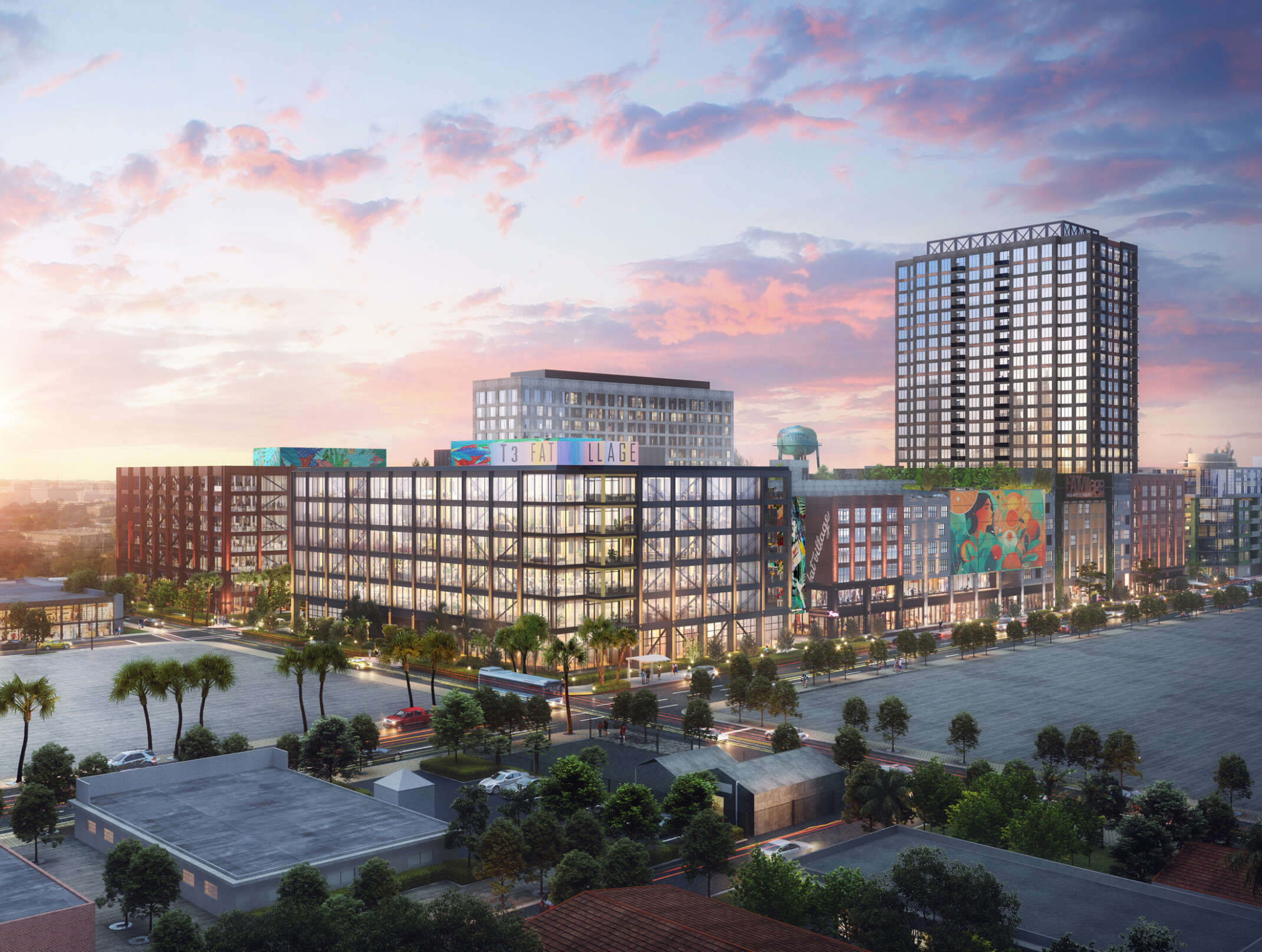
The Complexities of Building Commercial Projects in South Florida
What Developers Need to Know in Miami and Fort Lauderdale
South Florida is one of the most active and attractive commercial construction markets in the country. From Miami’s dense urban core to Fort Lauderdale’s expanding business corridors, the region continues to draw investment across office, retail, hospitality, multifamily, and mixed-use development.
However, building commercial projects in South Florida comes with a unique set of challenges that differ significantly from other U.S. markets. Climate conditions, regulatory requirements, labor dynamics, and site constraints all add layers of complexity that must be addressed early to avoid costly delays and overruns.
Understanding these intricacies is critical to delivering successful commercial construction projects in Miami and Fort Lauderdale.
Stringent Building Codes and Regulatory Requirements
One of the most defining aspects of commercial construction in South Florida is the regulatory environment. Miami-Dade and Broward Counties enforce some of the most rigorous building codes in the country due to hurricane risk and coastal exposure.
Hurricane and Wind Load Requirements
Commercial buildings must meet strict standards related to:
-
Wind resistance and structural reinforcement
-
Impact-rated windows, doors, and glazing systems
-
Roof uplift resistance and waterproofing
-
Enhanced fastening and connection details
These requirements increase both design complexity and construction costs, particularly for mid-rise and high-rise commercial buildings.
Permitting and Municipal Review
Permitting in Miami and Fort Lauderdale is often time-intensive and highly detailed. Reviews may involve:
-
City planning departments
-
County building officials
-
Fire marshal approvals
-
Environmental and floodplain reviews
Navigating these layers requires careful coordination and experienced local professionals who understand jurisdiction-specific expectations.
Environmental and Site Challenges
South Florida’s geography presents challenges that directly affect commercial construction methods and costs.
High Water Tables
Many sites in Miami and Fort Lauderdale have extremely high groundwater levels, impacting:
-
Foundation design
-
Underground parking construction
-
Dewatering requirements
-
Waterproofing systems
These conditions often require deep foundations, piles, or mat slabs, adding time and cost to early phases of construction.
Soil Conditions
Limestone and variable soil profiles are common throughout South Florida. This can create challenges for:
-
Excavation
-
Utility installation
-
Foundation consistency
Early geotechnical investigations are essential to avoid surprises during construction.
Climate and Weather Impacts on Construction
South Florida’s tropical climate plays a major role in construction planning and execution.
Rainy Season Considerations
The region’s rainy season, typically from late spring through fall, can affect:
-
Earthwork and site development
-
Concrete pours and curing
-
Schedule reliability
Contractors must account for weather delays and implement mitigation strategies such as phased site work and enhanced drainage planning.
Heat and Humidity
High temperatures and humidity levels influence:
-
Labor productivity
-
Concrete performance
-
Material storage and protection
These factors must be addressed through scheduling adjustments, safety planning, and material handling procedures.
Labor Market and Workforce Dynamics
The South Florida construction market is highly competitive, particularly in Miami.
Key labor considerations include:
-
Strong demand across commercial and residential sectors
-
Competition for skilled trades
-
Rising labor costs
-
Multilingual workforce coordination
Labor availability can directly affect project schedules and pricing, making early contractor engagement and realistic timelines especially important.
Urban Density and Logistics in Miami and Fort Lauderdale
Urban commercial construction in South Florida often takes place on constrained sites.
Site Access and Staging
Dense urban environments create challenges such as:
-
Limited staging areas
-
Traffic control requirements
-
Restricted delivery windows
-
Coordination with neighboring properties
These logistical factors must be addressed during preconstruction to prevent disruptions and inefficiencies.
Insurance, Risk, and Cost Considerations
Insurance costs are a significant factor in South Florida commercial construction.
Developers must plan for:
-
Higher builder’s risk insurance premiums
-
Windstorm and flood coverage requirements
-
Additional inspections and testing
Combined with higher material and labor costs, risk management plays a central role in project budgeting and delivery strategies.
Strategies for Successful Commercial Construction in South Florida
Given the complexities of the region, successful commercial projects in Miami and Fort Lauderdale share common traits:
-
Early involvement of experienced local contractors
-
Thorough preconstruction planning and budgeting
-
Detailed coordination with design and engineering teams
-
Realistic schedules that account for permitting and weather
-
Proactive risk and cost management
Projects that address these challenges early are far more likely to stay on schedule and within budget.
Final Thoughts
South Florida offers tremendous opportunity for commercial development, but it is not a market where shortcuts succeed. The combination of strict codes, environmental factors, climate conditions, and labor dynamics makes commercial construction in Miami and Fort Lauderdale uniquely complex.
Developers who understand these intricacies—and partner with teams experienced in the South Florida market—are best positioned to deliver successful, resilient commercial projects that stand the test of time.

Dallas Construction Cost Trends: What Builders and Developers Should Expect Next
Dallas–Fort Worth continues to be one of the most active construction markets in the United States. Population growth, corporate relocations, and ongoing infrastructure investment have kept demand strong across commercial, industrial, and residential sectors. At the same time, construction costs in Dallas have shifted significantly over the last several years, forcing owners, developers, and contractors to rethink budgets, timelines, and delivery strategies.
Understanding where Dallas construction costs stand today—and where the market is heading—is critical for making informed project decisions. Below is a breakdown of current cost trends, key drivers shaping the market, and what to expect moving forward.
Current State of Construction Costs in Dallas
Construction costs in Dallas remain elevated compared to pre-2020 levels, though the pace of escalation has moderated. After several years of sharp increases driven by supply chain disruptions, labor shortages, and inflation, pricing is now stabilizing in many categories.
Key observations in the Dallas market include:
-
Material pricing has normalized for many core items such as lumber, steel, and concrete, though volatility still exists.
-
Labor costs continue to rise, especially for skilled trades.
-
Project lead times have improved, but long-lead equipment and specialty materials can still impact schedules.
-
Overall construction costs remain historically high, even as annual increases slow.
For developers and owners, this means budgeting accuracy is improving—but cost pressure has not disappeared.
Material Cost Trends in the Dallas–Fort Worth Market
Material pricing was one of the most unpredictable aspects of construction over the last few years. While extreme swings have eased, Dallas construction projects still face selective material risk.
Structural Materials
-
Steel prices have stabilized compared to peak levels, but fabrication and erection costs remain elevated.
-
Concrete costs continue to rise modestly due to cement pricing, fuel costs, and high regional demand.
-
Lumber has largely normalized, though seasonal fluctuations remain common.
Finishes and Building Systems
-
Mechanical, electrical, and plumbing (MEP) systems remain a major cost driver due to equipment pricing and labor intensity.
-
Electrical gear, switchgear, and transformers can still carry long lead times.
-
Architectural finishes are seeing modest inflation, especially for imported products.
Early procurement and material substitutions are increasingly common strategies to manage these risks in Dallas construction projects.
Labor Costs: The Biggest Ongoing Pressure
Labor is currently the most significant cost challenge in the Dallas construction market.
Dallas–Fort Worth continues to experience:
-
Strong construction volume
-
Competition for skilled trades
-
Workforce shortages in specialized areas
As a result:
-
Wages for skilled labor continue to increase
-
Contractors are factoring higher labor burden into bids
-
Schedule compression often comes at a premium
Union and non-union contractors alike are adjusting pricing to reflect workforce realities. For owners, this makes realistic schedules and early contractor involvement more important than ever.
Market Demand and Construction Activity in Dallas
Despite cost pressures, construction demand in Dallas remains strong across multiple sectors.
Commercial Construction
Office construction has become more selective, but high-quality, well-located projects continue to move forward—especially mixed-use and Class A developments.
Industrial and Logistics
Industrial construction remains one of the strongest segments in the DFW area, driven by:
-
E-commerce growth
-
Distribution and fulfillment centers
-
Manufacturing expansion
Multifamily and Residential
Multifamily construction has moderated from peak levels, but population growth continues to support long-term demand. Developers are focusing more on efficiency, value engineering, and cost control.
How Developers Are Adapting to Dallas Construction Cost Trends
In response to current market conditions, successful projects in Dallas are taking a more strategic approach to planning and execution.
Common strategies include:
-
Early budgeting and preconstruction involvement
-
Value engineering during design, not after bidding
-
Alternative materials and systems
-
Phased construction or scope adjustments
-
Stronger collaboration between owners, designers, and contractors
Projects that prioritize cost transparency early tend to perform better in today’s environment.
Where the Dallas Construction Market Is Heading
Looking ahead, most indicators suggest that Dallas construction costs will continue to rise—but at a slower, more predictable pace than in recent years.
Expected Trends:
-
Moderate annual cost increases, primarily driven by labor
-
More stable material pricing, with occasional volatility
-
Improved supply chain reliability
-
Greater emphasis on constructability and efficiency
The Dallas market remains fundamentally strong, supported by long-term population growth, business investment, and infrastructure spending. While cost pressures are unlikely to disappear, uncertainty is decreasing—and that creates opportunity for well-planned projects.
Final Thoughts
Dallas continues to be one of the most resilient construction markets in the country. While construction costs are higher than historical norms, the environment is becoming more stable and predictable. Owners and developers who understand current cost drivers—and plan accordingly—will be best positioned for success.
Early planning, realistic budgeting, and experienced construction partners are no longer optional in the Dallas market—they are essential.
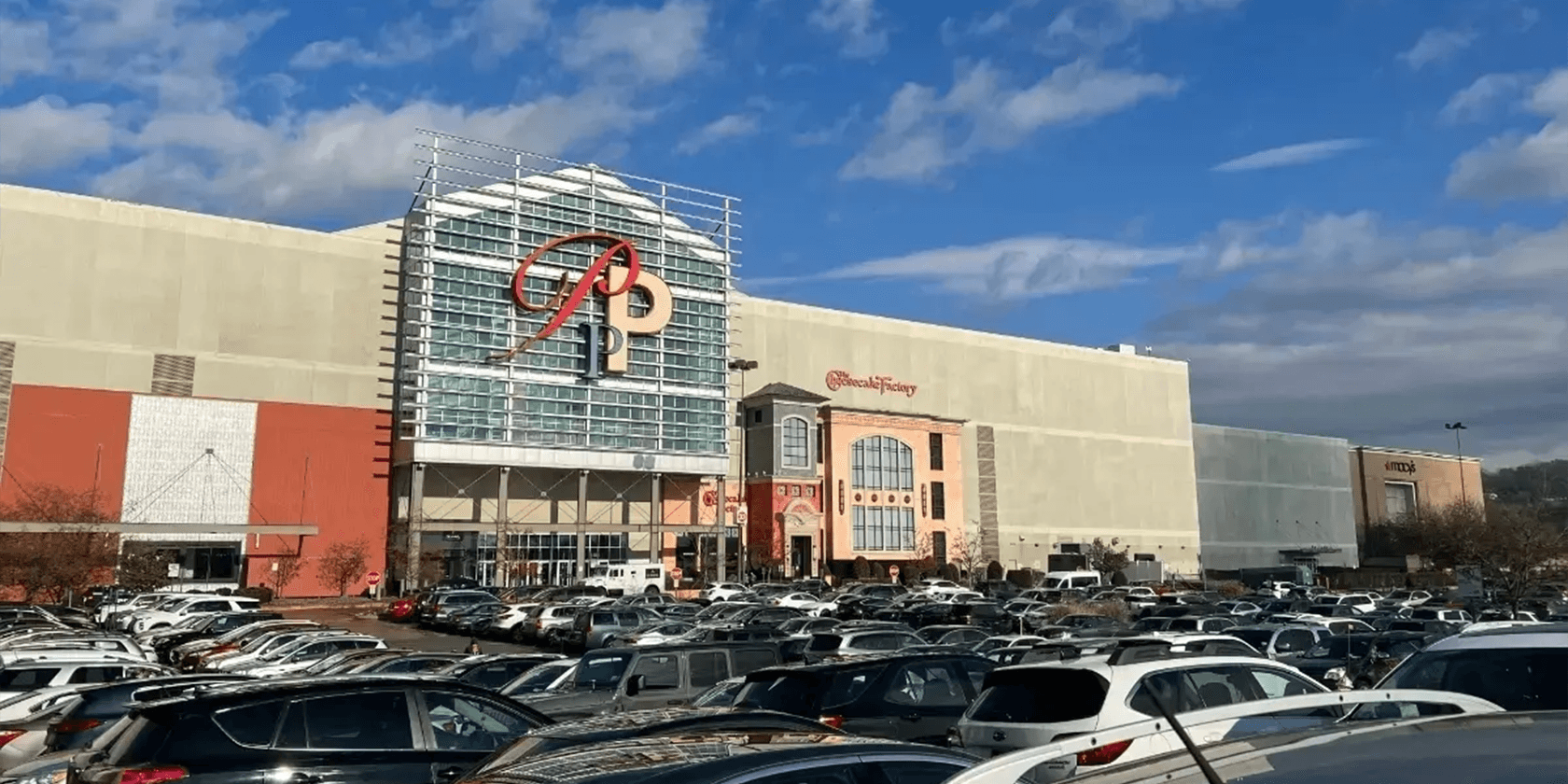
Construction Work at Palisades Center Mall: What It Takes to Build in One of the Region’s Largest Retail Centers
Undertaking construction work at Palisades Center Mall is a unique challenge that requires experience, precision, and a deep understanding of working within active commercial environments. As one of the largest shopping malls in the Northeast, Palisades Center is a high-traffic, multi-level facility where construction must be executed efficiently—without disrupting tenants, shoppers, or daily operations.
At Plescia Construction & Development, we bring the planning, coordination, and craftsmanship necessary to successfully complete construction projects in complex retail settings like Palisades Center Mall.
The Complexity of Mall Construction Projects
Construction inside an operating shopping mall is very different from ground-up or standalone commercial work. Projects at Palisades Center Mall often involve:
-
Tight construction schedules coordinated around mall hours
-
Noise, dust, and vibration control in active public spaces
-
Strict safety and security protocols
-
Detailed logistics for material delivery and debris removal
-
Close coordination with mall management, tenants, and inspectors
Whether the scope includes tenant fit-outs, structural modifications, interior renovations, or infrastructure upgrades, every phase must be carefully planned to keep the mall functioning smoothly.
Safety and Compliance Come First
Safety is non-negotiable when performing construction work in a high-occupancy retail environment. At Palisades Center Mall, this means adhering to:
-
OSHA standards and local building codes
-
Mall-specific construction guidelines
-
After-hours or phased work schedules when required
-
Temporary barriers, signage, and pedestrian protection
Our team prioritizes safety not only for our workers, but also for shoppers, employees, and neighboring tenants throughout the project.
Coordinating with Tenants and Mall Operations
One of the most critical aspects of construction at Palisades Center Mall is coordination. Construction activity often occurs adjacent to open stores, food courts, entertainment venues, and common areas. Successful execution depends on clear communication and flexibility.
We work closely with property management and tenants to minimize disruptions, maintain access, and ensure projects stay on schedule. This collaborative approach helps reduce downtime and supports a positive experience for everyone in the building.
Experience Matters in Large-Scale Retail Construction
Not all contractors are equipped to handle construction in a facility as large and active as Palisades Center Mall. Experience in retail construction, commercial renovations, and occupied spaces is essential.
At Plescia Construction & Development, our team understands the demands of large shopping centers and delivers results that meet both aesthetic and operational goals. From initial planning through final inspections, we focus on quality, efficiency, and professionalism.
Trusted Construction Services for High-Profile Retail Spaces
Construction work at Palisades Center Mall requires more than technical skill—it requires trust. Property owners and tenants need a contractor who can navigate complex environments while delivering durable, high-quality results.
If you’re planning a retail construction or renovation project in a major shopping center, working with an experienced commercial contractor makes all the difference.

How Data Center Construction Differs from Traditional Commercial Construction Projects
Data center construction is often grouped under the broader category of commercial construction, but in practice, it is a fundamentally different type of project. While office buildings, retail spaces, warehouses, and mixed-use developments share many common construction principles, data centers introduce a level of technical complexity, risk sensitivity, and infrastructure intensity that sets them apart.
For owners, developers, and end users planning a data center project, understanding these differences is critical. This article explains how data center construction differs from traditional commercial projects and why specialized expertise is essential for success.
Mission-Critical Nature of Data Centers
Unlike most commercial buildings, data centers are mission-critical facilities. Downtime is not an inconvenience—it can result in significant financial loss, operational disruption, and reputational damage. As a result, data centers are designed and built with redundancy, resilience, and reliability as top priorities.
Construction decisions are driven by uptime requirements, fault tolerance, and long-term performance rather than aesthetics or tenant flexibility. This mission-critical focus influences every phase of construction, from design coordination to commissioning.
Power Infrastructure and Electrical Complexity
One of the most significant differences between data center construction and traditional commercial projects is the scale and complexity of electrical systems.
Data centers require:
- High-capacity utility feeds
- Redundant power paths (N+1 or 2N configurations)
- Backup generators and uninterruptible power supply (UPS) systems
- Advanced switchgear and distribution equipment
In a typical commercial building, electrical systems support lighting, plug loads, and HVAC. In a data center, electrical infrastructure is the backbone of the facility, often representing a substantial portion of the construction cost and schedule.
Mechanical Systems and Cooling Requirements
Cooling is another defining factor in data center construction. Servers and IT equipment generate significant heat, requiring specialized mechanical systems to maintain precise temperature and humidity ranges.
Compared to traditional commercial HVAC systems, data center cooling may include:
- Computer room air handlers (CRAHs) or air conditioners (CRACs)
- Liquid cooling or direct-to-chip solutions
- Hot aisle/cold aisle containment strategies
- Redundant mechanical systems for reliability
The coordination between mechanical, electrical, and structural systems is far more intensive than in standard commercial projects.
Structural Design and Floor Loading
Data centers often require higher structural capacity than conventional commercial buildings. Server racks, electrical equipment, and cooling infrastructure impose significant point loads and vibration sensitivity.
Construction teams must account for:
- Increased floor load ratings
- Equipment anchoring and seismic considerations
- Vibration control for sensitive hardware
These requirements affect foundation design, structural framing, and slab construction in ways that differ from offices or retail spaces.
Accelerated Schedules and Phased Delivery
Speed to market is a major driver in data center construction. Owners often pursue aggressive schedules to bring computing capacity online as quickly as possible.
Unlike traditional commercial projects that may deliver a fully completed building at once, data centers are frequently constructed using:
- Phased or modular delivery
- Shell-and-core strategies with future expansion in mind
- Concurrent design and construction activities
This fast-track approach requires close collaboration between designers, contractors, and equipment suppliers to manage risk and maintain quality.
Commissioning and Testing Requirements
Commissioning is far more extensive in data center construction than in typical commercial projects. Every system must be tested under real-world and simulated failure conditions before the facility becomes operational.
This includes:
- Integrated systems testing (IST)
- Load bank testing of generators
- Power transfer and failover testing
- Verification of mechanical and electrical redundancy
Commissioning can take weeks or months and is a critical phase that directly impacts project completion and operational readiness.
Security and Access Control
Data centers require a higher level of physical security than most commercial buildings. Construction planning must account for secure perimeters, controlled access points, and coordination with security systems.
This adds complexity to site logistics, material deliveries, and workforce access throughout construction.
Long-Term Expandability and Flexibility
Data centers are often designed with future growth in mind. Construction teams must consider how systems will scale over time without disrupting live operations.
This forward-looking approach influences:
- Site layout and utility planning
- Structural capacity for future equipment
- Space allocation for additional power and cooling
Traditional commercial projects typically prioritize tenant adaptability, while data centers prioritize technical scalability.
Conclusion
While data center construction shares some similarities with traditional commercial construction, the differences are substantial. Mission-critical performance, complex power and cooling systems, accelerated schedules, and rigorous commissioning set data centers apart from standard commercial projects.
For owners and developers, partnering with construction teams experienced in data center and mission-critical environments is essential to managing risk and delivering facilities that meet performance expectations from day one.
learn more

What Makes a Good General Contractor for a Commercial Construction Project
Choosing the right general contractor is one of the most important decisions in any commercial construction project. Whether the project is an office building, industrial facility, healthcare space, retail development, or data-driven infrastructure, the general contractor plays a central role in determining cost control, schedule performance, quality, and overall success.
For owners and developers, understanding what truly makes a good general contractor can help reduce risk, avoid costly surprises, and lead to a smoother construction process. This article breaks down the key qualities, capabilities, and practices that define an effective general contractor in commercial construction.
Experience in Commercial Construction
A strong commercial general contractor brings direct experience with projects similar in size, scope, and complexity. Commercial construction involves different challenges than residential work, including stricter codes, more complex systems, larger teams, and higher coordination demands.
Relevant experience allows a contractor to:
- Anticipate constructability challenges before they become problems
- Navigate permitting, inspections, and regulatory requirements
- Coordinate multiple trades working simultaneously
- Manage long lead-time materials and specialized equipment
An experienced contractor understands how commercial buildings operate long after construction is complete, which influences decisions made during planning and execution.
Preconstruction Planning and Budget Transparency
One of the most important indicators of a good general contractor is a strong preconstruction process. Early involvement allows contractors to provide realistic budgets, schedules, and value-driven recommendations before construction begins.
Effective preconstruction services include:
- Detailed cost estimating and budget development
- Constructability reviews of design documents
- Identification of cost and schedule risks
- Value engineering aligned with project goals, not just cost cutting
Clear and transparent budgeting helps owners make informed decisions and reduces the likelihood of change orders later in the project.
Communication and Project Management
Commercial construction projects involve many stakeholders, including owners, architects, engineers, subcontractors, and inspectors. A good general contractor acts as the central point of coordination, ensuring clear communication across all parties.
Strong project management is characterized by:
- Regular progress updates and reporting
- Proactive issue identification and resolution
- Clear documentation and decision tracking
- Realistic scheduling and milestone management
Consistent communication builds trust and allows potential issues to be addressed early, before they impact cost or schedule.
Trade Partner Relationships and Coordination
General contractors rely heavily on subcontractors and trade partners to deliver specialized work. A well-qualified contractor maintains strong relationships with reliable trades that consistently perform at a high level.
Good trade coordination results in:
- Higher-quality workmanship
- Improved job site safety
- Better schedule reliability
- Fewer conflicts between scopes of work
In commercial construction, where multiple trades often work in tight spaces and overlapping timelines, coordination is essential to maintaining efficiency and quality.
Schedule Control and Risk Management
Meeting schedule milestones is critical in commercial construction, where delays can impact tenant occupancy, financing, and operations. A good general contractor understands how to build realistic schedules and actively manage risk throughout the project.
This includes:
- Planning for long lead items and procurement challenges
- Adjusting sequencing to respond to field conditions
- Managing weather, labor availability, and supply chain risks
- Implementing contingency planning
Rather than reacting to delays, strong contractors anticipate potential disruptions and plan accordingly.
Quality Control and Attention to Detail
Quality in commercial construction extends beyond finishes. It includes structural integrity, building systems performance, code compliance, and long-term durability.
A good general contractor implements formal quality control processes such as:
- Regular inspections and checklists
- Coordination with design professionals
- Thorough testing and commissioning
- Clear closeout and documentation procedures
Attention to detail during construction reduces maintenance issues and operational disruptions after project completion.
Safety Culture and Job Site Standards
Safety is a core responsibility of any general contractor. A strong safety culture protects workers, reduces liability, and keeps projects moving efficiently.
Effective safety programs include:
- Job site safety planning and training
- Clear enforcement of safety protocols
- Regular audits and hazard identification
- Accountability at all levels of the project team
A contractor’s commitment to safety is often a strong indicator of overall professionalism and operational discipline.
Understanding the Owner’s Business Goals
Beyond technical execution, a good general contractor understands that commercial construction projects are business investments. Schedule, cost certainty, and operational readiness are often just as important as design.
Contractors who take the time to understand an owner’s goals can:
- Align construction strategies with operational needs
- Prioritize decisions that support long-term performance
- Reduce disruption to existing operations
- Deliver a facility that functions as intended from day one
This partnership-oriented approach helps ensure the project supports broader business objectives.
Conclusion
A good general contractor in commercial construction is defined by more than just building expertise. Experience, planning, communication, coordination, safety, and an understanding of the owner’s goals all play a critical role in project success.
For owners preparing for a commercial construction project, evaluating contractors through this lens can lead to better outcomes, fewer surprises, and a more efficient construction process from start to finish.
learn more