


Commercial General Contractor Long Island NY
Long Island, New York Commercial General Contractor
Long Island is one of the most dynamic and multifaceted commercial construction markets in the United States, stretching from the dense suburban hubs of Nassau County to the expanding industrial, institutional, and tourism landscapes of Suffolk County. With over 7.8 million residents, dozens of incorporated villages and towns, a deeply layered zoning structure, and some of the oldest infrastructure in the region, Long Island demands a highly specialized contracting approach that balances regulatory mastery, engineering precision, and municipality-by-municipality coordination.
Across Long Island, commercial development is influenced by aging building stock, constrained utilities, expanding healthcare institutions, industrial growth fueled by e-commerce, and ongoing downtown revitalization efforts. Whether working in a historic village center, redeveloping a suburban retail center, modernizing medical facilities, or building along major corridors like the LIE, Sunrise Highway, or Northern State Parkway, contractors must navigate intense permitting scrutiny and nuanced community expectations.
Regional Development Patterns Across Long Island
Long Island’s commercial environment varies significantly between western Nassau and eastern Suffolk, requiring contractors to adjust strategies based on local demographics, infrastructure, and regulatory priorities.
Nassau County
Nassau’s development is largely characterized by high-density suburban corridors, major hospital systems, retail redevelopment, office repositioning, and the transformation of aging post-war commercial structures. Key nodes include:
- Mineola / Garden City – Government, medical, and transit-oriented growth driven by the LIRR Main Line.
- Hempstead / Uniondale – Dense mixed-use activity, Hofstra University influence, and large office-to-hospitality conversions.
- Westbury / Carle Place – Major retail redevelopment and warehouse-to-logistics repositioning.
- Long Beach / South Shore communities – Coastal resiliency, flood-zone building requirements, and infrastructure upgrades.
Suffolk County
Suffolk is experiencing rapid growth in industrial parks, large medical campuses, tourism-related development, and mixed-use downtown revitalizations. Key commercial areas include:
- Huntington / Smithtown – Historic-building renovation, restaurant expansion, and office modernization.
- Brookhaven / Patchogue – Mixed-use growth, waterfront redevelopment, and downtown revitalization.
- Ronkonkoma – Major TOD development around the LIRR hub and industrial expansion near MacArthur Airport.
- Riverhead / East End – Hospitality, resort, and tourism-driven construction with strict environmental requirements.
Zoning, Permitting, and Municipal Review Across Two Counties
Long Island’s complex municipal structure—over 100 incorporated villages, towns, and cities—makes zoning and permitting one of the region’s most challenging aspects of commercial construction. Requirements vary widely depending on jurisdiction, and boards often prioritize architectural cohesion, traffic management, and environmental impact.
Commercial contractors frequently navigate:
- Town Boards and Village Boards for land-use approvals and variances;
- Planning Boards for site plan review, traffic studies, and drainage engineering;
- Architectural Review Boards for façade materials, fenestration, and signage;
- Coastal Commission regulations in flood-prone South Shore communities;
- SEQR environmental review for developments impacting wetlands, aquifers, or traffic conditions.
Historic districts common in Huntington, Port Jefferson, and parts of Riverhead add additional requirements for structural preservation, façade detailing, and material specifications.
Infrastructure and Site-Work Challenges Unique to Long Island
Due to variable soil conditions, aging utilities, and high water tables—especially on the South Shore—Long Island projects often involve substantial preconstruction analysis and corrective engineering.
Contractors must adapt to:
- High water tables and drainage limitations requiring advanced stormwater solutions;
- Outdated utilities in older commercial corridors needing upgrades before redevelopment;
- Traffic-heavy construction zones near LIRR stations, Sunrise Highway, Route 110, and the LIE;
- Environmental constraints involving wetlands, coastal setbacks, or pine barrens protections;
- Strict municipal inspections involving staged sign-offs and compliance documentation.
Medical construction—particularly in Nassau’s hospital corridors and Suffolk’s expanding outpatient networks—requires specialized ventilation, imaging infrastructure, emergency power systems, and meticulous coordination with DOH and other regulatory bodies.
Plescia Construction & Development on Long Island
Plescia Construction & Development provides municipality-specific, code-informed commercial construction services across Long Island’s varied landscape. The firm supports:
- Healthcare construction including clinics, imaging centers, and hospital expansions;
- Retail and restaurant development in high-traffic suburban corridors;
- Industrial and warehouse upgrades aligning with Long Island’s logistics-sector growth;
- Mixed-use and multifamily construction supporting downtown revitalization efforts;
- Historic renovations within older village centers;
- Site work and drainage engineering essential for low-lying coastal towns;
- Adaptive reuse and office modernization converting legacy buildings into modern commercial environments.
With deep regional experience across both counties and dozens of municipalities, Plescia Construction & Development brings a precision-driven, compliance-focused approach to one of the most complex construction markets in the Northeast.


Commercial General Contractor New Jersey
When planning a commercial construction project, choosing the right New Jersey commercial general contractor is one of the most important decisions you’ll make. From retail and office spaces to multifamily and mixed-use developments, a trusted contractor ensures your project is delivered on time, on budget, and built to the highest standards.
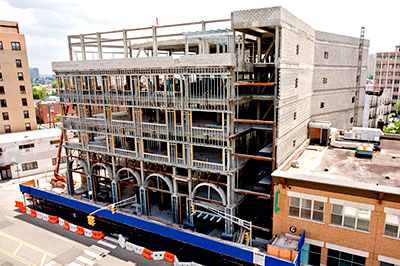
What a Commercial General Contractor Does
A commercial general contractor in New Jersey serves as the hub of your construction project. Their role includes:
-
Coordinating subcontractors and trades
-
Managing project schedules and budgets
-
Ensuring compliance with New Jersey building codes and safety standards
-
Handling permits and inspections
-
Delivering quality control and risk management
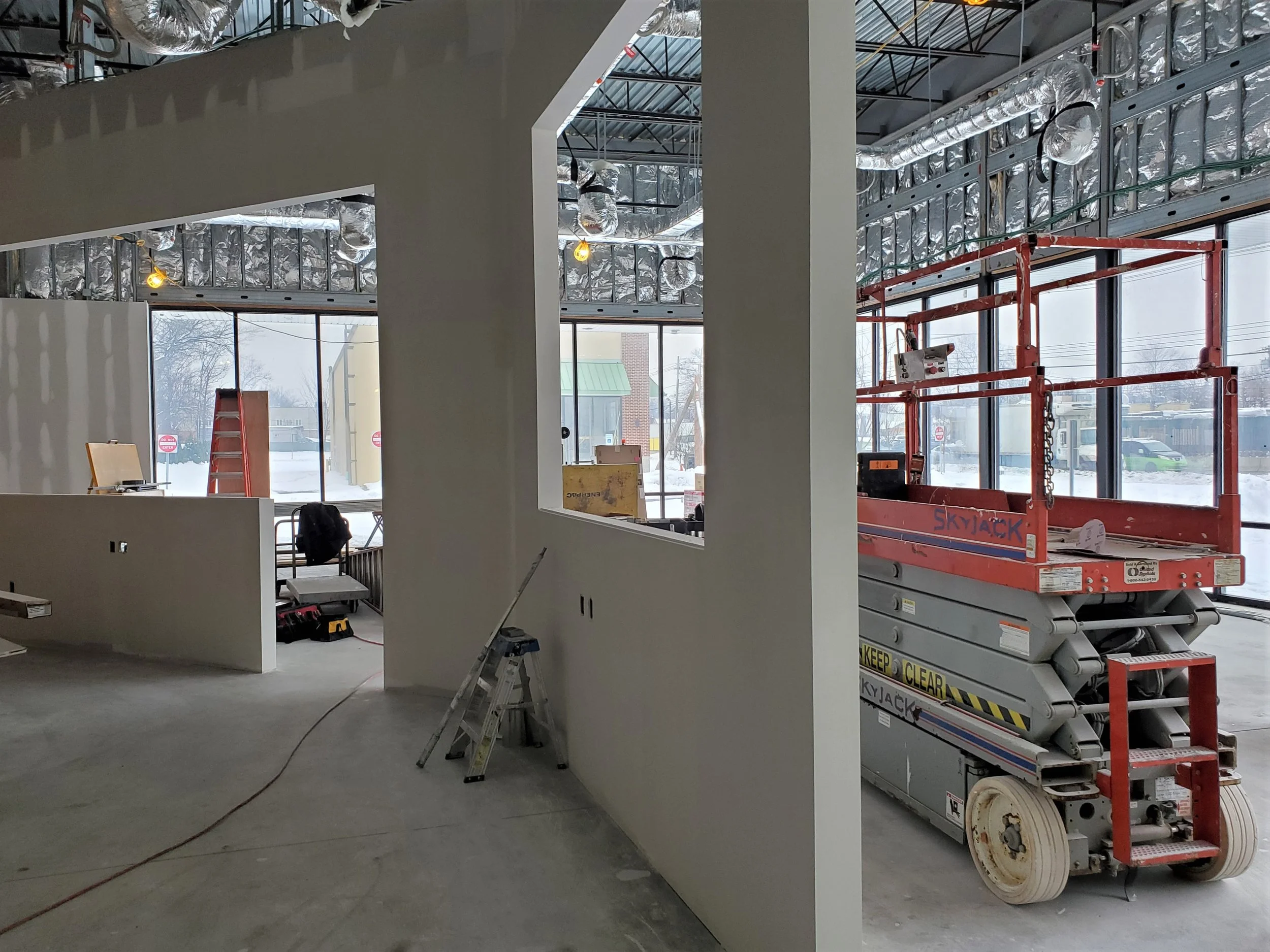
👉 Learn more about how we manage complex projects on our Services page.
Why Local Expertise in New Jersey Matters
Building in New Jersey comes with unique challenges: zoning laws, local union requirements, and varying municipal approvals. A local GC brings insider knowledge and trusted relationships with subcontractors and suppliers.
For example, the New Jersey Department of Community Affairs outlines building code enforcement standards that must be followed statewide. Having a GC who knows these processes ensures smoother execution and fewer costly delays.
Benefits of Hiring the Right Commercial General Contractor
When you choose an experienced New Jersey commercial general contractor, you gain:
-
Efficiency – streamlined communication and coordination
-
Cost savings – accurate estimating and value engineering
-
Quality control – critical attention to finishes, RFIs, and submittals
-
On-time delivery – minimizing downtime for businesses and tenants
👉 Explore some of our Completed Projects across New Jersey and the tri-state area.
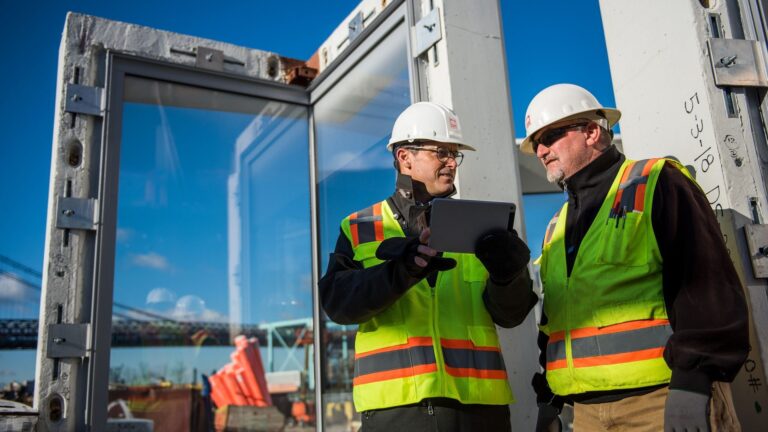
How to Select the Right Contractor
When evaluating contractors for your project, look for:
-
Proven experience with commercial projects like yours
-
Strong client references and portfolio of work
-
Transparency in pricing and communication
-
Commitment to safety — backed by compliance with OSHA standards (OSHA Construction Safety)
Final Thoughts
Whether you’re planning an office renovation, retail fit-out, or ground-up development, hiring the right New Jersey commercial general contractor sets the foundation for success. With the right partner, your project will be built with precision, efficiency, and lasting quality.
👉 Ready to get started? Contact us today through our Contact Page.
How to Choose the Right General Contractor for Your Project
When you’re planning a construction or renovation project, choosing the right general contractor (GC) is one of the most important decisions you’ll make. The GC is your point person—the one responsible for managing subcontractors, ensuring quality, keeping schedules on track, and watching the budget. With so many options out there, it can be difficult to know who’s the right fit.
At Plescia Construction & Development, we’ve seen firsthand how the choice of contractor can make or break a project. Here’s what you should know before signing on the dotted line.
Why Size Matters: Small to Mid-Sized General Contractors
It’s easy to assume that the largest general contractors—those with flashy portfolios and dozens of ongoing projects—are the safest bet. But bigger isn’t always better. In fact, small to mid-sized contractors often bring significant advantages:
-
Personal Attention
With fewer projects on their plate, small and mid-sized GCs can devote more time and focus to your job. Instead of being one of many, your project is a priority. -
Direct Access to Leadership
With larger firms, you might deal primarily with project managers or coordinators, never the actual decision-makers. Smaller contractors, however, often give you direct access to the owner or senior leadership, which means quicker answers and better accountability. -
Proven Track Record in Your Niche
Many mid-sized GCs specialize in certain types of projects—commercial buildouts, renovations, or ground-up developments—making them highly skilled at the specific challenges you face. -
Flexibility & Problem-Solving
Smaller contractors tend to be more agile. They can pivot quickly when unexpected challenges arise, rather than being slowed down by layers of bureaucracy.
Questions to Ask Before Hiring a General Contractor
No matter the size of the contractor you choose, asking the right questions is key. Here are some areas to focus on:
-
Experience & Portfolio
-
What types of projects have you completed in the past five years?
-
Do you have experience with projects similar to mine in scope and complexity?
-
-
References & Reputation
-
Can you provide references from recent clients?
-
What do past clients say about your communication, timeliness, and quality of work?
-
-
Project Management Approach
-
Who will be my main point of contact day-to-day?
-
How do you handle scheduling, subcontractor coordination, and unexpected delays?
-
-
Financial Transparency
-
How do you structure your bids and contracts?
-
Will I have visibility into budget changes and cost tracking?
-
-
Safety & Quality Standards
-
What safety protocols do you enforce on site?
-
How do you ensure subcontractors meet your quality expectations?
-
The Bottom Line
Selecting the right commercial general contractor is less about choosing the biggest name and more about finding a team that fits your project’s needs. For many owners and developers, a small to mid-sized GC with a proven record of success offers the ideal balance of expertise, personal attention, and accountability.
By asking the right questions and focusing on proven experience, you’ll set your project up for success—and enjoy a smoother process from start to finish.
Commercial General Contractor Texas
Texas Commercial General Contractor
Based in Houston Texas, Plescia Construction understands that Texas is one of the fastest-growing commercial construction markets in the United States, driven by rapid population increases, large-scale corporate relocations, industrial expansion, and major public infrastructure investment. Because Texas spans multiple climate zones, geological conditions, and regulatory frameworks, commercial general contractors must navigate a highly diverse set of regional and jurisdictional requirements. From Houston’s flood mitigation standards to Austin’s environmental overlays and Dallas–Fort Worth’s high-volume development cycles, construction demands vary significantly across the state.
Statewide Building Codes & Regional Amendments
Texas adopts the International Building Code (IBC) but allows municipalities to implement amendments that significantly affect commercial construction. General contractors must account for:
- City-specific code modifications for energy efficiency, fire safety, wind loads, and mechanical systems
- Local floodplain requirements in coastal and river-adjacent communities
- Texas Accessibility Standards (TAS) enforced through the Texas Department of Licensing and Regulation (TDLR)
- Special permitting rules in Austin, Dallas, Fort Worth, Houston, and San Antonio
Because local jurisdictions have wide discretion, early code analysis is crucial during preconstruction.
Geographic & Environmental Construction Challenges
Texas’ size creates complex site conditions that vary dramatically by region. Contractors must be prepared for:
- Expansive clay soils throughout Dallas–Fort Worth requiring foundation engineering
- High winds and tornado-loading design in North and Central Texas
- Coastal windstorm certification in Houston, Galveston, and Gulf Coast communities (TWIA/ICC compliance)
- Flood mitigation design in Harris County and along major waterways
- Wildfire setback and materials requirements in Hill Country regions
Geotechnical testing, hydrologic studies, and drainage engineering are essential due to these diverse conditions.
Permitting Complexity Across Major Metros
Permitting workflows in Texas range from streamlined to highly complex depending on the municipality. Key considerations include:
- Houston – No zoning, but extensive drainage, traffic impact, fire, and floodplain review
- Austin – Strict environmental overlays, heritage tree rules, and long plan-review timelines
- Dallas – Form-based districts, design review boards, and corridor-specific regulations
- San Antonio – Historic preservation overlays, river improvement zones, and utility capacity review
Large industrial, healthcare, and mixed-use projects often require multiple concurrent reviews across city, county, and state agencies.
Stormwater, Drainage, & Site Engineering
Texas construction is heavily shaped by drainage and stormwater management requirements due to flooding risks in many cities. Developers must account for:
- Harris County Flood Control District (HCFCD) standards in the Houston region
- Detention and retention pond requirements across suburban jurisdictions
- Water quality permits from the Texas Commission on Environmental Quality (TCEQ)
- Drainage channel setbacks and low-impact development (LID) practices
Stormwater strategy often drives site layout, grading, and MEP design decisions.
Commercial Sector Growth Across Texas
Texas is experiencing major growth across several construction sectors, including:
- Industrial and logistics facilities along I-35 and I-45 corridors
- Corporate campuses in Austin, Dallas, and Houston
- Healthcare infrastructure driven by regional population growth
- Hospitality and entertainment development in urban and suburban hubs
- Retail redevelopment and mixed-use transformation of aging shopping centers
The state’s continued economic expansion increases demand for large-scale, fast-track commercial construction delivery.
Utility Coordination & Infrastructure Considerations
Texas’ rapid growth has put pressure on utility infrastructure. Contractors must plan for:
- Transformers and electrical capacity constraints with local utility providers
- Long lead times on switchgear, HVAC, and MEP components
- Water and wastewater capacity approvals in expanding suburban communities
- Municipal utility district (MUD) coordination common in Houston’s extraterritorial areas
Early utility review often determines feasibility and schedule accuracy.
Key Resources
- Texas Department of Licensing & Regulation (TDLR)
- Texas Commission on Environmental Quality
- Harris County Flood Control District
- International Code Council (ICC)
- Engineering News-Record (ENR)
Plescia Construction & Development Services
Plescia Construction & Development supports projects throughout Texas with a full set of commercial construction services, including:
- General Contracting
- Construction Management
- Commercial Development
- Design Management
[/vc_column_text][/vc_column][/vc_row]

Commercial General Contractor Monmouth County
Monmouth County, New Jersey Commercial General Contractor
Monmouth County blends the energy of the Jersey Shore with a deep and diversifying commercial economy. From the revitalized boardwalks of Asbury Park and Long Branch to the vibrant downtown of Red Bank, the healthcare anchor of Neptune, and the corporate reinvention of Holmdel’s Bell Works, Monmouth County offers a uniquely varied environment for commercial construction. Its coastal location brings both opportunity and an added layer of environmental regulation that shapes how and where projects are built.
The county’s commercial landscape spans hospitality and shore tourism, restaurants and entertainment, regional retail, hospitals and medical offices, corporate and office space, and mixed-use downtown redevelopment. That diversity requires commercial general contractors to work fluently across very different building types, municipal review processes, environmental conditions, and infrastructure realities.
For property owners and developers, the difference between a smooth project and a costly one often comes down to local knowledge. Plescia Construction & Development brings deep New Jersey experience and big-market capability to Monmouth County’s coastal and commercial markets. The sections below outline what experienced owners weigh before building here—and how the right contractor turns those variables into a predictable, well-managed result.
Understanding Monmouth County’s Commercial Districts
Each part of Monmouth County has its own character, economy, and regulatory framework, and a contractor who understands those distinctions can anticipate requirements long before they become delays:
- Red Bank – a vibrant downtown known for restaurants, retail, theater, and professional offices, with active design-sensitive review;
- Asbury Park – a nationally recognized waterfront revitalization story, with hospitality, entertainment, dining, and mixed-use development along the boardwalk;
- Long Branch – oceanfront redevelopment anchored by Pier Village and ongoing hospitality and residential growth;
- Freehold & Eatontown – the county’s retail core, anchored by Freehold Raceway Mall and the redevelopment of the former Monmouth Mall;
- Neptune & Wall – healthcare and commercial corridors anchored by Jersey Shore University Medical Center;
- Holmdel & Middletown – corporate and mixed-use reinvention, including the Bell Works adaptive-reuse campus;
- Marlboro, Manalapan & Howell – growing suburban retail, medical, and commercial corridors.
Few New Jersey counties pair such a strong shore-tourism and hospitality economy with so much suburban and institutional commercial demand, which makes local knowledge essential to scoping a project correctly.
Zoning, Planning & Approvals in Monmouth County
Commercial projects in Monmouth County typically move through several layers of municipal and county review before a permit is issued. Key components include:
- Planning Board review for site plans, circulation, parking, landscaping, lighting, and drainage;
- Zoning Board of Adjustment for use variances, setback relief, signage, building height, and density modifications;
- Redevelopment review in Asbury Park, Long Branch, Eatontown, and other municipalities with adopted plans and redevelopment agencies;
- Historic and design review in communities like Red Bank and the county’s historic shore towns;
- Monmouth County Planning Board review for projects abutting county roads, drainage facilities, or shared infrastructure;
- NJDEP Coastal Area Facility Review (CAFRA) and related permits for projects in the regulated coastal zone;
- Local Construction Official and Fire Marshal for building permits, life-safety, commercial kitchens, assembly use, and suppression systems.
Coastal location adds an important regulatory layer in Monmouth County: many shore-zone projects fall under NJDEP’s Coastal Area Facility Review Act and related flood and waterfront rules. Experienced contractors mitigate approval risk by engaging the construction official early, aligning the design team with each board’s expectations, and submitting complete, well-documented applications that reduce the back-and-forth that so often stalls New Jersey projects.
Coastal Regulations, Flood Zones & Environmental Considerations
Monmouth County’s oceanfront and riverfront location makes coastal and flood regulation central to many projects. Contractors routinely address:
- CAFRA and coastal permitting through NJDEP for development within the regulated coastal zone;
- Flood hazard area and FEMA requirements, an ongoing priority along the shore since Superstorm Sandy;
- Resiliency and elevation standards for waterfront and low-lying commercial buildings;
- Freshwater and coastal wetlands and riparian buffers along the county’s rivers, bays, and shoreline;
- Stormwater management for redevelopment and high-impervious sites.
Resiliency has become a defining theme along the Monmouth shore, where hospitality, retail, and mixed-use projects must be designed and built to withstand coastal conditions. Understanding these constraints up front allows owners to budget realistic time and contingency rather than discovering environmental work mid-project.
Infrastructure & Engineering Considerations
Monmouth County blends historic downtowns and shore districts with growing suburban corridors, and each presents its own engineering demands. Common considerations include:
- Utility coordination with JCP&L and local water and sewer authorities, including service upgrades that can carry long lead times;
- Traffic and access planning along the Garden State Parkway, Route 35, Route 9, Route 18, and Route 36, including heavy seasonal shore traffic;
- Structural retrofits for older masonry and shore-area buildings being repositioned for modern use;
- Corrosion-resistant and resilient construction appropriate to a coastal environment;
- ADA and life-safety upgrades for older commercial buildings undergoing tenant improvements.
Seasonal demand adds a scheduling dimension unique to the shore, where many hospitality and retail projects must be completed before the summer season. Building utility and seasonal dependencies into the master schedule during preconstruction—rather than discovering them in the field—is one of the clearest markers of a contractor who knows the county.
Shore Hospitality and Seasonal Construction
Hospitality and shore tourism are central to Monmouth County’s economy, and they impose a distinctive rhythm on construction. Restaurants, hotels, boardwalk venues, and retail along the Asbury Park, Long Branch, and Belmar-area waterfronts often need to be delivered on tight, season-driven timelines, with openings timed to the summer. Building in the coastal zone adds CAFRA, flood, and resiliency requirements, while busy, occupied districts demand careful logistics and site protection. These projects reward a contractor who can deliver high-quality hospitality and retail buildouts on schedule while navigating coastal regulation and seasonal pressure.
Downtown Revitalization and Adaptive Reuse
Some of Monmouth County’s most compelling commercial work is happening in its downtowns and through adaptive reuse. Red Bank’s restaurant and retail scene, Asbury Park’s waterfront renaissance, and Long Branch’s Pier Village all reflect sustained investment in walkable, mixed-use districts. At Holmdel, the former Bell Labs complex has been transformed into Bell Works, a landmark example of repositioning a large legacy building for modern office, retail, and community use. Both downtown revitalization and adaptive reuse demand a contractor comfortable working within existing structures, historic contexts, and design-sensitive review.
Commercial Sectors Driving Growth in Monmouth County
Monmouth County’s economy supports a broad and resilient mix of commercial construction:
- Hospitality & restaurant development – hotels, dining, and entertainment along the shore and in revitalized downtowns;
- Healthcare & medical – anchored by Jersey Shore University Medical Center and Riverview Medical Center, with strong outpatient demand;
- Retail redevelopment – regional centers and the repositioning of older malls and plazas;
- Corporate office & adaptive reuse – including the Bell Works campus and other office repositioning;
- Mixed-use & downtown redevelopment – in Asbury Park, Long Branch, Red Bank, and beyond;
- Suburban commercial – medical, retail, and office corridors in the county’s growing inland towns;
- Resilient waterfront development – hospitality and mixed-use projects designed for coastal conditions.
These uses require extensive MEP engineering, structural reinforcement, ADA upgrades, and life-safety systems—particularly in hospitality, healthcare, and reuse projects. Specialized building types reward a contractor who has delivered them before.
Project Delivery and Construction Management
How a project is delivered can matter as much as who delivers it. Owners in Monmouth County typically choose between a traditional general-contracting arrangement, in which the contractor commits to a defined scope and price after design is complete, and a construction-management approach, in which the builder is engaged earlier to provide budgeting, scheduling, and constructability input during design. Fast-track delivery—overlapping design and construction to compress the timeline—is especially valuable for season-driven hospitality and retail openings. Whichever model is used, disciplined preconstruction keeps a project on track: realistic budgeting that accounts for coastal, environmental, and utility work, a permitting strategy mapped to each municipality and the coastal zone, early procurement of long-lead materials, and a phased schedule built around real site and seasonal conditions.
What Property Owners Should Expect During Permitting
A frequent question from Monmouth County owners is how long approvals will take. The answer depends on the municipality, the scope, and whether variances, redevelopment, or coastal review are involved—but the process generally moves through predictable stages. After design, the project enters local land-use review, which may include Planning Board, Zoning Board, and historic or redevelopment review depending on the site. Coastal-zone projects may require NJDEP CAFRA or related permits. Once approvals are secured, construction permits are issued by the municipal construction official across the building, electrical, plumbing, and fire subcodes, and the work is inspected at defined milestones. A Certificate of Occupancy is issued only after final inspections are passed. Building this sequence into the schedule from day one—and submitting complete, coordinated documents—is the most effective way to avoid costly delays.
Choosing a Commercial General Contractor in Monmouth County
When evaluating a commercial general contractor for a Monmouth County project, property owners should look beyond price. Confirm the contractor’s direct experience with your building type and your specific municipality, since familiarity with local construction officials, coastal permitting, and seasonal scheduling translates into smoother approvals and on-time openings. Verify licensing, insurance, and a track record of comparable completed projects, and ask how the contractor approaches preconstruction, budgeting, and schedule risk. The strongest partners communicate proactively, plan logistics beyond the building footprint, and take ownership of permitting and inspections rather than leaving those burdens with the owner. In a county where coastal regulation and seasonal timing matter so much, that mix of local insight and technical discipline is what separates a contractor who simply builds from one who delivers.
Plescia Construction & Development in Monmouth County
Plescia Construction & Development brings big-market capability and a high level of technical expertise to commercial projects across Monmouth County. Services include:
- Restaurant & hospitality buildouts with commercial kitchens, bar systems, and mechanical integration, delivered on season-driven schedules;
- Medical and outpatient center construction requiring specialized MEP and compliance-driven planning;
- Retail & shopping center redevelopment including façade renovations and interior modernization;
- Corporate office renovation and adaptive-reuse tenant improvements;
- Mixed-use and downtown redevelopment components in Asbury Park, Long Branch, and Red Bank;
- Resilient, coastal-zone commercial construction designed for shore conditions;
- Full permitting support including Planning, Zoning, redevelopment, County Engineering, NJDEP and CAFRA, and Fire Officials.
Whether delivering a boardwalk restaurant in Asbury Park, a medical office in Neptune, a retail buildout in Freehold, or a mixed-use project in Red Bank, Plescia provides the regional expertise and technical precision Monmouth County projects demand. From early budgeting and approvals through final inspections, the firm acts as a single point of accountability—aligning owners, designers, municipal officials, and trade partners around a clear schedule and a predictable result.
Frequently Asked Questions
What does a commercial general contractor in Monmouth County do?
A commercial general contractor manages and delivers the physical construction of a commercial project—coordinating subcontractors and trades, handling permits and inspections, managing the budget and schedule, and serving as the single point of accountability from groundbreaking through closeout. In Monmouth County, that role also means navigating the New Jersey Uniform Construction Code, municipal planning and zoning review, NJDEP coastal (CAFRA) and flood requirements where applicable, and the seasonal scheduling that shore projects often require.
How much does commercial construction cost in Monmouth County?
The true cost of a project depends on scope, building type, site conditions, schedule, and level of finish, so a reliable number comes from a detailed preconstruction estimate rather than a per-square-foot guess. Factors specific to Monmouth County—such as coastal and flood-resiliency requirements, corrosion-resistant construction, seasonal scheduling, and utility upgrades—can also influence cost, which is why early budgeting during preconstruction is so important.
How long does the permitting and approval process take in Monmouth County?
Timelines vary by municipality and scope, but most commercial projects move through local land-use review—Planning Board, Zoning Board, and historic or redevelopment review where applicable—before construction permits are issued by the municipal construction official. Coastal-zone projects may require NJDEP CAFRA or related permits, which can add time. Submitting complete, well-coordinated documents and engaging officials early is the most effective way to keep approvals on schedule.
How does building near the shore affect a commercial project?
Coastal location adds important requirements in Monmouth County. Many shore-zone projects fall under NJDEP’s Coastal Area Facility Review Act and related flood and resiliency rules, which affect siting, elevation, and design. Construction materials and details often need to be resilient to a coastal environment, and many hospitality and retail projects are scheduled to open before the summer season. Planning for these factors during preconstruction keeps coastal projects on budget and on time.
Should I hire a general contractor or a construction manager for my Monmouth County project?
A general contractor typically commits to a defined scope and price after design is complete, while a construction manager is engaged earlier to provide budgeting, scheduling, and constructability input during design. Many Monmouth County projects benefit from a blend of the two, and fast-track delivery can compress timelines for season-driven hospitality and retail openings. The right approach depends on your project’s complexity, schedule, and risk tolerance.

Commercial General Contractor Hempstead New York
Hempstead, New York Commercial General Contractor
The Town of Hempstead—one of the largest and most complex municipal jurisdictions in the United States—is a commercial construction environment defined by regulatory diversity, dense suburban development, aging mid-century building stock, coastal resiliency issues, and hamlet-specific zoning conditions. With more than 700,000 residents and dozens of distinct commercial districts across communities like Baldwin, Freeport, East Meadow, Uniondale, Oceanside, Levittown, Wantagh, and Elmont, Hempstead presents contractors with some of the most nuanced permitting, infrastructure, and planning requirements anywhere on Long Island.
Commercial development ranges from waterfront hospitality and marina-oriented businesses on the South Shore, to high-traffic retail corridors in East Meadow and Levittown, to institutional expansions near Hofstra University, Nassau Community College, and the Nassau Coliseum district. Each area brings its own land-use controls, environmental considerations, and stakeholder involvement.
The Hempstead Commercial Landscape
Commercial construction in Hempstead spans a wide spectrum of building types and corridors:
- Baldwin & Freeport – mixed-use redevelopment, waterfront food service, marina businesses, and nightlife venues;
- East Meadow – high-traffic restaurant and retail strips, medical offices, and large shopping centers;
- Uniondale – institutional expansion, university-adjacent development, and sports-related commercial uses;
- Hempstead Village – dense downtown revitalization, transit-oriented development, and façade improvement projects;
- Oceanside, Island Park & Atlantic Beach – flood-zone construction with extensive resiliency requirements;
- Levittown & Wantagh – mid-century commercial retrofits, restaurant conversions, retail pad sites, and automotive uses.
The town’s size means that a single general contractor must be fluent not only in building code but in dozens of parallel processes—each hamlet may impose different standards, interpretations, or environmental requirements.
Zoning, Permitting & Multi-Layered Review Boards
Hempstead’s regulatory environment is one of the most layered in New York State, often requiring:
- Zoning Board of Appeals (ZBA) approval for parking variances, occupancy changes, and use conversions;
- Site plan review for new developments or significant expansions;
- Architectural review in areas with design guidelines or village-specific aesthetic standards;
- Nassau County Fire Marshal review for all commercial kitchens, suppression systems, and assembly spaces;
- Health Department approvals for restaurants, medical facilities, and any project requiring wastewater evaluation;
- Village-level boards for incorporated areas within the Town of Hempstead (e.g., Freeport, Hempstead Village, Lynbrook, Rockville Centre).
Incorporated villages inside the Town often impose their own separate review processes, making pre-application research essential. A restaurant conversion in Baldwin, for example, follows a different path from a similar project in Freeport—even though both lie within the Town’s boundaries.
Infrastructure & Utility Limitations
Much of Hempstead’s core commercial infrastructure was built between the 1940s and 1970s and now requires substantial modernization. Contractors must often account for:
- Outdated electrical service requiring full building re-feeds for kitchens, medical offices, and food service;
- Sewer-capacity shortages in certain hamlets that can restrict restaurant seating or medical occupancy;
- Stormwater management requirements due to flat topography and large impervious surfaces;
- PSEG service upgrades for EV charging, grocery refrigeration, and high-capacity HVAC;
- Traffic mitigation plans for Sunrise Highway, Merrick Road, and Hempstead Turnpike corridors;
- Parking minimums that often necessitate shared-parking agreements or variance requests.
Restaurants, urgent-care facilities, laboratories, and fitness centers—four fast-growing commercial sectors—commonly require major utility upgrades to comply with modern operating requirements.
Coastal Resiliency & Environmental Regulations
Communities such as Freeport, Oceanside, Island Park, and Atlantic Beach fall into FEMA flood zones and require construction methods that exceed typical Long Island standards. Environmental considerations may include:
- Structural elevation for certain new commercial buildings;
- Flood-resistant materials and breakaway-wall construction;
- NYSDEC coastal permitting for waterfront projects and marina-adjacent development;
- Stormwater retention and backflow prevention for low-lying parcels;
- Saltwater corrosion protection for mechanical and structural systems;
- Wind-load engineering to meet South Shore gust requirements.
Hotels, restaurants, and entertainment venues near the water often face the strictest environmental controls, requiring contractors familiar with marine-adjacent construction practices.
Commercial Sectors Driving Growth in Hempstead
- Hospitality & dining – especially in Baldwin, Freeport, and Rockville Centre;
- Medical & healthcare – rapid expansion of outpatient clinics, dental offices, and imaging centers;
- Educational & institutional – driven by Hofstra, NCC, and recreation complexes near the Coliseum district;
- Retail redevelopment – older shopping centers being re-tenanted or repositioned;
- Mixed-use infill development – particularly in Freeport and Hempstead Village.
These sectors require deep interior renovations, specialized ventilation systems, enhanced ADA pathways, fire-suppression compliance, commercial-grade electrical capacity, and engineered sound attenuation.
Plescia Construction & Development in Hempstead
Plescia Construction & Development delivers commercial construction services tailored to Hempstead’s unique mix of regulatory complexity, coastal sensitivities, and dense suburban development. Their services include:
- Restaurant & hospitality buildouts including full-service kitchens, bars, and rooftop mechanical systems;
- Medical & dental construction with specialized MEP, compliance, and equipment integration;
- Retail center redevelopments including façade upgrades and tenant fit-outs;
- Mixed-use commercial components aligned with TOD and revitalization initiatives;
- Office renovations for professional services, education, and financial institutions;
- Coastal and flood-zone construction for businesses along the South Shore;
- Full permitting & regulatory coordination with Town boards, villages, fire marshals, and county agencies.
With a deep understanding of Hempstead’s municipal processes and commercial priorities, Plescia Construction & Development offers the expertise required to execute successful, compliant, and future-ready commercial projects across the Town’s diverse hamlets.

Commercial General Contractor Bronx New York
Bronx, New York Commercial General Contractor
The Bronx is one of New York City’s most dynamic and complex development environments, shaped by industrial waterfronts, major institutional anchors, transit-oriented residential corridors, and large-scale infrastructure investments. For commercial general contractors and construction managers, working in the Bronx means understanding how land use, environmental conditions, freight and transit systems, and community priorities interact across neighborhoods like Mott Haven, Hunts Point, Fordham, Kingsbridge, and the East Bronx.
Mott Haven and the South Bronx Waterfront
Mott Haven has emerged as a focal point of South Bronx redevelopment, with new mixed-use and residential towers rising along the Harlem River and Third Avenue corridors. The Department of City Planning’s Bronx neighborhood planning studies highlight the area’s shift from low-rise industrial and warehouse uses toward higher-density housing and commercial space. Along the waterfront, projects must comply with the City’s waterfront zoning regulations, which require public access areas, esplanades, and carefully designed bulkheads and open spaces.
Commercial components in these mixed-use projects—ground-floor retail, community facilities, and office suites—must also account for flood risk, mapped through tools like the City’s Flood Hazard Mapper. This frequently leads to dry-floodproofed frontages, elevated mechanical rooms, and careful detailing of below-grade spaces. Contractors in Mott Haven typically manage tight urban sites adjacent to active roadways, elevated structures, and bridges, requiring sophisticated staging and traffic-management plans.
Hunts Point: Food-Distribution and Industrial Powerhouse
Hunts Point is home to one of the largest food-distribution hubs in the world, including the Hunts Point Produce, Meat, and Cooperative Markets. The area is central to New York City’s food supply chain and freight network, and is the focus of ongoing public-investment initiatives. The City’s neighborhood and industrial strategies for Hunts Point emphasize modernizing industrial buildings, improving truck routing, and supporting sustainable logistics.
Industrial and logistics projects in Hunts Point typically involve high-load industrial slabs, wide column grids, ESFR sprinkler systems, large-scale refrigeration infrastructure, and high-capacity electrical service. Because Hunts Point facilities are often operating 24/7, construction phasing, temporary utilities, and protection of active operations are major planning considerations. Environmental conditions are another factor: many sites are subject to brownfield requirements, soil and groundwater remediation, and stringent stormwater-management obligations.
Fordham, Kingsbridge, and Central Bronx Commercial Corridors
Fordham Road is one of the busiest commercial corridors in the city, with dense retail, institutional anchors like Fordham University, and heavy bus and pedestrian traffic. Projects here require close coordination with the NYC Department of Transportation, bus-operations planning, and sidewalk-shed and lane-closure logistics that minimize disruption to small businesses. Retail and mixed-use buildings along Fordham and adjacent streets often involve complex interior fit-outs, upgraded life-safety systems, and façade improvements to modernize older building stock while maintaining active ground floors.
Kingsbridge and its surroundings incorporate major institutional and recreational assets, including schools, healthcare facilities, and the Kingsbridge Armory. Redevelopment concepts around the Armory and adjacent blocks, referenced in various City planning and economic-development studies, contemplate large-scale sports, community, and commercial uses. For contractors, this type of project introduces issues around historic structures, large-span structural systems, and potential public-private partnership frameworks.
East Bronx and Penn Station Access
The East Bronx is poised for long-term change due to the MTA’s Penn Station Access project, which will add four new Metro-North stations at Hunts Point, Parkchester/Van Nest, Morris Park, and Co-op City. These stations are expected to catalyze new mixed-use and commercial development, particularly near hospital and academic campuses in Morris Park and around large residential communities such as Co-op City.
From a construction perspective, transit-adjacent projects require rigorous geotechnical and structural coordination with railroad infrastructure, careful staging around active tracks and crossings, and noise and vibration mitigation during excavation and foundation work. Over time, zoning changes and planning frameworks around the new stations may encourage higher densities, more commercial uses, and enhanced streetscapes, all of which affect building massing and ground-floor programming.
Environmental Conditions, Brownfields, and Waterfront Risk
Much of the Bronx’s industrial land—particularly in the South Bronx and along the East River and Bronx River waterfronts—has a legacy of heavy industrial use. Properties may be enrolled in the New York State Brownfield Cleanup Program or subject to site-specific remedial action plans. This means commercial projects often require environmental testing, soil and groundwater management, vapor barriers, and specialized dewatering and disposal procedures.
Coastal and riverfront sites also face flood risk, which is governed in part by FEMA flood maps and implemented locally through Appendix G of the NYC Building Code. Commercial buildings must integrate dry- or wet-floodproofing, elevated utilities, and durable ground-floor materials. For general contractors, environmental and resiliency requirements significantly influence early budgeting, scheduling, and constructability assessments.
Transportation, Utilities, and Logistics in the Bronx
The Bronx is crossed by some of the region’s most congested highways, including the Major Deegan Expressway, Bruckner Expressway, Cross Bronx Expressway, and Bronx River Parkway, as well as elevated subway and commuter-rail lines. Construction logistics must account for restrictions on oversize loads, weekend and overnight closures, and coordination with agencies such as NYC DOT, the MTA, and in some cases Amtrak and freight rail operators.
Utilities are also layered and complex, particularly in older corridors where water, sewer, gas, and electrical infrastructure may be near capacity or in need of upgrade. Coordination with NYCDEP, Con Edison, and other utility providers is a critical preconstruction task, especially for projects with high electrical demand, large water use, or significant stormwater-management features like on-site detention and green infrastructure.
Permitting, Land Use Review, and Community Engagement
Depending on the project, Bronx developments may move through as-of-right permitting or require discretionary actions such as rezonings, special permits, or large-scale development approvals. Projects that alter zoning, increase density, or affect public property typically trigger the Uniform Land Use Review Procedure (ULURP) and may require environmental review under City Environmental Quality Review (CEQR).
Community boards in the Bronx, along with the Borough President and City Council, are very active in reviewing large developments. Key topics include truck traffic, air quality, job creation, housing affordability, open-space access, and flood risk. For contractors and CMs, this translates into construction-mitigation plans that address noise, dust, truck routing, and pedestrian safety, often formalized through project commitments or agreements.
Labor Market, Building Typologies, and Delivery Models
Bronx commercial projects span a wide range of types: industrial and logistics, healthcare and institutional, education, mixed-use housing with commercial bases, and heavy infrastructure-adjacent work. Union labor is standard on large and technically complex projects, with specialized trades for environmental remediation, deep foundations, and heavy mechanical systems.
Construction management-at-risk is a common delivery model for major Bronx developments, allowing for early cost modeling, value analysis, constructability reviews, and logistics planning. On large industrial or infrastructure-adjacent projects, design-build and design-assist models are often attractive because they align structural and MEP decisions with operational needs and agency requirements from the outset.
Plescia Construction & Development’s Approach in the Bronx
Plescia Construction & Development provides general contracting, construction management, commercial development support, and design management services tailored to the Bronx’s unique conditions. In Mott Haven and other waterfront districts, the firm emphasizes flood-resilient design, environmental coordination, and tight-site logistics. In Hunts Point and industrial zones, Plescia focuses on heavy-duty building systems, cold storage and food-processing infrastructure, and 24/7 operational continuity.
Across Fordham, Kingsbridge, and the East Bronx, Plescia brings experience with institutional and mixed-use buildings that must integrate modern life-safety, mechanical, and accessibility upgrades into older structures and dense urban contexts. In every case, the firm’s approach is to align zoning, environmental, and infrastructure realities with project goals, delivering commercially viable buildings that respond to the Bronx’s evolving economic landscape.
Commercial General Contractor NYC
NYC Commercial General Contractor
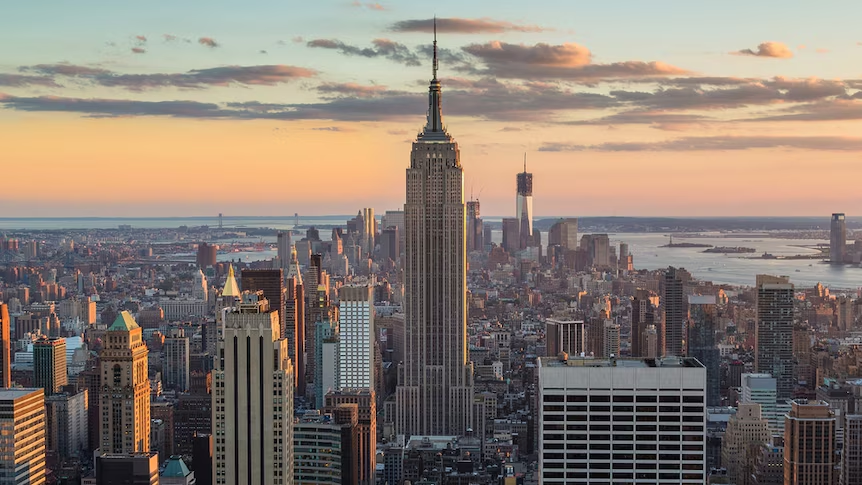
Based in New York City, Plescia Construction is apprised of why building or renovating commercial property in New York City requires a deep understanding of one of the most complex construction environments in the country. Every project—whether in Midtown, the Financial District, or along the Brooklyn waterfront—demands precision, local insight, and logistical expertise. For a commercial general contractor, the challenge is not just in the build itself—it is in orchestrating every moving part of a city that never pauses.
1. Working Within Tight Urban Constraints
Space in New York City is at a premium. Deliveries must be timed to the minute, materials are often stored offsite, and construction zones must stay compliant with sidewalk and pedestrian safety requirements. As noted by United City Construction, congestion, limited access, and population density are among the greatest hurdles for contractors.
These conditions make coordination between subcontractors, suppliers, and city agencies crucial. Managing a commercial project here means planning every hoist, closure, and lift while keeping the surrounding streets moving.
2. Navigating the City’s Regulatory Framework
Construction in New York City is governed by a complex web of permits, inspections, and compliance standards overseen by the New York City Department of Buildings. Even a relatively small commercial renovation can require detailed documentation and multiple approvals before work begins.
Contractors must also distinguish between filing types—whether a job is classified as a new building, an alteration, or a change in occupancy—each with its own process and timeline. Fontan Architecture offers helpful guidance on how “Alteration Type 1” and “Type 2” filings differ, an important distinction for owners and developers.
Understanding the relevant sections of the Administrative Code and aligning with plan examiners can prevent costly delays later in construction.
3. Managing the High Cost of Labor and Materials
Construction costs in New York City are consistently among the highest in the nation. According to the Commercial Observer, both union and non-union labor rates, as well as material delivery costs, continue to climb.
That means general contractors must emphasize cost control from the earliest planning stages. Smart scheduling, early procurement, and long-term partnerships with trusted subcontractors can make a significant difference in keeping a project within budget and on time.
4. Sustainability and Smarter Building Systems
Sustainability is no longer an add-on in New York City—it is an expectation. Office and mixed-use buildings increasingly target LEED, WELL, or Energy Star certifications, while retrofits prioritize carbon reduction and long-term efficiency. As highlighted by Metro-Manhattan Real Estate, more than 40% of the city’s new commercial buildings include environmentally conscious design elements.
For construction managers, this means integrating sustainable systems early in the design phase—balancing environmental goals with the realities of cost, code, and tenant demand.
5. Safety and Risk Management on Active Sites
Safety in New York City construction is a top priority—and rightly so. The New York City Department of Buildings enforces strict site safety regulations, and maintaining compliance is essential to keeping projects open and moving.
General contractors must maintain accurate documentation, ensure daily inspections, and communicate consistently with trades and site supervisors. Preventing stop-work orders or violations is as much about planning and training as it is about execution.
6. Coordinating with Stakeholders Across a Dense Cityscape
Every project in New York City involves multiple voices—owners, architects, tenants, neighboring businesses, and community boards. According to United City Construction, traffic management, after-hours work, and local coordination can make or break a project timeline.
A skilled commercial contractor understands how to balance construction progress with the realities of daily city life—maintaining access for tenants, reducing disruptions, and ensuring communication with all parties involved.
7. The Value of New York City Experience
There is no substitute for experience when it comes to building in New York City. Contractors familiar with local building departments, labor agreements, and logistics systems can identify problems before they surface. They know when to schedule deliveries, how to secure staging space, and how to keep trades moving efficiently in vertical or occupied environments.
That depth of understanding can be the difference between a project that runs smoothly and one that encounters costly delays.
Services Provided by Plescia Construction & Development
At Plescia Construction & Development, we bring deep experience across New York City’s five boroughs. Our services are designed to help clients navigate the city’s construction environment efficiently and confidently.
- General Contracting – Comprehensive oversight of trades, schedules, safety programs, and quality control from ground-breaking to closeout.
- Construction Management – Strategic coordination of budget, schedule, design, and execution to achieve project goals while maintaining transparency for the client.
- Commercial Development – Partnering with property owners and investors to deliver thoughtful, high-performing commercial spaces built for long-term value.
- Design Management – Overseeing collaboration between architects, engineers, and consultants to align creative vision with budget, schedule, and constructability.
Whether you are developing a new office tower, reimagining retail space, or managing an adaptive reuse project, Plescia Construction & Development provides the expertise and precision needed to build successfully in New York City.
Sources and Further Reading
- United City Construction: Challenges in Commercial Construction in NYC
- New York City Department of Buildings – Permitting Overview
- Fontan Architecture – Understanding Alt 1 and Alt 2 Filings
- Commercial Observer – New York City Construction Labor Costs 2025
- Metro-Manhattan Real Estate – Building for Tomorrow
South Florida’s Commercial Construction Roller Coaster - Market Forecast
The COVID Surge — And The Initial Pullback
When the COVID‑19 pandemic struck in early 2020, much of the United States — including South Florida — braced for a downturn. Indeed, a 2020 Q4 market report for the Miami–Fort Lauderdale–West Palm Beach metro described commercial real‑estate conditions as weaker than the U.S. average: office occupancy and rent‑growth underperformed nationally; industrial vacancy rose even as “more construction [was] underway than nationally.” National Association of Realtors+2National Association of Realtors+2
For offices, the effect was particularly sharp. By 2021, the Class‑A office segment saw large sublease backlogs and negative net absorption. In the second quarter of 2021 alone, more than 270,000 sq ft was returned to the market, and sublease space rose from 1.6 million to over 2.2 million sq ft compared to the prior year. Newmark+1
However, even during that slump, leasing activity was recovering: by mid‑2021, leasing in the metro had risen by ~2.8 million sq ft versus the first half of 2020. Newmark Similarly, residential and multifamily occupancies proved more resilient — hinting at shifting demand patterns as work‑from‑home, remote work, and changing lifestyles gained traction. National Association of Realtors+2CRE Daily+2
In short: commercial construction and CRE (commercial real estate) took a blow under COVID, especially in office and hospitality sectors; at the same time, rising sublease inventories and caution dampened new-build momentum.
Recovery & Boom — Why the Tide Turned
Macro Factors: Migration, Population Growth, and New Demand
Since around 2022–2023, South Florida has begun a strong recovery — driven not only by economic rebound but also by demographic and business shifts. Many firms and high‑earners relocated from high-tax, high-cost metros to South Florida, drawn by climate, lifestyle — and increasingly, business‑friendly policies. Florida Realtors+2Florida Realtors+2
That influx translated into demand for office space, retail, industrial, and multifamily properties across the tri‑county region (Miami‑Dade, Broward, Palm Beach). According to the latest data, commercial real‑estate sales across these counties rose 36% in 2024 to a total of $12.5 billion — a robust rebound after the prior 2‑year slump. Miami Realtors+1
Across property types, gains were broad-based: multifamily, office, industrial, and retail all saw substantial increases. Miami Realtors+2Miami Realtors+2
Now, vacancy rates are below national averages in many segments, and asking rents are rising at a faster clip than most U.S. markets. Miami Realtors+2Miami Realtors+2
Spotlight on Key Cities
Fort Lauderdale
In 2025, Fort Lauderdale has re-emerged as a leading hub for commercial deals in Broward County. In Q1, the city recorded the largest commercial‑sales volume in the tri‑county region, buoyed by large office and multifamily trades. Miami Realtors
After years without major new office‑building deliveries, the momentum is returning. That recovery underscores renewed market confidence — as companies reassess remote‑work strategies, hybrid models, and evaluate South Florida as a base for operations.
Still, Fort Lauderdale’s recovery also reflects broader regional drivers: population inflows, relocation of firms, and rising multifamily demand — not just local factors.
Miami
Miami remains the powerhouse of South Florida’s commercial real‑estate market. In 2024, Miami‑Dade’s commercial sales reached $6.2 billion, up 24% from previous years — with strong performance especially in office, retail, and industrial sectors. Miami Realtors+2Miami Realtors+2
Office-market fundamentals have improved markedly: many tenants are signing new leases, fueling demand for high-quality space. Meanwhile, multifamily and retail segments are strong — driven by the influx of new residents, relocated professionals, and companies moving their headquarters or regional offices to Miami. The Real Deal+2CRE Daily+2
In short: Miami’s commercial construction and real‑estate market appear to be outperforming not just locally but against many national metros — a testament to South Florida’s growing appeal.
Boca Raton & Palm Beach County (West Palm / West + Surrounding)
Further north, in Palm Beach County — including Boca Raton and West Palm Beach — growth is accelerating. In 2024, commercial sales in Palm Beach County rose 44%. Miami Realtors+2Great Report+2
Office demand in downtown West Palm Beach especially has surged, driven by finance firms, hedge funds, wealth‑management firms, and new institutional tenants leasing Class A office space in the central business district (CBD). According to recent reports, vacancy in top-tier office buildings in West Palm is among the lowest in decades, with asking rents rising significantly. Great Report+2ChadMassaker.com+2
Retail and industrial sectors remain active as well, with recent data showing positive net absorption in the industrial segment despite new deliveries — evidence of underlying demand. Colliers+1
As for Boca Raton, while less public “headline building” activity has dominated than in Miami or Miami‑Broward, there is steady demand for office and commercial space, particularly among firms seeking alternatives to central‑city congestion. Some recent reports note significant leasing activity by companies in Boca — underlining that the suburban office market remains relevant even in a shifting CRE landscape. HERE Tallahassee+1
The Policy Tailwind: Tax Reform & Business-Friendly Laws
A major structural shift boosting commercial real‑estate in South Florida is the recent repeal of the state’s unique tax on commercial leases — a previously‑heavy burden for tenants and investors alike. As of October 1, 2025, the former “Business Rent Tax” was completely eliminated via legislation (House Bill 7031) signed by the governor. Walter Duke + Partners+3The Florida Senate+3South Florida Agent Magazine+3
For tenants — from large corporations to small businesses — this means significantly lower occupancy costs. Estimates suggest the repeal saves Florida businesses hundreds of millions annually, and creates a more level playing field with other U.S. states. CRE Daily+2Construction Florida+2
For landlords and developers, the change increases net-operating income (NOI), enhances property valuations, and improves the attractiveness of commercial real estate investments. Walter Duke + Partners+1
Moreover, the law removes what many considered a unique penalty on doing business in Florida — and by eliminating the tax on base rent and associated costs (management, CAM fees, insurance, etc.) — the repeal simplifies leasing and reduces hidden costs that previously deterred some tenants. South Florida Agent Magazine+2MyLandTrustee.com+2
In combination with Florida’s broader pro-business stance — no state income tax, favorable regulatory environment, and growing population — this reform reinforces South Florida’s appeal as a major commercial and corporate hub.
What It Means — Looking Forward
-
Sustained construction & investment momentum: With commercial sales rebounding and occupancy strong across office, retail, multifamily, and industrial sectors, the conditions are ripe for more construction and redevelopment — especially in urban cores like Miami, Fort Lauderdale, and West Palm.
-
Spillover to suburbs and secondary cities: As businesses seek space with lower costs and easier commuting, expect growth to spread beyond city centers to places like Boca Raton and suburban Broward & Palm Beach County.
-
Incentive for corporate relocation & headquarters migration: The elimination of commercial lease tax — combined with no personal income tax — makes South Florida particularly appealing for companies relocating from high‑tax states.
-
Potential pressure on rents: As more space becomes available, landlords may face pressure to balance rents and occupancy. But given strong demand, vacancy rates remain below national averages, suggesting long‑term stability.
In short: South Florida’s commercial‑construction market has transformed dramatically over the past five years. What once looked like a risky, post‑COVID gamble is fast becoming one of the most compelling growth stories in American real estate.
Commercial General Contractor Passaic County
Passaic County, New Jersey Commercial General Contractor
Passaic County is one of New Jersey’s most economically and geographically diverse regions—home to dense urban centers, suburban commercial corridors, industrial redevelopment sites, and environmentally sensitive highland areas. With municipalities including Paterson, Clifton, Passaic, Wayne, Totowa, Woodland Park, Little Falls, and West Milford, the county presents commercial general contractors with a wide spectrum of challenges: aging utilities, limited downtown staging areas, brownfield redevelopment, historic preservation requirements, and complex multi-agency approvals.
Once a national manufacturing powerhouse centered around Paterson’s historic mills and industrial complexes, Passaic County has transitioned toward mixed-use redevelopment, medical office expansion, logistics facilities, data centers, retail renovations, and adaptive reuse. Major transportation infrastructure—including Route 46, Route 3, Route 23, I-80, and the Garden State Parkway—supports steady commercial activity across the county, while transit-oriented districts around Clifton and Paterson continue to stimulate development.
Passaic County’s Core Commercial Regions
Commercial construction patterns in Passaic County vary dramatically by municipality. Each submarket imposes different zoning expectations, infrastructure considerations, and redevelopment priorities:
- Paterson – the county’s largest city, shaped by historic mill conversions, downtown revitalization, medical facilities, and multi-phase redevelopment around the Great Falls. Adaptive reuse, code upgrades, and urban infrastructure coordination dominate commercial work here.
- Clifton – a major commercial hub with Route 3 retail centers, industrial parks, mixed-use redevelopment, and large institutional projects including data centers and medical offices.
- Passaic City – dense urban corridors requiring restaurant buildouts, façade improvements, small retail renovations, and strict parking and circulation compliance.
- Wayne – a suburban-commercial market featuring highway retail, office complexes, medical facilities, higher-education construction, and flood-zone considerations along the Passaic River.
- Totowa & Woodland Park – industrial clusters, warehouse facilities, distribution centers, and commercial corridors along Route 46 and I-80.
- Little Falls – transit-oriented redevelopment, mixed-use infill, and downtown revitalization with site-specific engineering challenges.
- West Milford – rural and environmentally sensitive, requiring strict environmental review, advanced drainage solutions, and compliance with Highlands regulations.
This diversity creates a construction environment where contractors must adapt to urban density, suburban complexity, and rural conservation—often within the same county.
Zoning, Planning & Regulatory Challenges
Passaic County municipalities enforce detailed planning-board and zoning-board review requirements. Key regulatory considerations include:
- Planning Board site-plan approval focused on traffic flow, loading areas, parking ratios, drainage design, and architectural detail;
- Zoning Board variances for use changes, non-conforming properties, building height modifications, and signage;
- Historic Preservation Commission review required for projects in Paterson’s historic districts and mill conversion areas;
- NJDEP approvals related to flood zones, wetlands, river corridors, and industrial-site remediation;
- County Planning Board review for projects on county road frontages or near major regional infrastructure;
- Environmental remediation protocols for former manufacturing complexes, warehouses, and brownfield sites in Paterson, Clifton, Passaic, and Totowa.
Paterson and Clifton—because of their history of industrial development—regularly require soil sampling, vapor mitigation planning, and environmental engineering for new commercial construction.
Infrastructure & Engineering Conditions
Commercial builders in Passaic County must frequently address infrastructure and engineering issues that stem from aging utilities, high-density parcels, and environmentally sensitive terrain. Among the most common challenges:
- Aging sewer and water infrastructure in older cities, requiring complete replacement or capacity upgrades for restaurants, hospitals, and manufacturing spaces;
- Floodplain engineering in Wayne, Little Falls, Woodland Park, and low-lying parts of Paterson;
- Traffic congestion along Route 3, Route 46, and Route 23, necessitating circulation and access management;
- Stormwater management under the state’s updated green-infrastructure mandates;
- Limited staging areas in downtown Paterson, Passaic, and dense commercial corridors;
- Fire-code and life-safety upgrades for older buildings undergoing renovation or adaptive reuse.
Warehouse and logistics facilities in Totowa and Clifton require specialized structural engineering, high-bay clearances, concrete slab reinforcement, and fire-suppression systems suited for large-footprint operations.
Passaic County’s Major Commercial Sectors
Passaic County continues to experience commercial growth in several sectors:
- Warehouse & logistics expansion along Route 46 and I-80, with distribution centers, cross-dock terminals, and industrial conversions;
- Healthcare construction including medical offices, clinics, urgent-care facilities, imaging centers, and hospital-affiliated expansions;
- Restaurant & retail development supported by dense populations in Paterson, Clifton, and Passaic;
- Mixed-use and residential-adjacent commercial in Little Falls and downtown Paterson;
- Higher education & institutional development including work at William Paterson University and Passaic County Community College;
- Light industrial production such as commercial kitchens, manufacturing units, and fabrication shops.
Paterson’s historic mill buildings have also become a source of commercial opportunity—supporting breweries, event spaces, creative studios, office suites, and small manufacturing operations.
Plescia Construction & Development in Passaic County
Plescia Construction & Development provides end-to-end commercial contracting services tailored to Passaic County’s complex regulatory and engineering landscape. Our team delivers:
- General Contracting for industrial, retail, hospitality, office, and institutional projects;
- Construction Management overseeing scheduling, logistics, subcontractors, inspections, and safety compliance;
- Commercial Development including feasibility studies, early budgeting, entitlement strategy, and support through the approval process;
- Design Management coordinating with architects, engineers, environmental consultants, and local officials to ensure efficient project delivery.
Whether transforming a historic mill building in Paterson, developing a logistics facility in Totowa, upgrading a retail center in Clifton, or renovating a medical office in Wayne, Plescia Construction & Development brings the expertise needed to thrive in Passaic County’s dynamic commercial environment.