

Commercial General Contractor Bridgehampton
Bridgehampton, New York Commercial General Contractor
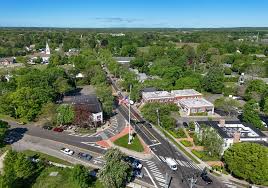
Bridgehampton, located at the center of the South Fork between Southampton and East Hampton, is one of the Hamptons’ most development-sensitive and design-conscious commercial markets. Known for its historic barns, equestrian culture, agricultural landscapes, and upscale retail corridors, Bridgehampton requires a highly calibrated commercial construction approach that respects both local heritage and stringent planning oversight.
Commercial development along Montauk Highway, Ocean Road, and Bridgehampton-Sag Harbor Turnpike is shaped by a strong push for architectural harmony, strict signage regulations, and controlled building scale. Unlike more rapidly evolving commercial markets, Bridgehampton places community preservation at the forefront, requiring contractors to work closely with design boards, planning staff, and multiple regulatory agencies.
Commercial Landscape in Bridgehampton
Bridgehampton’s commercial activity revolves around its walkable village corridor, which includes boutique retail, high-end dining, art galleries, wellness studios, agricultural businesses, financial services, and hospitality properties.
Beyond the village center, equestrian estates, wineries, and agricultural operations contribute to a unique set of construction needs, often requiring specialized facilities such as barns, event spaces, tasting rooms, production buildings, and custom utility solutions.
Architectural & Aesthetic Control
Contractors working in Bridgehampton must adhere to tight architectural guidelines enforced by the Town of Southampton’s Architectural Review Board and related local authorities. Key requirements include:
- Use of traditional materials such as cedar shingles, natural wood siding, and historically consistent trim;
- Low building heights to maintain village-scale massing;
- Muted color palettes avoiding reflective or modern industrial finishes;
- High scrutiny of signage including size, illumination, and placement;
- Landscape screening requirements for parking, dumpsters, and mechanical equipment.
Even minor façade changes often require board review, meaning contractors must plan early and present precise material samples and elevation details.
Zoning, Land Use, and Planning Challenges
Bridgehampton’s land-use environment includes a blend of:
- Hamlet commercial districts along Montauk Highway;
- Agricultural zones governed by county, town, and state land-preservation rules;
- Historic and scenic corridors that limit certain development types;
- Coastal and wetlands areas requiring NYSDEC and Health Department review.
Many projects involve navigating approvals from:
- Southampton Town Planning Board
- Southampton Town Zoning Board of Appeals (ZBA)
- Architectural Review Board (ARB)
- Suffolk County Department of Health Services (SCDHS)
- New York State DEC for wetlands, drainage, or land disturbance
For restaurants, hotels, and high-occupancy commercial spaces, wastewater system capacity is often the largest permitting bottleneck. Most commercial projects must comply with advanced septic or innovative/alternative onsite wastewater treatment systems (I/A OWTS).
Infrastructure, Utilities, and Environmental Constraints
Bridgehampton introduces several conditions that affect commercial construction planning and engineering:
- High groundwater and sandy soils requiring engineered drainage systems;
- Limited utility availability for expansions of older buildings;
- Traffic congestion along the Montauk Highway corridor, impacting staging and deliveries;
- Coastal-zone restrictions for properties near Mecox Bay or Sagaponack Pond;
- Historic vernacular preservation for structures within scenic corridors or historic areas.
Additionally, construction windows may be influenced by seasonal tourism traffic, village noise regulations, and limited on-site space for staging, especially near Montauk Highway.
Plescia Construction & Development in Bridgehampton
Plescia Construction & Development provides customized commercial construction services aligned with Bridgehampton’s refined aesthetic standards, agricultural heritage, and environmental considerations. Capabilities include:
- Restaurant and boutique retail buildouts along Montauk Highway;
- Hospitality and wellness facility construction tailored to high-end clientele;
- Agricultural and equestrian facility development including barns, tasting rooms, and event spaces;
- Historic and traditional-style renovations matching the region’s architectural character;
- Advanced site-engineering solutions for drainage, coastal conditions, and wastewater compliance;
- Full permitting assistance for Planning Board, ARB, ZBA, Health Department, and DEC processes.
With deep experience across Southampton Township and the broader South Fork, Plescia Construction & Development helps clients achieve successful, compliant, and architecturally cohesive commercial projects in one of the most design-conscious markets on Long Island.

Commercial General Contractor Hicksville
Reliable Commercial Construction in Hicksville
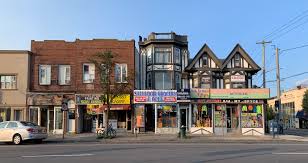
Hicksville’s commercial corridors demand precise planning, skilled execution, and efficient scheduling. Plescia Construction serves neighborhoods like East Nichol’s, Broadway, and Old Country Road areas.
Local Construction Challenges
Construction in Hicksville faces strict Nassau County zoning, traffic congestion along Broadway, and stormwater management requirements. (Newsday) Projects must comply with county building codes and accessibility standards. (Nassau County Planning) Urban sites often require careful staging, delivery planning, and tenant coordination to minimize operational disruption.
Commercial Construction Services in Hicksville
Plescia Construction specializes in:
-
Retail build-outs and renovations
-
Office and corporate interior spaces
-
Restaurant and hospitality construction
-
Medical and healthcare tenant improvements
-
Industrial and warehouse upgrades
-
Mixed-use commercial developments
-
Fast-track interior projects
-
High-end tenant renovations
We ensure disciplined scheduling, clear communication, and strong subcontractor coordination for every project.
Local Supplier and Neighborhood Coordination
We partner with trusted suppliers like Long Island Lumber, Hicksville Building Materials, and Nassau Steel Supply. Proximity to Broadway, Old Country Road, and nearby business parks ensures timely deliveries.
Projects in downtown Hicksville, East Nichol’s, and surrounding commercial zones require detailed planning to reduce traffic, pedestrian, and tenant disruptions.
Construction Management Expertise
Plescia Construction delivers:
-
On-time, on-budget project completion
-
Coordination with inspectors and permitting agencies
-
Efficient logistics in high-traffic or restricted sites
-
Risk mitigation for seasonal weather and storm events
Our structured management approach keeps Hicksville commercial projects on schedule and within budget.
Start Your Hicksville Commercial Project
For retail, office, hospitality, or mixed-use construction in Hicksville, NY, contact:
PlesciaNY@Plescia-CD.com
Plescia Construction provides reliable, efficient, and expert commercial construction services throughout Hicksville and surrounding Nassau County neighborhoods.
Commercial General Contractor Fort Meyers Florida
Reliable Commercial Construction for Fort Myers Businesses
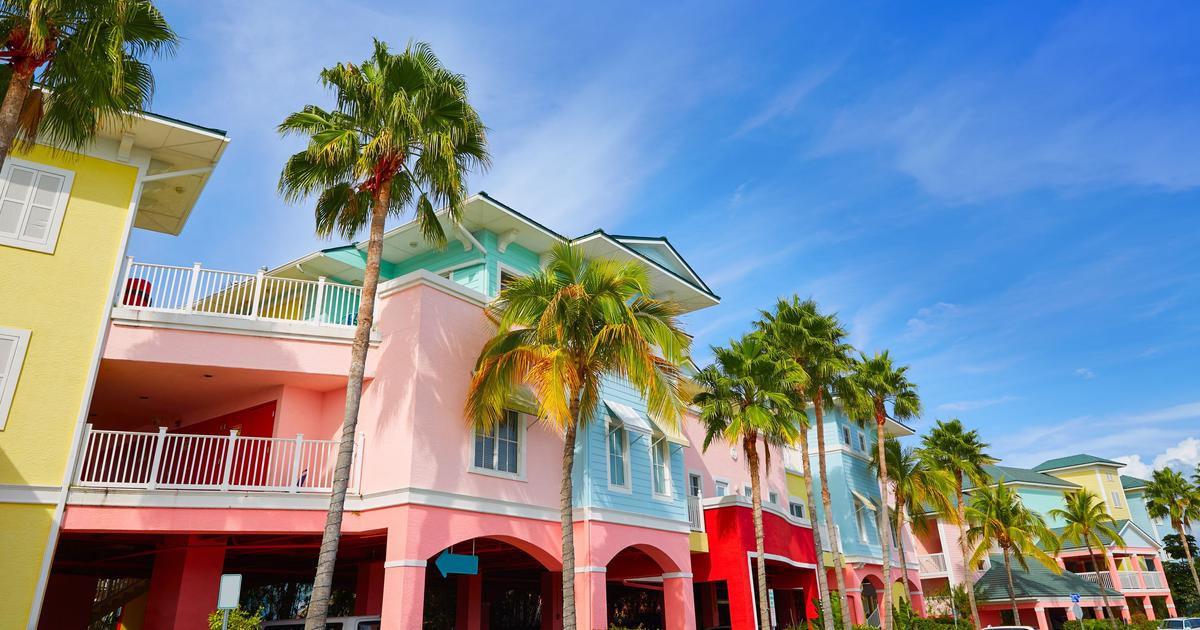
Fort Myers continues expanding through retail growth, mixed-use development, and medical facility upgrades. Plescia Construction supports this momentum with dependable commercial general contracting and construction management. We work across neighborhoods like Gateway, McGregor, Edison Park, and the rapidly developing Colonial Boulevard corridor.
Local Construction Challenges in Fort Myers
Fort Myers faces unique concerns related to storm resilience, coastal climate, and rapid regional growth. Recent articles from WINK News and The News-Press highlight stricter building expectations after major storm seasons. These updates often affect roofing systems, flood zone requirements, and permitting timelines.
Commercial districts near US-41 and Daniels Parkway also face increasing traffic and delivery constraints. We plan logistics carefully to maintain schedules and reduce operational disruptions for nearby tenants and businesses. Coastal humidity and salt exposure require thoughtful material selection, particularly for exterior assemblies and mechanical systems.
Our Commercial Construction Services
Plescia Construction manages many commercial project types across Fort Myers, including:
-
Retail store buildouts
-
Professional and corporate office interiors
-
Restaurant and hospitality spaces
-
Healthcare and medical tenant improvements
-
Industrial and light warehouse upgrades
-
Mixed-use tenant spaces
-
Multi-location retail rollouts
-
Fast-track commercial interiors
Every project benefits from detailed planning, direct communication, and disciplined schedule control.
Supporting Fort Myers With Trusted Local Suppliers
Our work relies on consistent support from regional suppliers such as Raymond Building Supply, Coastal Concrete Products, and Roof Mart. Their locations near North Fort Myers, Tice, and Estero keep material lead times tight and allow for steady jobsite delivery coordination.
We also work around major commercial centers including Bell Tower Shops, Gulf Coast Town Center, and the downtown Fort Myers River District. Each area brings unique constraints related to traffic, pedestrian activity, and municipal guidelines.
Construction Management Built for Southwest Florida
Fort Myers continues evolving through strong population growth and steady commercial demand. Plescia Construction supports this growth with structured construction management focused on schedule accuracy, subcontractor alignment, and clear milestones.
Our field teams coordinate closely with inspectors, property managers, and local agencies to reduce delays. We prepare for seasonal weather risks and maintain flexible sequencing to protect project timelines during heavy rainfall periods.
Start Your Fort Myers Commercial Project
Plescia Construction delivers organized, efficient, and dependable commercial construction services throughout Fort Myers. For project inquiries or bid requests, contact:
PlesciaFL@Plescia-CD.com

Commercial General Contractor Charleston SC
Plescia Construction provides expert commercial construction services in Charleston, SC, delivering high-quality projects efficiently and reliably.
Why Charleston is a Unique Market
Charleston’s historic downtown and growing commercial districts require careful planning to balance modern construction with local architecture.
-
Office & Corporate Spaces – Build or renovate corporate offices, coworking spaces, and professional facilities with functional layouts. (charlestoncitypaper.com)
-
Retail & Shopping Centers – Construct and renovate retail spaces, restaurants, and mixed-use environments to meet local customer expectations. (charlestonbusiness.com)
-
Hospitality & Dining – Hotels, restaurants, and bars need modern kitchens, ADA compliance, and customer-friendly layouts. (postandcourier.com)
-
Infrastructure & Site Work – Parking, pedestrian access, utilities, and landscaping are critical for efficient operations. (charleston-sc.gov/planning)
Our team coordinates with local suppliers, including concrete, steel, HVAC, and electrical subcontractors experienced with Charleston standards.
Plescia Construction Services in Charleston
-
New Commercial Build-Outs – Design and construct functional, modern commercial spaces.
-
Interior Renovations & Fit-Outs – Update offices, retail spaces, and hospitality areas efficiently.
-
Mixed-Use & Specialty Spaces – Coordinate commercial projects integrating office, retail, and entertainment functions.
-
Infrastructure & Site Improvements – Parking, utilities, and pedestrian improvements for smooth operations.
-
Maintenance & Upgrades – Renovate older buildings to meet codes, accessibility, and aesthetic standards.
Local Considerations for Charleston Projects
Historic Preservation & Architectural Guidelines
Charleston enforces strict guidelines to preserve the historic aesthetic while allowing modern construction. (charleston-sc.gov/planning)
Coastal Weather & Flooding
Projects must account for hurricanes, heavy rains, and flood zones with reinforced materials and site planning. (scdhec.gov)
Supplier & Subcontractor Coordination
We collaborate with trusted local suppliers and subcontractors familiar with Charleston’s commercial construction standards.
Market Trends
Charleston is seeing growth in office renovations, hospitality upgrades, and mixed-use developments driven by tourism and business expansion. (postandcourier.com/business)
Why Plescia Construction is the Right Partner
-
Fast, Efficient Project Management – Deliver projects on time and within budget.
-
Full-Service Capabilities – Office, retail, hospitality, and mixed-use commercial construction.
-
Local Supplier Network – Trusted Charleston subcontractors familiar with codes and standards.
-
Expert Planning & Execution – Navigate historic, commercial, and coastal considerations with precision.
For commercial construction projects in Charleston, SC — offices, retail, hospitality, or mixed-use spaces — contact Info@Plescia-CD.com.
Plescia Construction delivers high-quality, efficient commercial construction solutions throughout Charleston and surrounding areas.

Commercial General Contractor Tampa Florida
Tampa, Florida Commercial General Contractor
Tampa has rapidly become one of the nation’s most active commercial construction markets—driven by its expanding downtown core, revitalized waterfront, port-related logistics, rapid corporate relocation trends, healthcare and research investment, and a tourism economy that fuels hospitality development across the region. As one of Florida’s economic engines, Tampa offers unmatched growth across office, industrial, retail, mixed-use, medical, entertainment, and institutional construction.
Anchored by Tampa International Airport, the Port of Tampa Bay, and a robust interstate network including I-4 and I-275, the city supports both local and international commerce. Tampa’s growth is heavily shaped by large-scale redevelopment initiatives led by the City of Tampa Economic & Urban Development Office, along with private-sector investments such as the multibillion-dollar Water Street Tampa project.
For commercial general contractors, Tampa presents high opportunity but requires deep expertise in coastal engineering, hurricane-resilient construction, tight urban staging logistics, stormwater management, and coordination with multiple regulatory authorities.
Major Commercial Districts & Development Zones in Tampa
Tampa’s commercial development is concentrated in several distinct zones, each generating strong demand for specialized construction services:
- Downtown Tampa — home to some of Florida’s most ambitious urban redevelopment efforts, including high-rise towers, mixed-use developments, entertainment complexes, cultural institutions, and waterfront projects guided by the Tampa Downtown Partnership.
- Water Street Tampa — a major transformative district featuring luxury residential towers, Class A office buildings, medical facilities, retail districts, hotels, and advanced green-infrastructure systems.
- Channel District — a mixed-use urban neighborhood adjacent to cruise terminals, attracting dense residential, hospitality, and retail construction.
- Ybor City — a National Historic Landmark District with unique architectural requirements, adaptive reuse opportunities, and cultural/commercial redevelopment potential.
- Westshore Business District — Florida’s largest office market and a major hub for corporate headquarters, retail centers, restaurants, and hospitality projects.
- Midtown Tampa — a new mixed-use destination combining office, retail, residential, and entertainment uses.
- University Area / USF Research District — home to University of South Florida, research facilities, medical complexes, and innovation-driven commercial development.
- Port & Industrial Districts — logistics hubs, warehousing, cold storage, manufacturing, and distribution centers fueled by Port Tampa Bay activity.
These districts provide a wide range of opportunities for retail buildouts, restaurant spaces, medical construction, large-format commercial facilities, and advanced institutional buildings.
Zoning, Permitting & Development Oversight
Tampa’s commercial construction process involves layered regulatory review from city, county, state, and federal agencies. Key authorities include:
- City of Tampa Development & Growth Management — overseeing zoning, land use, site plans, variances, and architectural requirements.
- Tampa Construction Services Division — managing commercial building permits, plan review, and code compliance.
- Hillsborough County — involved when projects impact county-owned infrastructure or utilities.
- Southwest Florida Water Management District (SWFWMD) — responsible for stormwater permitting, retention systems, and watershed compliance.
- Florida DEP — required for wetlands, coastal construction, and shoreline development along Tampa Bay.
- U.S. Army Corps of Engineers — necessary for waterfront or dredge-adjacent construction.
- FDOT — coordination needed for roadway impacts on major corridors.
- Historic Preservation Commission — essential for construction within Ybor City and certain historic overlays.
Tampa’s redevelopment focus means that many commercial projects also pass through incentive programs or special district review processes.
Infrastructure, Environmental & Engineering Challenges
Construction in Tampa involves several region-specific engineering considerations:
- Coastal floodplain & storm surge risks — requiring elevation strategies, floodproofing, and design compliance with state resiliency standards.
- Hurricane-resistant construction — including impact-rated glazing, enhanced structural systems, and wind-load engineering per Florida Building Code.
- Urban traffic and staging constraints — especially downtown, where construction often requires phased delivery scheduling, roadway closures, or pedestrian routing plans.
- Stormwater-retention requirements — large commercial sites must incorporate underground vaults, bioswales, or engineered drainage systems.
- Historic preservation conditions — in Ybor City and older commercial blocks requiring material matching, façade conservation, or architectural review.
- Soil and foundation variability — sandy or unstable soils may require deep foundations or ground stabilization.
- Port-related engineering — heavy-load structures, industrial utilities, and multimodal logistics integration.
The variety of site conditions makes preconstruction analysis essential to successful project execution.
Commercial Sectors Driving Growth in Tampa
Tampa’s regional economy drives robust demand across a wide range of commercial construction categories:
- Hospitality & tourism — hotels, waterfront venues, entertainment complexes, and cruise-oriented commercial spaces.
- Healthcare & medical facilities — fueled by Tampa General Hospital, USF Health, Moffitt Cancer Center, and numerous private medical providers.
- Corporate office & headquarters — especially in the Westshore and Midtown districts.
- Mixed-use development — prominent downtown and in designated redevelopment zones.
- Retail & restaurant construction — including multi-tenant centers, lifestyle plazas, and stand-alone restaurant pads.
- Industrial & logistics facilities — driven by port expansion and regional distribution growth.
- Education & institutional buildings — supporting USF and affiliated research institutions.
Tampa’s economic diversity ensures a stable, high-volume commercial construction market.
Plescia Construction & Development in Tampa
Plescia Construction & Development supports Tampa’s dynamic commercial ecosystem with services tailored to coastal, urban, and large-scale site environments. Our services include:
- General Contracting for mixed-use buildings, retail centers, restaurants, medical offices, hospitality projects, and industrial facilities;
- Construction Management with detailed scheduling, subcontractor oversight, safety programs, logistics planning, and quality control;
- Commercial Development including feasibility studies, entitlement strategy, budgeting, and environmental coordination;
- Design Management integrating architects, marine engineers, structural specialists, and regulatory bodies to advance complex projects.
Whether supporting a high-rise downtown project, building a medical facility near major hospital systems, constructing a distribution center near the port, or delivering a retail development in South Tampa, Plescia Construction & Development provides the experience and regional expertise needed to succeed in Tampa’s competitive commercial landscape.

Commercial General Contractor Somerset County
Somerset County, New Jersey Commercial General Contractor
Somerset County has become one of New Jersey’s most strategically important commercial regions, blending high-growth suburban development with corporate campuses, life-science research facilities, logistics centers, and sophisticated mixed-use projects. With municipalities such as Bridgewater, Somerville, Franklin Township, Hillsborough, Bedminster, Warren, and North Plainfield, the county presents a diverse construction environment shaped by redevelopment initiatives, corporate real estate cycles, and its well-established pharmaceutical and technology sectors.
Commercial general contractors working in Somerset County must navigate a complex mix of zoning regulations, planning-board standards, environmental constraints, aging infrastructure in certain districts, and high expectations for architectural quality—especially in towns with strong design guidelines. The county’s location at the crossroads of I-287, I-78, Routes 22, 202, and 206 also makes it a magnet for commercial, industrial, and distribution-oriented development.
Somerset County’s Core Commercial Areas
Somerset County’s commercial market is defined by several distinct economic zones, each requiring a different construction approach:
- Bridgewater Township – the county’s retail and corporate hub, home to Bridgewater Commons, large office parks, and significant redevelopment activity;
- Somerville – a thriving downtown with transit-oriented development (TOD), mixed-use construction, new restaurants, and municipal redevelopment planning;
- Franklin Township – one of NJ’s most active biotech and data-center construction zones, driven by pharmaceutical, logistics, and research campuses;
- Hillsborough – expanding commercial corridors, warehouse development, and business-park activity along Routes 206 and 514;
- Warren & Bedminster – high-end offices, corporate campuses, and medical facilities requiring sophisticated interior buildouts;
- North Plainfield – dense commercial areas requiring redevelopment expertise, façade improvements, and adaptive reuse.
The diversity of these areas—from suburban shopping districts to corporate towers to industrial complexes—means commercial builders must adapt engineering, logistics, and project-management approaches to fit local conditions.
Zoning, Planning & Redevelopment Dynamics
Somerset County is known for detailed municipal planning requirements. Many towns maintain strict architectural guidelines, sustainability expectations, and traffic-management standards. Construction projects often require:
- Planning Board site-plan approval for circulation, loading, drainage, parking ratios, and architectural design;
- Zoning Board variances for signage, setbacks, height modifications, and non-conforming uses;
- County Engineering review for highway access, stormwater flows, and intersection impacts;
- Historic district review in Somerville and other heritage-sensitive areas;
- NJDEP and environmental approvals for wetlands, flood zones, and stream-corridor buffers.
Several municipalities—particularly Bridgewater, Franklin Township, and Somerville—have adopted redevelopment plans to attract commercial investment. These often include incentives, but also require strict compliance with design standards, pedestrian-access improvements, sustainability measures, and context-sensitive building massing.
Infrastructure, Environmental Constraints & Engineering Considerations
Somerset County’s varied development patterns present several infrastructure and environmental challenges:
- Aging utilities and undersized drainage systems in older downtowns, requiring significant MEP upgrades;
- Traffic congestion on Routes 22, 202, 206, and I-287 influencing circulation and access design;
- Stormwater retention requirements under NJ’s updated green-infrastructure mandates;
- Flood-zone construction in areas near the Raritan River and tributary systems;
- Soil and groundwater constraints on former industrial parcels or brownfield redevelopment sites;
- High-performance HVAC and electrical needs for biotech, pharmaceutical, and data-center projects.
Institutional buildings—especially life-science facilities and medical spaces—often require specialized mechanical systems, enhanced structural loads, clean-room design expertise, and strict compliance review.
Key Sectors Driving Somerset County Commercial Growth
Somerset County benefits from diverse and robust commercial activity across multiple categories:
- Life sciences and pharmaceuticals – one of NJ’s strongest biotech clusters, requiring lab construction, MEP-intensive spaces, and highly regulated environments;
- Corporate office redevelopment – many 1980s-era office parks are being modernized or repositioned for flexible workspace;
- Retail & hospitality – driven by Bridgewater, Somerville, and emerging suburban corridors in Hillsborough and Branchburg;
- Industrial & warehouse construction – increasing demand for distribution centers throughout Franklin Township and Hillsborough;
- Medical & outpatient facilities – hospital-affiliated clinics and private practices expanding across the county;
- Mixed-use transit-oriented development (TOD) – particularly around Somerville Station and other commuter nodes.
Each of these sectors requires different permitting, engineering, and logistical approaches. Life-science construction demands high-capacity electrical systems, specialty ventilation, and laboratory-grade finishes; retail and hospitality emphasize façade modernization and customer flow; industrial projects require large footprints, truck courts, and high-bay clearances.
Plescia Construction & Development in Somerset County
Plescia Construction & Development brings the commercial construction expertise needed to navigate Somerset County’s complex regulatory environment, diverse building types, and evolving redevelopment landscape. Our team delivers:
- General Contracting – full-scope construction execution with strict timeline and cost control;
- Construction Management – oversight of scheduling, subcontractors, compliance, logistics, and quality assurance;
- Commercial Development – guidance on feasibility, budgeting, approvals, and site planning for commercial projects;
- Design Management – coordination with architects, engineers, planners, and regulatory agencies to ensure successful project delivery.
Whether building laboratories in Franklin Township, renovating a downtown Somerville restaurant, modernizing a Bridgewater office, or constructing a new warehouse in Hillsborough, Plescia Construction & Development provides the technical depth and local experience necessary for successful projects across Somerset County.

Commercial General Contractor Rockland County
Rockland County, New York Commercial General Contractor
Rockland County, New York—located just northwest of New York City across the Governor Mario M. Cuomo Bridge—sits at a critical junction between the Hudson Valley, New Jersey, and the broader Tri-State region. Its commercial landscape is defined by heavily traveled retail and industrial corridors, significant logistics and distribution activity, major healthcare and institutional anchors, and a mix of riverfront downtowns and low-density suburban communities. For commercial general contractors, Rockland requires fluency in corridor-specific zoning, environmental and stormwater regulations, traffic and access constraints, and closely watched community review processes.
Economic Development Context and Subregional Markets
Rockland’s economic strategy, as reflected in materials from the Rockland County Office of Economic Development and Tourism, emphasizes logistics, advanced manufacturing, healthcare, tourism, and continued reinvestment in key commercial centers such as Nanuet, Nyack, West Nyack, Pearl River, Suffern, and Spring Valley. The county’s location along the New York State Thruway (I-87/I-287), Routes 59, 303, and 304 positions it as a hub for regional trade and distribution.
Commercial general contractors work across several distinct submarkets:
- Route 59 Corridor (Suffern to Nanuet/West Nyack): Big-box retail, regional shopping centers, hospitality, and medical uses.
- Route 303/304 Industrial and Commercial Corridors: Logistics, warehouse, flex-industrial, and back-of-house support facilities.
- Hudson Riverfront Towns (Nyack, Piermont, Haverstraw): Mixed-use downtowns, hospitality, adaptive reuse, and small-format commercial spaces.
- Institutional and Corporate Campuses (Pearl River, Orangetown, New City): Office, research, healthcare, and educational projects.
Key Commercial Corridors and Development Nodes
Route 59: Retail, Hospitality, and Medical Clusters
Route 59 is Rockland’s primary east–west commercial artery, linking Suffern, Airmont, Monsey, Spring Valley, Nanuet, and West Nyack. It supports regional shopping centers, freestanding big-box stores, hospitality uses, auto dealerships, and medical-office clusters. Redevelopment along this corridor increasingly focuses on repositioning older retail centers, subdividing larger boxes into multi-tenant spaces, and upgrading building systems to meet current codes and energy standards.
Projects along Route 59 typically require:
- Traffic-impact analyses and access-management plans;
- Coordination with the New York State Department of Transportation (NYSDOT) for curb cuts and signal modifications;
- Parking-lot reconfiguration, pedestrian improvements, and ADA upgrades;
- MEP modernization, façade upgrades, and stormwater retrofits.
Palisades Center and West Nyack Area
The Palisades Center in West Nyack is one of the largest shopping malls in the country and anchors a larger commercial and entertainment district. Redevelopment opportunities include re-tenanting large spaces, integrating entertainment and experiential uses, adding medical or office components, and updating infrastructure to support new loading and mechanical requirements.
Route 303 and 304: Industrial and Logistics Spine
Route 303 and Route 304 form Rockland’s industrial spine, supporting warehouse, distribution, and flex-commercial uses in Orangetown, Clarkstown, and Haverstraw. These corridors host regional logistics facilities that benefit from Thruway access and connections to New Jersey’s industrial base.
Industrial projects along these routes often require:
- High-bay structures with clear heights suitable for racking and automation;
- ESFR fire protection and robust water-supply infrastructure;
- Truck-circulation planning and heavy-duty pavement design;
- Coordination with local planning boards on noise, hours of operation, and buffering from residential areas.
Hudson Riverfront Municipalities: Nyack, Piermont, Haverstraw
Nyack, Piermont, and Haverstraw have active waterfront and downtown districts that emphasize small-scale commercial, hospitality, and mixed-use development. Zoning here prioritizes pedestrian-friendly design, historic character, and viewshed protection of the Hudson River.
Contractors in these areas must navigate:
- Tight urban sites with limited staging and laydown space;
- Floodplain considerations and tidal influence along the river;
- Architectural review requirements for façades, materials, and signage;
- Close coordination with local building departments and planning boards.
Thruway, Cuomo Bridge, and Regional Accessibility
The New York State Thruway (I-87/I-287) and the Governor Mario M. Cuomo Bridge are pivotal to Rockland’s commercial development. They connect Rockland to Westchester and the rest of the Tri-State region, influencing warehouse site selection, travel patterns for office and healthcare workers, and the feasibility of new commercial projects targeting regional markets.
For contractors, the Thruway and bridge influence:
- Delivery routes and timing for large loads;
- Preferred locations for logistics and distribution centers;
- Commuter access to office and institutional employment centers;
- Potential traffic-mitigation commitments associated with large projects.
Stormwater, Wetlands, and Environmental Constraints
Rockland County’s environmental and hydrologic conditions significantly influence commercial site planning, particularly near the Hudson River, tributary streams, wetlands, and steeply sloped terrain. Projects must comply with regulations administered by the New York State Department of Environmental Conservation (NYSDEC), the U.S. Army Corps of Engineers, and local environmental boards. Stormwater requirements under the state’s SPDES General Permit for stormwater discharges from construction activities often trigger full Stormwater Pollution Prevention Plans (SWPPPs) for commercial projects disturbing one acre or more.
Key stormwater and environmental considerations include:
- Design of detention and retention systems to manage peak flows and water quality;
- Use of green infrastructure where required or encouraged by local codes;
- Wetland delineation, buffer compliance, and mitigation where impacts are unavoidable;
- Protection of steep slopes from erosion and instability during and after construction;
- Coordination with local municipal separate storm sewer system (MS4) regulations.
Riverfront municipalities such as Nyack, Piermont, and Haverstraw must also contend with tidal influences, storm surge potential, and evolving FEMA floodplain maps. Contractors are often required to incorporate dry floodproofing, elevated utilities, and durable materials at lower levels of commercial structures.
Zoning, Planning Boards, and Community Review
Land use in Rockland County is governed by a patchwork of town and village zoning codes, each with specific commercial districts, overlay zones, and special-use provisions. Municipal planning boards, zoning boards of appeals (ZBAs), and sometimes architectural review boards (ARBs) play a central role in shaping commercial-building massing, façade design, signage, landscaping, and traffic circulation.
Projects along major corridors like Route 59, 303, and 304 often trigger requirements for:
- Site plan approval and special-use permits;
- Traffic-impact studies and mitigation commitments;
- Visual and architectural review in prominent locations;
- Noise and screening requirements, especially near residential areas;
- Compliance with the State Environmental Quality Review Act (SEQR).
Public hearings are a key component of the review process, particularly for large-scale retail, logistics facilities, or projects perceived to increase traffic, noise, or environmental impacts. Contractors and owners must be prepared for iterative design adjustments and extended preconstruction schedules.
Infrastructure, Utilities, and Capacity Issues
Water, sewer, and electrical capacity vary considerably across Rockland’s municipalities. Some areas—especially in and around older village centers—benefit from established sewer and water infrastructure, while other zones rely on septic systems or constrained utility networks.
Common infrastructure-related challenges include:
- Ensuring adequate fire flow for larger commercial or industrial buildings;
- Coordinating sewer hookups or pump stations where gravity flow is not possible;
- Securing sufficient electrical capacity for energy-intensive uses such as cold storage or data-heavy operations;
- Upgrading aging distribution infrastructure as part of redevelopment projects.
Coordination with utility providers and public-works departments is therefore essential in early design phases, particularly for logistics centers, large-format retail, hospitals, and institutional projects.
Rockland-Specific Commercial Building Typologies
Retail Centers and Shopping Malls
Rockland’s retail stock ranges from enclosed regional malls like Palisades Center to open-air community centers and freestanding big-box stores along Route 59. Redevelopment focuses on re-tenanting, adding entertainment and service uses, upgrading façades, and improving circulation and parking layouts to reflect current retail patterns.
Medical and Healthcare Facilities
Hospitals, outpatient centers, and medical-office buildings form a growing portion of the commercial market, with facilities in Nyack, West Nyack, New City, Suffern, and surrounding communities. These projects require specialized HVAC, medical gas systems, infection-control measures, and redundancy in electrical and life-safety systems.
Industrial, Warehouse, and Flex-Commercial
Industrial and logistics facilities along Routes 303 and 304, and near Thruway interchanges, require high-bay structural systems, ESFR sprinkler coverage, truck courts, and efficient loading-dock configurations. Flex-commercial buildings combining office, light manufacturing, and storage functions are also common, demanding adaptable building layouts and utility planning.
Religious, Educational, and Institutional Buildings
Rockland has a significant number of religious and educational institutions, some of which are expanding or building new facilities. These projects often involve auditoriums, classroom spaces, multipurpose halls, and associated support spaces, with careful attention to parking, traffic, and neighborhood compatibility.
Environmental Risks, Floodplain Management, and Coastal/Watershed Considerations
Rockland County’s diverse environmental zones—ranging from the Hudson River shoreline to inland streams, steep slopes, and wetland complexes—require commercial projects to navigate a multi-layered regulatory framework. Municipalities such as Piermont, Nyack, Haverstraw, and portions of Orangetown face heightened exposure to coastal flooding, storm surge, and tidal influences. Meanwhile, inland areas near Monsey, New City, and Airmont contend with watershed sensitivities, groundwater recharge areas, and erosion-prone slopes.
Across the county, contractors must account for evolving FEMA flood maps, particularly in low-lying commercial nodes adjacent to the Hudson River, the Sparkill Creek watershed, and the Hackensack River Basin. Flood mitigation strategies for commercial buildings in these zones typically involve:
- Elevated mechanical rooms and electrical service;
- Dry or wet floodproofing strategies for ground-floor spaces;
- Breakaway wall design where appropriate;
- Hydrologic/hydraulic analyses for increased stormwater volumes;
- Salt-resistant façade and structural materials near tidal areas.
Wetland and watercourse proximity—particularly in Clarkstown, Ramapo, and Orangetown—adds another layer of complexity. Many sites require wetland delineations, buffers ranging from 50 to 100+ feet, and mitigation or enhancement measures to offset unavoidable impacts. Contractors must consult with the NYSDEC Wetlands Program and local environmental boards early in project planning.
Geotechnical Conditions and Site Engineering in Rockland County
Rockland’s geology features a complex mix of glacial deposits, clay soils, shallow bedrock, and variable groundwater levels. Certain areas—such as Suffern, parts of Ramapo, and the upland sections of Clarkstown—include bedrock close to grade, requiring drilling, hammering, or blasting for foundations and utility trenches. Other zones beneath former wetlands or low-lying areas require soil stabilization, improved drainage, or engineered fill to support commercial structures.
Typical geotechnical considerations include:
- Test pits and borings to determine soil composition, bearing capacity, and the depth of bedrock;
- Underdrain and subgrade stabilization systems for parking lots and loading areas;
- Structural fill design for reclaimed or low-lying sites;
- Retaining walls, reinforced slopes, or terraced site design;
- Groundwater control during excavation for basements or utility installations.
Tight access conditions along the riverfront or within older village centers may require creative staging solutions, crane placement planning, street closures, and coordination with municipal departments for temporary traffic control.
Community Review, Architectural Standards, and Public Engagement
Municipalities in Rockland place strong emphasis on community engagement and design review for commercial projects. Architectural Review Boards (ARBs) in villages such as Nyack and Piermont evaluate façade materials, color palettes, window designs, and signage. Planning boards across Ramapo, Clarkstown, and Orangetown closely evaluate circulation patterns, bulk requirements, stormwater performance, and compatibility with adjacent land uses.
Public hearings often mobilize community concerns about:
- Traffic increases along major corridors such as Route 59 or Route 303;
- Noise from logistics facilities or late-night operations;
- Visual impacts on downtown streetscapes or waterfront views;
- Environmental sensitivity and flood-risk management;
- Impact on local services and infrastructure.
For general contractors, early community outreach, transparent design presentations, and willingness to adjust project scopes help build support and streamline the approval process.
Plescia Construction & Development’s Approach in Rockland County
Plescia Construction & Development brings a tailored strategy to Rockland County’s varied commercial environments, combining deep regulatory knowledge with practical construction management expertise. The firm’s approach is informed by local land-use patterns, corridor-specific conditions, and the county’s mix of retail, industrial, institutional, and waterfront markets.
Along major corridors such as Route 59 and Routes 303/304, Plescia emphasizes:
- Traffic and access planning aligned with NYSDOT requirements;
- Efficient circulation and loading configurations for logistics and retail;
- Stormwater retrofits and green infrastructure integration;
- MEP upgrades to modernize legacy commercial spaces.
In riverfront and downtown districts, the firm focuses on:
- Context-sensitive architecture and façade design;
- Flood mitigation and durable material selection;
- Adaptive reuse of historic or underutilized commercial buildings;
- Construction sequencing on constrained village sites.
For institutional and educational facilities, Plescia supports:
- Complex programmatic requirements for classrooms, auditoriums, and community spaces;
- Long-term capital planning and phased construction strategies;
- Mechanical and electrical systems designed for high reliability;
- Sustainable construction practices aligned with long-term operational performance.

Commercial General Contractor Washington DC
Trusted Commercial Construction in the Nation’s Capital
Washington DC requires disciplined planning, strict compliance, and efficient execution on every commercial project. Plescia Construction delivers these standards across the District, supporting rapidly growing neighborhoods like NoMa, Capitol Riverfront, Shaw, and Mount Vernon Triangle.
Navigating Washington DC Regulations and Local Concerns
Commercial construction in DC brings unique challenges. Tight permitting windows, evolving codes, and heightened security requirements demand an experienced, organized general contractor.
Recent updates to building and energy codes, highlighted by The Washington Post and DCist, emphasize stricter sustainability, stormwater, and inspection standards. We streamline these concerns through proactive coordination with agencies, inspectors, and design teams to keep schedules on track.
Security zones near federal buildings and limited site access in downtown corridors require strategic planning. We tailor logistics and scheduling to accommodate traffic restrictions, staging limitations, and delivery constraints.
Commercial Construction Services We Provide
Plescia Construction handles a wide range of commercial projects throughout Washington DC, including:
-
Retail store buildouts
-
Corporate and professional offices
-
Medical suites and specialty healthcare spaces
-
Restaurant and hospitality interiors
-
Industrial and warehouse improvements
-
Mixed-use tenant spaces
-
High-end interior renovations
-
Fast-track commercial projects requiring accelerated timelines
Every project benefits from clear communication, rigorous scheduling, and strong coordination with local subcontractors.
Supporting DC With Strong Local Partnerships
Our work benefits from reliable regional suppliers such as Capitol Building Supply, TW Perry, and Smoot Lumber, serving areas like Ivy City, Brentwood, and Hyattsville. Their proximity ensures consistent material flow and reduces costly downtime.
We also work extensively within busy commercial areas including:
-
Downtown DC
-
Georgetown
-
Navy Yard
-
Dupont Circle
-
Columbia Heights
-
Tenleytown
Each neighborhood requires unique planning, from traffic constraints to tenant coordination, and we tailor our approach accordingly.
Construction Management Built for the District
Washington DC presents complex logistics, including limited laydown areas, challenging delivery schedules, and strict noise and work-hour regulations. Plescia Construction manages these factors through disciplined oversight, detailed phasing plans, and subcontractor alignment.
Fast, accurate decision-making supports project momentum—especially in high-demand zones like Union Market, The Wharf, and The Yards, where new developments continue reshaping the area.
Start Your DC Construction Project
Plescia Construction delivers dependable, schedule-driven commercial construction across Washington DC. For project inquiries or bid requests, contact:
Info@Plescia-CD.com
Retail General Contractor Saw Grass Mills Mall
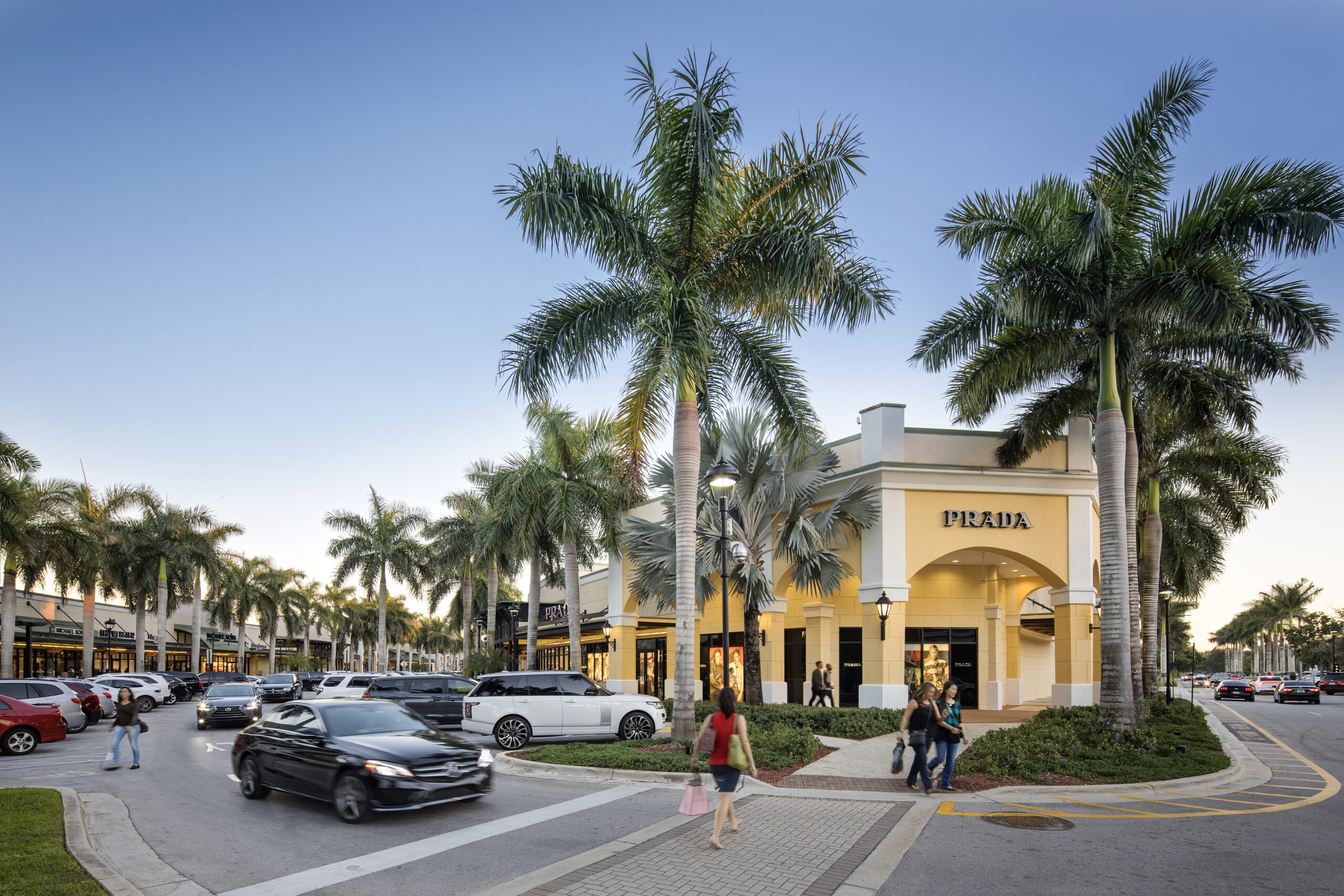
Based in Fort Lauderdale, With 10 years of construction experience within Sawgrass Mills Mall, Plescia Construction knows the facility inside and out.
Why Sawgrass Mills is a Unique Market
Sawgrass Mills in Sunrise, FL, is one of the largest outlet and retail centers in the U.S., demanding precise construction expertise.
-
Retail Build-Outs & Renovations – Stores, outlets, and luxury retailers require tailored interiors and precise scheduling. (simon.com/mall/sawgrass-mills/news)
-
Restaurant & Dining Spaces – Food courts, cafes, and restaurants require modern kitchens, ADA compliance, and tenant-specific layouts. (sun-sentinel.com)
-
Infrastructure & Site Work – Parking, pedestrian circulation, utilities, and landscaping are essential for smooth operations. (sunrisefl.gov)
Our long-term experience allows us to manage multi-tenant scheduling, high-profile retailers, and logistical challenges efficiently.
Plescia Construction Services at Sawgrass Mills
-
New Retail Build-Outs – Construct spaces for tenants with modern finishes and functional layouts.
-
Interior Renovations & Fit-Outs – Remodel stores, restaurants, and lifestyle spaces efficiently.
-
Mixed-Use & Specialty Spaces – Coordinate custom commercial spaces integrating retail, dining, and entertainment areas.
-
Infrastructure & Site Improvements – Parking, utilities, walkways, and loading zones for operational efficiency.
-
Maintenance & Adaptive Upgrades – Renovate older spaces to meet current codes and design standards.
Local Considerations for Sawgrass Mills Projects
Tenant Coordination & Scheduling
Construction must be phased carefully to minimize disruption to shoppers, tenants, and high-traffic areas. (simon.com/mall/sawgrass-mills/news)
Building & Safety Code Compliance
Sunrise enforces strict building, fire, and safety codes for commercial, retail, and mixed-use developments. (sunrisefl.gov/planning)
Supplier & Subcontractor Coordination
We work with local concrete, steel, HVAC, electrical, and millwork suppliers familiar with Sawgrass Mills standards.
Market Trends
Outlet and retail centers continue evolving with experiential shopping, upgraded food courts, and mixed-use entertainment spaces driving redevelopment. (sun-sentinel.com)
Why Plescia Construction is the Right Partner
-
Facility Expertise – 10+ years of experience ensures deep operational knowledge of Sawgrass Mills.
-
Full-Service Capabilities – Retail, dining, and mixed-use build-outs, renovations, and specialty projects.
-
Experienced Project Management – Coordinate multi-tenant, high-profile construction efficiently with minimal disruption.
-
Local Supplier Network – Trusted subcontractors familiar with Sawgrass Mills retail and outlet standards.
For commercial construction projects at Sawgrass Mills — retail, restaurants, or mixed-use spaces — contact PlesciaFL@Plescia-CD.com.
Plescia Construction delivers expert planning, execution, and high-quality construction for every corner of Sawgrass Mills Mall.
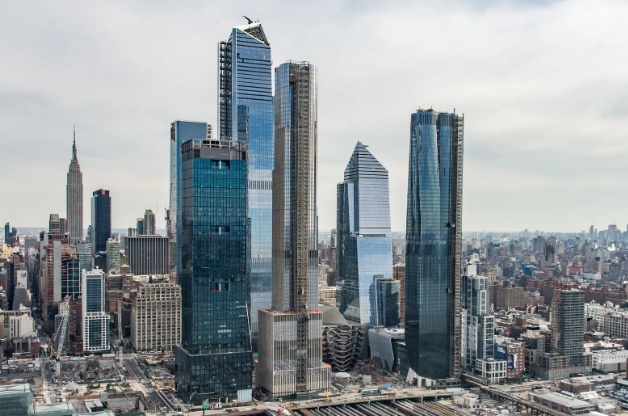
Commercial General Contractor Hudson Yards
With over 10 years of construction experience within Hudson Yards, Plescia Construction knows the facilities inside and out.
Why Hudson Yards is a Unique Market
Hudson Yards in New York City is a premier commercial and mixed-use development, demanding precise construction expertise and high-quality execution.
-
Office & Commercial Towers – Build Class A office spaces with modern layouts, structural complexity, and integrated amenities. (hudsonyardsnewyork.com/news)
-
Retail & Dining Spaces – Luxury retail and fine dining require tenant-specific build-outs and scheduling accuracy. (nytimes.com)
-
Cultural & Public Spaces – Open plazas, observation decks, and performance areas require careful planning and code compliance. (curbed.com)
Our years of experience allow seamless coordination in high-traffic areas with multi-tenant operations.
Plescia Construction Services at Hudson Yards
-
New Office & Commercial Construction – Build high-rise offices, corporate campuses, and specialty commercial spaces.
-
Tenant Fit-Outs & Interior Renovations – Office, retail, and restaurant spaces with modern finishes, IT, HVAC, and ADA compliance.
-
Mixed-Use & Specialty Spaces – Coordinate custom spaces integrating retail, dining, office, and cultural attractions.
-
Infrastructure & Site Work – Utilities, pedestrian circulation, loading zones, and plazas for optimal flow and access.
-
Maintenance & Adaptive Upgrades – Renovate older or leased spaces to meet current codes and operational requirements.
Local Considerations for Hudson Yards Projects
Tenant Coordination & Scheduling
Construction must be phased carefully to minimize disruption in high-traffic retail, office, and public areas. (hudsonyardsnewyork.com/news)
Building & Safety Code Compliance
New York City enforces strict building, fire, and safety codes for commercial, mixed-use, and public spaces. (nyc.gov)
Supplier & Subcontractor Coordination
We collaborate with local concrete, steel, HVAC, electrical, and specialty subcontractors familiar with Hudson Yards specifications.
Market Trends
Hudson Yards continues evolving with experiential retail, luxury office, and mixed-use attractions driving redevelopment and renovation. (commercialobserver.com)
Why Plescia Construction is the Right Partner
-
Facility Expertise – 10+ years inside Hudson Yards ensures deep operational and logistical knowledge.
-
Full-Service Capabilities – High-rise construction, interior renovations, retail, dining, and mixed-use projects.
-
Experienced Project Management – Coordinate multi-tenant, high-profile construction efficiently with minimal disruption.
-
Local Supplier Network – Access to trusted subcontractors familiar with Hudson Yards standards and NYC codes.
For commercial construction projects at Hudson Yards — office, retail, dining, or mixed-use — contact PlesciaNY@Plescia-CD.com.
Plescia Construction delivers expert planning, execution, and high-quality construction for every corner of Hudson Yards.