


Commercial General Contractor North Miami
North Miami, Florida Commercial General Contractor
North Miami is a rapidly developing commercial submarket positioned between Miami and Aventura, shaped by coastal exposure, mixed-use zoning initiatives, aging commercial corridors, and environmental protections tied to Biscayne Bay. General contractors working in North Miami must navigate a unique blend of coastal construction regulations, flood-zone requirements, high-density redevelopment pressures, and multi-layered permitting across both the City of North Miami and Miami-Dade County.
Coastal Construction & Flood Zone Compliance
North Miami includes areas deeply influenced by proximity to Biscayne Bay, coastal inlets, and mangrove buffers. As a result, many commercial projects require:
- FEMA Flood Zone compliance (AE and VE designations along the eastern boundaries)
- Elevated foundations and raised mechanical equipment
- Dry floodproofing systems for commercial and mixed-use buildings
- Stormwater management plans designed to meet Miami-Dade County engineering standards
- Environmental review where wetlands or coastal habitats are present
Floodplain design greatly influences site planning, foundation engineering, and long-term facility resilience.
Hurricane-Resistant Commercial Building Requirements
As part of Florida’s High Velocity Hurricane Zone (HVHZ), North Miami requires elevated structural standards, including:
- Impact-rated glass and storefront assemblies
- Wind-load engineering suitable for coastal exposure
- Reinforced roofs with certified uplift performance
- Hardening of the building envelope to prevent water intrusion
- Backup power and emergency systems for medical, assisted living, and commercial infrastructure
Zoning, Overlays & Redevelopment Conditions
North Miami’s zoning landscape is in the midst of a transformation, with several targeted redevelopment areas. Key considerations include:
- Mixed-use zoning overlays encouraging residential, retail, and office integration
- Height allowances increasing near major corridors like Biscayne Boulevard and NE 125th St.
- The North Miami CRA (Community Redevelopment Agency) driving incentives for corridor revitalization
- Form-based zoning districts affecting massing, setbacks, and façade articulation
- Density bonuses for transit proximity or community benefits (depending on district)
Redevelopment of aging retail plazas and underutilized parcels is a major driver of new commercial activity.
Permitting Processes & Regulatory Coordination
Permitting in North Miami requires coordinated review between city departments and county-level agencies. Typical commercial projects require approvals from:
- City of North Miami Building Department (plans review, inspections, trades)
- Miami-Dade County Fire Rescue (life safety)
- Miami-Dade DERM (environmental resource management)
- Miami-Dade Water & Sewer Department (WASD) for utility capacity and connections
- Public Works / Engineering for drainage, road access, and civil plan review
Contractors must anticipate multi-stage reviews, especially for coastal or environmentally sensitive sites.
Local Site Logistics & Construction Constraints
North Miami presents unique challenges in site access, soil conditions, and logistics:
- High water table requiring dewatering or alternative foundation strategies
- Limited laydown space for urban infill sites near 125th Street and West Dixie Highway
- Heavy traffic congestion during peak hours impacting material deliveries
- Utility conflicts in older commercial corridors requiring relocations
- Environmental protections near mangroves and coastal waterways
Construction phasing plans must incorporate stormwater controls, pedestrian safety measures, and tight coordination with local utilities such as FPL and WASD.
Commercial Development Trends in North Miami
The North Miami commercial market is seeing new growth across multiple sectors:
- Mixed-use redevelopment with multifamily components
- Medical office expansion driven by regional population growth
- Retail modernization of outdated strip centers
- Hospitality revitalization near key coastal areas
- Industrial flex and warehouse development in western districts
These trends demand strong expertise in urban redevelopment, coastal engineering, and Miami-Dade regulatory navigation.
Key Resources
Plescia Construction & Development Services
Plescia Construction & Development supports North Miami with a full range of commercial construction services, including:
- General Contracting
- Construction Management
- Commercial Development
- Design Management

Commercial General Contractor Naples Florida
Naples, Florida Commercial General Contractor
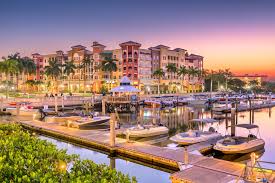
Commercial construction in Naples, Florida is shaped by luxury development standards, coastal engineering requirements, strict permitting oversight, and redevelopment pressures across high-value corridors such as Fifth Avenue South, Third Street South, Tamiami Trail, and the North Naples commercial districts. General contractors must navigate rigorous architectural expectations, FEMA flood-zone regulations, storm-surge mitigation, and stringent local review processes that prioritize design quality, environmental protection, and long-term community compatibility.
Overview of Naples’ Commercial Construction Environment
Naples is one of Florida’s most affluent and design-conscious markets, with strong demand for premium commercial spaces including hospitality, medical office buildings, boutique retail, mixed-use developments, waterfront restaurants, and institutional expansions. The city is known for its rigorous review standards, carefully controlled development patterns, and focus on architectural unity—particularly in the historic districts and coastal zones.
With redevelopment increasing in core commercial areas and newer development expanding east of US-41, contractors must balance high design expectations, constrained jobsite conditions, and complex environmental regulations tied to wetlands, mangrove areas, and stormwater systems.
Zoning & Land Development Regulations
Naples operates under a detailed Land Development Code that emphasizes architectural quality, compatibility with surrounding development, coastal protection, and traffic management. Several key zoning overlays and districts include stricter architectural guidelines and enhanced review standards.
Key zoning considerations in Naples
- Fifth Avenue South & Third Street South Districts: Require high-end architectural finishes, Mediterranean-influenced design, strict signage standards, and premium façade treatments.
- US-41 / Tamiami Trail Corridor: Redevelopment areas require landscape buffers, enhanced frontages, and traffic mitigation planning.
- Coastal Districts: Building height, massing, and visual impact requirements apply, including view-preservation rules near beaches.
- Medical & Commercial Office Zones: Higher parking ratios, accessibility routing, and MEP capacity requirements influence design and build-out scope.
- Environmental & Wetland Buffers: Certain parcels require ecological assessments before site work or expansion is approved.
Permitting & Multi-Agency Coordination
Naples’ permitting process is more rigorous than many Florida jurisdictions due to environmental sensitivity, coastal proximity, and high design standards. Commercial developments often require coordination among city departments, Collier County agencies, and state environmental regulators.
Common permitting challenges in Naples
- Architectural & Design Review Board (DRB): Nearly all commercial projects undergo detailed aesthetic review and may require multiple submission rounds.
- Flood-zone & FEMA compliance: Elevation, floodproofing, and storm-surge mitigation measures are common requirements in coastal areas.
- Environmental permitting: Coastal, mangrove, or wetland-adjacent sites may require Florida DEP or Army Corps review.
- Traffic impact studies: Required for projects along Tamiami Trail or high-activity corridors.
- County fire review: Collier County Fire Control District enforces strict life-safety and accessibility requirements.
Coastal & Environmental Construction Requirements
As a coastal city, Naples enforces elevated hurricane, flood, and environmental construction standards. Even inland commercial sites may be impacted by stormwater, wind-load, or environmental protection requirements.
Coastal construction considerations
- HVHZ wind-load and uplift engineering for all exterior systems
- Flood-resistant construction, including elevation and dry-floodproofing
- Corrosion-resistant exterior metals, fasteners, and rooftop mechanical equipment
- Enhanced stormwater retention and drainage capacity
- Environmental protection rules for mangroves and coastal vegetation
Restaurants, marinas, and waterfront commercial properties often require specialized engineering and additional coordination with state regulatory agencies.
Construction Logistics & Site Constraints
Commercial construction in Naples involves strict logistical controls due to its luxury districts, narrow commercial corridors, and high pedestrian and tourism activity. Contractors must carefully manage jobsite safety, staging, and traffic impacts.
Logistical factors affecting contractors
- Limited staging in historic districts: Fifth Avenue and Third Street sites often require off-site storage and timed deliveries.
- High tourist and pedestrian activity: Construction impacts must be minimized during seasonal peaks.
- Restrictive noise and work-hour ordinances: Particularly near residential and mixed-use areas.
- Older commercial buildings: Many structures require MEP upgrades and structural reinforcement before renovation.
- Roadway access: Tamiami Trail traffic creates challenges for deliveries, crane use, and lane closures.
Restaurants, Hospitality & Food-Service Construction
Naples’ restaurant and hospitality market is booming, especially in Downtown Naples, North Naples, and along waterfront corridors. These projects demand meticulous attention to mechanical, plumbing, fire protection, and ADA compliance.
Restaurant construction requirements
- Grease interceptor sizing under Collier County utility standards
- Commercial kitchen ventilation and Type I hood systems
- Specialized HVAC loads in high-capacity kitchens
- Fire suppression systems reviewed by Collier County Fire
- Outdoor dining approvals in premium commercial districts
Older buildings often require substantial electrical, structural, and plumbing upgrades before food-service operations can be permitted.
Commercial Development Trends in Naples
Current commercial development in Naples is shaped by modernization, luxury-focused design, and demand for adaptable commercial spaces. Key trends include:
- High-end hospitality and boutique restaurant development in key districts
- Adaptive reuse of older retail centers into modern lifestyle-oriented destinations
- Medical office expansion driven by population growth and specialty healthcare demand
- Energy-efficient building upgrades including VRF HVAC, insulated roofing, and efficient lighting systems
- Premium architectural finishes prioritized across luxury and mixed-use developments

Commercial General Contractor Mount Holly New Jersey
Mount Holly, New Jersey Commercial General Contractor
Mount Holly is one of Burlington County’s most historically significant and municipally active commercial hubs—a walkable county-seat community defined by its 18th- and 19th-century building stock, courthouse and civic center activity, floodplain considerations along the Rancocas Creek, and proximity to major highways and regional employment centers. The town’s combination of dense historic districts, government-driven development, small-business corridors, and environmentally sensitive landscapes creates a unique market for commercial construction.
Located near Route 38, the Route 206 corridor, and the New Jersey Turnpike, Mount Holly benefits from steady commercial demand tied to county government operations, professional services, justice complexes, retail services, and redevelopment along High Street and the Mill Dam areas. Its location on the edge of the New Jersey Pinelands also influences planning, stormwater rules, and environmental permitting.
For commercial general contractors, Mount Holly presents a mix of opportunities and challenges: historic rehabilitation requirements, flood-hazard regulations, limited downtown staging space, strict architectural guidelines, and careful interplay between municipal, county, and state regulatory review.
Major Commercial Districts & Development Zones in Mount Holly
Mount Holly’s commercial activity is centered within several districts, each with its own zoning requirements and construction constraints:
- Historic High Street District – the walkable downtown core featuring restaurants, boutiques, professional offices, galleries, and government-adjacent commercial buildings. Construction here requires compliance with historic-preservation guidance and sensitive façade treatment.
- Washington Street / County Government Complex – home to the Burlington County courthouse system, county administrative offices, and legal-sector professional buildings. Projects in this area support institutional and office-related construction.
- Rancocas Creek Waterfront Zone – redevelopment sites and commercial buildings located within or adjacent to regulated floodplains, requiring compliance with NJDEP flood regulations, elevation strategies, and stormwater management.
- Route 38 Commercial Corridor – a major suburban commercial artery featuring retail centers, restaurants, auto uses, hotels, fitness centers, and pad-site development.
- Industrial & Flex-Space Areas – located in and around the Mount Holly–Lumberton border, including logistics, light manufacturing, and contractor-service warehouses.
- Mill Dam Redevelopment Area – a designated redevelopment zone with mixed-use potential influenced by downtown revitalization plans.
Each district requires contractors to navigate different combinations of zoning overlays, environmental constraints, and historic-district design standards.
Zoning, Permitting & Regulatory Oversight
Mount Holly’s regulatory environment is shaped by a combination of municipal authorities, Burlington County agencies, and state environmental oversight. Construction projects typically involve coordination with:
- Mount Holly Planning Board – for site-plan approval, architectural review, signage, circulation, and stormwater design.
- Zoning Board of Adjustment – for variances involving height, use, setbacks, and nonconforming structures, common in historic areas.
- Burlington County Planning Board – required for development affecting county roads or regional drainage systems.
- Historic Preservation Review – essential for downtown and historic overlay districts, where façade design, materials, and massing must meet preservation standards.
- NJDEP Permitting – required for flood-hazard areas, wetlands, stormwater compliance, and environmental remediation.
- Pinelands Commission (when applicable) – certain tracts near jurisdictional boundaries require Pinelands review.
- Local redevelopment plans – the Mill Dam area and certain mixed-use zones operate under project-specific redevelopment guidelines.
Because much of the downtown is built pre-1900, renovations frequently trigger structural stabilization, ADA upgrades, fire-suppression improvements, and complete mechanical/electrical replacements.
Infrastructure, Engineering & Environmental Considerations
Commercial builders in Mount Holly must navigate several recurring engineering challenges:
- Flood hazard compliance – many properties near the Rancocas Creek require hydrological modeling, floodproofing, elevation strategies, and durable mechanical placement.
- Historic-building rehabilitation – requiring structural reinforcement, façade preservation, material matching, hazardous-material abatement, and sympathetic design.
- Limited downtown staging areas – requiring detailed parking, delivery, and pedestrian-control plans.
- Aging infrastructure – including water/sewer systems that may require upgrades or extensions to support new commercial tenants.
- Stormwater management – green-infrastructure standards apply to most redevelopment projects, especially those near waterways.
- Complex MEP requirements – restaurants, healthcare offices, and professional suites often require enhanced ventilation, electrical loads, or plumbing redesign.
- Environmental review – older industrial properties or sites near the creek may require soil remediation, vapor mitigation, or groundwater management.
Construction near environmentally sensitive areas may require geotechnical assessments and compliance with both NJDEP and Pinelands guidelines.
Commercial Sectors Driving Growth in Mount Holly
Mount Holly’s economy creates demand across several commercial construction categories:
- Professional & legal offices – serving county government operations and courthouse traffic.
- Restaurants & boutique retail – especially downtown, where ongoing revitalization continues to strengthen demand.
- Mixed-use development – combining commercial podiums with residential units in redevelopment areas.
- Healthcare & wellness facilities – specialty practices, dental offices, clinics, and therapy centers.
- Hospitality – hotels and extended-stay accommodations serving regional business and courthouse visitors.
- Industrial & logistics construction – flex-space and warehouse expansion in township-adjacent commercial zones.
- Government and civic projects – driven by county-level facility needs and periodic modernization programs.
Mount Holly’s combination of walkable heritage blocks and growing suburban corridors ensures a steady demand for renovated, modernized, and newly built commercial space.
Plescia Construction & Development in Mount Holly
Plescia Construction & Development provides the specialized expertise necessary for Mount Holly’s mix of historic rehabilitation, flood-zone engineering, and county-seat commercial development. Our services include:
- General Contracting for restaurants, retail, medical offices, mixed-use buildings, hospitality, and commercial interiors;
- Construction Management covering scheduling, subcontractor oversight, quality control, safety compliance, and agency coordination;
- Commercial Development assisting with feasibility studies, entitlement strategy, budgeting, and redevelopment-area planning;
- Design Management integrating architects, engineers, historic consultants, environmental specialists, and municipal/county agencies.
From rehabilitating downtown historic buildings to constructing new commercial pad sites along regional roadways, Plescia Construction & Development provides the capabilities and local insight needed to succeed in Mount Holly’s diverse commercial environment.
Commercial General Contractor Mineola
Mineola, New York Commercial General Contractor
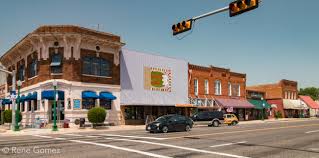
Mineola is one of Nassau County’s most important governmental and commercial centers, anchored by county agencies, the Nassau County Courts, NYU Langone Hospital—Long Island, and a rapidly modernizing downtown driven by transit-accessible development. With a major Long Island Rail Road (LIRR) hub, active mixed-use construction, and a maturing office and medical market, Mineola offers a distinctive environment for commercial general contractors navigating dense suburban redevelopment.
Recent zoning reforms, transit-oriented development incentives, and ongoing revitalization along Mineola Boulevard, Jericho Turnpike, and the Downtown Mixed-Use District have accelerated construction activity. Contractors in Mineola must manage constrained infill sites, significant pedestrian and vehicular traffic, strict architectural-review requirements, and complex utility coordination typical of high-demand Long Island commercial corridors.
Local Development Patterns and Key Commercial Drivers
Mineola’s commercial growth is fueled by several overlapping sectors:
- Medical and outpatient expansion surrounding NYU Langone and nearby specialty practices;
- Government and legal services tied to the Nassau courts and county offices;
- Transit-oriented mixed-use development driven by proximity to the LIRR Main Line and Third Track Project improvements;
- Restaurant and retail modernization along Mineola Boulevard and Jericho Turnpike;
- Office conversions and upgrades as older structures adapt to new tenant expectations.
Downtown Mineola’s TOD district has encouraged higher-density residential projects with ground-floor retail, structured parking, and public-realm enhancements, increasing demand for professional construction management and phased logistical planning.
Zoning, Permitting, and Architectural Review
Mineola’s zoning framework emphasizes compact, mixed-use development near the station area while maintaining suburban commercial forms along key arterials. The Mineola Master Plan and TOD overlays encourage pedestrian-oriented streetscapes, façade consistency, and high-quality architectural detailing.
Commercial projects often engage with:
- Village Board of Trustees for zoning changes or special permits;
- Building Department for plan review and code compliance;
- Board of Zoning Appeals for height, parking, or setback variances;
- Architectural Review Board for façade and streetscape approvals;
- SEQR environmental review for developments with traffic or drainage impacts.
Projects near the LIRR corridor may require coordination with the MTA regarding vibration control, construction timing, or proximity to rail-right-of-way boundaries.
Infrastructure and Construction Logistics
Mineola’s infrastructure reflects a mix of older utility systems and upgraded transit-oriented improvements. Construction teams frequently address:
- Limited staging space near downtown mixed-use sites;
- Traffic routing and pedestrian safety controls near the LIRR station and courthouse district;
- Coordination with PSEG Long Island for electrical upgrades;
- Drainage and stormwater retrofits in older commercial zones;
- Night or off-peak construction windows along high-traffic arterials.
Adaptive reuse of older brick and block buildings often requires structural reinforcement, upgraded elevator systems, ADA compliance improvements, and full MEP modernization—especially for medical or lab-oriented tenants.
Plescia Construction & Development in Mineola
Plescia Construction & Development brings a regionally informed, municipality-specific approach to Mineola’s evolving commercial landscape. The firm provides:
- Medical and healthcare construction including imaging suites, outpatient centers, and MEP-intensive buildouts;
- Office renovation and modernization for legal, financial, and professional spaces;
- Retail and restaurant conversions along major Mineola corridors;
- Mixed-use and multifamily ground-up support for projects in the downtown TOD district;
- Façade and envelope upgrades for aging suburban commercial buildings;
- Site improvements including drainage upgrades, parking-lot reconstruction, and utility coordination.
Plescia Construction & Development delivers integrated general contracting, construction management, and design-management services shaped by the zoning, infrastructure, and logistical realities of Mineola’s rapidly evolving commercial environment.

Commercial General Contractor Goshen NY
Goshen, New York Commercial General Contractor
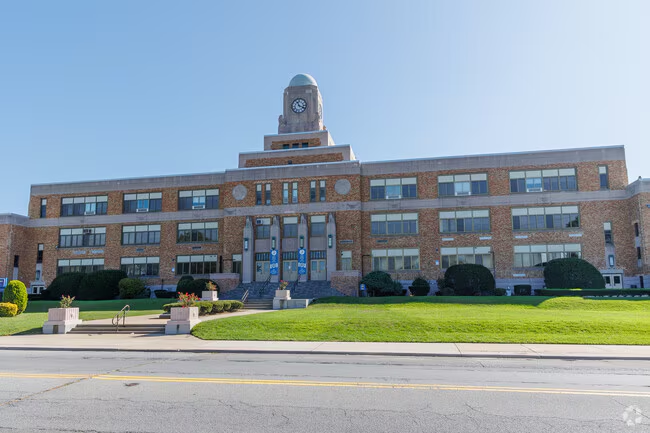
Goshen is one of Orange County’s most strategically important commercial centers, combining a historic village core, active government presence, and major regional attractions—including LEGOLAND New York—with ongoing development pressure along Route 17 and Route 17M. As both the county seat and a gateway to one of the fastest-growing corridors in the Hudson Valley, Goshen presents a unique mix of traditional village-scale redevelopment, suburban commercial growth, and large-scale tourism-driven construction.
Commercial contractors working in Goshen must navigate a layered regulatory environment, tight historic-district constraints, varied soil and drainage conditions, and complex traffic impacts associated with Route 17 (future I-86) improvements and major visitor destinations. Whether a project involves renovating a 19th-century brick structure, constructing a hospitality facility, or upgrading retail along 17M, success requires a nuanced understanding of local priorities, long-range planning initiatives, and infrastructure limitations.
Local Development Patterns and Key Commercial Zones
Goshen’s commercial landscape is defined by three interconnected submarkets:
- Historic Village Core — Characterized by preserved architecture, municipal buildings, boutique retail, and pedestrian-oriented streetscapes. Renovation projects here must respect historic integrity, architectural detailing, and village-scale zoning.
- Route 17M Corridor — Hosts suburban commercial centers, auto-oriented retail, restaurants, medical offices, and redevelopment of legacy commercial properties.
- Resort & Tourism Development Area — The region surrounding LEGOLAND New York, generating demand for hotels, service businesses, distribution, and hospitality-oriented construction.
The arrival of LEGOLAND has significantly increased regional traffic, workforce demand, and commercial activity, particularly in hospitality and food-and-beverage sectors. This has also accelerated infrastructure upgrades and stormwater-management improvements in surrounding areas.
Zoning, Historic Review, and Planning Board Requirements
Commercial projects in Goshen interact with either the Village of Goshen or the Town of Goshen, depending on location, each with its own zoning code and review processes. The Village, in particular, maintains strict architectural guidelines, especially within the Historic District. Contractors must coordinate with:
- Village Planning Board for site plan and façade changes;
- Architectural Review Board for exterior modifications;
- Town Planning Board for large commercial, retail, and hospitality developments;
- SEQR review for projects with traffic, stormwater, or environmental impacts;
- County planning input for developments along major corridors.
Goshen’s building stock—much of it predating modern codes—often requires structural reinforcement, fire-safety upgrades, ADA compliance improvements, and complete MEP modernization.
Infrastructure Constraints and Site-Work Realities
Construction in Goshen must frequently address:
- Drainage and stormwater challenges due to varied topography and clay soils;
- Traffic and access management tied to Route 17 and 17M volumes;
- Right-of-way coordination with NYSDOT for corridor developments;
- Utility capacity planning for hospitality and mixed-use projects;
- Winter construction conditions affecting concrete work and scheduling.
Commercial centers built in the 1970s and 1980s along 17M often require full exterior modernization, parking-lot reconstruction, and energy-efficient HVAC replacements. Hospitality projects near LEGOLAND may also require, at early planning stages, traffic mitigation measures such as turning-lane improvements or signal modifications.
Plescia Construction & Development in Goshen
Plescia Construction & Development brings deep Hudson Valley construction experience to Goshen’s evolving commercial environment. The firm provides:
- Historic building renovations with attention to village-scale design and preservation standards;
- Retail and restaurant construction along the 17M commercial corridors;
- Hospitality and tourism-driven projects supporting LEGOLAND-adjacent growth;
- Medical-office and professional-services buildouts aligned with county demand;
- Site-work planning and drainage strategies addressing Goshen’s topography;
- Commercial façade modernization for aging suburban centers;
- Ground-up construction for hotels, retail pads, and mixed-use structures.
With a municipality-specific approach grounded in zoning fluency, local coordination, and adaptive construction techniques, Plescia Construction & Development supports Goshen’s continued growth across its historic, suburban, and tourism-driven commercial sectors.


Commercial General Contractor White Plains
White Plains, New York Commercial General Contractor
White Plains is the economic and governmental center of Westchester County, with one of the most active development pipelines in the New York metro area outside of New York City. Its dense downtown core, high-rise zoning allowances, robust office market, growing residential towers, and extensive retail corridors create a sophisticated and highly regulated environment for commercial construction. For general contractors, White Plains demands an ability to navigate large-scale urban redevelopment, complex permitting, sustainability requirements, and multi-phase construction logistics.
White Plains Development Landscape
The city’s recent transformation is driven by mixed-use high-rise projects, office-to-residential conversions, revitalized retail districts, and major institutional expansions. Much of this activity is concentrated around the Transit District, Mamaroneck Avenue, Westchester Avenue, and the Court Street corridor, where developers are leveraging TOD (transit-oriented development) policies and long-range planning goals.
Commercial demand is fueled by:
- A strong daytime office population centered around legal, finance, and medical sectors;
- Courthouse activity drawing law firms and professional service tenants;
- Mixed-use demand with ground-floor commercial anchored by growing residential density;
- Institutional investment from healthcare and higher education providers;
- Retail repositioning as older centers adapt to experiential and service-oriented tenants.
Zoning, Permitting, and Environmental Oversight
White Plains operates one of the most sophisticated zoning and review systems in the region. Height allowances in portions of Downtown Zoning Districts permit towers exceeding 20–30 stories, but require detailed architectural review, traffic mitigation, and sustainability measures. The city’s Comprehensive Plan and Transit District Study set expectations for streetscape design, multimodal circulation, and pedestrian-first development.
Key regulatory considerations include:
- Form-based design criteria for downtown and mixed-use zones;
- Green-building and energy-efficiency requirements aligned with state climate goals;
- SWPPP and SPDES compliance for large-scale redevelopment sites;
- Traffic and parking studies mandated for high-density projects;
- Historic-resource review where redevelopment affects older structures.
Office-to-residential conversions—one of the city’s most active project types—require careful evaluation of mechanical capacities, egress pathways, structural adaptability, and utility upgrades, especially in towers built between 1960 and 1985.
Construction Logistics and Downtown Constraints
White Plains’ dense grid demands advanced planning for staging, crane operations, street closures, and pedestrian routing. Many parcels abut active retail, residential towers, or parking structures, requiring detailed sequencing and coordination with city engineering, public safety, and neighboring property owners.
Common logistical challenges include:
- Limited laydown areas requiring just-in-time delivery;
- Night and off-peak construction windows near major intersections and transit corridors;
- Utility coordination with Con Edison for electrical, gas, and steam loads;
- Crane and hoist permitting for mid- and high-rise construction;
- Noise and vibration mitigation for sensitive neighbors including hotels, medical facilities, and schools.
Projects near the Transit District often require additional coordination with the MTA/Metro-North for rail-adjacent safety planning and structural review.
Plescia Construction & Development in White Plains
Plescia Construction & Development supports White Plains’ evolving commercial landscape with services tailored to complex urban redevelopment. The firm provides:
- High-rise and mid-rise construction management for mixed-use, office, and residential conversions;
- Retail and restaurant buildouts in high-traffic corridors including Mamaroneck Avenue and Westchester Avenue;
- Office modernization including amenity upgrades, lobby renovations, and corporate fit-outs;
- Medical and institutional construction aligned with regional healthcare expansion;
- Façade, envelope, and structural upgrades for aging commercial buildings;
- Site planning and utility coordination for constrained downtown parcels.
With a track record across Westchester and the New York metro, Plescia Construction & Development delivers strategic, feasibility-driven construction solutions designed for the complexity of White Plains’ market.

Commercial General Contractor Ulster County
Ulster County, New York Commercial General Contractor
Ulster County is one of the most diverse and rapidly evolving commercial construction environments in the Hudson Valley. With a mix of historic urban centers, college-driven economic activity, rural hamlets, legacy industrial corridors, and growing tourism and hospitality markets, the county presents a unique blend of development opportunities and regulatory complexity. Commercial projects must balance design sensitivity, environmental protection, and community expectations—particularly in municipalities that prioritize historic preservation, ecological stewardship, and careful growth management.
The county’s commercial hubs—Kingston, New Paltz, Saugerties, Highland, Woodstock, Marlboro, and Ellenville—each operate with distinct development patterns, architectural requirements, and zoning frameworks. Kingston’s historic Stockade and Rondout districts require context-sensitive design and coordination with preservation guidelines; New Paltz’s growth is shaped by SUNY-related demand and Main Street walkability goals; and the Route 9W corridor from Highland through Marlboro supports retail, logistics, and light industrial facilities aligned with regional distribution networks.
Commercial developers and tenants are increasingly investing in adaptive reuse, hospitality construction, mixed-use redevelopment, food-and-beverage production facilities, and light industrial spaces supporting craft manufacturing and distribution. These project types require careful navigation of local code requirements, planning-board processes, environmental reviews, and complex site-engineering needs shaped by the county’s varied topography and hydrology.
This long-form overview provides a deep, white-paper-level analysis of the forces shaping commercial development in Ulster County—including economic drivers, zoning patterns, SEQR obligations, environmental constraints, infrastructure considerations, and geotechnical realities—along with Plescia Construction & Development’s approach to delivering high-performance commercial projects in the Hudson Valley.
Economic Drivers, Submarkets, and Major Commercial Corridors
Ulster County’s commercial landscape is shaped by a mix of institutional anchors, tourism-driven economies, historic revitalization efforts, and strategic transportation corridors. While less densely developed than counties to the south, Ulster is experiencing steady commercial growth tied to population migration from New York City, the expansion of remote work, and increasing demand for hospitality, light industrial capacity, and village-centered retail environments. Understanding the dynamics of each submarket is essential for feasible site selection, project phasing, and cost modeling.
Kingston: The County’s Commercial and Institutional Core
Kingston—the first capital of New York State and Ulster’s largest urban center—contains the county’s most diverse commercial submarkets, each with unique development considerations:
- Uptown Stockade District: A historic district with strict design guidelines, dense walkability, and limited parking supply. Projects here often involve adaptive reuse, façade restoration, structural reinforcement, and sensitive streetscape integration, particularly under local preservation oversight.
- Midtown Industrial and Creative Corridor: A blend of legacy manufacturing buildings, maker spaces, arts organizations, and new production facilities. Many projects require structural retrofits, environmental remediation, and modernization of aging utilities.
- Downtown Rondout Waterfront: A revitalized hospitality and retail district where floodplain constraints, shoreline stabilization, and parking demand strongly influence project feasibility.
Kingston’s ongoing comprehensive planning efforts—documented through resources such as the city’s long-range comprehensive plan and waterfront strategies—continue to emphasize mixed-use density, multimodal transportation, and adaptive reuse of historic assets.
New Paltz and the SUNY-Driven Development Pattern
New Paltz’s commercial growth is heavily influenced by SUNY New Paltz, one of the region’s largest educational institutions. Demand for restaurants, student-oriented retail, apartments, coworking spaces, and small-format medical facilities has driven ongoing investment along Main Street, South Putt Corners Road, and North Chestnut Street.
Key development factors include:
- Walkability and streetscape design mandated by the village and town zoning codes;
- Traffic-management requirements near campus and major intersections;
- Architectural integration with village-scale design frameworks;
- Commercial reuse of older buildings requiring structural, MEP, and egress upgrades.
Developers and contractors must navigate coordinated review between the Village Planning Board and Town of New Paltz, depending on project location.
Saugerties: Retail, Tourism, and Industrial Flex Development
Saugerties features a suburban-style commercial corridor along Route 212 and a dense, character-rich village center that attracts tourism, dining, and small hospitality projects. The Kings Highway industrial area offers opportunities for logistics, distribution, warehousing, and light manufacturing, benefiting from proximity to I-87 access points.
Development drivers include:
- Growth in small-scale hospitality, boutique accommodations, and food-and-beverage facilities;
- Reinvestment in village storefronts and mixed-use buildings;
- Expansion of industrial buildings supporting regional logistics;
- Demand for flexible manufacturing space in converted legacy buildings.
Highland & Marlboro: Route 9W Logistics and Retail Corridor
The Route 9W corridor provides one of Ulster County’s most active commercial environments. With direct access to Newburgh, Dutchess County, and the Mid-Hudson Bridge, the corridor supports a blend of big-box retail, service-based businesses, restaurants, and logistics facilities.
Development considerations along 9W often include:
- Traffic engineering and access management to meet NYSDOT requirements;
- Stormwater retrofits for older retail plazas with large impervious areas;
- Upgrades to aging façades, parking fields, and pedestrian environments;
- Opportunities for pad-site development in underutilized parking areas;
- Integration of mixed-use elements in transition zones near residential neighborhoods.
Woodstock, Phoenicia, and Mountain/Hamlet Communities
Ulster’s western towns—Woodstock, Phoenicia, Shokan, and Olive—feature small-scale commercial districts, boutique inns, arts venues, and destination restaurants. Projects must address sensitive aesthetic requirements, limited road/utility capacity, and environmental constraints associated with Catskill Park and watershed protection rules.
Commercial projects in these hamlets typically involve:
- Adaptive reuse of older structures;
- Hospitality upgrades, restaurant retrofits, and expansion of service facilities;
- Village-scale infill projects with strict façade and material guidelines;
- Coordination with county-level planning and watershed regulations.
Together, these submarkets create a highly diverse development environment requiring tailored construction strategies and a deep understanding of local regulatory processes.
Environmental, Zoning, SEQR, and Infrastructure Constraints
Ulster County contains some of the most environmentally sensitive landscapes in New York State. From the Ashokan Reservoir watershed to the flood-prone commercial districts along the Esopus Creek, Rondout Creek, and Wallkill River, commercial development requires rigorous environmental due diligence and multi-agency coordination. Unlike downstate suburban counties, Ulster’s environmental constraints often determine a project’s fundamental feasibility long before architectural design begins.
Most substantial commercial projects must navigate the State Environmental Quality Review Act (SEQR), administered through both municipal and county planning bodies. SEQR reviews in Ulster tend to be comprehensive, reflecting community priorities around watershed protection, scenic resources, traffic impacts, and ecological preservation. Municipalities frequently require supplemental analysis or design modifications to reduce impacts on streams, wetlands, steep slopes, and adjacent residential areas.
Floodplain and Hydrological Constraints
Major portions of Kingston, Saugerties, New Paltz, Highland, and Ellenville include FEMA-designated flood zones. These constraints affect feasibility for hospitality, retail, industrial, and mixed-use projects. Development near inland water bodies requires attention to:
- Base flood elevation (BFE) requirements for new structures and substantial improvements;
- Dry- and wet-floodproofing strategies for commercial spaces where elevation is not practical;
- Design integration with natural drainage patterns along the Esopus, Rondout, and Wallkill corridors;
- NYSDEC permitting for disturbances within designated riparian buffers and mapped wetlands;
- Stormwater retrofits aligned with New York State SPDES requirements.
In older downtowns—including Kingston’s Rondout district—stormwater infrastructure predates modern capacity requirements, necessitating underground detention, green infrastructure, and phased tie-ins.
Catskill Park, Watershed Protection, and Scenic Resource Regulations
Ulster County’s western municipalities border the Catskill Forest Preserve and fall within watershed protection zones managed by the NYC Department of Environmental Protection (DEP). Even projects far from the Ashokan Reservoir may face:
- DEP review for stormwater, wastewater, and impervious-surface calculations;
- Limits on disturbance to steep slopes and forested acreage;
- Viewshed protection standards for developments visible from scenic byways or elevated terrain;
- Special design requirements for commercial uses generating significant wastewater or water demand.
These requirements heavily influence site planning for hotels, restaurants, event venues, production kitchens, and multifacility commercial developments.
Zoning Complexity Across Towns, Villages, and Hamlets
While Ulster County’s overall density is low compared to downstate markets, its zoning landscape is highly fragmented. Nearly every town and village maintains unique standards for height, signage, parking, uses, and design, requiring detailed analysis early in the development process. Additionally, many communities enforce:
- Architectural review boards (ARBs) in areas such as Kingston’s Stockade District and parts of Saugerties and Woodstock;
- Form-based codes or hybrid zoning models emphasizing walkability and village character;
- Special overlay districts regulating floodplains, drinking-water recharge areas, and scenic corridors;
- Strict limits on drive-thru uses in walkable zones near New Paltz and Woodstock;
- Cluster requirements for commercial development near mixed-use or residential edges.
Contractors must also coordinate with the Ulster County Planning Board, which provides mandatory review for projects of regional significance—especially those affecting traffic, watershed resources, or county roads.
Infrastructure Capacity and Utility Variation
One of Ulster County’s defining commercial challenges is inconsistent infrastructure capacity. While Kingston, New Paltz, and Saugerties have municipal water and sewer, many of the county’s commercial zones rely on:
- Private wells and septic systems with limited capacity for high-occupancy or food-service uses;
- Small-scale wastewater treatment facilities requiring upgrades for mixed-use or hospitality projects;
- Electric-grid constraints in rural areas where upgrades may require coordination with Central Hudson;
- Limited gas availability outside village centers, affecting restaurant and industrial design;
- Variable roadway capacity on county and state highways, requiring NYSDOT access permits and traffic studies.
Infrastructure readiness often dictates which sites are feasible for hotels, medical facilities, restaurants, distilleries, and production-oriented commercial tenants. Early contractor involvement is essential for anticipating costs associated with utility upgrades, roadway improvements, and stormwater retrofits.
Geotechnical Conditions and Site Engineering Challenges
Ulster County’s geology varies dramatically across short distances, creating significant implications for commercial foundation design, site preparation, and stormwater engineering. The county’s terrain includes bedrock uplands, glacial till, alluvial floodplains, and areas of highly variable soil depth—conditions that frequently demand advanced geotechnical analysis before a commercial project can proceed.
In many commercial corridors, particularly near New Paltz, Highland, Kingston’s Rondout district, and Saugerties’ Esopus-adjacent zones, contractors encounter:
- Shallow bedrock that restricts excavation depth, increases blasting costs, or requires redesigns of utility routing and stormwater detention systems;
- Deep, silty alluvium in floodplain areas where foundation design must address settlement risk and fluctuating groundwater levels;
- High groundwater conditions near the Wallkill, Rondout, and Esopus Creek corridors, requiring sump systems, underdrains, and foundation waterproofing;
- Glacial till soils with inconsistent bearing capacity, increasing the need for over-excavation, soil stabilization, or engineered fill;
- Limited infiltration capacity in areas adjacent to watershed-protected zones where stormwater design must balance infiltration targets with practical soil limitations.
For commercial renovations—especially adaptive reuse of legacy industrial buildings—latent conditions such as undocumented fill, poor subgrade compaction, or buried debris are common. These factors can significantly alter project budgets and schedules unless identified early through borings, test pits, and engineering review.
Community Review, Public Engagement, and Architectural Standards
Public participation is central to commercial development in Ulster County. Many municipalities prioritize design quality, environmental stewardship, and compatibility with village-scale development. As a result, public hearings for commercial projects often draw significant feedback regarding traffic, architectural character, noise, viewsheds, and ecological impacts.
Communities such as Kingston, New Paltz, Woodstock, and Saugerties frequently require adherence to:
- Architectural Review Board (ARB) standards governing façade design, material selection, signage, lighting, and streetscape elements;
- Historic district requirements—especially in Kingston’s Stockade District—requiring historically sympathetic proportions, fenestration, and materials;
- Dark-sky lighting policies applicable in hamlet-scale districts and rural areas;
- Noise and operational impact limits for hospitality, restaurants, breweries, and live-event venues;
- Pedestrian-oriented design mandates in village centers such as New Paltz, Woodstock, and parts of Saugerties.
Contractors operating in Ulster County must be prepared for iterative design review processes, community input sessions, and close collaboration with municipal planners. Successful commercial projects in the region typically include context-sensitive architecture, robust landscape buffers, and circulation plans that mitigate traffic concerns.
Plescia Construction & Development’s Approach in Ulster County
Plescia Construction & Development applies a highly localized project-delivery model adapted to the regulatory, environmental, and logistical conditions unique to Ulster County. The firm’s work across the Hudson Valley emphasizes feasibility-driven planning, early engineering involvement, and phased construction strategies that address both community expectations and physical site constraints.
Urban and Historic-Core Redevelopment (Kingston)
- Adaptive reuse and structural modernization of historic buildings in Uptown and Rondout;
- MEP upgrades, fire-suppression retrofits, and code compliance for legacy commercial properties;
- Streetscape integration and façade restoration aligned with preservation guidelines;
- Construction logistics planning for tight, pedestrian-oriented downtown environments.
Institutional, Hospitality, and Mixed-Use Development (New Paltz)
- Restaurant, retail, and hotel construction supporting SUNY-related demand;
- Adaptive reuse of older storefronts along Main Street and North Chestnut;
- Phased construction to minimize disruption in high-traffic corridors;
- Walkability-focused design and coordination with Village/Town planning boards.
Tourism, Arts, and Boutique Hospitality (Woodstock, Phoenicia, Accord)
- Ground-up and renovated hospitality projects, boutique hotels, event spaces, and destination dining;
- Site planning sensitive to scenic viewsheds, natural features, and rural village form;
- Energy-efficient design, green building integration, and environmentally sensitive construction methods;
- Infrastructure expansion for water, wastewater, and stormwater systems serving high-occupancy uses.
Industrial, Flex, and Logistics Projects (Saugerties, Highland/Marlboro 9W Corridor)
- Modernization of legacy industrial stock, including structural retrofits and MEP upgrades;
- New warehouse and flex-industrial facilities addressing regional supply-chain demand;
- Site design for truck circulation, loading docks, and logistics efficiencies;
- Stormwater retrofits for large impervious sites transitioning from older retail or industrial uses.
Retail General Contractor Potomac Mills Mall
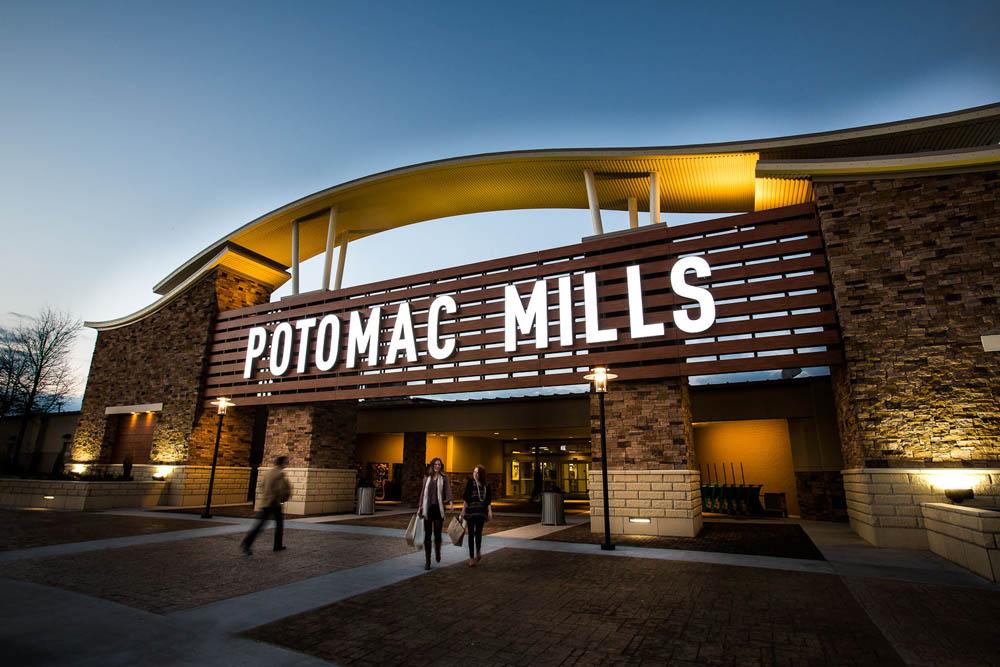
Reliable Commercial Construction at Potomac Mills Mall
Potomac Mills Mall sees heavy daily traffic, requiring precise scheduling and efficient construction. Plescia Construction ensures smooth project execution in all areas.
Local Construction Challenges
Construction in Potomac Mills must address parking logistics, pedestrian safety, and nearby Route 234 congestion. (Prince William County Planning) Projects comply with county building codes and accessibility standards. (Virginia Building Codes) Tight retail corridors require careful staging and scheduling to avoid shopper disruption during peak hours.
Commercial Construction Services at Potomac Mills
Plescia Construction specializes in:
-
Retail store build-outs and renovations
-
Restaurant and food court construction
-
Mixed-use commercial tenant improvements
-
Fast-track interior projects
-
High-end interior renovations
Clear communication, structured scheduling, and coordinated subcontractors ensure efficient project delivery.
Local Supplier and Neighborhood Coordination
We partner with trusted suppliers including Northern Virginia Lumber, Fairfax Steel Supply, and local hardware providers. Proximity to Route 234, I-95, and nearby business parks ensures timely material delivery.
Projects in main mall corridors and peripheral areas require precise traffic and pedestrian coordination to minimize disruption.
Construction Management Expertise
Plescia Construction delivers:
-
On-time, on-budget project completion
-
Coordination with inspectors and permitting agencies
-
Efficient logistics in high-traffic retail environments
-
Risk mitigation for seasonal weather and peak shopping events
Our structured management approach ensures Potomac Mills projects stay on schedule and within budget.
Start Your Potomac Mills Project
For retail, restaurant, or mixed-use construction at Potomac Mills Mall, contact:
Info@Plescia-CD.com
Plescia Construction provides reliable, efficient, and expert commercial construction services throughout Potomac Mills Mall and surrounding Prince William County areas.