


Commercial General Contractor Frisco Texas
Frisco, Texas Commercial General Contractor
Frisco, Texas is one of the fastest-growing and most economically dynamic cities in the Dallas–Fort Worth region. Known for its sports-anchored development model, master-planned districts, strict design standards, and rapid population expansion, Frisco requires commercial general contractors to navigate a highly structured and fast-moving development environment. Construction in Frisco involves extensive coordination with municipal planning authorities, Collin and Denton County engineering departments, and major roadway and utility agencies across North Texas.
Rapid-Growth Development Environment
Frisco has consistently ranked among the fastest-growing cities in the U.S., driving a surge in commercial activity across office, hospitality, retail, mixed-use, healthcare, and sports facilities. This growth introduces challenges such as:
- High competition for subcontractors and labor
- Material delivery delays due to regional construction volume
- Infrastructure capacity concerns linked to utilities and road networks
- Complex traffic and access planning around major corridors
General contractors must account for market-driven scheduling constraints and long lead times for key trades.
Zoning, Development Standards & Urban Design Controls
Frisco uses a well-defined zoning and planning approach that strongly influences commercial development. Key regulatory elements include:
- Planned Development (PD) districts with customized use, height, and design criteria
- Form-based zoning overlays in the Rail District, Downtown Frisco, and mixed-use areas
- Urban Center standards requiring walkability, multimodal access, and open space
- Corridor design overlays along the Dallas North Tollway, SH-121, and Main Street
- Architectural design requirements that regulate materials, fenestration, and massing
These standards aim to maintain consistent visual identity and high-quality development across districts.
Sports-Driven Commercial Development Model
Frisco’s identity as a sports capital directly influences commercial construction. Notable anchors include:
- The Star (Dallas Cowboys world headquarters)
- Riders Field (Frisco RoughRiders)
- Toyota Stadium (FC Dallas)
- Future PGA of America complex
These major facilities drive demand for:
- Hospitality and entertainment districts
- Retail, restaurant, and lifestyle centers
- Corporate office and training facilities
- Mixed-use developments adjacent to sports venues
Construction sequencing must often be coordinated with large event schedules and high-traffic volumes.
Soil Conditions, Foundation Requirements & Sitework
Frisco, like much of North Texas, sits on expansive clay soils requiring careful geotechnical engineering. Commercial builders must plan for:
- Drilled pier foundations to bypass unstable soils
- Post-tensioned slabs engineered for regional shrink–swell cycles
- Soil stabilization using lime or chemical treatment
- Water table considerations in lower-lying Denton County zones
Accurate soil sampling and lab testing are critical during the pre-construction phase.
Drainage, Infrastructure & Stormwater Engineering
Frisco adheres to detailed drainage and stormwater criteria established by both Collin and Denton Counties. Requirements include:
- Detention or retention ponds based on hydrologic modeling
- Stormwater quality treatment for new developments
- Compliance with local drainage manuals
- Emergency overflow routing and flood-mitigation controls
- SWPPP implementation throughout construction
Permitting, Review Processes & Agency Coordination
Frisco’s permitting system is highly structured and technology-forward. Contractors typically coordinate with:
- City of Frisco Development Services for building, zoning, and site plans
- Engineering Services for civil, traffic, and drainage review
- Frisco Fire Department for life-safety requirements
- TxDOT for projects adjacent to SH-121 or US-380
- NCTCOG guidelines for transportation and stormwater best practices
- Utility providers including Oncor and Atmos Energy
Complex developments may require phased permitting and multiple engineering iterations.
Commercial Growth Trends in Frisco
Frisco continues to see heavy investment in:
- Corporate office expansions anchored by major employers
- Mixed-use lifestyle developments integrating retail, residential, and hospitality
- Healthcare and medical campus development
- Industrial and distribution hubs along Dallas North Tollway’s northern extension
- High-end dining and entertainment districts
The city’s strong demographics and corporate momentum continue to attract national developers.
Construction Logistics in High-Demand Corridors
Frisco’s rapid development creates significant logistical considerations. Contractors must plan for:
- Heavy congestion along the Dallas North Tollway, SH-121, and Preston Road
- Staging constraints in dense mixed-use zones
- Delivery limitations during peak traffic hours
- Coordination with major event centers near The Star and Toyota Stadium
- Utility relocation timelines with Oncor and regional providers
Key Resources
Plescia Construction & Development Services
Plescia Construction & Development provides full-service commercial construction expertise across Frisco and the broader DFW Metroplex, including:
- General Contracting
- Construction Management
- Commercial Development
- Design Management

Commercial General Contractor Toms River
Toms River, New Jersey Commercial General Contractor
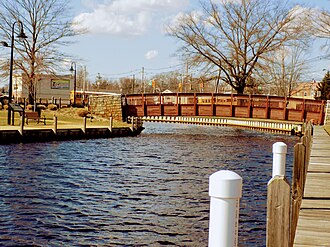
Toms River is one of the largest and most commercially active municipalities in Ocean County, with a diverse landscape of retail centers, medical facilities, hospitality properties, industrial corridors, and rapidly developing coastal-adjacent commercial districts. As the county seat and a major regional service hub, Toms River supports a wide variety of construction activity—ranging from Class A medical expansion and freestanding retail development to municipal facilities, restaurant buildouts, and large-scale commercial redevelopment following coastal resiliency initiatives.
Strategically located near the Garden State Parkway, Routes 37 and 166, and serviced by NJ Transit bus routes, Toms River benefits from strong regional access and a growing year-round population. Construction demand is driven not only by residents but also by seasonal tourism flowing toward Seaside Heights, Ortley Beach, and the barrier island communities.
For commercial general contractors, Toms River presents unique challenges: coastal-zone regulations, flood-hazard compliance, highway access management, medical-facility MEP requirements, stormwater mandates, and redevelopment criteria tied to post-Sandy resiliency planning.
Major Commercial Districts & Growth Zones in Toms River
Toms River’s commercial development spans several distinct districts, each with its own regulatory considerations:
- Downtown Toms River – undergoing revitalization supported by the Downtown Toms River Business Improvement District. Projects include adaptive reuse of older structures, mixed-use commercial spaces, dining/retail buildouts, and façade improvements.
- Route 37 Commercial Corridor – a high-traffic retail and hospitality district serving year-round consumers and seasonal visitors. Construction here requires transportation coordination due to one of the region’s busiest roadways.
- Hospital & Medical Zones – anchored by RWJBarnabas Community Medical Center, creating demand for outpatient care facilities, surgical centers, imaging suites, and medical office buildings with intensive MEP requirements.
- Industrial & Warehouse Areas – including portions of Lakehurst Road and the western corridor, offering opportunities for light industrial development, flex spaces, and commercial services.
- Coastal-Adjacent Zones Near Ortley Beach & Barrier Island Access – requiring flood-zone construction, elevation strategies, and coastal-resiliency methods tied to NJDEP flood hazard rules.
This mix of urban, suburban, and coastal environments demands flexible construction planning based on site conditions and regulatory overlays.
Zoning, Permitting & Regulatory Oversight
Toms River uses a multi-layered regulatory framework involving municipal, county, and state agencies. Contractors must navigate:
- Toms River Planning Board – reviewing site plans, architectural details, traffic circulation, landscaping, and utilities.
- Zoning Board of Adjustment – for variances related to height, use, density, and setbacks.
- Ocean County Planning Board – required for projects impacting county roads or drainage systems.
- NJ Department of Environmental Protection (NJDEP) – especially coastal-zone, flood-hazard, wetlands, stormwater, and soil remediation requirements.
- Post-Sandy Resiliency Standards – tied to FEMA mapping and New Jersey Coastal Land Use Rules.
- Highway Access Permits – required for commercial development along Route 37, Route 9, or Route 166.
- Historic review – for certain downtown structures with preservation guidelines.
The combination of coastal oversight, environmental requirements, traffic engineering, and redevelopment planning makes Toms River one of the more regulated commercial markets in Ocean County.
Infrastructure, Engineering & Environmental Constraints
Commercial construction in Toms River frequently involves significant engineering considerations, including:
- Flood hazard compliance – Downtown districts and coastal-adjacent zones require elevation analysis, hydrostatic design, and resilient mechanical placement.
- Stormwater management compliance – stricter green-infrastructure requirements apply in redevelopment areas and large retail developments.
- High-traffic site logistics – especially along Route 37, requiring precise delivery scheduling and traffic-control planning.
- Soil stabilization – coastal and formerly saturated soils may require geotechnical reinforcement.
- Right-of-way coordination – necessary for projects near county or state highway corridors.
- Aging utilities – some commercial areas near the downtown core may require water/sewer upgrades.
- MEP-intensive healthcare projects – requiring advanced mechanical systems, medical-gas infrastructure, backup power, and strict life-safety compliance.
Any project within the coastal region must also consider wind-load requirements, floodproofing techniques, and compliance with FEMA flood maps.
Commercial Sectors Driving Development in Toms River
Toms River continues to see growth across multiple commercial sectors:
- Healthcare construction – expansions and outpatient centers linked to RWJBarnabas and private practices.
- Retail & hospitality – renovations, pad-site development, restaurants, hotels, and service businesses serving residents and tourists.
- Industrial & warehouse development – demand for flex spaces, contractor warehouses, and light manufacturing.
- Mixed-use redevelopment – especially near the downtown core.
- Coastal-area commercial upgrades – reconstruction and resiliency retrofits for properties serving the shore economy.
- Fitness, wellness, and specialty services – increasing demand for boutique fitness, salons, spas, and medical-wellness facilities.
As Ocean County grows, Toms River remains a commercial anchor for the region’s service, healthcare, and hospitality markets.
Plescia Construction & Development in Toms River
Plescia Construction & Development delivers specialized expertise for Toms River’s mix of highway commercial, coastal-zone development, medical construction, and urban revitalization. Our core services include:
- General Contracting for retail, hospitality, medical, industrial, office, and mixed-use projects;
- Construction Management including scheduling, safety oversight, quality control, subcontractor coordination, and municipal inspections;
- Commercial Development providing feasibility assessments, budgeting, entitlement strategy, and permitting support;
- Design Management integrating architects, civil engineers, MEP consultants, environmental specialists, and county/state agencies.
Whether renovating a downtown storefront, constructing a healthcare facility, delivering a restaurant buildout along Route 37, or managing a coastal-area commercial development, Plescia Construction & Development brings the technical skill and local insight necessary for successful commercial construction in Toms River.
Commercial General Contractor Sussex County
Sussex County, New Jersey Commercial General Contractor
Sussex County is one of New Jersey’s most environmentally sensitive and geographically distinct commercial regions—defined by preserved farmland, mountain terrain, lake communities, ski-resort districts, and tourism-driven seasonal economies. Unlike the more urbanized counties of North and Central New Jersey, Sussex’s commercial construction environment is dominated by rural development constraints, septic-based infrastructure, steep slopes, watershed protections, and strict zoning aimed at preserving scenic character. For commercial general contractors, this means projects must balance growth with conservation, ensuring compliance with local, county, and N.J. Department of Environmental Protection (NJDEP) regulations.
With municipalities including Sparta, Newton, Vernon, Hopatcong, Hardyston, Andover, Byram, and Franklin, the region presents a unique blend of small downtown redevelopment, hospitality construction, agricultural businesses, recreation facilities, and lake-community commercial districts. The county’s proximity to outdoor attractions—including Mountain Creek, High Point State Park, and the Kittatinny Valley—creates a strong demand for commercial services tied to lodging, restaurants, sports facilities, wellness centers, and tourism support.
Sussex County’s Key Commercial Zones
The county’s development patterns are spread across several distinct commercial areas, each with its own construction requirements:
- Sparta Township – a growing suburban-commercial hub with retail, dining, professional offices, and lake-district redevelopment;
- Newton – the county seat, featuring institutional buildings, healthcare expansions, courthouse-area offices, and historic main-street revitalization;
- Vernon Township – anchored by Mountain Creek Resort, this area demands hospitality construction, recreational facilities, and seasonal commercial services;
- Hopatcong & Byram – lake-based communities requiring marina facilities, restaurants, and tourism-oriented commercial upgrades;
- Franklin & Hardyston – former mining and industrial districts transitioning into mixed commercial and light-industrial redevelopment;
- Hamburg & Andover – boutique retail, inns, restaurants, and specialty recreation-driven businesses.
This distribution of commercial nodes—spread across rural terrain—means general contractors must plan for transportation logistics, seasonal access, limited staging areas, and multi-jurisdictional coordination.
Zoning, Planning & Approval Challenges
Sussex County municipalities enact some of New Jersey’s most restrictive land-use codes due to steep slopes, well/septic systems, agricultural preservation areas, and watershed protections. Commercial projects typically require:
- Planning Board site-plan approval addressing grading, slopes, stormwater, lighting, and building design;
- Zoning variances related to building height, signage, use changes, and parking;
- Highlands Act compliance for towns within the New Jersey Highlands Preservation Area;
- NJDEP wetlands and flood-hazard permits for sites near rivers, lakes, or environmentally sensitive corridors;
- County Engineering review for projects near county roads, bridges, or drainage basins;
- Historic Preservation review in Newton, Andover, and portions of Franklin and Lafayette.
The intersection of local zoning with Highlands regulations can extend timelines, especially for commercial development involving grading, tree removal, or new impervious coverage.
Infrastructure & Engineering Constraints
Sussex County’s physical geography creates unique engineering requirements. Contractors frequently encounter:
- Limited sewer availability requiring advanced septic systems or engineered wastewater solutions;
- Steep slopes and rocky soils affecting foundations, drainage, and site access;
- Stringent stormwater regulations under New Jersey’s green-infrastructure standards;
- Flood-zone construction around Lake Hopatcong, the Musconetcong River, and Wallkill River basin;
- Aging downtown utilities in Newton, Franklin, and Hamburg requiring major electrical and plumbing upgrades;
- Limited roadway width in rural areas complicating delivery, staging, and traffic management.
Hospitality and recreation-oriented projects often require snow-load structural engineering, large mechanical systems for spas or indoor recreation, and specialized flooring for sports facilities.
Commercial Sectors Driving Sussex County’s Growth
Despite its rural character, Sussex County supports several expanding commercial sectors:
- Tourism & recreation – hotels, lodges, restaurants, ski-area facilities, outdoor recreation centers;
- Healthcare & medical – expansions driven by Newton Medical Center and suburban outpatient facilities;
- Retail & restaurant – upgrades in Sparta, Newton, and Hardyston;
- Light industrial & warehousing – especially near Routes 15, 23, and 206;
- Agricultural-based businesses – farm markets, wineries, breweries, and agritourism-focused commercial construction;
- Marina & waterfront commercial – particularly around Lake Hopatcong and other lake districts.
Hospitality and recreation projects require specialized construction elements such as commercial kitchens, mechanical ventilation, snow-resistant structural framing, and outdoor-use durability. Agricultural businesses often require climate-controlled environments, wash-down finishes, drainage planning, and specialized MEP configuration.
Plescia Construction & Development in Sussex County
Plescia Construction & Development delivers the technical expertise necessary to succeed in Sussex County’s environmentally sensitive, tourism-driven, and historically influenced commercial markets. Our services include:
- General Contracting — full-scale commercial project execution with strong regulatory compliance;
- Construction Management — scheduling, site logistics, subcontractor oversight, cost control, and QA/QC checks;
- Commercial Development — feasibility studies, entitlement strategy, budgeting, and early-stage planning;
- Design Management — coordination with architects, engineers, planners, and environmental consultants to navigate approvals efficiently.
Whether upgrading a lakeside restaurant in Hopatcong, building a retail center in Sparta, renovating a historic storefront in Newton, or constructing a lodge expansion near Vernon, Plescia Construction & Development brings deep regional knowledge and a solutions-oriented approach to every Sussex County project.

Commercial General Contractor Red Bank
Red Bank, New Jersey Commercial General Contractor
Red Bank is one of Monmouth County’s most dynamic and culturally active commercial hubs—a walkable, transit-accessible riverfront town defined by historic buildings, a thriving arts community, dense restaurant and retail districts, and strong professional-office demand. The borough’s compact urban form, high property values, and consistent redevelopment activity create a highly competitive environment for commercial construction, requiring strong expertise in small-lot building, adaptive reuse, and complex MEP integrations.
Located along the Navesink River and anchored by NJ Transit rail service and robust county-level access through Routes 35 and 520, Red Bank benefits from steady foot traffic and a dense local customer base. Its vibrant entertainment sector—supported by destinations like the Count Basie Center for the Arts—attracts visitors year-round, fueling strong demand for restaurant buildouts, boutique retail spaces, and hospitality-adjacent commercial projects.
For commercial general contractors, Red Bank presents unique challenges: narrow infill sites, limited staging areas, historic-district constraints, flood-zone oversight along the riverfront, and significant parking and circulation considerations in the downtown core.
Major Commercial Areas & Development Patterns in Red Bank
Commercial development in Red Bank is concentrated within several walkable, high-value districts, each with its own regulatory environment and construction challenges:
- Downtown Broad Street & Monmouth Street – home to the borough’s highest density of restaurants, boutique retail, galleries, and entertainment venues. Construction here requires advanced logistics planning due to tight sidewalks, heavy pedestrian activity, and historic-building restrictions.
- West Side District – an area seeing increased redevelopment interest including mixed-use projects, office conversions, and community-focused commercial improvements.
- Riverfront Zones (Navesink Waterfront) – commercial spaces, restaurants, and waterfront venues that must comply with NJDEP flood-hazard regulations and incorporate resiliency measures.
- Shrewsbury Avenue Corridor – a diverse commercial strip with service businesses, professional offices, and redevelopment potential along a major traffic artery.
- Mechanic Street & White Street Areas – areas undergoing parking-related redevelopment planning tied to prior studies from the Borough of Red Bank.
These districts offer significant opportunity but require deep familiarity with Red Bank’s zoning code, redevelopment designations, and municipal planning priorities.
Zoning, Approvals & Redevelopment Oversight
Red Bank’s commercial construction environment involves a detailed multi-agency approval process, particularly for downtown or waterfront projects. Key regulatory bodies include:
- Red Bank Planning Board – handling site plans, architectural review, traffic circulation, parking requirements, lighting, and streetscape integration.
- Zoning Board of Adjustment – overseeing variances related to height, setbacks, mixed-use density, and adaptive reuse of nonconforming buildings.
- Historic Preservation Commission – required for projects involving contributing structures or projects within historic overlay zones.
- Monmouth County Planning Board – required for developments impacting county roads or drainage infrastructure.
- NJDEP – necessary for waterfront sites, flood-hazard compliance, stormwater permits, and wetlands reviews.
- Transit-adjacent development rules – for projects near NJ Transit rail, requiring additional coordination.
- Redevelopment Studies – Red Bank periodically undertakes redevelopment investigations to encourage revitalization in key areas.
Because many commercial properties pre-date modern building codes, renovations often trigger structural retrofits, fire-suppression upgrades, ADA improvements, or complete MEP modernization.
Infrastructure & Engineering Constraints
Construction in Red Bank requires addressing several infrastructure and engineering challenges:
- Limited staging areas – downtown projects often need off-site staging, detailed delivery timing, and sidewalk-closure planning.
- Historic-building integration – façade preservation, structural reinforcement, and period-appropriate materials add design and engineering complexity.
- Flood-zone compliance – waterfront businesses near the Navesink may require elevation strategies, resilient mechanical placement, and floodproofing.
- Parking & circulation constraints – especially near White Street and Broad Street, requiring traffic-control and pedestrian-routing plans.
- Modern MEP demands – restaurants and food-service tenants often require major utility upgrades, grease traps, exhaust systems, and rooftop mechanicals.
- Aging or capacity-limited utilities – infrastructure in older blocks may require coordination with the borough for upgrades.
These constraints make detailed preconstruction planning essential for project success.
Commercial Sectors Driving Growth in Red Bank
Red Bank’s economy supports a wide range of commercial construction activity:
- Restaurant & food-service construction – one of the most robust sectors downtown, requiring specialty mechanical systems.
- Hospitality-adjacent development – boutique hotels, event-driven retail, entertainment venues, and visitor-focused commercial uses.
- Mixed-use development – especially in transition districts and redevelopment-designated areas.
- Professional & medical offices – a consistent demand for modernized office and medical/wellness spaces.
- Retail renovations & expansions – particularly along Broad Street and Monmouth Street.
- Arts-related commercial spaces – galleries, performance-related facilities, and spaces linked to the Count Basie Center’s expansion.
Red Bank’s blend of historic architecture and strong year-round consumer traffic makes it one of New Jersey’s most desirable small-city commercial markets.
Plescia Construction & Development in Red Bank
Plescia Construction & Development brings deep experience in urban infill construction, historic renovation, and complex MEP-driven commercial projects. Our services include:
- General Contracting for retail, restaurant, office, medical, hospitality, mixed-use, and entertainment-related commercial construction;
- Construction Management including scheduling, logistics coordination, subcontractor oversight, quality assurance, and site safety;
- Commercial Development offering feasibility analysis, entitlement strategy, budgeting, and coordination with local and county agencies;
- Design Management integrating architects, engineers, environmental consultants, and historic-preservation authorities.
Whether delivering a restaurant buildout downtown, renovating a historic storefront, developing mixed-use commercial space, or constructing office or medical facilities, Plescia Construction & Development provides the specialized expertise necessary to succeed in Red Bank’s tightly regulated and high-visibility commercial environment.

Commercial General Contractor Coral Springs
Coral Springs, Florida Commercial General Contractor
Coral Springs represents a distinct chapter in South Florida commercial development: a master-planned suburban city with strict aesthetic guidelines, a strong local business community, and some of the region’s most carefully enforced zoning and architectural review controls. Unlike portions of Broward County that have undergone decades of dense, uncoordinated redevelopment, Coral Springs grew under a unified planning model that prioritized cohesive design, neighborhood protection, and controlled commercial growth. That model continues today, shaping how commercial contractors plan, design, and build in the city.
Commercial activity throughout Coral Springs is spread across well-defined community corridors, retail hubs, and civic-focused redevelopment areas. Key development efforts—especially in the Downtown Coral Springs district—are influenced by long-term plans from the City of Coral Springs Development Services Department and the Downtown Coral Springs redevelopment initiative. These projects emphasize walkability, sustainability, and mixed-use construction, driving demand for high-quality general contracting and construction management services.
Major Commercial Districts & Redevelopment Nodes in Coral Springs
The city’s commercial growth is organized around several key areas, each with unique permitting, design, and construction considerations:
- Downtown Coral Springs (Sample Road & University Drive) — a designated redevelopment area focused on mid-rise mixed-use projects, cultural amenities, public plazas, and modern commercial buildings. Development here must conform to urban design standards described in the Downtown Master Plan.
- The Corporate Park of Coral Springs — a major commercial center supporting offices, flex-space, logistics facilities, R&D environments, and light industrial tenants. Known for predictable parcel sizes, modern tilt-up structures, and opportunities for adaptive reuse.
- Riverside Drive & Atlantic Boulevard Commercial Corridors — home to a mix of retail centers, restaurants, professional offices, and service-oriented businesses.
- Sample Road Retail & Restaurant District — a high-traffic corridor undergoing steady redevelopment, with demand for restaurant buildouts and neighborhood shopping plazas.
- Sportsplex Area (near Sawgrass Expressway) — supporting recreational facilities, event-oriented commercial activity, and hospitality demand.
Each district blends suburban standards with growing urbanization pressures—requiring contractors to deliver projects that satisfy municipal design controls while adapting to modern commercial needs.
Zoning, Permitting & Architectural Controls
Coral Springs is known for having some of the most comprehensive design and zoning standards in Broward County. Contractors must coordinate with multiple regulatory authorities, including:
- City of Coral Springs Building Department — responsible for building permits, Florida Building Code (FBC) compliance, inspections, and contractor licensing.
- Planning & Zoning Board — reviewing land-use applications, site plans, master-planned developments, and any requests for variances or alternative design approaches.
- Architectural Review Committee — enforcing aesthetic consistency, façade guidelines, rooflines, landscaping, and overall compatibility with surrounding neighborhoods.
- Broward County EPGMD — overseeing regional drainage, environmental review, water/wastewater capacity, and transportation impact assessments.
- South Florida Water Management District (SFWMD) — regulating stormwater retention, watershed impacts, and low-impact development requirements.
Because Coral Springs enforces strict community character standards, commercial buildings undergo detailed architectural review—especially in downtown and high-visibility corridors.
Infrastructure, Engineering & Environmental Considerations
Although Coral Springs is an inland city, its construction environment is shaped by several key engineering constraints:
- Stormwater retention challenges — limited natural drainage, reliance on engineered canal systems, and strict SFWMD requirements mean that commercial builders often must use underground chambers or retention ponds.
- Traffic & mobility planning along Sample Road and University Drive — requiring careful construction staging and traffic control during major builds.
- High-performance HVAC and MEP systems — necessary due to South Florida humidity levels and energy-efficiency requirements outlined in the Florida Building Code.
- Hurricane-resistant construction — impact-rated glass, reinforced structures, and wind-load engineering remain essential for all commercial projects in the region.
- Environmental preservation near canals and greenways — requiring coordination with Broward County and SFWMD on vegetation management and watershed protection.
- Limited infill site availability — pushing developers toward redevelopment, adaptive reuse, and vertical expansion.
Contractors experienced with municipal design standards, complex mechanical systems, and hurricane-resistant engineering have a major advantage in the Coral Springs market.
Commercial Sectors Driving Growth in Coral Springs
The city supports a well-balanced commercial economy across multiple high-demand sectors:
- Healthcare & wellness facilities — primary care offices, dental clinics, specialty practices, and outpatient facilities fueled by suburban population growth.
- Retail & dining — particularly along Sample Road, University Drive, and Atlantic Boulevard where redevelopment continues.
- Professional & corporate office buildouts — especially within and around the Corporate Park.
- Industrial & logistics — including warehouses, flex bays, contractor yards, and light manufacturing facilities.
- Education-oriented facilities — tied to charter schools, training centers, and tutoring institutions.
- Fitness, recreation & sports-related development — driven by the city’s strong youth sports culture and facilities near the Sportsplex.
- Mixed-use redevelopment — concentrated in the Downtown Coral Springs master plan.
The city’s stable population, strong schools, and sustained local investment help maintain long-term demand for commercial construction work.
Plescia Construction & Development in Coral Springs
Plescia Construction & Development provides specialized expertise for Coral Springs’ unique blend of suburban planning and emerging mixed-use development. Our services include:
- General Contracting for retail, medical offices, dining establishments, industrial sites, and commercial interiors;
- Construction Management covering scheduling, subcontractor coordination, quality assurance, and safety management;
- Commercial Development including entitlement strategy, zoning review, budgeting, and coordination with municipal boards;
- Design Management integrating architects, engineers, and city reviewers to streamline complex approval processes.
From redeveloping Sample Road parcels to constructing new office and flex buildings in the Corporate Park, Plescia Construction & Development delivers projects that align with Coral Springs’ high aesthetic standards and long-term planning goals.
Retail General Contractor Brickell City Center
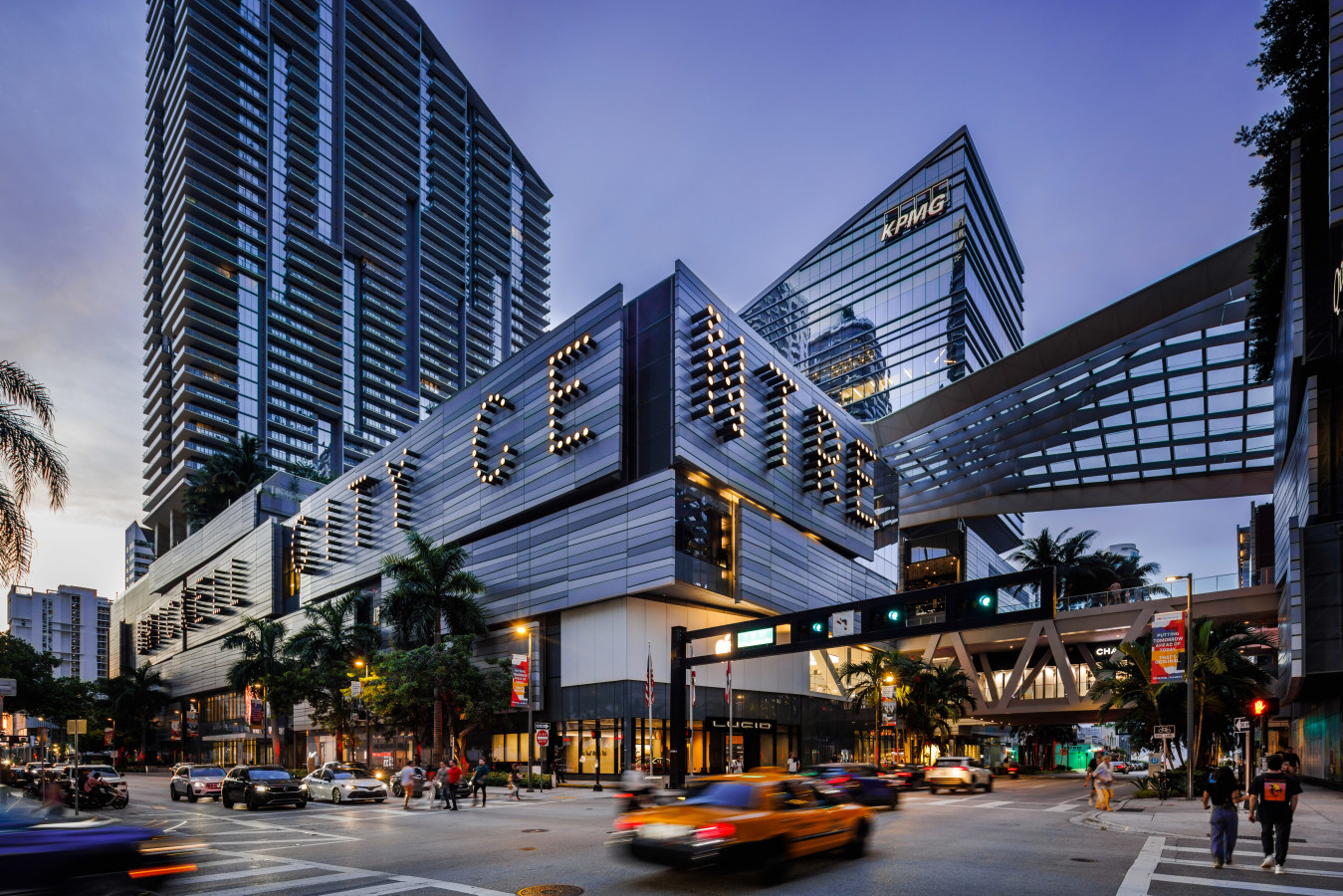
Expert Commercial Construction in Brickell
Brickell City Center is a bustling Miami hub requiring precise coordination and fast-paced commercial construction. Plescia Construction delivers reliable results.
Local Construction Challenges
Construction in Brickell must consider heavy pedestrian traffic, high-rise building logistics, and seasonal hurricane precautions. (Miami-Dade County Building Department) Tight streets and luxury retail spaces demand careful staging and scheduling. Compliance with city zoning and accessibility codes is critical. (Miami Planning Department)
Commercial Construction Services at Brickell City Center
Plescia Construction specializes in:
-
Retail store build-outs and renovations
-
Restaurant and food court construction
-
Mixed-use commercial tenant improvements
-
Fast-track interior projects
-
High-end interior renovations
Our structured approach ensures efficient scheduling, clear communication, and timely project delivery.
Local Supplier and Neighborhood Coordination
We work with trusted Miami suppliers such as South Florida Lumber, Florida Steel Supply, and local hardware providers. Close access to Brickell Avenue, I-95, and Mary Brickell Village enables timely deliveries.
Coordination in pedestrian-heavy streets, adjacent high-rises, and busy plazas minimizes disruptions.
Construction Management Expertise
Plescia Construction provides:
-
On-time, on-budget project completion
-
Coordination with inspectors and permitting agencies
-
Efficient logistics in high-traffic retail environments
-
Risk mitigation for seasonal weather and events
Our management approach ensures Brickell City Center projects stay on schedule and within budget.
Start Your Brickell Project
For retail, restaurant, or mixed-use construction at Brickell City Center, contact:
Info@Plescia-CD.com
Plescia Construction provides expert commercial construction services throughout Brickell City Center and surrounding Miami neighborhoods.

Commercial General Contractor Orlando
Trusted Commercial Construction in Orlando
Orlando’s growing commercial landscape requires precise planning, timely execution, and high-quality construction. Plescia Construction delivers dependable solutions across neighborhoods like Lake Nona, Winter Park, and Dr. Phillips.
Local Construction Challenges
Orlando faces unique considerations due to seasonal hurricanes, heavy rainfall, and humidity. Projects near International Drive or near major resorts must account for traffic, staging, and zoning requirements. (Orlando Sentinel) Local permitting processes require strict adherence to city codes, including energy efficiency and accessibility standards. (City of Orlando Planning)
Coastal and inland humidity impacts material selection for roofing, facades, and mechanical systems, ensuring long-term durability.
Commercial Construction Services in Orlando
Plescia Construction specializes in:
-
Retail store build-outs and renovations
-
Office and corporate spaces
-
Restaurants, bars, and hospitality interiors
-
Medical and healthcare tenant improvements
-
Industrial and light warehouse upgrades
-
Mixed-use commercial developments
-
Fast-track build-outs and phased projects
All projects benefit from structured scheduling, coordinated subcontractors, and clear communication with owners and tenants.
Local Supplier and Neighborhood Coordination
We rely on trusted regional suppliers like Florida Lumber & Building Supply, Baker Concrete, and Orlando Roofing Supply. Proximity to Lake Nona, Dr. Phillips, and Conway ensures material availability and timely deliveries.
Projects in downtown Orlando, Winter Park, and the Millenia area require strategic planning to minimize disruption to businesses, pedestrians, and traffic patterns.
Construction Management Expertise
Orlando’s commercial construction demands disciplined project management. Plescia Construction ensures:
-
On-time and on-budget completion
-
Coordination with inspectors and permitting agencies
-
Efficient logistics in high-traffic or restricted zones
-
Risk mitigation for seasonal weather events
Our team adapts to unique site conditions and maintains momentum across all commercial projects.
Start Your Orlando Commercial Project
For commercial construction projects in Orlando — retail, offices, hospitality, or mixed-use spaces — contact:
PlesciaFL@Plescia-CD.com
Plescia Construction delivers high-quality, efficient commercial construction across Orlando and surrounding areas.
Garden State Plaza General Contractor
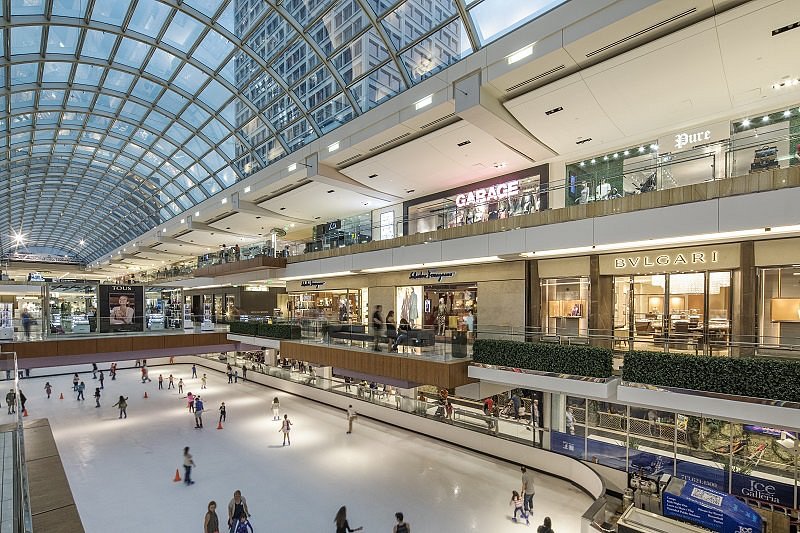
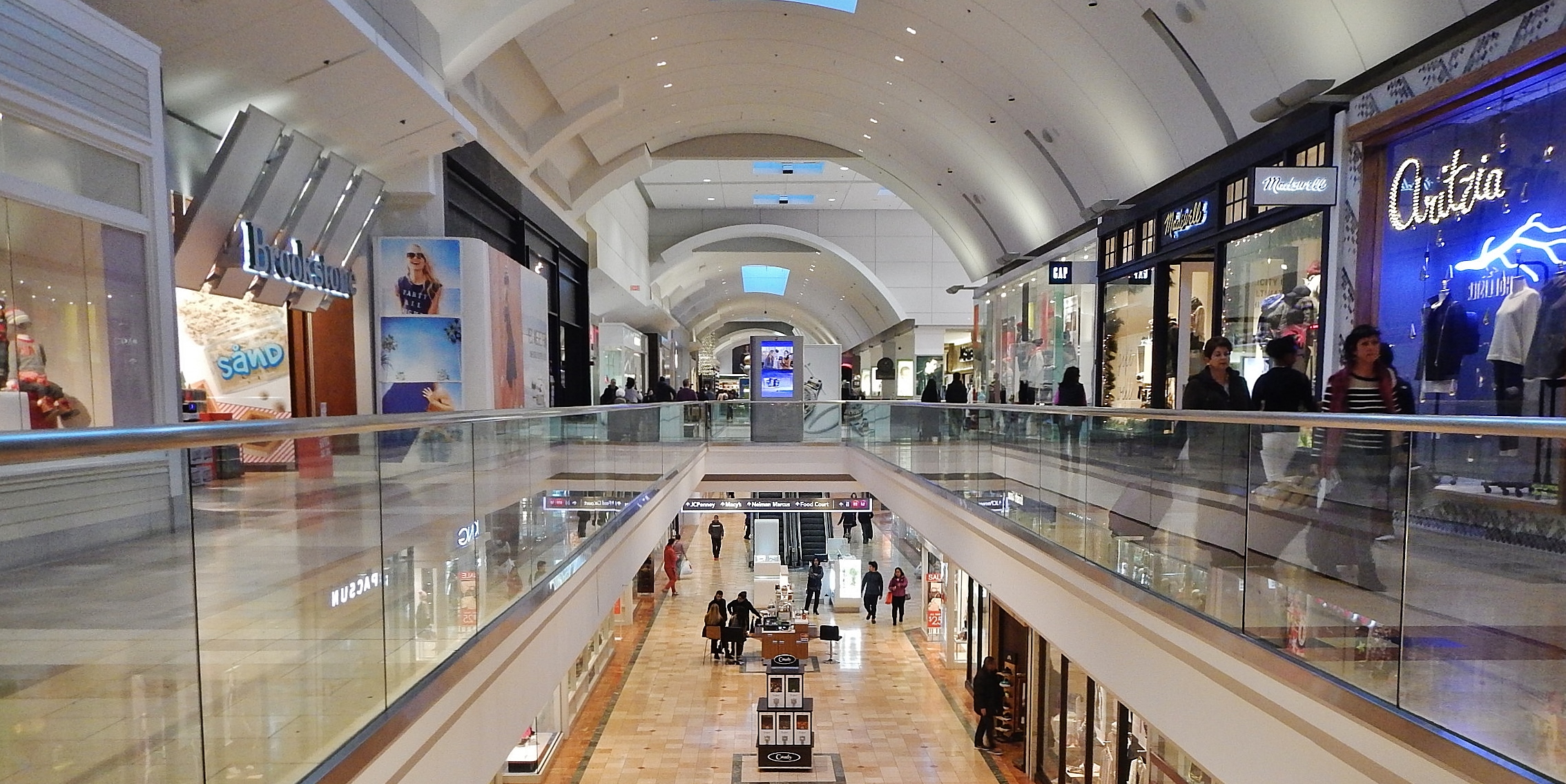
Westfield Garden State Plaza in Paramus, New Jersey is one of the largest and highest-grossing shopping centers in the United States. Anchored at the crossroads of Routes 4 and 17 in Bergen County, it draws national flagships, luxury brands, and constant consumer traffic — and retail construction there demands experienced general contracting and disciplined construction management to deliver on time and in full compliance with local rules.
Retail construction in Paramus comes with its own set of challenges. Strict borough ordinances, detailed landlord and property-management requirements, heavy Routes 4 and 17 traffic, and Paramus's well-known blue laws all shape how — and when — work gets done. Building inside an operating, high-volume mall also demands careful logistics to keep neighboring tenants open and shoppers safe.
At Plescia Construction and Development, we provide comprehensive general contracting and construction management for retail projects throughout New Jersey, including Westfield Garden State Plaza.
Building in Paramus: Ordinances, Blue Laws, and Traffic
Paramus enforces specific zoning, permitting, and inspection requirements, and its blue laws prohibit most retail activity on Sundays — a reality that shapes construction scheduling, deliveries, and store-opening plans. The Routes 4 and 17 corridor is one of the busiest retail arteries in the country, so staging, material deliveries, and crew access have to be planned around traffic and the mall's operating hours. We coordinate early with the borough and the property's management team to keep projects moving without surprises.
Meeting Westfield's Property-Management Standards
As a premier Westfield (Unibail-Rodamco-Westfield) center, Garden State Plaza enforces detailed standards for work hours, deliveries, barricades, insurance and certificates of insurance, and life-safety. We build to those requirements and to each national brand's design standards, coordinating with mall operations so the work never disrupts the shopping experience around it.
Retail Build-Outs to National Brand Standards
Tenants at Garden State Plaza expect build-outs that match exacting brand standards — custom storefronts, specialty lighting, mechanical and electrical upgrades, millwork, flooring systems, and high-end finishes. Strong construction management keeps these moving parts aligned: long-lead procurement, trade coordination, inspections, and a realistic schedule that protects the opening date.
A Center That Keeps Evolving
Garden State Plaza continues to reinvent itself, adding dining, open-air space, and mixed-use development alongside its flagship retail. That ongoing redevelopment means a steady pipeline of build-outs, renovations, and conversions, each requiring a contractor who understands both the property and the Paramus market. From flagship storefronts to restaurant build-outs and full renovations, Plescia delivers retail construction at Garden State Plaza with realistic schedules, transparent budgets, and the logistics discipline an operating mall requires, all through a single point of accountability.
Commercial General Contractor Lakewood NJ
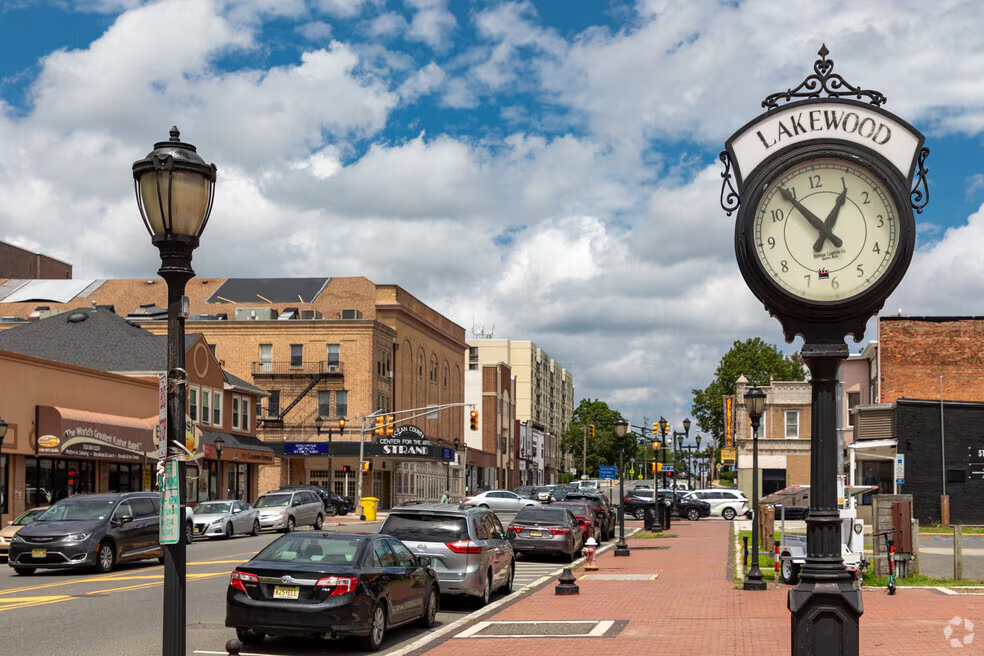
For businesses in Lakewood, New Jersey, Plescia Construction provides professional commercial construction services tailored to local needs and project requirements.
Why Lakewood is a Strategic Market
Lakewood has a growing commercial and retail economy, with office, industrial, and mixed-use development opportunities in key neighborhoods.
-
Lakewood Town Center Expansion – Redevelopment of the town center supports retail, dining, and office growth. (lakewoodnj.gov)
-
Industrial & Logistics Growth – Warehouses and distribution centers expand near Route 9 and the Garden State Parkway. (southjerseybiz.com)
-
Healthcare & Institutional Projects – Hospitals, medical offices, and educational facilities in Lakewood Township continue to grow. (nj.com)
These trends require contractors capable of handling modern commercial, mixed-use, and adaptive reuse projects efficiently.
Plescia Construction Services in Lakewood
-
New Office & Commercial Buildings – Build Class A offices, corporate campuses, and administrative facilities with modern finishes.
-
Tenant Fit-Outs & Interior Build-Outs – Offices, medical spaces, retail, and professional suites with IT, HVAC, lighting, and ADA compliance.
-
Retail & Restaurant Construction – Construct or renovate retail centers, restaurants, and lifestyle spaces in high-traffic areas.
-
Mixed-Use Development – Combine office, residential, retail, and amenities into a single development project.
-
Industrial, Flex & R&D Facilities – Construct or adapt warehouses, industrial spaces, and lab-ready facilities.
-
Infrastructure & Site Work – Parking, utilities, loading docks, landscaping, and pedestrian flow management.
Local Considerations for Lakewood Projects
Zoning & Permitting
Lakewood Township enforces zoning, stormwater management, and permitting for commercial, industrial, and mixed-use projects. (lakewoodnj.gov/planning)
Redevelopment & Adaptive Reuse
Older office, retail, and industrial properties often require renovation or repurposing to meet modern commercial standards. (nj.com)
Supplier & Subcontractor Coordination
We collaborate with local concrete, steel, masonry, HVAC, plumbing, and electrical suppliers familiar with Lakewood and Ocean County commercial codes.
Market Trends
Lakewood shows strong demand for office, retail, industrial, and mixed-use developments along major corridors and key neighborhoods. (southjersey.com)
Why Plescia Construction is the Right Partner
-
Full-Service Expertise – Ground-up construction, interior fit-outs, adaptive reuse, and mixed-use projects.
-
Local Market Knowledge – Understanding Lakewood zoning, permitting, and redevelopment trends ensures project compliance.
-
Experienced Project Management – Coordinating multi-building, mixed-use, or industrial projects with local suppliers efficiently.
-
Responsive Regional Support – Timely oversight, procurement, and execution for all Lakewood projects.
For commercial construction projects in Lakewood — offices, retail, industrial, or mixed-use — contact PlesciaNJ@Plescia-CD.com.
Plescia Construction delivers expertise, local insight, and high-quality construction for modern Lakewood commercial projects.