

Commercial Construction Process: A Complete Guide
The Commercial Construction Process: A Complete Guide
The commercial construction process is a complex, multi-phase workflow involving planning, design, permitting, procurement, construction, and project delivery. From office buildings and retail centers to industrial facilities, medical spaces, and large-scale developments, successful commercial construction demands deep coordination between architects, engineers, contractors, subcontractors, inspectors, and owners.
Because these projects often have strict schedules, regulatory requirements, technical specifications, and significant financial stakes, understanding how the commercial construction process works is essential for developers, property owners, and investors. This guide breaks down each stage of the commercial construction lifecycle and explains the systems, challenges, and best practices that drive a successful project.
What Is the Commercial Construction Process?
The commercial construction process refers to the structured series of steps required to plan, design, permit, build, and deliver a commercial building or tenant improvement project. While every project is unique, the core phases generally follow a consistent sequence that includes:
- Pre-construction planning
- Architectural and engineering design
- Budgeting and estimating
- Zoning, permitting, and approvals
- Procurement and subcontractor bidding
- Construction and field operations
- Inspections, close-out, and turnover
Each phase builds on the previous one, requiring close alignment among all stakeholders to achieve cost control, quality execution, and an on-schedule delivery.
Phase 1: Pre-Construction Planning
The commercial construction process begins long before materials arrive onsite. Pre-construction establishes the foundation for the entire project, defining feasibility, scope, schedule, and budget. During this phase, the construction and design teams collaborate on:
- Site analysis and surveys
- Zoning and land-use research
- Environmental and geotechnical evaluations
- Building code review
- Conceptual design and space planning
- Preliminary budgeting and cost modeling
- Risk assessment and value engineering
Strong pre-construction is the single biggest predictor of project success. Issues identified upfront—such as utility constraints, structural complexities, or municipal requirements—are significantly cheaper and faster to address before design is finalized.
Phase 2: Architectural & Engineering Design
Once the project’s objectives and feasibility are confirmed, the design team develops the full architectural and engineering drawings. This phase includes:
- Schematic Design (SD)
- Design Development (DD)
- Construction Documents (CD)
Designers collaborate with civil, structural, mechanical, electrical, plumbing, and specialty engineers to ensure the building meets all code, performance, and functionality requirements. Increasingly, commercial projects utilize Building Information Modeling (BIM) to coordinate systems, detect conflicts early, and improve accuracy in cost and schedule forecasting.
Phase 3: Budgeting & Estimating
During design, the construction team continuously updates cost estimates to keep the project aligned with financial goals. This includes:
- Material and equipment pricing
- Labor and trade contractor estimates
- Schedule-based cost modeling
- Value engineering
- Life-cycle cost analysis for long-term efficiency
Accurate estimating reduces budget surprises later in the process and helps owners make informed decisions about design revisions, material selections, and construction sequencing.
Phase 4: Permitting & Approvals
The permitting stage includes navigating the regulatory framework of the local jurisdiction, which may involve:
- Planning board review
- Zoning approvals
- Environmental permits
- Utility company coordination
- Building permit submissions
- Special inspections requirements
Poorly coordinated drawings, missing information, or overlooked municipal requirements are common causes of project delays. An experienced commercial contractor ensures the permit set is accurate, compliant, and tailored to the expectations of the local building department.
Phase 5: Procurement & Subcontractor Selection
Before construction begins, the general contractor secures trade partners and materials. Procurement includes:
- Bid solicitation from subcontractors
- Bid evaluation and scope alignment
- Material sourcing and long-lead orders
- Establishing the construction schedule
- Finalizing project buyout
Proactive procurement is especially important today, where supply chain constraints and long-lead items—such as electrical gear, HVAC equipment, structural steel, and specialty finishes—can impact project timelines.
Phase 6: Construction
Once mobilization begins, the project transitions to active construction. This phase includes:
- Site preparation and logistics
- Foundations and structural framing
- MEP infrastructure installation
- Exterior envelope and roofing
- Interior fit-out and finishes
- Safety, inspections, and quality control
- Schedule management and daily reporting
Commercial construction requires precise coordination among trades to avoid conflicts and minimize disruption. Advanced technologies—like BIM-driven layout, drones for progress documentation, and cloud-based project management tools—help ensure accuracy and transparency throughout the build.
Phase 7: Final Inspections, Close-Out & Turnover
As the project nears completion, the team conducts final inspections and quality checks to confirm compliance with codes, specifications, and design intent. The close-out package typically includes:
- As-built drawings or BIM models
- Operation & maintenance manuals
- MEP system commissioning
- Punch list completion
- Warranty documentation
After obtaining the Certificate of Occupancy, the building is officially turned over to the owner, who can begin operations, leasing, or move-in.
Plescia Construction & Development’s Expertise in the Commercial Construction Process
Plescia Construction & Development brings decades of experience managing the full commercial construction process from concept to completion. Their integrated approach—combining pre-construction analysis, advanced BIM coordination, disciplined project management, and hands-on field supervision—ensures every phase is executed with precision. Plescia’s team excels in navigating zoning, permitting, subcontractor coordination, and complex technical requirements across retail, corporate, industrial, and mixed-use environments. By prioritizing communication, transparency, and proactive problem-solving, Plescia Construction & Development consistently delivers commercial projects on schedule, on budget, and at the highest standard of quality.
Conclusion
The commercial construction process requires careful planning, disciplined execution, and strong collaboration among all stakeholders. When managed effectively, it delivers safe, functional, and high-performing commercial spaces that support business goals and long-term value. With a seasoned partner like Plescia Construction & Development leading the process, owners gain confidence, control, and clarity at every phase—from pre-construction to final handover.

Commercial General Contractor Sarasota Florida
Sarasota, Florida Commercial General Contractor
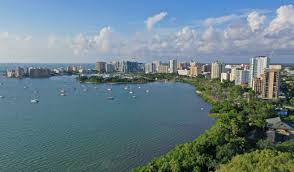
Sarasota is one of Florida’s most sophisticated and design-forward commercial markets—a coastal city defined by high-income demographics, a world-class arts and cultural scene, luxury retail and hospitality demand, medical-sector expansion, and a strong emphasis on architectural quality and resilient coastal construction. With its cultural anchors such as the Ringling Museum, proximity to Siesta Key and Lido Key, and a booming downtown residential market, Sarasota continues to attract commercial investment across hospitality, mixed-use, medical, retail, and creative-office sectors.
For commercial general contractors, Sarasota presents both exceptional opportunity and unique complexity: strict coastal-zone regulations, hurricane-resilient engineering, architectural review requirements, flood-zone compliance, tight downtown construction logistics, and a highly design-conscious client base. Sarasota’s commercial market rewards builders with deep experience in coastal engineering, high-end finishes, advanced MEP systems, and coordination with multiple environmental and planning agencies.
Major Commercial Districts & Development Zones in Sarasota
Sarasota’s commercial ecosystem is anchored by several rapidly evolving districts, each with distinct development patterns and regulatory structures:
- Downtown Sarasota — a high-density commercial district featuring luxury mixed-use towers, boutique hotels, culinary-driven retail, and cultural venues. Growth is guided by the Sarasota Planning Department and form-based zoning codes.
- Rosemary District — one of Sarasota’s fastest-developing mixed-use neighborhoods, known for modern architecture, multi-story infill projects, and boutique commercial uses.
- St. Armands Circle — a premier shopping and dining destination requiring meticulous architectural integration, premium finishes, and unique façade treatments.
- South Tamiami Trail (US-41 Corridor) — a major commercial artery with medical offices, retail centers, auto dealerships, restaurants, and redevelopment-ready parcels.
- Lakewood Ranch — one of the fastest-growing master-planned communities in the U.S., crossing into Sarasota County and generating demand for offices, medical facilities, retail villages, and hospitality development.
- Siesta Key & Lido Key commercial nodes — heavily influenced by coastal zoning, FEMA flood requirements, and tourism-driven retail/hospitality projects.
Each district blends architectural oversight, coastal resilience mandates, and localized design guidelines influencing commercial construction.
Zoning, Permitting & Development Oversight
Sarasota’s commercial permitting environment involves detailed review from city, county, state, and federal agencies. Key regulatory bodies include:
- City of Sarasota Planning Department — managing zoning, site plans, downtown overlays, neighborhood compatibility standards, and form-based code compliance.
- Sarasota County Planning & Development Services — overseeing county-wide commercial permitting for areas outside the city limits.
- Florida Department of Environmental Protection (FDEP) — critical for coastal construction, dune structures, and shoreline work.
- Southwest Florida Water Management District (SWFWMD) — responsible for stormwater permits, retention, and watershed review.
- U.S. Army Corps of Engineers — required for waterfront or dredge-adjacent commercial activity.
- Historic Preservation Board — relevant within designated historic districts and select downtown zones.
- Florida Building Code enforcement — governing hurricane-resistant systems, impact materials, structural design, and wind-load requirements.
The city’s form-based codes—especially downtown—place heavy emphasis on building form, massing, frontage design, pedestrian experience, and architectural consistency.
Infrastructure, Environmental & Engineering Challenges
Coastal location, environmental sensitivity, and urban density create unique engineering challenges for Sarasota commercial construction:
- Coastal & flood-zone regulations — many sites require elevating structures, implementing dry floodproofing, or designing resilient MEP placement per FEMA flood maps.
- Hurricane-resilient design — impact-rated glazing, deep piles, enhanced ties and anchors, and wind-load engineering exceeding state minimums in some zones.
- Salt-air corrosion mitigation — demanding material selection and protective treatments for structural and mechanical components.
- Tight downtown staging conditions — requiring strict delivery scheduling, crane coordination, and temporary pedestrian-management plans.
- Strict architectural oversight — especially around St. Armands Circle, the Bayfront, and downtown overlays requiring advanced façade and materials coordination.
- Stormwater retention limitations — driving the use of underground vaults, exfiltration systems, or permeable hardscape solutions.
- Environmental review for coastal wildlife — including sea turtle lighting rules, dune protection, and shoreline setbacks.
These constraints require early geotechnical evaluation, detailed preconstruction planning, and close coordination with environmental agencies.
Commercial Sectors Driving Growth in Sarasota
Sarasota’s economic base supports a wide range of high-value commercial construction categories:
- Hospitality & luxury tourism — boutique hotels, waterfront venues, resorts, and fine-dining restaurant buildouts.
- Medical & research facilities — driven by Sarasota Memorial Health Care System and expanding wellness-oriented commercial tenants.
- Retail & lifestyle centers — especially along US-41 and in Lakewood Ranch.
- Mixed-use development — modern urban infill combining commercial podiums with residential units.
- Creative office & cultural facilities — tied to Sarasota’s strong arts identity.
- Restaurant construction — high demand exists in St. Armands, downtown, and coastal commercial nodes.
- Industrial & light manufacturing — particularly in inland zones and around major arterial corridors.
The city’s strong tourism and high-income resident base fuel consistent commercial construction activity across diverse categories.
Plescia Construction & Development in Sarasota
Plescia Construction & Development offers specialized expertise tailored to Sarasota’s coastal, high-design, high-regulation commercial environment. Our services include:
- General Contracting for hospitality, retail, medical offices, mixed-use buildings, restaurants, and commercial interiors;
- Construction Management covering scheduling, subcontractor coordination, quality assurance, and safety oversight;
- Commercial Development offering feasibility studies, entitlement strategy, budgeting, and coordination with municipal and environmental agencies;
- Design Management integrating architects, coastal engineers, geotechnical consultants, and regulatory authorities to streamline delivery.
From coastal hospitality projects to downtown mixed-use developments, high-end retail buildouts, and medical-office construction, Plescia Construction & Development brings the technical expertise and local insight needed to succeed in Sarasota’s complex and fast-evolving commercial market.

Commercial General Contractor Nassau County
Nassau County, New York Commercial General Contractor
Nassau County is one of the most prosperous and densely developed suburban markets in the country, occupying the western half of Long Island between New York City and Suffolk County. It is home to major regional retail like Roosevelt Field, the Northwell Health and NYU Langone medical systems, the county government center in Mineola, and a growing wave of transit-oriented redevelopment around its Long Island Rail Road stations. For commercial general contractors, Nassau County offers strong demand across retail, healthcare, office, and mixed-use construction—within one of the most jurisdictionally complex regulatory environments in New York.
The county’s commercial landscape spans regional malls and retail corridors, hospitals and medical offices, corporate and professional space, hospitality, and downtown mixed-use redevelopment. That diversity requires contractors to work fluently across very different building types, town and village review processes, environmental conditions, and infrastructure realities.
For property owners and developers, the difference between a smooth project and a costly one often comes down to local knowledge. Plescia Construction & Development serves Nassau County and Long Island from its New York presence, pairing big-market capability with familiarity with the region’s building departments and review boards. The sections below outline what experienced owners weigh before building here—and how the right contractor turns those variables into a predictable, well-managed result.
Understanding Nassau County’s Commercial Districts
Each part of Nassau County has its own character, economy, and regulatory framework, and a contractor who understands those distinctions can anticipate requirements long before they become delays:
- Mineola & Garden City – the county’s civic and retail core, home to the county government center, courts, NYU Langone Long Island, and Roosevelt Field, one of the largest shopping centers in the country;
- Hempstead & Uniondale – dense commercial corridors and the Nassau Hub redevelopment area around the Coliseum;
- Hicksville & Westbury – major retail and transit-oriented development around busy Long Island Rail Road stations;
- Great Neck, Manhasset & the North Shore – upscale retail, professional offices, and medical space, including the Americana Manhasset luxury corridor;
- Valley Stream & the South Shore – regional retail anchored by Green Acres, with flood-zone considerations along the bays;
- Long Beach & the barrier island – coastal hospitality and commercial development built to demanding resiliency standards;
- Glen Cove & the harbors – waterfront redevelopment and mixed-use growth on the North Shore.
Few suburban counties combine such strong commercial demand with so fragmented a regulatory map, which makes local knowledge essential to scoping a project correctly.
Zoning, Planning & Approvals in Nassau County
Nassau County’s home-rule structure means commercial projects are reviewed by a patchwork of towns and incorporated villages, each with its own codes, boards, and procedures. Key components include:
- Town or village building department review and permitting—Hempstead, North Hempstead, and Oyster Bay, plus dozens of incorporated villages, each with its own requirements;
- Planning Board review for site plans, circulation, parking, landscaping, lighting, and drainage;
- Zoning Board of Appeals for use and area variances, setback relief, signage, and building height;
- SEQRA (State Environmental Quality Review Act) environmental review for qualifying projects;
- Nassau County and NYSDOT review for projects affecting county roads, drainage, or state highways;
- NYSDEC review for wetlands, tidal areas, stormwater, and environmental compliance;
- Local Fire Marshal and code enforcement for life-safety, commercial kitchens, assembly use, and suppression systems.
Because the same project can fall under very different rules depending on whether it sits in a town or an incorporated village, knowing the specific jurisdiction is critical. Experienced contractors mitigate approval risk by engaging the correct building department early, aligning the design team with each board’s expectations, and submitting complete, well-documented applications that reduce the back-and-forth that so often stalls Long Island projects.
The Sole-Source Aquifer, Flood Zones & Environmental Considerations
A defining feature of building anywhere on Long Island is its sole-source aquifer—Nassau County’s drinking water comes entirely from the groundwater beneath it, which means development is held to strict standards for water protection. Contractors routinely address:
- Groundwater and aquifer protection, including stormwater, drainage, and wastewater requirements designed to safeguard the water supply;
- South Shore flood hazard and FEMA requirements, an ongoing priority since Superstorm Sandy in Long Beach and the bay communities;
- Coastal and tidal wetlands regulation through NYSDEC along the North Shore harbors and South Shore bays;
- Resiliency and elevation standards for waterfront and low-lying commercial buildings;
- Soil remediation for former commercial and industrial parcels.
Aquifer protection and coastal resiliency shape stormwater and site design across the county. Understanding these constraints up front allows owners to budget realistic time and contingency rather than discovering environmental work mid-project.
Infrastructure & Engineering Considerations
Nassau County blends dense commercial corridors with established suburban communities, and each presents its own engineering demands. Common considerations include:
- Utility coordination with PSEG Long Island and the area’s many water and sewer districts, including service upgrades that can carry long lead times;
- Traffic and access planning along the Long Island Expressway, Northern and Southern State Parkways, and major routes like Hempstead Turnpike, Jericho Turnpike, and Sunrise Highway;
- Structural retrofits for older mid-century commercial buildings being repositioned for modern use;
- High-load electrical and mechanical systems for medical, retail, and institutional tenants;
- ADA and life-safety upgrades for older commercial buildings undergoing tenant improvements.
Utility lead times and water-district coordination deserve particular attention on Long Island. Building those dependencies into the master schedule during preconstruction—rather than discovering them in the field—is one of the clearest markers of a contractor who knows the region.
Retail Construction in Nassau County
Nassau County is one of the strongest retail markets in the New York region, anchored by Roosevelt Field in Garden City, Green Acres in Valley Stream, and the luxury Americana Manhasset corridor, along with countless shopping centers and main-street districts. Building here usually means working within or near occupied centers, coordinating closely with landlords and center management, and maintaining strict logistics, dust, and life-safety controls while neighboring stores stay open. Most projects are tenant improvements, retail and restaurant buildouts, and repositioning of existing space. Success in this market comes from delivering high-quality fit-outs on tight, opening-driven schedules while keeping busy centers running smoothly.
Transit-Oriented and Downtown Redevelopment
Some of Nassau County’s most active commercial growth is concentrated around its Long Island Rail Road stations. Investments in the rail network have spurred transit-oriented, mixed-use redevelopment in downtowns like Mineola, Westbury, Hicksville, and New Hyde Park, where new apartments, retail, and office space are reshaping village centers. The Nassau Hub around the Coliseum in Uniondale represents another major redevelopment opportunity. These projects reward a contractor experienced in mixed-use construction, village-level approvals, and building within established, walkable downtowns.
Commercial Sectors Driving Growth in Nassau County
Nassau County’s economy supports a broad and resilient mix of commercial construction:
- Healthcare & medical – anchored by Northwell Health and NYU Langone Long Island, with strong outpatient and medical-office demand;
- Retail redevelopment – regional malls, lifestyle centers, and main-street districts countywide;
- Office & professional – modernization and tenant improvements across the county’s commercial corridors;
- Transit-oriented mixed-use – downtown redevelopment around LIRR stations;
- Hospitality & restaurant development – in downtowns, along the shore, and within retail centers;
- Coastal & waterfront development – resilient commercial projects on the North and South Shores;
- Institutional & civic – facilities tied to the county’s government, education, and healthcare base.
These uses require extensive MEP engineering, structural reinforcement, ADA upgrades, and life-safety systems—particularly in healthcare and reuse projects. Specialized building types reward a contractor who has delivered them before.
Project Delivery and Construction Management
How a project is delivered can matter as much as who delivers it. Owners in Nassau County typically choose between a traditional general-contracting arrangement, in which the contractor commits to a defined scope and price after design is complete, and a construction-management approach, in which the builder is engaged earlier to provide budgeting, scheduling, and constructability input during design. Fast-track delivery—overlapping design and construction to compress the timeline—is common for tenant improvements and competitive retail or restaurant openings. Whichever model is used, disciplined preconstruction keeps a project on track: realistic budgeting that accounts for environmental and utility work, a permitting strategy mapped to the specific town or village, early procurement of long-lead materials, and a phased schedule built around real site conditions.
What Property Owners Should Expect During Permitting
A frequent question from Nassau County owners is how long approvals will take. The answer depends on the town or village, the scope, and whether variances or environmental review are involved—but the process generally moves through predictable stages. After design, the project enters local land-use review, which may include Planning Board, Zoning Board of Appeals, and SEQRA review depending on the site. Building permits are issued by the town or village building department, and the work is inspected at defined milestones. A Certificate of Occupancy is issued only after final inspections are passed. Because requirements differ from one jurisdiction to the next, identifying the correct building department and submitting complete, coordinated documents from day one is the most effective way to avoid costly delays.
Choosing a Commercial General Contractor in Nassau County
When evaluating a commercial general contractor for a Nassau County project, property owners should look beyond price. Confirm the contractor’s direct experience with your building type and your specific town or village, since familiarity with the right building department, review boards, and Long Island’s environmental rules translates into smoother approvals. Verify licensing, insurance, and a track record of comparable completed projects, and ask how the contractor approaches preconstruction, budgeting, and schedule risk. The strongest partners communicate proactively, plan logistics beyond the building footprint, and take ownership of permitting and inspections rather than leaving those burdens with the owner. In a county with so many overlapping jurisdictions, that mix of local insight and technical discipline is what separates a contractor who simply builds from one who delivers.
Plescia Construction & Development in Nassau County
Plescia Construction & Development brings New York big-market capability and a high level of technical expertise to commercial projects across Nassau County and Long Island. Services include:
- Retail & shopping center redevelopment including façade renovations and interior modernization in occupied centers;
- Medical and outpatient center construction requiring specialized MEP and compliance-driven planning;
- Restaurant & hospitality buildouts with commercial kitchens, bar systems, and mechanical integration;
- Office and professional tenant improvements across the county’s commercial corridors;
- Transit-oriented mixed-use components tied to downtown and LIRR-station redevelopment;
- Resilient, coastal-area commercial construction on the North and South Shores;
- Full permitting support including town and village building departments, Planning, Zoning, SEQRA, NYSDEC, and Fire Officials.
Whether delivering a retail buildout at a regional center, a medical office in Mineola, a restaurant in a village downtown, or a transit-oriented mixed-use project, Plescia provides the regional expertise and technical precision Nassau County projects demand. From early budgeting and approvals through final inspections, the firm acts as a single point of accountability—aligning owners, designers, building officials, and trade partners around a clear schedule and a predictable result.
Frequently Asked Questions
What does a commercial general contractor in Nassau County do?
A commercial general contractor manages and delivers the physical construction of a commercial project—coordinating subcontractors and trades, handling permits and inspections, managing the budget and schedule, and serving as the single point of accountability from groundbreaking through closeout. In Nassau County, that role also means navigating the New York State building code, the specific town or village building department, SEQRA environmental review where applicable, and Long Island’s aquifer and coastal regulations.
How much does commercial construction cost in Nassau County?
The true cost of a project depends on scope, building type, site conditions, schedule, and level of finish, so a reliable number comes from a detailed preconstruction estimate rather than a per-square-foot guess. Factors specific to Nassau County—such as work within occupied retail centers, aquifer-driven stormwater requirements, coastal resiliency, and utility and water-district coordination—can also influence cost, which is why early budgeting during preconstruction is so important.
How long does the permitting and approval process take in Nassau County?
Timelines vary by town or village and by scope, but most commercial projects move through local land-use review—Planning Board, Zoning Board of Appeals, and SEQRA where applicable—before building permits are issued by the local building department. Because requirements differ from one jurisdiction to the next, identifying the correct department early is essential. Submitting complete, well-coordinated documents and engaging officials early is the most effective way to keep approvals on schedule.
Why are approvals in Nassau County so jurisdiction-specific?
Nassau County is governed by three towns and dozens of incorporated villages, each with its own codes, building department, and review boards. A project in an incorporated village may follow very different rules than a nearby site in an unincorporated part of a town. Knowing exactly which jurisdiction governs your property—and what that department requires—is one of the most important early steps in any Nassau County project.
Should I hire a general contractor or a construction manager for my Nassau County project?
A general contractor typically commits to a defined scope and price after design is complete, while a construction manager is engaged earlier to provide budgeting, scheduling, and constructability input during design. Many Nassau County projects benefit from a blend of the two, and fast-track delivery can compress timelines for tenant improvements and competitive retail openings. The right approach depends on your project’s complexity, schedule, and risk tolerance.
Commercial General Contractor Montauk
Montauk, New York Commercial General Contractor
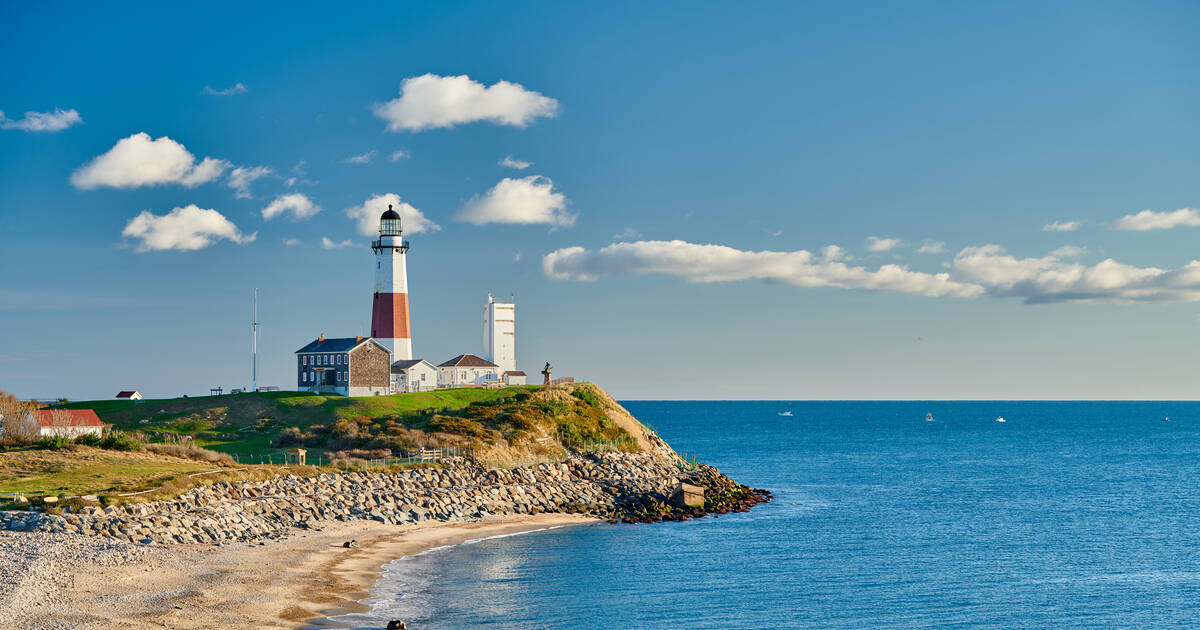
Montauk—located at the easternmost tip of Long Island—is one of the most demanding commercial construction environments in New York State. Known for its rugged coastline, surfing and fishing culture, tourism-driven economy, and significant state parklands, Montauk presents commercial general contractors with a combination of environmental sensitivity, coastal regulations, infrastructure limitations, and intense seasonal population spikes.
Commercial construction in Montauk is shaped by its zoning restrictions, limited developable land, flood-zone requirements, and the operational needs of hotels, restaurants, surf shops, marinas, retail buildings, and service-sector spaces. Unlike the more architecturally controlled villages of East Hampton and Southampton, Montauk’s challenges stem from coastal engineering, weather exposure, septic-system constraints, and tight construction-season windows.
Montauk’s Tourism-Driven Commercial Landscape
Montauk’s commercial corridors are centered around:
- Montauk Highway – the main commercial spine for retail, restaurants, and mixed-use spaces;
- Downtown Montauk – hospitality, food service, surf shops, and high-volume seasonal uses;
- The Harbor Area (Star Island & West Lake Drive) – marinas, fishing charters, hotels, and marine-related businesses;
- Ditch Plains – beach-centered amenities and seasonal food-service operations.
The town experiences massive population swings between summer and winter, meaning contractors must anticipate occupancy loads, mechanical demands, parking impacts, and service-capacity considerations far beyond what year-round demographics suggest.
Coastal Zone, Environmental & FEMA Challenges
Montauk sits within some of the most regulated coastal zones in New York, requiring commercial builders to navigate:
- NYSDEC tidal and freshwater wetlands rules governing setbacks, grading, and drainage;
- FEMA flood-zone construction standards including elevation, breakaway walls, and flood-resistant materials;
- Coastal Erosion Hazard Area (CEHA) regulations for oceanfront and bayfront parcels;
- Stormwater and runoff requirements due to sandy soils and dune systems;
- Wind-load engineering to withstand Atlantic-facing storm conditions.
Restaurants, hotels, and waterfront commercial buildings often need substantial MEP upgrades, corrosion-resistant materials, and emergency-power planning to manage heavy seasonal demand and weather exposure.
Wastewater, Septic & Utility Constraints
Montauk’s wastewater and utility limitations significantly influence commercial development feasibility. Key challenges include:
- Strict SCDHS approvals for high-occupancy uses (especially restaurants and hotels);
- Advanced I/A OWTS systems often required for new or expanded commercial uses;
- Limited sewer infrastructure compared to other tourist-heavy regions;
- Electrical capacity upgrades needed for older buildings and high-load tenant spaces;
- Potable water considerations for businesses near environmentally sensitive areas.
Because Montauk was originally developed with modest infrastructure designed for small motels and summer cottages, many properties require deep retrofits to support modern commercial operations.
Construction Logistics in Montauk
Montauk’s remote location and seasonal dynamics introduce several logistical obstacles:
- Long distances for material delivery from central Long Island suppliers;
- Limited staging areas in downtown and harbor zones;
- Seasonal construction-hour restrictions during peak summer months;
- Traffic congestion along Montauk Highway during the season;
- Small-lot constraints that require precise phasing and compact equipment.
Hotels, inns, and restaurants often require phased construction to remain partially operational, adding complexity to scheduling, safety, and noise control.
Plescia Construction & Development in Montauk
Plescia Construction & Development provides highly specialized commercial contracting services designed to meet Montauk’s combination of coastal, environmental, and tourism-driven requirements. The firm’s capabilities include:
- Restaurant and hospitality construction including commercial kitchens, bars, and outdoor dining areas;
- Waterfront and marina-related projects involving flood-resistant design and corrosion-resistant materials;
- Hotel and motel renovations including full MEP upgrades and unit reconfigurations;
- Surf, recreation, and retail buildouts tailored to high seasonal turnover;
- Advanced septic and drainage engineering required for commercial approvals;
- Resilient coastal construction meeting FEMA, CEHA, and NYSDEC requirements;
- Full permitting support across Planning, Zoning, SCDHS, and environmental agencies.
Backed by extensive South Fork experience, Plescia Construction & Development delivers the expertise needed to successfully complete complex commercial projects in Montauk’s uniquely challenging coastal landscape.

Commercial General Contractor Manhattan
Manhattan, New York Commercial General Contractor
Manhattan is one of the most complex commercial construction environments in the world. From Midtown’s high-bulk office and hospitality cores to Lower Manhattan’s historic fabric and the rapidly evolving West Side, every project sits at the intersection of intense real estate demand, intricate zoning controls, and tight infrastructure capacity. For commercial general contractors and construction managers, success in Manhattan means understanding not just the building code, but the full ecosystem of land use regulations, environmental review, permitting platforms, and neighborhood-level politics that shape what can be built, when, and how.
Manhattan’s Commercial Zoning Framework
New York City’s Zoning Resolution governs land use across all five boroughs, but its highest-density commercial districts are concentrated in Manhattan. C5 and C6 commercial districts accommodate the city’s most intense office and mixed-use environments, particularly in Midtown and Downtown, allowing large floor plates, significant heights, and a wide range of commercial uses that require a central location.
These base districts are layered with special purpose districts and overlays that add another level of control. The Special Midtown District, for example, establishes detailed rules for tower bulk, streetwalls, sunlight access on key corridors, pedestrian circulation, and the treatment of transit improvements. Similar special districts and subdistricts apply in Lower Manhattan and on parts of the Far West Side, each with its own incentive structures, design controls, and transfer-of-development-rights mechanisms.
City of Yes and the Office-to-Residential Conversion Wave
Recent zoning reforms under City of Yes for Housing Opportunity have expanded eligibility for conversions of pre-1991 non-residential buildings, enabling more obsolete office stock to be turned into housing. Manhattan leads the nation in office-to-residential conversions, with millions of square feet proposed or underway in the Financial District, Midtown East, and Midtown South.
Conversions typically require selective demolition, structural interventions, major upgrades to vertical transportation and life-safety systems, envelope replacement, and intricate phasing strategies. These projects demand contractor experience with complex sequencing, code compliance, and integration of new residential systems into legacy office structures.
Permitting, DOB NOW, and Common Bottlenecks
Large Manhattan projects move through DOB NOW, the city’s digital permitting platform. Bottlenecks often involve extended plan exams, iterative objections, coordination across multiple filings, and integration with Landmarks Preservation Commission (LPC) approvals for historic structures. Effective construction managers develop permitting schedules early, maintain disciplined tracking of filings, and coordinate responses across large design teams.
Environmental Review, ULURP, and Redevelopment
Major rezonings, public-private partnerships, and large-scale mixed-use projects may trigger the Uniform Land Use Review Procedure (ULURP) and City Environmental Quality Review (CEQR). These processes evaluate impacts on infrastructure, traffic, shadows, neighborhood character, and public realm. Contractors benefit from early engagement in entitlement planning, ensuring that environmental mitigation, public-space commitments, and phasing expectations are constructible and financially aligned.
Resiliency, Flood Risk, and Appendix G
Parts of Lower Manhattan and the East and West Sides fall within flood-hazard zones governed by Appendix G of the NYC Building Code. Commercial projects require resilient design strategies including elevation of critical systems, dry or wet floodproofing, and structural detailing for hydrostatic and hydrodynamic forces. These requirements influence basement feasibility, mechanical system placement, and ground-floor design.
Infrastructure, Transit, and Construction Logistics
Manhattan’s dense transit and utility networks impose strict requirements on construction logistics. Work near subway tunnels or major utilities may require vibration monitoring, special engineering review, and restrictive hours. At street level, limited curb space demands night and weekend deliveries, off-site prefabrication, and detailed DOT logistics plans.
Market Trends, Repositioning, and Tenant Expectations
Manhattan’s commercial market is undergoing a major transition. Trophy buildings with strong ESG performance outperform the market, while older buildings face pressure to reposition. Tenants increasingly demand modern mechanical systems, healthy interiors, flexible floor plates, amenity-rich environments, and strong sustainability credentials. As a result, many “light” renovations evolve into deep repositioning programs affecting core, shell, and major systems.
Labor Market, Delivery Methods, and Risk Management
Manhattan’s union labor environment requires expert coordination of trades, scheduling, and overtime strategies. CM-at-risk delivery is common for large projects, allowing early budgeting, constructability review, and sequencing analysis. Early engagement with trade partners mitigates risks related to façade replacement, vertical transportation upgrades, and complex mechanical integration.
Plescia Construction & Development’s Approach in Manhattan
Plescia Construction & Development provides general contracting, construction management, commercial development support, and design management services in Manhattan. The firm prioritizes early zoning and code consultation, detailed preconstruction, logistics-driven scheduling, resilient design integration, and transparent communication with owners, lenders, and tenants. Whether executing ground-up mixed-use towers, conversions, or targeted commercial repositioning, Plescia aligns project ambitions with Manhattan’s regulatory, logistical, and market realities.
New York Case Studies
450 West Broadway
450 West Broadway is a 40,000-square-foot, two-floor hospitality interior buildout that Plescia Construction & Development completed in the heart of SoHo, Manhattan. The project delivered the new home of Principe Restaurant, transforming raw interior space into a polished, guest-ready dining environment. As a large-scale commercial interiors effort, it spanned two full floors and required tight coordination of architectural finishes, kitchen infrastructure, and front-of-house design. Plescia executed the work on a fast-track schedule, overlapping procurement and construction to meet an aggressive opening timeline. Working in a dense SoHo setting demanded careful logistics planning for deliveries, staging, and street-level access. The team coordinated closely with the design team and trades to maintain quality across millwork, lighting, and specialty hospitality systems. Throughout the build, Plescia served as the single point of accountability for budget, schedule, and field execution. The completed restaurant reflects the precision and craftsmanship expected of a flagship Manhattan hospitality space.
218 West 18th Street
218 West 18th Street is a 25,000-square-foot fast-track interior office fit-out that Plescia completed in Manhattan. The space sits in the heart of Chelsea, one of the city's most active commercial corridors. The commercial interiors project transformed the floor into a modern, efficient workplace. Plescia delivered architectural finishes, lighting, and updated office systems throughout the suite. Construction in a Chelsea building required coordinated deliveries and careful material staging. The team worked with building management to schedule freight and after-hours activity. A fast-track schedule kept the fit-out aligned with the tenant's move-in plans. The completed office provides a contemporary workspace in a sought-after Chelsea location.
Google represents Plescia's fast-track commercial interior and infrastructure work for the technology leader across Chelsea Market and 111 8th Avenue in Manhattan. Together, these landmark New York City locations total roughly 225,000 square feet of high-profile office and campus space. The engagement spanned interior fit-outs and critical infrastructure upgrades within active, occupied buildings. Because the spaces remained in use, the team sequenced work to protect ongoing operations and minimize disruption to staff. Plescia delivered under fast-track schedules, coordinating phased access, after-hours work, and strict building-management requirements. Scope included modern office interiors, base-building system upgrades, and close coordination with landlord and tenant teams. Executing inside two of Manhattan's most iconic commercial properties demanded precise logistics and zero-surprise communication. The completed work supports Google's continued growth across its New York City footprint.
Squarespace
Squarespace is a 100,000-square-foot fast-track commercial interior renovation at the company's New York City headquarters on Varick Street. The large-scale project encompassed office interiors, roof-deck improvements, and façade work in a single program. It was constructed and completed while Plescia's team operated under JRM Construction Management. The scope unified multiple work types into one coordinated headquarters effort. Plescia sequenced interior, rooftop, and exterior trades to hold an aggressive schedule. Building at a flagship tech headquarters required precise coordination across many simultaneous work fronts. Fast-track delivery kept the multi-component project moving toward a unified completion. The finished headquarters supports Squarespace's brand and culture across its New York City home.
72 Madison Avenue
72 Madison Avenue is a 15,000-square-foot fast-track commercial interior renovation that Plescia completed in Manhattan. The office sits in the heart of New York City, steps from Madison Square Park. The project delivered a full interior transformation from existing conditions to a modern workplace. Plescia coordinated architectural finishes, lighting, and building systems across the floor. Working in a Manhattan high-rise required disciplined freight, elevator, and delivery logistics. The team partnered with building management to schedule work around the property's operations. A fast-track approach kept the renovation aligned with the tenant's move-in timeline. The finished space offers a contemporary, efficient office in a prime Madison Avenue location.
295 5th Avenue
295 5th Avenue is a 15,000-square-foot fast-track commercial interior renovation that Plescia completed at 295 Fifth Avenue in Manhattan. The project transformed a prior white-boxed space into a fully built-out, modern office environment. Plescia delivered complete interiors including finishes, lighting, and workplace systems. The Fifth Avenue address placed the work in a prominent New York City corridor. High-rise construction required coordinated freight, elevator, and delivery scheduling. The team worked with building management to align activity with the property's operations. A fast-track schedule kept the buildout on pace with occupancy goals. The completed office gives the tenant a refined, efficient workplace on Fifth Avenue.
3 Columbus Circle
3 Columbus Circle is a 15,000-square-foot fast-track commercial interior renovation that Plescia completed in Manhattan. The office sits at one of New York City's most prominent intersections. The project involved a full interior transformation into a modern workplace. Plescia coordinated finishes, lighting, and building systems across the floor. High-rise construction at Columbus Circle demanded disciplined freight and delivery logistics. The team partnered with building management to schedule work around the property's operations. A fast-track schedule aligned the buildout with the tenant's occupancy timeline. The finished office offers a contemporary workspace with a landmark New York City address.
Equiniti
Equiniti is a 5,000-square-foot fast-track commercial interiors renovation that Plescia completed in Downtown Manhattan. The office sits in the heart of New York City's financial district. The project required precise execution within a dense, high-rise commercial environment. Plescia delivered a modern, functional workspace tailored to the client's operations. Scope included architectural finishes, lighting, and updated office systems. Building in a Class A tower demanded coordination with building management and tight freight and elevator scheduling. The fast-track approach compressed the timeline without compromising quality. The finished space provides Equiniti a refined headquarters presence in Lower Manhattan.
Beny Sofer
Beny Sofer is a 15,000-square-foot fast-track commercial interior renovation that Plescia completed in Midtown Manhattan. The office occupies one of New York City's most prominent business districts. The project transformed the space into a modern, brand-appropriate work environment. Plescia coordinated finishes, lighting, and building systems across the full floor. Midtown high-rise construction required tight logistics for deliveries and material staging. The team worked closely with building management to schedule freight and after-hours activity. A fast-track schedule kept the buildout aligned with the client's occupancy goals. The completed office delivers a polished Midtown presence for Beny Sofer.
Exalt
Exalt is a 15,000-square-foot fast-track commercial interior renovation that Plescia completed for Exalt Youth at 17 Battery Place in Lower Manhattan. Exalt Youth is a nonprofit dedicated to empowering young people through education and career programs. The project delivered a functional, welcoming space to support the organization's mission. Plescia built out offices, program areas, and supporting interiors across the floor. Fast-track delivery helped the nonprofit occupy its new home as efficiently as possible. Working in a Lower Manhattan tower required coordinated logistics and building-management scheduling. The team managed budget and schedule closely to maximize value for the nonprofit client. The completed space equips Exalt Youth to serve New York City's young people.
2 Washington Street
2 Washington Street is a 15,000-square-foot fast-track commercial interior renovation that Plescia completed in New York City. The project delivered a transformative retail upgrade anchored by a redesigned main entry. Significant structural modifications were central to reshaping the space. Plescia coordinated structural, architectural, and finish work into a single fast-track program. The redesigned entry improved visibility, access, and tenant presence at street level. Building in Lower Manhattan required precise logistics and coordination with building management. The team sequenced structural and interior trades to protect the schedule. The completed renovation elevates the retail experience at 2 Washington Street.
17 Battery
17 Battery is a 5,000-square-foot fast-track commercial interior and façade renovation that Plescia completed at 17 Battery Place in Manhattan. The project sits in the heart of Lower Manhattan. The residential- and façade-focused scope enhanced both the interior and the building exterior. Plescia delivered upgraded interior finishes alongside exterior façade improvements. Combining interior and façade work required coordinated trades and careful access planning. Working in a dense downtown setting demanded precise logistics and site protection. A fast-track schedule kept the multi-scope project on a tight timeline. The completed work improved both the living spaces and the building's street presence.
Reiss
Reiss reflects Plescia's role as an ongoing retail construction partner for the global fashion brand throughout New York City. Reiss maintains a strong presence in Manhattan's highly competitive retail market. Plescia has delivered fast-track commercial interiors that bring the brand's refined aesthetic to its New York City stores. Representative work spans approximately 5,000 square feet of premium retail space. Each build demands elevated finishes, precise millwork, and brand-consistent detailing. The work frequently occurs within occupied buildings, requiring careful landlord coordination. Fast-track schedules keep store openings on track in a fast-moving retail calendar. The ongoing partnership underscores Reiss's confidence in Plescia's retail expertise across New York City.
Balmain
Balmain is a 2,500-square-foot fast-track commercial interior fit-out that Plescia delivered for the luxury fashion house in New York. The project created a refined retail environment within an occupied mall setting. Building amid active neighboring tenants required meticulous coordination and site protection. Plescia executed high-end finishes and custom millwork true to the Balmain brand. A fast-track schedule met the demands of the retail opening calendar. The team coordinated closely with mall and landlord management on access and hours. Careful logistics kept the occupied center operating smoothly throughout construction. The finished boutique delivers Balmain's signature luxury in a polished, brand-consistent space.
NH Collection
NH Collection is an ADA room-compliance upgrade program that Plescia completed at the NH Collection Manhattan Hotel in New York City. The work enhanced accessibility across guest rooms and suites on all occupied floors. Spanning roughly 75,000 square feet, the hospitality project balanced construction with the demands of a live, operating hotel. Plescia phased the renovations floor by floor to keep guest disruption to a minimum. The team upgraded bathrooms, doorways, clearances, and fixtures to meet accessibility standards. Fast-track scheduling allowed the hotel to return rooms to service as quickly as possible. Careful coordination with hotel management governed noise, dust control, and guest-floor access. The completed upgrades improved accessibility and compliance throughout the Manhattan property.
Commercial General Contractor North Miami
North Miami, Florida Commercial General Contractor
North Miami is a rapidly developing commercial submarket positioned between Miami and Aventura, shaped by coastal exposure, mixed-use zoning initiatives, aging commercial corridors, and environmental protections tied to Biscayne Bay. General contractors working in North Miami must navigate a unique blend of coastal construction regulations, flood-zone requirements, high-density redevelopment pressures, and multi-layered permitting across both the City of North Miami and Miami-Dade County.
Coastal Construction & Flood Zone Compliance
North Miami includes areas deeply influenced by proximity to Biscayne Bay, coastal inlets, and mangrove buffers. As a result, many commercial projects require:
- FEMA Flood Zone compliance (AE and VE designations along the eastern boundaries)
- Elevated foundations and raised mechanical equipment
- Dry floodproofing systems for commercial and mixed-use buildings
- Stormwater management plans designed to meet Miami-Dade County engineering standards
- Environmental review where wetlands or coastal habitats are present
Floodplain design greatly influences site planning, foundation engineering, and long-term facility resilience.
Hurricane-Resistant Commercial Building Requirements
As part of Florida’s High Velocity Hurricane Zone (HVHZ), North Miami requires elevated structural standards, including:
- Impact-rated glass and storefront assemblies
- Wind-load engineering suitable for coastal exposure
- Reinforced roofs with certified uplift performance
- Hardening of the building envelope to prevent water intrusion
- Backup power and emergency systems for medical, assisted living, and commercial infrastructure
Zoning, Overlays & Redevelopment Conditions
North Miami’s zoning landscape is in the midst of a transformation, with several targeted redevelopment areas. Key considerations include:
- Mixed-use zoning overlays encouraging residential, retail, and office integration
- Height allowances increasing near major corridors like Biscayne Boulevard and NE 125th St.
- The North Miami CRA (Community Redevelopment Agency) driving incentives for corridor revitalization
- Form-based zoning districts affecting massing, setbacks, and façade articulation
- Density bonuses for transit proximity or community benefits (depending on district)
Redevelopment of aging retail plazas and underutilized parcels is a major driver of new commercial activity.
Permitting Processes & Regulatory Coordination
Permitting in North Miami requires coordinated review between city departments and county-level agencies. Typical commercial projects require approvals from:
- City of North Miami Building Department (plans review, inspections, trades)
- Miami-Dade County Fire Rescue (life safety)
- Miami-Dade DERM (environmental resource management)
- Miami-Dade Water & Sewer Department (WASD) for utility capacity and connections
- Public Works / Engineering for drainage, road access, and civil plan review
Contractors must anticipate multi-stage reviews, especially for coastal or environmentally sensitive sites.
Local Site Logistics & Construction Constraints
North Miami presents unique challenges in site access, soil conditions, and logistics:
- High water table requiring dewatering or alternative foundation strategies
- Limited laydown space for urban infill sites near 125th Street and West Dixie Highway
- Heavy traffic congestion during peak hours impacting material deliveries
- Utility conflicts in older commercial corridors requiring relocations
- Environmental protections near mangroves and coastal waterways
Construction phasing plans must incorporate stormwater controls, pedestrian safety measures, and tight coordination with local utilities such as FPL and WASD.
Commercial Development Trends in North Miami
The North Miami commercial market is seeing new growth across multiple sectors:
- Mixed-use redevelopment with multifamily components
- Medical office expansion driven by regional population growth
- Retail modernization of outdated strip centers
- Hospitality revitalization near key coastal areas
- Industrial flex and warehouse development in western districts
These trends demand strong expertise in urban redevelopment, coastal engineering, and Miami-Dade regulatory navigation.
Key Resources
Plescia Construction & Development Services
Plescia Construction & Development supports North Miami with a full range of commercial construction services, including:
- General Contracting
- Construction Management
- Commercial Development
- Design Management
Commercial General Contractor Naples Florida
Naples, Florida Commercial General Contractor
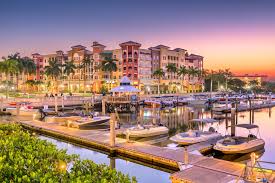
Commercial construction in Naples, Florida is shaped by luxury development standards, coastal engineering requirements, strict permitting oversight, and redevelopment pressures across high-value corridors such as Fifth Avenue South, Third Street South, Tamiami Trail, and the North Naples commercial districts. General contractors must navigate rigorous architectural expectations, FEMA flood-zone regulations, storm-surge mitigation, and stringent local review processes that prioritize design quality, environmental protection, and long-term community compatibility.
Overview of Naples’ Commercial Construction Environment
Naples is one of Florida’s most affluent and design-conscious markets, with strong demand for premium commercial spaces including hospitality, medical office buildings, boutique retail, mixed-use developments, waterfront restaurants, and institutional expansions. The city is known for its rigorous review standards, carefully controlled development patterns, and focus on architectural unity—particularly in the historic districts and coastal zones.
With redevelopment increasing in core commercial areas and newer development expanding east of US-41, contractors must balance high design expectations, constrained jobsite conditions, and complex environmental regulations tied to wetlands, mangrove areas, and stormwater systems.
Zoning & Land Development Regulations
Naples operates under a detailed Land Development Code that emphasizes architectural quality, compatibility with surrounding development, coastal protection, and traffic management. Several key zoning overlays and districts include stricter architectural guidelines and enhanced review standards.
Key zoning considerations in Naples
- Fifth Avenue South & Third Street South Districts: Require high-end architectural finishes, Mediterranean-influenced design, strict signage standards, and premium façade treatments.
- US-41 / Tamiami Trail Corridor: Redevelopment areas require landscape buffers, enhanced frontages, and traffic mitigation planning.
- Coastal Districts: Building height, massing, and visual impact requirements apply, including view-preservation rules near beaches.
- Medical & Commercial Office Zones: Higher parking ratios, accessibility routing, and MEP capacity requirements influence design and build-out scope.
- Environmental & Wetland Buffers: Certain parcels require ecological assessments before site work or expansion is approved.
Permitting & Multi-Agency Coordination
Naples’ permitting process is more rigorous than many Florida jurisdictions due to environmental sensitivity, coastal proximity, and high design standards. Commercial developments often require coordination among city departments, Collier County agencies, and state environmental regulators.
Common permitting challenges in Naples
- Architectural & Design Review Board (DRB): Nearly all commercial projects undergo detailed aesthetic review and may require multiple submission rounds.
- Flood-zone & FEMA compliance: Elevation, floodproofing, and storm-surge mitigation measures are common requirements in coastal areas.
- Environmental permitting: Coastal, mangrove, or wetland-adjacent sites may require Florida DEP or Army Corps review.
- Traffic impact studies: Required for projects along Tamiami Trail or high-activity corridors.
- County fire review: Collier County Fire Control District enforces strict life-safety and accessibility requirements.
Coastal & Environmental Construction Requirements
As a coastal city, Naples enforces elevated hurricane, flood, and environmental construction standards. Even inland commercial sites may be impacted by stormwater, wind-load, or environmental protection requirements.
Coastal construction considerations
- HVHZ wind-load and uplift engineering for all exterior systems
- Flood-resistant construction, including elevation and dry-floodproofing
- Corrosion-resistant exterior metals, fasteners, and rooftop mechanical equipment
- Enhanced stormwater retention and drainage capacity
- Environmental protection rules for mangroves and coastal vegetation
Restaurants, marinas, and waterfront commercial properties often require specialized engineering and additional coordination with state regulatory agencies.
Construction Logistics & Site Constraints
Commercial construction in Naples involves strict logistical controls due to its luxury districts, narrow commercial corridors, and high pedestrian and tourism activity. Contractors must carefully manage jobsite safety, staging, and traffic impacts.
Logistical factors affecting contractors
- Limited staging in historic districts: Fifth Avenue and Third Street sites often require off-site storage and timed deliveries.
- High tourist and pedestrian activity: Construction impacts must be minimized during seasonal peaks.
- Restrictive noise and work-hour ordinances: Particularly near residential and mixed-use areas.
- Older commercial buildings: Many structures require MEP upgrades and structural reinforcement before renovation.
- Roadway access: Tamiami Trail traffic creates challenges for deliveries, crane use, and lane closures.
Restaurants, Hospitality & Food-Service Construction
Naples’ restaurant and hospitality market is booming, especially in Downtown Naples, North Naples, and along waterfront corridors. These projects demand meticulous attention to mechanical, plumbing, fire protection, and ADA compliance.
Restaurant construction requirements
- Grease interceptor sizing under Collier County utility standards
- Commercial kitchen ventilation and Type I hood systems
- Specialized HVAC loads in high-capacity kitchens
- Fire suppression systems reviewed by Collier County Fire
- Outdoor dining approvals in premium commercial districts
Older buildings often require substantial electrical, structural, and plumbing upgrades before food-service operations can be permitted.
Commercial Development Trends in Naples
Current commercial development in Naples is shaped by modernization, luxury-focused design, and demand for adaptable commercial spaces. Key trends include:
- High-end hospitality and boutique restaurant development in key districts
- Adaptive reuse of older retail centers into modern lifestyle-oriented destinations
- Medical office expansion driven by population growth and specialty healthcare demand
- Energy-efficient building upgrades including VRF HVAC, insulated roofing, and efficient lighting systems
- Premium architectural finishes prioritized across luxury and mixed-use developments

Commercial General Contractor Mount Holly New Jersey
Mount Holly, New Jersey Commercial General Contractor
Mount Holly is one of Burlington County’s most historically significant and municipally active commercial hubs—a walkable county-seat community defined by its 18th- and 19th-century building stock, courthouse and civic center activity, floodplain considerations along the Rancocas Creek, and proximity to major highways and regional employment centers. The town’s combination of dense historic districts, government-driven development, small-business corridors, and environmentally sensitive landscapes creates a unique market for commercial construction.
Located near Route 38, the Route 206 corridor, and the New Jersey Turnpike, Mount Holly benefits from steady commercial demand tied to county government operations, professional services, justice complexes, retail services, and redevelopment along High Street and the Mill Dam areas. Its location on the edge of the New Jersey Pinelands also influences planning, stormwater rules, and environmental permitting.
For commercial general contractors, Mount Holly presents a mix of opportunities and challenges: historic rehabilitation requirements, flood-hazard regulations, limited downtown staging space, strict architectural guidelines, and careful interplay between municipal, county, and state regulatory review.
Major Commercial Districts & Development Zones in Mount Holly
Mount Holly’s commercial activity is centered within several districts, each with its own zoning requirements and construction constraints:
- Historic High Street District – the walkable downtown core featuring restaurants, boutiques, professional offices, galleries, and government-adjacent commercial buildings. Construction here requires compliance with historic-preservation guidance and sensitive façade treatment.
- Washington Street / County Government Complex – home to the Burlington County courthouse system, county administrative offices, and legal-sector professional buildings. Projects in this area support institutional and office-related construction.
- Rancocas Creek Waterfront Zone – redevelopment sites and commercial buildings located within or adjacent to regulated floodplains, requiring compliance with NJDEP flood regulations, elevation strategies, and stormwater management.
- Route 38 Commercial Corridor – a major suburban commercial artery featuring retail centers, restaurants, auto uses, hotels, fitness centers, and pad-site development.
- Industrial & Flex-Space Areas – located in and around the Mount Holly–Lumberton border, including logistics, light manufacturing, and contractor-service warehouses.
- Mill Dam Redevelopment Area – a designated redevelopment zone with mixed-use potential influenced by downtown revitalization plans.
Each district requires contractors to navigate different combinations of zoning overlays, environmental constraints, and historic-district design standards.
Zoning, Permitting & Regulatory Oversight
Mount Holly’s regulatory environment is shaped by a combination of municipal authorities, Burlington County agencies, and state environmental oversight. Construction projects typically involve coordination with:
- Mount Holly Planning Board – for site-plan approval, architectural review, signage, circulation, and stormwater design.
- Zoning Board of Adjustment – for variances involving height, use, setbacks, and nonconforming structures, common in historic areas.
- Burlington County Planning Board – required for development affecting county roads or regional drainage systems.
- Historic Preservation Review – essential for downtown and historic overlay districts, where façade design, materials, and massing must meet preservation standards.
- NJDEP Permitting – required for flood-hazard areas, wetlands, stormwater compliance, and environmental remediation.
- Pinelands Commission (when applicable) – certain tracts near jurisdictional boundaries require Pinelands review.
- Local redevelopment plans – the Mill Dam area and certain mixed-use zones operate under project-specific redevelopment guidelines.
Because much of the downtown is built pre-1900, renovations frequently trigger structural stabilization, ADA upgrades, fire-suppression improvements, and complete mechanical/electrical replacements.
Infrastructure, Engineering & Environmental Considerations
Commercial builders in Mount Holly must navigate several recurring engineering challenges:
- Flood hazard compliance – many properties near the Rancocas Creek require hydrological modeling, floodproofing, elevation strategies, and durable mechanical placement.
- Historic-building rehabilitation – requiring structural reinforcement, façade preservation, material matching, hazardous-material abatement, and sympathetic design.
- Limited downtown staging areas – requiring detailed parking, delivery, and pedestrian-control plans.
- Aging infrastructure – including water/sewer systems that may require upgrades or extensions to support new commercial tenants.
- Stormwater management – green-infrastructure standards apply to most redevelopment projects, especially those near waterways.
- Complex MEP requirements – restaurants, healthcare offices, and professional suites often require enhanced ventilation, electrical loads, or plumbing redesign.
- Environmental review – older industrial properties or sites near the creek may require soil remediation, vapor mitigation, or groundwater management.
Construction near environmentally sensitive areas may require geotechnical assessments and compliance with both NJDEP and Pinelands guidelines.
Commercial Sectors Driving Growth in Mount Holly
Mount Holly’s economy creates demand across several commercial construction categories:
- Professional & legal offices – serving county government operations and courthouse traffic.
- Restaurants & boutique retail – especially downtown, where ongoing revitalization continues to strengthen demand.
- Mixed-use development – combining commercial podiums with residential units in redevelopment areas.
- Healthcare & wellness facilities – specialty practices, dental offices, clinics, and therapy centers.
- Hospitality – hotels and extended-stay accommodations serving regional business and courthouse visitors.
- Industrial & logistics construction – flex-space and warehouse expansion in township-adjacent commercial zones.
- Government and civic projects – driven by county-level facility needs and periodic modernization programs.
Mount Holly’s combination of walkable heritage blocks and growing suburban corridors ensures a steady demand for renovated, modernized, and newly built commercial space.
Plescia Construction & Development in Mount Holly
Plescia Construction & Development provides the specialized expertise necessary for Mount Holly’s mix of historic rehabilitation, flood-zone engineering, and county-seat commercial development. Our services include:
- General Contracting for restaurants, retail, medical offices, mixed-use buildings, hospitality, and commercial interiors;
- Construction Management covering scheduling, subcontractor oversight, quality control, safety compliance, and agency coordination;
- Commercial Development assisting with feasibility studies, entitlement strategy, budgeting, and redevelopment-area planning;
- Design Management integrating architects, engineers, historic consultants, environmental specialists, and municipal/county agencies.
From rehabilitating downtown historic buildings to constructing new commercial pad sites along regional roadways, Plescia Construction & Development provides the capabilities and local insight needed to succeed in Mount Holly’s diverse commercial environment.
Commercial General Contractor Mineola
Mineola, New York Commercial General Contractor
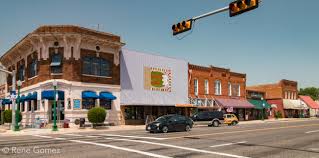
Mineola is one of Nassau County’s most important governmental and commercial centers, anchored by county agencies, the Nassau County Courts, NYU Langone Hospital—Long Island, and a rapidly modernizing downtown driven by transit-accessible development. With a major Long Island Rail Road (LIRR) hub, active mixed-use construction, and a maturing office and medical market, Mineola offers a distinctive environment for commercial general contractors navigating dense suburban redevelopment.
Recent zoning reforms, transit-oriented development incentives, and ongoing revitalization along Mineola Boulevard, Jericho Turnpike, and the Downtown Mixed-Use District have accelerated construction activity. Contractors in Mineola must manage constrained infill sites, significant pedestrian and vehicular traffic, strict architectural-review requirements, and complex utility coordination typical of high-demand Long Island commercial corridors.
Local Development Patterns and Key Commercial Drivers
Mineola’s commercial growth is fueled by several overlapping sectors:
- Medical and outpatient expansion surrounding NYU Langone and nearby specialty practices;
- Government and legal services tied to the Nassau courts and county offices;
- Transit-oriented mixed-use development driven by proximity to the LIRR Main Line and Third Track Project improvements;
- Restaurant and retail modernization along Mineola Boulevard and Jericho Turnpike;
- Office conversions and upgrades as older structures adapt to new tenant expectations.
Downtown Mineola’s TOD district has encouraged higher-density residential projects with ground-floor retail, structured parking, and public-realm enhancements, increasing demand for professional construction management and phased logistical planning.
Zoning, Permitting, and Architectural Review
Mineola’s zoning framework emphasizes compact, mixed-use development near the station area while maintaining suburban commercial forms along key arterials. The Mineola Master Plan and TOD overlays encourage pedestrian-oriented streetscapes, façade consistency, and high-quality architectural detailing.
Commercial projects often engage with:
- Village Board of Trustees for zoning changes or special permits;
- Building Department for plan review and code compliance;
- Board of Zoning Appeals for height, parking, or setback variances;
- Architectural Review Board for façade and streetscape approvals;
- SEQR environmental review for developments with traffic or drainage impacts.
Projects near the LIRR corridor may require coordination with the MTA regarding vibration control, construction timing, or proximity to rail-right-of-way boundaries.
Infrastructure and Construction Logistics
Mineola’s infrastructure reflects a mix of older utility systems and upgraded transit-oriented improvements. Construction teams frequently address:
- Limited staging space near downtown mixed-use sites;
- Traffic routing and pedestrian safety controls near the LIRR station and courthouse district;
- Coordination with PSEG Long Island for electrical upgrades;
- Drainage and stormwater retrofits in older commercial zones;
- Night or off-peak construction windows along high-traffic arterials.
Adaptive reuse of older brick and block buildings often requires structural reinforcement, upgraded elevator systems, ADA compliance improvements, and full MEP modernization—especially for medical or lab-oriented tenants.
Plescia Construction & Development in Mineola
Plescia Construction & Development brings a regionally informed, municipality-specific approach to Mineola’s evolving commercial landscape. The firm provides:
- Medical and healthcare construction including imaging suites, outpatient centers, and MEP-intensive buildouts;
- Office renovation and modernization for legal, financial, and professional spaces;
- Retail and restaurant conversions along major Mineola corridors;
- Mixed-use and multifamily ground-up support for projects in the downtown TOD district;
- Façade and envelope upgrades for aging suburban commercial buildings;
- Site improvements including drainage upgrades, parking-lot reconstruction, and utility coordination.
Plescia Construction & Development delivers integrated general contracting, construction management, and design-management services shaped by the zoning, infrastructure, and logistical realities of Mineola’s rapidly evolving commercial environment.