


Commercial General Contractor Goshen NY
Goshen, New York Commercial General Contractor
Goshen is one of Orange County’s most strategically important commercial centers, combining a historic village core, active government presence, and major regional attractions—including LEGOLAND New York—with ongoing development pressure along Route 17 and Route 17M. As both the county seat and a gateway to one of the fastest-growing corridors in the Hudson Valley, Goshen presents a unique mix of traditional village-scale redevelopment, suburban commercial growth, and large-scale tourism-driven construction.
Commercial contractors working in Goshen must navigate a layered regulatory environment, tight historic-district constraints, varied soil and drainage conditions, and complex traffic impacts associated with Route 17 (future I-86) improvements and major visitor destinations. Whether a project involves renovating a 19th-century brick structure, constructing a hospitality facility, or upgrading retail along 17M, success requires a nuanced understanding of local priorities, long-range planning initiatives, and infrastructure limitations.
Local Development Patterns and Key Commercial Zones
Goshen’s commercial landscape is defined by three interconnected submarkets:
- Historic Village Core — Characterized by preserved architecture, municipal buildings, boutique retail, and pedestrian-oriented streetscapes. Renovation projects here must respect historic integrity, architectural detailing, and village-scale zoning.
- Route 17M Corridor — Hosts suburban commercial centers, auto-oriented retail, restaurants, medical offices, and redevelopment of legacy commercial properties.
- Resort & Tourism Development Area — The region surrounding LEGOLAND New York, generating demand for hotels, service businesses, distribution, and hospitality-oriented construction.
The arrival of LEGOLAND has significantly increased regional traffic, workforce demand, and commercial activity, particularly in hospitality and food-and-beverage sectors. This has also accelerated infrastructure upgrades and stormwater-management improvements in surrounding areas.
Zoning, Historic Review, and Planning Board Requirements
Commercial projects in Goshen interact with either the Village of Goshen or the Town of Goshen, depending on location, each with its own zoning code and review processes. The Village, in particular, maintains strict architectural guidelines, especially within the Historic District. Contractors must coordinate with:
- Village Planning Board for site plan and façade changes;
- Architectural Review Board for exterior modifications;
- Town Planning Board for large commercial, retail, and hospitality developments;
- SEQR review for projects with traffic, stormwater, or environmental impacts;
- County planning input for developments along major corridors.
Goshen’s building stock—much of it predating modern codes—often requires structural reinforcement, fire-safety upgrades, ADA compliance improvements, and complete MEP modernization.
Infrastructure Constraints and Site-Work Realities
Construction in Goshen must frequently address:
- Drainage and stormwater challenges due to varied topography and clay soils;
- Traffic and access management tied to Route 17 and 17M volumes;
- Right-of-way coordination with NYSDOT for corridor developments;
- Utility capacity planning for hospitality and mixed-use projects;
- Winter construction conditions affecting concrete work and scheduling.
Commercial centers built in the 1970s and 1980s along 17M often require full exterior modernization, parking-lot reconstruction, and energy-efficient HVAC replacements. Hospitality projects near LEGOLAND may also require, at early planning stages, traffic mitigation measures such as turning-lane improvements or signal modifications.
Plescia Construction & Development in Goshen
Plescia Construction & Development brings deep Hudson Valley construction experience to Goshen’s evolving commercial environment. The firm provides:
- Historic building renovations with attention to village-scale design and preservation standards;
- Retail and restaurant construction along the 17M commercial corridors;
- Hospitality and tourism-driven projects supporting LEGOLAND-adjacent growth;
- Medical-office and professional-services buildouts aligned with county demand;
- Site-work planning and drainage strategies addressing Goshen’s topography;
- Commercial façade modernization for aging suburban centers;
- Ground-up construction for hotels, retail pads, and mixed-use structures.
With a municipality-specific approach grounded in zoning fluency, local coordination, and adaptive construction techniques, Plescia Construction & Development supports Goshen’s continued growth across its historic, suburban, and tourism-driven commercial sectors.


Retail General Contractor American Dream Mall
American Dream in East Rutherford, New Jersey is one of the largest retail and entertainment complexes in the Western Hemisphere. Set in the Meadowlands beside MetLife Stadium, it combines luxury retail with theme parks, a water park, an indoor ski slope, and more — and construction there demands a general contractor who can manage retail, entertainment, and high-occupancy work at scale, on schedule, and in full compliance.
Building at American Dream is unlike a typical mall project. The complex blends experiential retail with major attractions, which raises the bar on mechanical, electrical, plumbing, and life-safety systems, high-occupancy code, and phasing around an operating, high-traffic destination. Its Meadowlands location also brings the oversight of the New Jersey Sports and Exposition Authority and the Borough of East Rutherford.
At Plescia Construction and Development, we provide comprehensive general contracting and construction management for retail and entertainment projects throughout New Jersey, including American Dream.
Construction in the Meadowlands and East Rutherford
Development at American Dream runs through the New Jersey Sports and Exposition Authority and East Rutherford's permitting and inspection processes, alongside the complex's own property-management standards for work hours, deliveries, insurance, and safety. We coordinate early with these authorities and with on-site management to keep build-outs compliant and on schedule in a destination that draws millions of visitors.
Retail and Entertainment Build-Outs at Scale
American Dream's tenants range from flagship and luxury retail to restaurants, attractions, and experiential venues, each with demanding design, MEP, and finish requirements. We deliver custom storefronts, specialty lighting, high-end millwork and finishes, and the mechanical and life-safety systems that large-format and high-occupancy spaces require, managing long-lead procurement and trade coordination to protect opening dates.
Logistics for an Operating Megacomplex
Working inside a live entertainment and shopping destination means tight control of staging, deliveries, barricades, and after-hours work to protect guests and neighboring tenants. We plan phasing and logistics realistically and keep life-safety systems live throughout, so construction never compromises the experience around it.
A Single Point of Accountability
From flagship storefronts to restaurant and entertainment build-outs, Plescia delivers retail construction at American Dream with realistic schedules, transparent budgets, and the logistics discipline a complex of this scale demands. Owners, tenants, and property management work through one team that owns the schedule, the budget, and the safety plan, not a chain of subcontractors pointing at each other.

Commercial General Contractor White Plains
White Plains, New York Commercial General Contractor
White Plains is the economic and governmental center of Westchester County, with one of the most active development pipelines in the New York metro area outside of New York City. Its dense downtown core, high-rise zoning allowances, robust office market, growing residential towers, and extensive retail corridors create a sophisticated and highly regulated environment for commercial construction. For general contractors, White Plains demands an ability to navigate large-scale urban redevelopment, complex permitting, sustainability requirements, and multi-phase construction logistics.
White Plains Development Landscape
The city’s recent transformation is driven by mixed-use high-rise projects, office-to-residential conversions, revitalized retail districts, and major institutional expansions. Much of this activity is concentrated around the Transit District, Mamaroneck Avenue, Westchester Avenue, and the Court Street corridor, where developers are leveraging TOD (transit-oriented development) policies and long-range planning goals.
Commercial demand is fueled by:
- A strong daytime office population centered around legal, finance, and medical sectors;
- Courthouse activity drawing law firms and professional service tenants;
- Mixed-use demand with ground-floor commercial anchored by growing residential density;
- Institutional investment from healthcare and higher education providers;
- Retail repositioning as older centers adapt to experiential and service-oriented tenants.
Zoning, Permitting, and Environmental Oversight
White Plains operates one of the most sophisticated zoning and review systems in the region. Height allowances in portions of Downtown Zoning Districts permit towers exceeding 20–30 stories, but require detailed architectural review, traffic mitigation, and sustainability measures. The city’s Comprehensive Plan and Transit District Study set expectations for streetscape design, multimodal circulation, and pedestrian-first development.
Key regulatory considerations include:
- Form-based design criteria for downtown and mixed-use zones;
- Green-building and energy-efficiency requirements aligned with state climate goals;
- SWPPP and SPDES compliance for large-scale redevelopment sites;
- Traffic and parking studies mandated for high-density projects;
- Historic-resource review where redevelopment affects older structures.
Office-to-residential conversions—one of the city’s most active project types—require careful evaluation of mechanical capacities, egress pathways, structural adaptability, and utility upgrades, especially in towers built between 1960 and 1985.
Construction Logistics and Downtown Constraints
White Plains’ dense grid demands advanced planning for staging, crane operations, street closures, and pedestrian routing. Many parcels abut active retail, residential towers, or parking structures, requiring detailed sequencing and coordination with city engineering, public safety, and neighboring property owners.
Common logistical challenges include:
- Limited laydown areas requiring just-in-time delivery;
- Night and off-peak construction windows near major intersections and transit corridors;
- Utility coordination with Con Edison for electrical, gas, and steam loads;
- Crane and hoist permitting for mid- and high-rise construction;
- Noise and vibration mitigation for sensitive neighbors including hotels, medical facilities, and schools.
Projects near the Transit District often require additional coordination with the MTA/Metro-North for rail-adjacent safety planning and structural review.
Plescia Construction & Development in White Plains
Plescia Construction & Development supports White Plains’ evolving commercial landscape with services tailored to complex urban redevelopment. The firm provides:
- High-rise and mid-rise construction management for mixed-use, office, and residential conversions;
- Retail and restaurant buildouts in high-traffic corridors including Mamaroneck Avenue and Westchester Avenue;
- Office modernization including amenity upgrades, lobby renovations, and corporate fit-outs;
- Medical and institutional construction aligned with regional healthcare expansion;
- Façade, envelope, and structural upgrades for aging commercial buildings;
- Site planning and utility coordination for constrained downtown parcels.
With a track record across Westchester and the New York metro, Plescia Construction & Development delivers strategic, feasibility-driven construction solutions designed for the complexity of White Plains’ market.

Commercial General Contractor Ulster County
Ulster County, New York Commercial General Contractor
Ulster County is one of the most diverse and rapidly evolving commercial construction environments in the Hudson Valley. With a mix of historic urban centers, college-driven economic activity, rural hamlets, legacy industrial corridors, and growing tourism and hospitality markets, the county presents a unique blend of development opportunities and regulatory complexity. Commercial projects must balance design sensitivity, environmental protection, and community expectations—particularly in municipalities that prioritize historic preservation, ecological stewardship, and careful growth management.
The county’s commercial hubs—Kingston, New Paltz, Saugerties, Highland, Woodstock, Marlboro, and Ellenville—each operate with distinct development patterns, architectural requirements, and zoning frameworks. Kingston’s historic Stockade and Rondout districts require context-sensitive design and coordination with preservation guidelines; New Paltz’s growth is shaped by SUNY-related demand and Main Street walkability goals; and the Route 9W corridor from Highland through Marlboro supports retail, logistics, and light industrial facilities aligned with regional distribution networks.
Commercial developers and tenants are increasingly investing in adaptive reuse, hospitality construction, mixed-use redevelopment, food-and-beverage production facilities, and light industrial spaces supporting craft manufacturing and distribution. These project types require careful navigation of local code requirements, planning-board processes, environmental reviews, and complex site-engineering needs shaped by the county’s varied topography and hydrology.
This long-form overview provides a deep, white-paper-level analysis of the forces shaping commercial development in Ulster County—including economic drivers, zoning patterns, SEQR obligations, environmental constraints, infrastructure considerations, and geotechnical realities—along with Plescia Construction & Development’s approach to delivering high-performance commercial projects in the Hudson Valley.
Economic Drivers, Submarkets, and Major Commercial Corridors
Ulster County’s commercial landscape is shaped by a mix of institutional anchors, tourism-driven economies, historic revitalization efforts, and strategic transportation corridors. While less densely developed than counties to the south, Ulster is experiencing steady commercial growth tied to population migration from New York City, the expansion of remote work, and increasing demand for hospitality, light industrial capacity, and village-centered retail environments. Understanding the dynamics of each submarket is essential for feasible site selection, project phasing, and cost modeling.
Kingston: The County’s Commercial and Institutional Core
Kingston—the first capital of New York State and Ulster’s largest urban center—contains the county’s most diverse commercial submarkets, each with unique development considerations:
- Uptown Stockade District: A historic district with strict design guidelines, dense walkability, and limited parking supply. Projects here often involve adaptive reuse, façade restoration, structural reinforcement, and sensitive streetscape integration, particularly under local preservation oversight.
- Midtown Industrial and Creative Corridor: A blend of legacy manufacturing buildings, maker spaces, arts organizations, and new production facilities. Many projects require structural retrofits, environmental remediation, and modernization of aging utilities.
- Downtown Rondout Waterfront: A revitalized hospitality and retail district where floodplain constraints, shoreline stabilization, and parking demand strongly influence project feasibility.
Kingston’s ongoing comprehensive planning efforts—documented through resources such as the city’s long-range comprehensive plan and waterfront strategies—continue to emphasize mixed-use density, multimodal transportation, and adaptive reuse of historic assets.
New Paltz and the SUNY-Driven Development Pattern
New Paltz’s commercial growth is heavily influenced by SUNY New Paltz, one of the region’s largest educational institutions. Demand for restaurants, student-oriented retail, apartments, coworking spaces, and small-format medical facilities has driven ongoing investment along Main Street, South Putt Corners Road, and North Chestnut Street.
Key development factors include:
- Walkability and streetscape design mandated by the village and town zoning codes;
- Traffic-management requirements near campus and major intersections;
- Architectural integration with village-scale design frameworks;
- Commercial reuse of older buildings requiring structural, MEP, and egress upgrades.
Developers and contractors must navigate coordinated review between the Village Planning Board and Town of New Paltz, depending on project location.
Saugerties: Retail, Tourism, and Industrial Flex Development
Saugerties features a suburban-style commercial corridor along Route 212 and a dense, character-rich village center that attracts tourism, dining, and small hospitality projects. The Kings Highway industrial area offers opportunities for logistics, distribution, warehousing, and light manufacturing, benefiting from proximity to I-87 access points.
Development drivers include:
- Growth in small-scale hospitality, boutique accommodations, and food-and-beverage facilities;
- Reinvestment in village storefronts and mixed-use buildings;
- Expansion of industrial buildings supporting regional logistics;
- Demand for flexible manufacturing space in converted legacy buildings.
Highland & Marlboro: Route 9W Logistics and Retail Corridor
The Route 9W corridor provides one of Ulster County’s most active commercial environments. With direct access to Newburgh, Dutchess County, and the Mid-Hudson Bridge, the corridor supports a blend of big-box retail, service-based businesses, restaurants, and logistics facilities.
Development considerations along 9W often include:
- Traffic engineering and access management to meet NYSDOT requirements;
- Stormwater retrofits for older retail plazas with large impervious areas;
- Upgrades to aging façades, parking fields, and pedestrian environments;
- Opportunities for pad-site development in underutilized parking areas;
- Integration of mixed-use elements in transition zones near residential neighborhoods.
Woodstock, Phoenicia, and Mountain/Hamlet Communities
Ulster’s western towns—Woodstock, Phoenicia, Shokan, and Olive—feature small-scale commercial districts, boutique inns, arts venues, and destination restaurants. Projects must address sensitive aesthetic requirements, limited road/utility capacity, and environmental constraints associated with Catskill Park and watershed protection rules.
Commercial projects in these hamlets typically involve:
- Adaptive reuse of older structures;
- Hospitality upgrades, restaurant retrofits, and expansion of service facilities;
- Village-scale infill projects with strict façade and material guidelines;
- Coordination with county-level planning and watershed regulations.
Together, these submarkets create a highly diverse development environment requiring tailored construction strategies and a deep understanding of local regulatory processes.
Environmental, Zoning, SEQR, and Infrastructure Constraints
Ulster County contains some of the most environmentally sensitive landscapes in New York State. From the Ashokan Reservoir watershed to the flood-prone commercial districts along the Esopus Creek, Rondout Creek, and Wallkill River, commercial development requires rigorous environmental due diligence and multi-agency coordination. Unlike downstate suburban counties, Ulster’s environmental constraints often determine a project’s fundamental feasibility long before architectural design begins.
Most substantial commercial projects must navigate the State Environmental Quality Review Act (SEQR), administered through both municipal and county planning bodies. SEQR reviews in Ulster tend to be comprehensive, reflecting community priorities around watershed protection, scenic resources, traffic impacts, and ecological preservation. Municipalities frequently require supplemental analysis or design modifications to reduce impacts on streams, wetlands, steep slopes, and adjacent residential areas.
Floodplain and Hydrological Constraints
Major portions of Kingston, Saugerties, New Paltz, Highland, and Ellenville include FEMA-designated flood zones. These constraints affect feasibility for hospitality, retail, industrial, and mixed-use projects. Development near inland water bodies requires attention to:
- Base flood elevation (BFE) requirements for new structures and substantial improvements;
- Dry- and wet-floodproofing strategies for commercial spaces where elevation is not practical;
- Design integration with natural drainage patterns along the Esopus, Rondout, and Wallkill corridors;
- NYSDEC permitting for disturbances within designated riparian buffers and mapped wetlands;
- Stormwater retrofits aligned with New York State SPDES requirements.
In older downtowns—including Kingston’s Rondout district—stormwater infrastructure predates modern capacity requirements, necessitating underground detention, green infrastructure, and phased tie-ins.
Catskill Park, Watershed Protection, and Scenic Resource Regulations
Ulster County’s western municipalities border the Catskill Forest Preserve and fall within watershed protection zones managed by the NYC Department of Environmental Protection (DEP). Even projects far from the Ashokan Reservoir may face:
- DEP review for stormwater, wastewater, and impervious-surface calculations;
- Limits on disturbance to steep slopes and forested acreage;
- Viewshed protection standards for developments visible from scenic byways or elevated terrain;
- Special design requirements for commercial uses generating significant wastewater or water demand.
These requirements heavily influence site planning for hotels, restaurants, event venues, production kitchens, and multifacility commercial developments.
Zoning Complexity Across Towns, Villages, and Hamlets
While Ulster County’s overall density is low compared to downstate markets, its zoning landscape is highly fragmented. Nearly every town and village maintains unique standards for height, signage, parking, uses, and design, requiring detailed analysis early in the development process. Additionally, many communities enforce:
- Architectural review boards (ARBs) in areas such as Kingston’s Stockade District and parts of Saugerties and Woodstock;
- Form-based codes or hybrid zoning models emphasizing walkability and village character;
- Special overlay districts regulating floodplains, drinking-water recharge areas, and scenic corridors;
- Strict limits on drive-thru uses in walkable zones near New Paltz and Woodstock;
- Cluster requirements for commercial development near mixed-use or residential edges.
Contractors must also coordinate with the Ulster County Planning Board, which provides mandatory review for projects of regional significance—especially those affecting traffic, watershed resources, or county roads.
Infrastructure Capacity and Utility Variation
One of Ulster County’s defining commercial challenges is inconsistent infrastructure capacity. While Kingston, New Paltz, and Saugerties have municipal water and sewer, many of the county’s commercial zones rely on:
- Private wells and septic systems with limited capacity for high-occupancy or food-service uses;
- Small-scale wastewater treatment facilities requiring upgrades for mixed-use or hospitality projects;
- Electric-grid constraints in rural areas where upgrades may require coordination with Central Hudson;
- Limited gas availability outside village centers, affecting restaurant and industrial design;
- Variable roadway capacity on county and state highways, requiring NYSDOT access permits and traffic studies.
Infrastructure readiness often dictates which sites are feasible for hotels, medical facilities, restaurants, distilleries, and production-oriented commercial tenants. Early contractor involvement is essential for anticipating costs associated with utility upgrades, roadway improvements, and stormwater retrofits.
Geotechnical Conditions and Site Engineering Challenges
Ulster County’s geology varies dramatically across short distances, creating significant implications for commercial foundation design, site preparation, and stormwater engineering. The county’s terrain includes bedrock uplands, glacial till, alluvial floodplains, and areas of highly variable soil depth—conditions that frequently demand advanced geotechnical analysis before a commercial project can proceed.
In many commercial corridors, particularly near New Paltz, Highland, Kingston’s Rondout district, and Saugerties’ Esopus-adjacent zones, contractors encounter:
- Shallow bedrock that restricts excavation depth, increases blasting costs, or requires redesigns of utility routing and stormwater detention systems;
- Deep, silty alluvium in floodplain areas where foundation design must address settlement risk and fluctuating groundwater levels;
- High groundwater conditions near the Wallkill, Rondout, and Esopus Creek corridors, requiring sump systems, underdrains, and foundation waterproofing;
- Glacial till soils with inconsistent bearing capacity, increasing the need for over-excavation, soil stabilization, or engineered fill;
- Limited infiltration capacity in areas adjacent to watershed-protected zones where stormwater design must balance infiltration targets with practical soil limitations.
For commercial renovations—especially adaptive reuse of legacy industrial buildings—latent conditions such as undocumented fill, poor subgrade compaction, or buried debris are common. These factors can significantly alter project budgets and schedules unless identified early through borings, test pits, and engineering review.
Community Review, Public Engagement, and Architectural Standards
Public participation is central to commercial development in Ulster County. Many municipalities prioritize design quality, environmental stewardship, and compatibility with village-scale development. As a result, public hearings for commercial projects often draw significant feedback regarding traffic, architectural character, noise, viewsheds, and ecological impacts.
Communities such as Kingston, New Paltz, Woodstock, and Saugerties frequently require adherence to:
- Architectural Review Board (ARB) standards governing façade design, material selection, signage, lighting, and streetscape elements;
- Historic district requirements—especially in Kingston’s Stockade District—requiring historically sympathetic proportions, fenestration, and materials;
- Dark-sky lighting policies applicable in hamlet-scale districts and rural areas;
- Noise and operational impact limits for hospitality, restaurants, breweries, and live-event venues;
- Pedestrian-oriented design mandates in village centers such as New Paltz, Woodstock, and parts of Saugerties.
Contractors operating in Ulster County must be prepared for iterative design review processes, community input sessions, and close collaboration with municipal planners. Successful commercial projects in the region typically include context-sensitive architecture, robust landscape buffers, and circulation plans that mitigate traffic concerns.
Plescia Construction & Development’s Approach in Ulster County
Plescia Construction & Development applies a highly localized project-delivery model adapted to the regulatory, environmental, and logistical conditions unique to Ulster County. The firm’s work across the Hudson Valley emphasizes feasibility-driven planning, early engineering involvement, and phased construction strategies that address both community expectations and physical site constraints.
Urban and Historic-Core Redevelopment (Kingston)
- Adaptive reuse and structural modernization of historic buildings in Uptown and Rondout;
- MEP upgrades, fire-suppression retrofits, and code compliance for legacy commercial properties;
- Streetscape integration and façade restoration aligned with preservation guidelines;
- Construction logistics planning for tight, pedestrian-oriented downtown environments.
Institutional, Hospitality, and Mixed-Use Development (New Paltz)
- Restaurant, retail, and hotel construction supporting SUNY-related demand;
- Adaptive reuse of older storefronts along Main Street and North Chestnut;
- Phased construction to minimize disruption in high-traffic corridors;
- Walkability-focused design and coordination with Village/Town planning boards.
Tourism, Arts, and Boutique Hospitality (Woodstock, Phoenicia, Accord)
- Ground-up and renovated hospitality projects, boutique hotels, event spaces, and destination dining;
- Site planning sensitive to scenic viewsheds, natural features, and rural village form;
- Energy-efficient design, green building integration, and environmentally sensitive construction methods;
- Infrastructure expansion for water, wastewater, and stormwater systems serving high-occupancy uses.
Industrial, Flex, and Logistics Projects (Saugerties, Highland/Marlboro 9W Corridor)
- Modernization of legacy industrial stock, including structural retrofits and MEP upgrades;
- New warehouse and flex-industrial facilities addressing regional supply-chain demand;
- Site design for truck circulation, loading docks, and logistics efficiencies;
- Stormwater retrofits for large impervious sites transitioning from older retail or industrial uses.
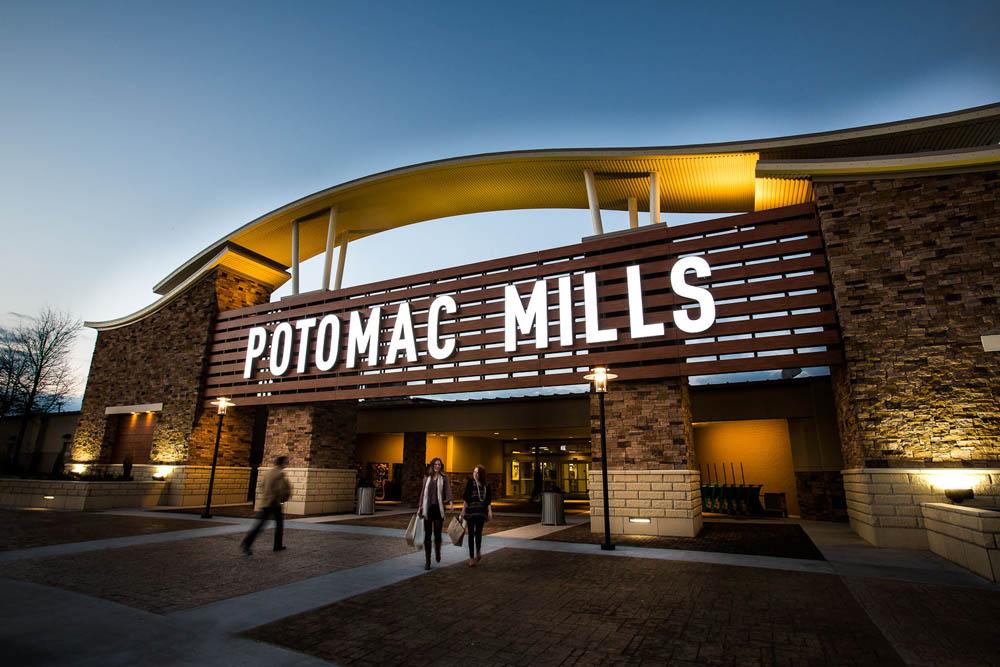
Retail General Contractor Potomac Mills Mall
Reliable Commercial Construction at Potomac Mills Mall
Potomac Mills Mall sees heavy daily traffic, requiring precise scheduling and efficient construction. Plescia Construction ensures smooth project execution in all areas.
Local Construction Challenges
Construction in Potomac Mills must address parking logistics, pedestrian safety, and nearby Route 234 congestion. (Prince William County Planning) Projects comply with county building codes and accessibility standards. (Virginia Building Codes) Tight retail corridors require careful staging and scheduling to avoid shopper disruption during peak hours.
Commercial Construction Services at Potomac Mills
Plescia Construction specializes in:
-
Retail store build-outs and renovations
-
Restaurant and food court construction
-
Mixed-use commercial tenant improvements
-
Fast-track interior projects
-
High-end interior renovations
Clear communication, structured scheduling, and coordinated subcontractors ensure efficient project delivery.
Local Supplier and Neighborhood Coordination
We partner with trusted suppliers including Northern Virginia Lumber, Fairfax Steel Supply, and local hardware providers. Proximity to Route 234, I-95, and nearby business parks ensures timely material delivery.
Projects in main mall corridors and peripheral areas require precise traffic and pedestrian coordination to minimize disruption.
Construction Management Expertise
Plescia Construction delivers:
-
On-time, on-budget project completion
-
Coordination with inspectors and permitting agencies
-
Efficient logistics in high-traffic retail environments
-
Risk mitigation for seasonal weather and peak shopping events
Our structured management approach ensures Potomac Mills projects stay on schedule and within budget.
Start Your Potomac Mills Project
For retail, restaurant, or mixed-use construction at Potomac Mills Mall, contact:
Info@Plescia-CD.com
Plescia Construction provides reliable, efficient, and expert commercial construction services throughout Potomac Mills Mall and surrounding Prince William County areas.

Commercial General Contractor South Jersey
For businesses in South Jersey, Plescia Construction provides reliable commercial construction services tailored to local market demands and regulations.
Why South Jersey is a Key Market
South Jersey has a diverse economy with strong commercial, retail, industrial, and mixed-use growth in Camden, Cherry Hill, and Mount Laurel.
-
Camden Waterfront Redevelopment – Ongoing projects transform the waterfront into retail, office, and mixed-use space. (camdenwaterfront.com)
-
Cherry Hill Commercial Growth – Office, retail, and lifestyle centers expand, meeting local and regional demand. (cherryhillnj.gov)
-
Industrial & Logistics Expansion – South Jersey warehouses and distribution centers grow near major highways and ports. (southjerseybiz.com)
These trends create opportunities for contractors capable of delivering modern commercial projects efficiently.
Plescia Construction Services in South Jersey
-
New Office & Commercial Buildings – Construct Class A office buildings, corporate campuses, and administrative facilities with modern finishes.
-
Tenant Fit-Outs & Interior Build-Outs – Customize offices, medical facilities, retail, and professional suites with IT, HVAC, lighting, and ADA compliance.
-
Retail & Restaurant Construction – Build or renovate retail centers, restaurants, and lifestyle spaces for high-traffic areas.
-
Mixed-Use Development – Integrate office, residential, retail, and amenities for urban and suburban projects.
-
Industrial, Flex & R&D Facilities – Construct or adapt warehouses, industrial spaces, and research or lab-ready facilities.
-
Infrastructure & Site Work – Parking, utilities, loading docks, landscaping, and traffic coordination for complex projects.
Local Considerations for South Jersey Projects
Zoning & Permitting
Municipalities require zoning compliance, stormwater management, and permits for all commercial and industrial projects. (nj.gov)
Redevelopment & Adaptive Reuse
Older office, retail, and industrial properties often require renovation or repurposing to meet modern commercial standards. (southjersey.com)
Supplier & Subcontractor Coordination
We collaborate with local concrete, steel, masonry, HVAC, plumbing, and electrical suppliers familiar with South Jersey building codes.
Market Trends
South Jersey demand is strong for office, retail, industrial, and mixed-use developments near urban centers and major transportation corridors. (nj.com)
Why Plescia Construction is the Right Partner
-
Full-Service Expertise – Ground-up construction, interior fit-outs, adaptive reuse, and mixed-use projects.
-
Local Market Knowledge – South Jersey zoning, permitting, and redevelopment trends guide every project.
-
Experienced Project Management – Coordinating multi-building, mixed-use, or industrial projects with local suppliers efficiently.
-
Responsive Regional Support – Timely oversight, procurement, and execution for all South Jersey projects.
For commercial construction projects in South Jersey — offices, retail, industrial, or mixed-use — contact PlesciaNJ@Plescia-CD.com.
Plescia Construction delivers expertise, local insight, and high-quality construction for modern South Jersey commercial projects.

Commercial General Contractor Hollywood Florida
Hollywood, Florida Commercial General Contractor
Hollywood, Florida is a major commercial center in southeastern Broward County, shaped by its coastal environment, rapidly redeveloping downtown core, aging commercial corridors, and a strong tourism-driven economy. Commercial general contractors operating in Hollywood must navigate a challenging mix of coastal building standards, flood-zone requirements, zoning overlays, environmental protections tied to the Intracoastal Waterway, and multi-stage permitting processes that involve both the City of Hollywood and Broward County.
Coastal Building Regulations & Flood Zone Requirements
Hollywood includes extensive coastal and near-coastal zones, creating heightened regulatory oversight for commercial projects. Contractors must be prepared for:
- FEMA flood zone compliance (AE, VE, and Coastal High Hazard Areas)
- Elevated finished floor requirements and mechanical equipment platforms
- Dry floodproofing and wet floodproofing strategies depending on occupancy type
- Stormwater system design that meets both municipal and county-level standards
- Additional coastal construction criteria for properties east of the Intracoastal
These requirements significantly influence structural engineering, underground utilities, and site-planning decisions.
Hurricane-Resistant Construction Standards
Hollywood lies within Florida’s High Velocity Hurricane Zone (HVHZ), one of the most demanding building-code environments in the country. Commercial contractors must integrate:
- Impact-resistant storefront and window systems
- High-wind structural design in compliance with Broward County amendments
- Roof uplift-resistant assemblies
- Envelope hardening strategies to protect against water intrusion
- Backup power systems for critical-use facilities
Lead times for impact-rated systems and reinforced assemblies should be factored into preconstruction and procurement schedules.
Zoning Overlays, Downtown Redevelopment, & Growth Trends
Hollywood’s zoning landscape is defined by its mix of coastal zones, suburban commercial districts, and major redevelopment initiatives. Key considerations include:
- Hollywood Downtown District Master Plan, which emphasizes mixed-use, pedestrian mobility, and higher-density development
- Design and façade requirements for buildings near Young Circle and Hollywood Boulevard
- Corridor redevelopment efforts on US-1 and Federal Highway
- Height and density allowances that vary across the CRA boundaries
- Incentives for redevelopment provided by the Hollywood CRA
Office, hospitality, medical, and multifamily projects continue to reshuffle land uses throughout major nodes.
Environmental Review & Intracoastal Impact Considerations
Hollywood’s proximity to coastal waterways requires environmental oversight for many commercial projects. Contractors often must address:
- Environmental Resource Permits for projects near wetlands or mangroves
- Water quality protections during sitework and foundation phases
- Shoreline stabilization requirements for waterfront properties
- Coral reef protection zones for offshore construction impacts
Coordination with the South Florida Water Management District (SFWMD) and state-level agencies may be required.
Permitting & Multi-Agency Coordination
Commercial permitting in Hollywood requires navigation across several departments. Common permit stakeholders include:
- Hollywood Building Division (building, electrical, mechanical, plumbing)
- Planning & Urban Design for zoning, site plans, and architectural review
- Broward County Environmental Protection & Growth Management
- SFWMD for stormwater and environmental compliance
- Hollywood Fire Marshal for life-safety review
- FDOT when projects influence state-managed corridors such as Hollywood Blvd.
Given Hollywood’s redevelopment surge, permitting timelines can lengthen without early coordination.
Construction Logistics, Utilities, & Site Constraints
Hollywood’s development pattern creates logistical complications that commercial contractors must anticipate:
- Limited staging areas in the Downtown and Hollywood Beach districts
- High water table requiring dewatering or alternative foundation design
- Traffic congestion near I-95, Hollywood Boulevard, and Sheridan Street
- Utility coordination with FPL, natural gas, fiber, and WASD
- Seasonal tourist activity that affects delivery windows near the beach
Detailed sequencing, off-hours deliveries, and phased construction plans are critical in heavily developed corridors.
Key Resources
- City of Hollywood
- Broward County
- South Florida Water Management District
- Florida Building Code
- Engineering News-Record
Plescia Construction & Development Services
Plescia Construction & Development supports Hollywood’s growing commercial market with comprehensive services, including:
- General Contracting
- Construction Management
- Commercial Development
- Design Management
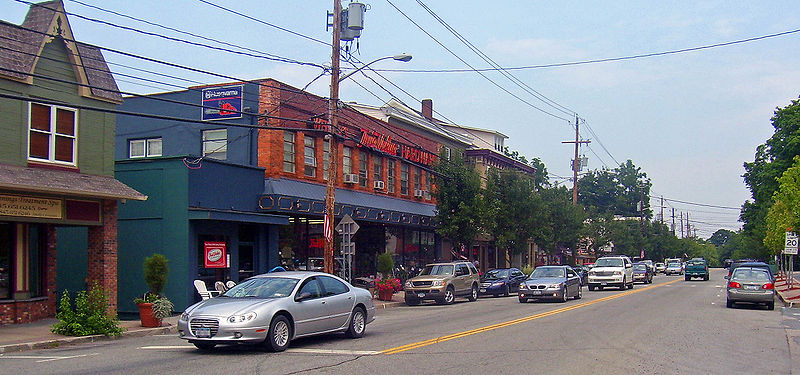
Commercial General Contractor Orange County NY
Orange County, New York Commercial General Contractor
Orange County, New York—located at the northern edge of the New York metropolitan region—has become one of the state’s most active arenas for commercial development. Its strategic position along major transportation corridors, expanding logistics and warehousing hubs, ongoing hospital and institutional expansions, and redevelopment of former industrial sites have created strong demand for sophisticated commercial general contractors. Unlike the dense urban challenges of New York City, Orange County’s development landscape blends suburban, semi-rural, and small-city conditions, each requiring distinct construction strategies.
Regional Growth Drivers and Economic Development Framework
Orange County’s economic trajectory has been shaped by its central role in regional freight movement and its proximity to New York City. The Orange County Office of Economic Development outlines long-term growth in logistics, distribution, healthcare, manufacturing, and tourism. With access to Interstates 84 and 87, Stewart International Airport, and freight rail infrastructure, the county has become a major logistics destination for national brands.
Municipalities such as Newburgh, Middletown, Montgomery, Warwick, and Goshen have implemented zoning and planning updates to attract commercial investment, often encouraging redevelopment of vacant industrial properties, improvement of aging commercial corridors, and adaptive reuse of older structures. These municipal frameworks guide everything from allowable uses to building massing and traffic-impact mitigation.
Logistics, Warehousing, and Industrial Facilities
One of the most significant construction drivers in Orange County is the rapid expansion of warehousing, fulfillment centers, and industrial operations. Towns such as Montgomery, Wallkill, Goshen, and New Windsor host large campus-style industrial parks anchored by national distribution centers.
Commercial general contractors working in these areas must deliver:
- High-bay warehouse structures with clear heights from 36’ to 50’;
- ESFR fire suppression systems and high-capacity water infrastructure;
- Heavy-duty pavement, truck circulation planning, and staging areas;
- Cold-storage facilities requiring specialized insulation and mechanical systems;
- Advanced electrical distribution for automation and conveyor systems.
Because many sites are adjacent to wetlands, streams, or farmland, environmental permitting plays a major role. Coordination with the New York State Department of Environmental Conservation (NYSDEC) is common, particularly for stormwater pollution prevention (SWPPP), wetland buffers, water-quality controls, and site-disturbance regulations.
Healthcare and Institutional Development
Orange County’s medical and educational sectors have grown significantly, particularly around Middletown, Newburgh, and Warwick. Projects include expansions of hospitals, outpatient facilities, rehabilitation centers, and specialized treatment spaces. These buildings require strict adherence to New York State Department of Health codes, advanced HVAC and infection-control systems, and complex phasing strategies to maintain uninterrupted operations.
Institutional work often includes:
- Laboratory and diagnostic spaces;
- Behavioral-health facilities;
- Campus infrastructure improvements;
- Energy upgrades and sustainability retrofits;
- Accessibility and life-safety enhancements.
Redevelopment of Former Industrial and Commercial Sites
Many Orange County municipalities are actively converting former mills, factories, and industrial lots into mixed-use commercial destinations. Projects in Newburgh’s waterfront district, Middletown’s historic downtown core, and parts of Port Jervis and Goshen increasingly focus on adaptive reuse to support new retail, office, food-and-beverage, hospitality, and cultural uses. These developments often require:
- Structural reinforcement and selective demolition;
- Envelope upgrades and façade restoration;
- Environmental remediation under NYS Brownfield programs;
- Installation of new utility infrastructure;
- Preservation coordination for historic elements.
Commercial Corridors and Small‑City Revitalization
Orange County’s commercial landscape is shaped by a network of small cities and towns—each with unique zoning frameworks, redevelopment priorities, and infrastructure conditions. Municipalities such as Newburgh, Middletown, Port Jervis, Goshen, Warwick, Chester, and Cornwall are increasingly focused on strengthening downtown commercial districts through targeted revitalization plans, façade improvement programs, and adaptive reuse of historic building stock.
For example, the City of Newburgh’s long‑term strategies, described in planning documents and redevelopment initiatives associated with the Orange County Planning Department, emphasize walkability, mixed‑use development, and rehabilitation of vacant or underused commercial buildings—particularly those located near the waterfront and Broadway corridor.
Middletown’s commercial revitalization has been driven by zoning updates, downtown-redevelopment incentives, and investment around the Paramount Theatre and medical facilities. Retail and restaurant spaces often require extensive MEP upgrades, accessibility improvements, selective demolition, and façade rehabilitation—common themes across older small‑city building stock in the county.
Infrastructure Constraints and Utility Coordination
Infrastructure is a defining factor for commercial construction in Orange County. Many areas were originally developed with limited water pressure, aging sewer lines, or partial stormwater systems. As commercial uses intensify, particularly in logistics-heavy municipalities like Montgomery and Wallkill, contractors must coordinate with:
- Local water and sewer authorities for line capacity, flow rates, and tie‑in approvals;
- NYCDEP in watersheds affecting New York City’s drinking water supply;
- Orange County DPW for roadway modifications and drainage requirements;
- Utility providers for electrical capacity, gas service, and telecommunications infrastructure.
In communities experiencing rapid industrial development, upgrades to water mains, booster stations, stormwater detention, and roadway networks are often required as part of commercial projects. Developers may need to fund or partially fund off‑site improvements, especially when projects exceed existing utility capacity.
Environmental, Wetland, and Topographical Constraints
Much of Orange County contains environmentally sensitive land—including wetlands, forested slopes, streams, and farmland. As a result, commercial developments frequently require coordination with the NYSDEC permitting process for:
- Wetland delineation and buffer requirements;
- Stream‑crossing or drainage improvements;
- Stormwater Pollution Prevention Plans (SWPPP);
- Erosion and sediment control programs;
- Tree‑clearing limitations and habitat protection measures.
Topography is another major factor. Construction sites in Cornwall, Warwick, and parts of Goshen and Chester often sit on steep slopes or rolling farmland, requiring significant earthwork, retaining walls, stormwater basins, and geotechnical stabilization strategies. These conditions play a major role in determining building placement, structural design, grading plans, and overall project feasibility.
Municipality‑by‑Municipality Development Profiles
Newburgh
Newburgh offers some of the county’s most significant adaptive reuse opportunities. With a large inventory of historic buildings and proximity to the Hudson River, redevelopment focuses on repurposing former industrial structures, renovating multi‑story commercial buildings, and incorporating mixed‑use programming. Brownfield remediation and historic‑preservation coordination are common.
Middletown
Middletown’s commercial development is driven by institutional expansions, hospital‑related construction, and revitalization of its walkable downtown core. Upgrading aging utilities, adding ADA access, and improving building envelopes are frequent components of commercial projects here.
Goshen
Goshen balances courthouse‑district development, suburban commercial uses along Route 17M, and the presence of LEGOLAND New York. Roadway capacity, peak‑season traffic management, and large‑scale stormwater systems are major considerations.
Warwick
Warwick’s zoning and aesthetic guidelines emphasize contextual design, making it one of the most sensitive municipalities for commercial construction. Historic character, streetscape cohesion, and landscaping requirements heavily influence building massing and materials.
Chester
Chester hosts a mix of logistics facilities and traditional suburban commercial developments. Utility‑capacity constraints, especially in water and sewer, often shape the scale and density of projects.
Cornwall & Cornwall‑on‑Hudson
With limited commercial land and strong environmental protections, these communities require meticulous site planning—particularly where steep slopes and water resources are involved.
Transportation Networks, Freight Movement, and Highway Constraints
Orange County’s commercial development is deeply shaped by its network of highways, regional connectors, and freight corridors. Interstates I‑84 and I‑87 form the backbone of regional logistics, linking distribution centers with the New York City metro area, New England, and Pennsylvania. The planned conversion of Route 17 into Interstate 86, a long-discussed infrastructure upgrade referenced in various NYSDOT studies, is expected to influence commercial site selection by improving regional throughput and reducing congestion on key commercial corridors.
Commercial contractors must plan around:
- Peak-hour congestion on Route 17 near Woodbury, Harriman, and Goshen;
- Truck-weight and turning-radius limits in village centers;
- Delivery-window restrictions in dense commercial areas;
- Bridge-clearance constraints near Newburgh and Port Jervis;
- High-traffic tourism seasons in Warwick, Goshen, and Cornwall.
For distribution centers and industrial projects, truck routing, queuing areas, and on-site circulation require careful integration with municipal and county traffic-mitigation plans. Many projects near interchanges require traffic-impact studies and coordination with NYSDOT and local planning boards.
Freight, Logistics, and Supply Chain Considerations
Orange County’s position at the intersection of major Northeast freight routes makes it a hub for warehousing, supply-chain operations, and cross-docking facilities. Stewart International Airport (SWF) supports cargo operations, and rail-served sites in Newburgh and Montgomery offer competitive advantages for manufacturers and distribution centers. Proximity to the Hudson River also provides opportunities for maritime-supported logistics in select locations.
For commercial general contractors, this translates into the need for:
- Large-span structures for racked storage and automated systems;
- High-capacity utilities, including redundant power and enhanced fire flow;
- Specialty flooring with hardened slabs and vapor remediation layers;
- Cold-chain infrastructure for food and pharmaceutical distribution;
- Advanced loading-dock design with multiple dock positions and trailer storage.
Supply-chain resilience is also shaping project schedules. Material-lead-time variability for steel, mechanical equipment, switchgear, and specialty components requires early procurement strategies, construction management-at-risk models, and phased delivery approaches.
Labor Market Conditions and Contractor Selection
Orange County benefits from access to the Hudson Valley’s broad labor pool, including union and non-union trades depending on project type and municipality. Larger institutional, public-sector, and industrial projects often require union labor, whereas private commercial work may allow flexible labor models.
Key considerations include:
- Availability of specialty trades for healthcare, industrial refrigeration, and automation systems;
- Seasonal impacts on workforce availability and productivity;
- Wage differentials compared to downstate counties;
- Apprenticeship and training programs supported by regional organizations.
For general contractors, balancing labor availability with project sequencing is essential—particularly as multiple industrial facilities may be under construction concurrently in municipalities like Montgomery, Wallkill, and New Windsor.
Permitting, Zoning Boards, SEQR, and Multi‑Tier Review
Orange County projects frequently move through a multi-layered approval process involving:
- Local planning boards for site-plan review;
- Zoning boards of appeals for variances and special-use permits;
- Architectural review boards in design-sensitive towns;
- County Planning Department for intermunicipal impact review under GML §239;
- State Environmental Quality Review (SEQR) for projects with potential environmental impacts.
SEQR classification (Type I, Type II, or Unlisted) determines the scope of environmental studies, public hearings, and potential mitigation measures. Commercial general contractors must plan for extended preconstruction timelines, particularly for logistics facilities, watershed-adjacent buildings, and large-scale mixed-use developments.
Commercial Building Typologies in Orange County
Retail Centers and Commercial Plazas
Retail construction in Orange County ranges from suburban shopping centers to walkable downtown storefront rehabilitations. Upgrades to MEP infrastructure, façade improvements, parking-lot redesigns, and accessibility enhancements are common project components—especially in older plazas developed in the 1960s–1980s.
Office and Professional Buildings
Office construction typically includes medical offices, corporate facilities, and mixed-use buildings with office components. These require high-efficiency HVAC systems, energy-code compliance, flexible interior layouts, and modernized life-safety systems.
Hospitality and Event Spaces
Tourism in Orange County continues to grow, driven by recreation, wine country, and attractions such as LEGOLAND. Hospitality projects often involve kitchen infrastructure, back-of-house logistics, guest-room MEP systems, acoustic design, and event-floor load requirements.
Mixed-Use Commercial and Residential Buildings
Downtowns in Newburgh, Middletown, Warwick, and Port Jervis support mixed-use properties that integrate commercial storefronts with upper-floor residential units. These projects require careful planning around fire separation, egress, structural loading, and code compliance across multiple use groups.
Civic, Municipal, and Institutional Buildings
Courthouse improvements, public-safety buildings, municipal centers, and educational facilities require strict coordination with state codes, long lead times for specialty materials, and heightened security protocols during construction.
Climate Resilience, Stormwater, and Hudson Valley Conditions
Orange County’s climate and hydrology present distinct design challenges. Heavy rainfall events, snowmelt, and localized flooding are increasingly common across the Hudson Valley, putting renewed emphasis on stormwater management and resilience planning. Many commercial projects must comply with NYSDEC stormwater regulations, which require Stormwater Pollution Prevention Plans (SWPPPs), erosion and sediment control, and long-term maintenance of detention and infiltration systems.
Key resilience and stormwater strategies include:
- On-site detention basins sized for larger, more intense storm events;
- Bioretention areas, swales, and green infrastructure elements;
- Permeable pavements in parking and low-traffic areas;
- Reinforced slopes, stabilized channels, and outlet-control structures;
- Snow-management plans that protect drainage systems and sensitive areas.
Projects situated near rivers, streams, and reservoirs may be subject to additional oversight, particularly within or adjacent to watersheds that support New York City’s drinking water supply. Coordination with NYCDEP and NYSDEC, along with careful hydraulic modeling, is often required.
Site Engineering, Geotechnical Conditions, and Constructability
Soils and bedrock conditions in Orange County vary widely—from soft alluvial soils in valley bottoms to shallow bedrock and steep slopes in upland areas. As a result, geotechnical investigation is a critical part of preconstruction. Foundation solutions may range from conventional spread footings to deep foundations, reinforced slabs, or retaining wall systems, depending on site conditions.
Contractors must work closely with civil and geotechnical engineers to optimize:
- Cut-and-fill balances and mass-grading plans;
- Retaining structures and slope stabilization;
- Subgrade preparation for high-load slabs and pavements;
- Utility-trench routing around rock outcrops and wet areas;
- Construction sequencing to avoid prolonged exposure of unprotected soils.
Plescia Construction & Development’s Approach in Orange County
Plescia Construction & Development supports Orange County owners, developers, and institutions with a comprehensive suite of services—general contracting, construction management, commercial development support, and design management—tailored to the county’s mix of logistics hubs, small-city downtowns, institutional campuses, and environmentally sensitive sites.
For logistics and industrial facilities in municipalities such as Montgomery, Goshen, Wallkill, and New Windsor, Plescia focuses on:
- Efficient site layouts that optimize truck circulation and loading efficiency;
- High-bay structural systems and ESFR fire protection integration;
- Early utility coordination to ensure sufficient power and water capacity;
- Deliverability of large-scale building components within local traffic constraints.
In Newburgh, Middletown, Warwick, and other downtown cores, the firm emphasizes adaptive reuse, façade restoration, interior reconfiguration, and modernization of aging building stock. This includes phasing work around operating tenants, upgrading life-safety systems, and integrating energy-performance improvements that align with current codes and long-term operating costs.
Across hospital, medical-office, and institutional projects, Plescia manages complex mechanical and electrical systems, infection-control planning, specialized finishes, and intricate phasing so that critical services remain active during construction.
On environmentally sensitive sites, the firm works with design teams to incorporate NYSDEC permitting conditions, watershed protections, stormwater controls, and topographic constraints into realistic construction schedules and budgets.
In every case, Plescia Construction & Development’s role in Orange County is to bridge the gap between local planning and environmental realities and the technical demands of modern commercial buildings—delivering projects that are buildable, resilient, and aligned with the county’s long-term economic development goals.

Commercial General Contractor Middletown NY
Middletown, New York Commercial General Contractor
Middletown is one of Orange County’s fastest-growing commercial hubs, shaped by a robust healthcare sector, a flourishing regional retail economy, ongoing industrial investment, and continued mixed-use redevelopment in and around the downtown core. With its strategic position at the crossroads of I-84, NY-17 (future I-86), and major regional arterials, Middletown has become a central node for medical, hospitality, retail, logistics, and residential development. For commercial general contractors, the city presents a diverse and technically complex environment requiring expertise across adaptive reuse, ground-up construction, high-traffic corridor development, and infrastructure-sensitive site work.
As redevelopment accelerates along Dolson Avenue, Route 211, and the revitalized areas of downtown Middletown—including the historic commercial district and the near-by institutional corridors—contractors must navigate aging building stock, drainage and utility constraints, elevated traffic volumes, and increasingly stringent planning-board expectations related to sustainability and aesthetic design.
Key Development Patterns and Economic Drivers
Middletown’s commercial construction landscape is anchored by several major economic engines:
- Healthcare Expansion led by Garnet Health Medical Center and associated outpatient clinics, creating demand for medical office buildings, imaging suites, labs, and specialized MEP systems.
- Retail and Service-Sector Strength along Route 211 and Crystal Run Road, where big-box centers, restaurants, auto dealerships, and new commercial pads continue to require modernization and expansion.
- Industrial and Distribution Growth supported by Middletown’s proximity to major highways and the growth of logistics facilities in the region.
- Downtown Revitalization featuring mixed-use infill, adaptive reuse of historic structures, upper-floor residential conversions, and storefront renovations.
These combined sectors make Middletown one of the most development-active municipalities in the Hudson Valley, driving consistent demand for skilled construction management, phased logistical planning, and sophisticated code navigation.
Zoning, Planning, and Regulatory Environment
Middletown’s zoning framework accommodates a wide range of commercial uses, but major developments often require interaction with the Planning Board, Architectural Review Board, and at times the Zoning Board of Appeals. Contractors and developers must consider:
- Traffic impact studies for Route 211, Dolson Avenue, and Wickham Avenue corridor projects;
- Stormwater Management (SWPPP) requirements for large redevelopment or grading activity;
- Historic building considerations when renovating older masonry structures downtown;
- SEQR review for developments affecting transportation, drainage, or community character;
- Architectural consistency requirements on façade materials, glazing, signage, and site layout.
Medical, industrial, and restaurant projects typically require enhanced MEP coordination, grease trap sizing, ventilation standards, and specialized utility loads. Older buildings frequently need structural reinforcement, fire-suppression installation, and complete interior modernization.
Infrastructure, Utilities, and Construction Logistics
Middletown exhibits a wide range of infrastructural conditions. Downtown possesses older water, sewer, and electrical systems, requiring early verification of service capacity. Meanwhile, corridor developments along Route 211 may require:
- Coordination with NYSDOT for driveway permits, traffic mitigation, or signal timing adjustments;
- Utility relocation or upgrades due to high-demand tenants like medical or restaurant uses;
- Phased parking-lot reconstruction to maintain business operations during construction;
- Site-specific grading solutions to address runoff and erosion on sloped parcels;
- Pedestrian-access management near schools, retail hubs, and downtown corridors.
Adaptive reuse projects downtown often require transformative modifications: full MEP replacement, structural shoring, façade restoration, code-compliant egress systems, and elevator retrofits to meet ADA standards.
Plescia Construction & Development in Middletown
Plescia Construction & Development provides tailored construction solutions aligned with Middletown’s diverse commercial needs. The firm supports:
- Medical and healthcare construction including surgical spaces, outpatient clinics, urgent care, and imaging suites;
- Retail and restaurant buildouts along Route 211, Dolson Avenue, and downtown corridors;
- Mixed-use and multifamily development supporting downtown revitalization;
- Industrial and logistics construction including warehouse retrofits and distribution-ready improvements;
- Historic and adaptive reuse renovations for Main Street and downtown buildings;
- Façade, envelope, and site modernization for aging suburban centers;
- Complex site-work planning addressing traffic, drainage, and utility constraints.
With extensive experience across Orange County and the broader Hudson Valley, Plescia Construction & Development combines regulatory fluency, design-coordination expertise, and meticulous execution to support Middletown’s rapidly expanding commercial landscape.
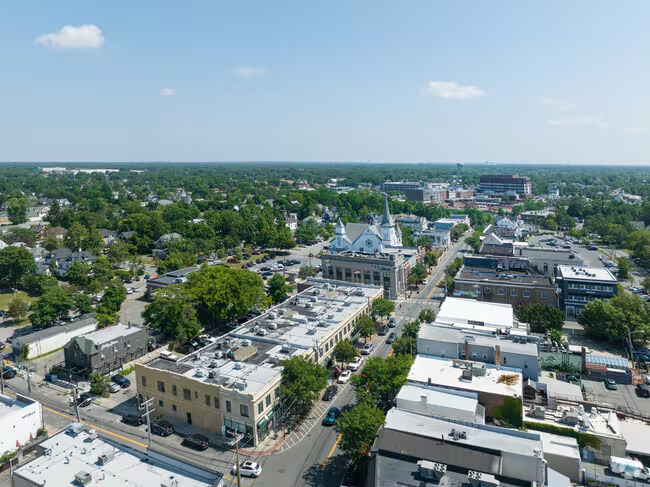
Commercial General Contractor Bayshore NY
Expert Commercial Construction in Bayshore
Bayshore’s commercial corridors demand precision, efficiency, and reliable scheduling. Plescia Construction serves neighborhoods like West Bayshore, Fire Island Avenue corridor, and Montauk Highway areas.
Local Construction Challenges
Construction in Bayshore faces zoning requirements, flood zone planning near the Great South Bay, and seasonal storm risks. (Newsday) Projects must comply with Suffolk County building codes and accessibility standards. (Suffolk County Planning) Tight urban and waterfront sites require careful staging and scheduling to minimize disruption to local businesses.
Commercial Construction Services in Bayshore
Plescia Construction specializes in:
-
Retail build-outs and renovations
-
Office and corporate interiors
-
Restaurant and hospitality construction
-
Medical and healthcare tenant improvements
-
Industrial and warehouse upgrades
-
Mixed-use commercial developments
-
Fast-track interior projects
-
High-end tenant renovations
Every project is managed with clear communication, structured scheduling, and coordinated subcontractors.
Local Supplier and Neighborhood Coordination
We partner with trusted suppliers like Long Island Lumber, Suffolk Steel Supply, and Bayshore Building Materials. Proximity to Montauk Highway, Fire Island Avenue, and nearby commercial zones ensures timely deliveries.
Projects in West Bayshore, downtown Bayshore, and adjacent commercial areas require specialized traffic, pedestrian, and tenant coordination.
Construction Management Expertise
Plescia Construction provides:
-
On-time, on-budget project delivery
-
Coordination with inspectors and permitting agencies
-
Efficient logistics in high-traffic or waterfront sites
-
Risk mitigation for seasonal storms and flood-prone areas
Our structured management approach ensures Bayshore commercial projects remain on schedule and within budget.
Start Your Bayshore Commercial Project
For retail, office, hospitality, or mixed-use construction in Bayshore, NY, contact:
PlesciaNY@Plescia-CD.com
Plescia Construction delivers reliable, efficient, and expert commercial construction services throughout Bayshore and surrounding Suffolk County neighborhoods.