

Commercial General Contractor Monticello
Monticello, New York Commercial General Contractor
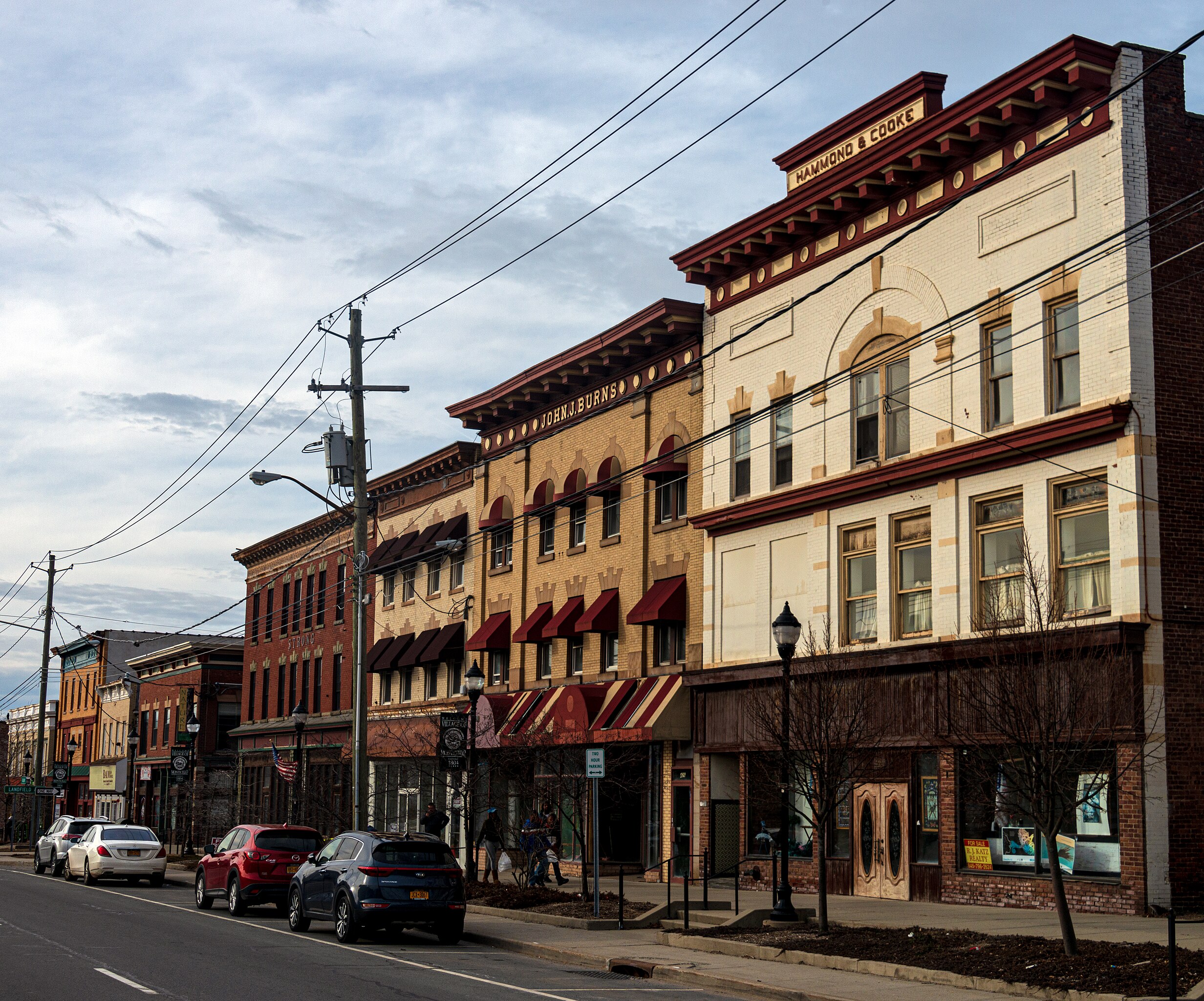
Monticello serves as one of Sullivan County’s primary commercial hubs and the gateway to the Catskills’ expanding tourism, entertainment, and hospitality economy. With the presence of Resorts World Catskills, the Kartrite Resort & Indoor Waterpark, and ongoing redevelopment along Route 42 and Broadway, Monticello has become a focal point for mixed-use investment, hotel construction, restaurant development, and adaptive reuse of aging commercial properties. For general contractors, the village presents a mix of small-city redevelopment challenges, evolving zoning expectations, environmental constraints, and infrastructure variability shaped by the region’s topography and rapid growth demands.
Local Development Dynamics and Commercial Growth Patterns
Monticello’s commercial activity is driven by three primary sectors: hospitality, gaming and entertainment, and small-format retail supporting both local residents and tourists. Broadway, the village’s historic commercial spine, is undergoing reinvestment that encourages façade improvements, mixed-use infill, and upgrades to legacy building stock. Meanwhile, the Route 42 corridor hosts larger-format commercial uses, automotive services, food-and-beverage, and highway-access developments that require detailed traffic and stormwater reviews.
The presence of large regional draws—including the nearby casino-resort cluster—creates increased demand for hotels, eateries, distribution facilities, and service-based businesses. This growth places pressure on village infrastructure, leading developers to coordinate closely with local planning officials, NYSDOT, and county agencies.
Zoning, SEQR, and Environmental Considerations
Monticello’s zoning code emphasizes walkability and village character along Broadway, while allowing more flexible commercial and light-industrial development along Route 42 and adjacent corridors. Many projects must undergo SEQR review, particularly those involving redevelopment of older structures, increases in impervious surfaces, or proximity to wetlands and streams feeding the Neversink or Mongaup watersheds.
Common environmental factors influencing construction include:
- Stormwater retention requirements for redevelopment of aging plazas;
- Wetland buffers affecting site layout near low-lying commercial zones;
- Snow-load and winter-construction considerations due to Monticello’s higher elevation;
- Brownfield conditions in former auto-related or industrial properties along Broadway.
Infrastructure Limitations and Site-Work Realities
Much of Monticello’s infrastructure dates back several decades. Water/sewer capacity varies block-to-block, requiring early coordination with village utilities. Older roadway networks, limited turning radii along downtown streets, and narrow parcels influence construction logistics, staging, and phasing.
Corridor sites along Route 42 often require:
- NYSDOT access-management reviews;
- Traffic impact analysis for restaurants and hotels;
- Stormwater retrofit plans compliant with SPDES requirements;
- Utility extensions for higher-occupancy uses.
Plescia Construction & Development in Monticello
Plescia Construction & Development supports Monticello’s commercial growth with services tailored to the region’s redevelopment and hospitality-driven needs. The firm provides:
- Adaptive reuse and structural modernization of aging village-core buildings;
- Hospitality and entertainment construction aligned with regional tourism demand;
- Corridor retail upgrades including façade work, MEP replacements, and site improvements;
- Ground-up and renovation work for hotels, restaurants, and service-based businesses;
- Site planning and stormwater strategies that address elevation changes and winter runoff conditions.
With experience across the Hudson Valley and Catskills, Plescia Construction & Development delivers locally informed construction management, general contracting, and design-management support for Monticello’s evolving commercial marketplace.

Retail General Contractor Shops at Columbus Circle
Commercial Construction Expertise at Columbus Circle
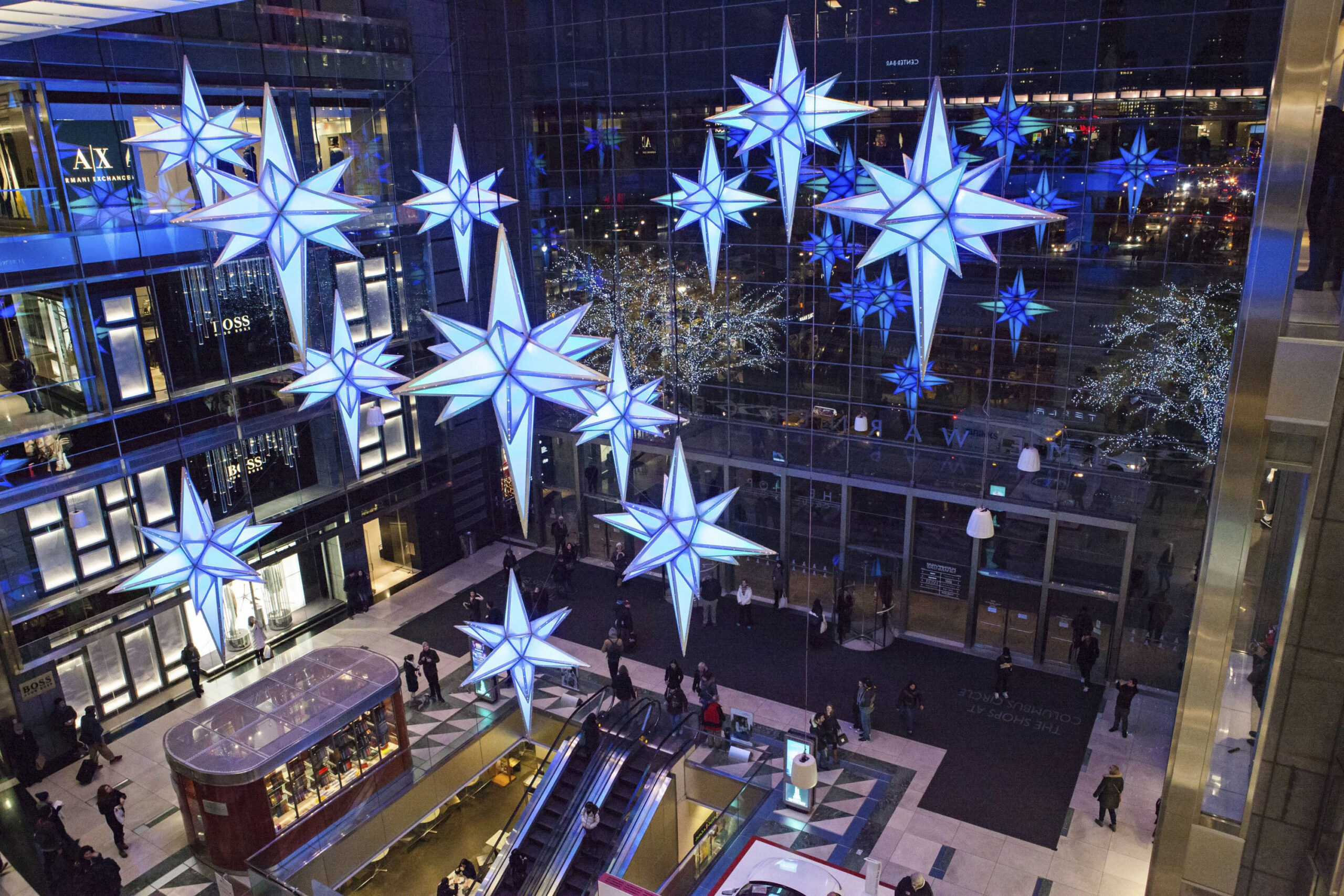
Based in New York City, The Shops at Columbus Circle demand precision and efficiency. Plescia Construction manages retail, restaurant, and mixed-use projects throughout this iconic location.
Local Construction Challenges
Construction in Columbus Circle faces high pedestrian traffic, limited staging space, and city permitting requirements. (NYC Department of Buildings) Projects must comply with Manhattan zoning and accessibility standards. (NYC Planning) Tight retail corridors and active shopping areas require careful scheduling to minimize disruption.
Commercial Construction Services at Shops at Columbus Circle
Plescia Construction specializes in:
-
Retail store build-outs and renovations
-
Restaurant and food court construction
-
Mixed-use commercial tenant improvements
-
Fast-track interior projects
-
High-end tenant renovations
Structured scheduling, clear communication, and coordinated subcontractors ensure efficient project delivery.
Local Supplier and Neighborhood Coordination
We work with suppliers such as Hudson Lumber, Manhattan Steel Supply, and local hardware providers. Access to Columbus Circle, Broadway, and surrounding areas ensures timely materials.
Projects near Time Warner Center, 59th Street, and nearby office towers require careful coordination to reduce pedestrian and traffic disruption.
Construction Management Expertise
Plescia Construction delivers:
-
On-time, on-budget project completion
-
Coordination with inspectors and permitting agencies
-
Efficient logistics in high-traffic retail environments
-
Risk mitigation for seasonal weather and event-related congestion
Our structured approach ensures Columbus Circle projects run smoothly from start to finish.
Start Your Columbus Circle Project
For retail, restaurant, or mixed-use construction at the Shops at Columbus Circle, contact:
PlesciaNY@Plescia-CD.com
Plescia Construction provides expert commercial construction services throughout the Shops at Columbus Circle and surrounding Manhattan neighborhoods.
Commercial General Contractor North Jersey
For businesses in Northern New Jersey, Plescia Construction provides expert commercial construction services tailored to local market demands and regulations.
Why Northern New Jersey is a Key Market
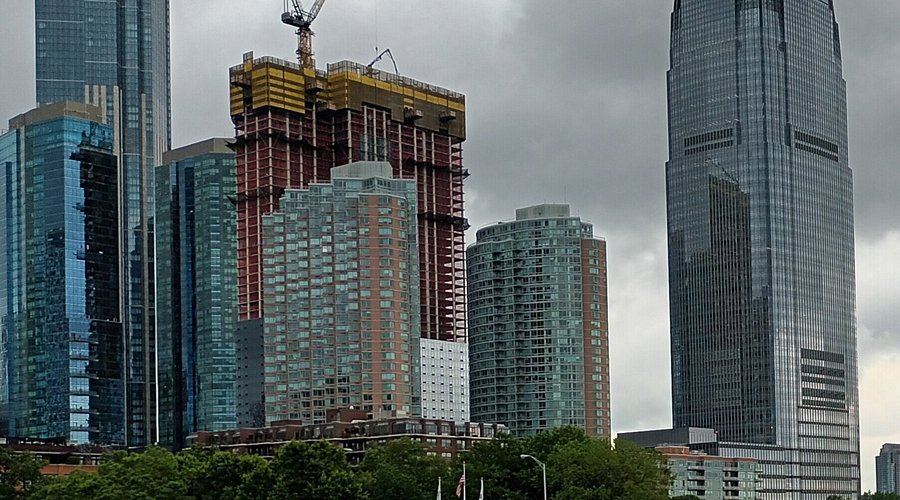
Northern New Jersey offers a strategic location near New York City, major highways, and ports, attracting commercial development.
-
Hudson County Growth – High demand for office, retail, and mixed-use developments near Jersey City and Hoboken. (nj.com)
-
Essex County Redevelopment – Newark and surrounding areas are investing in adaptive reuse, office, and retail projects. (newarkbusiness.com)
-
Industrial & Logistics Expansion – Northern NJ warehouses and distribution centers expand due to proximity to NYC and regional ports. (nynjindustrialnews.com)
These trends create opportunities for contractors capable of delivering modern commercial projects efficiently.
Plescia Construction Services in Northern New Jersey
-
New Office & Commercial Buildings – Class A and mid-rise office buildings designed with efficiency, sustainability, and modern finishes.
-
Tenant Fit-Outs & Interior Build-Outs – Offices, medical facilities, retail, and professional suites with HVAC, IT, lighting, and ADA compliance.
-
Retail & Restaurant Construction – Build or renovate ground-floor retail, restaurants, and lifestyle spaces for high-traffic areas.
-
Mixed-Use Development – Integrate office, residential, retail, and amenities for urban and suburban projects.
-
Industrial, Flex & R&D Facilities – Construct or adapt warehouses, industrial spaces, and research or lab-ready facilities.
-
Infrastructure & Site Work – Parking, utilities, loading docks, landscaping, and traffic coordination for complex projects.
Local Considerations for Northern New Jersey Projects
Zoning & Permitting
Counties and municipalities require zoning compliance, stormwater management, and permits for commercial, industrial, or mixed-use projects. (nj.gov)
Redevelopment & Adaptive Reuse
Older office parks and industrial buildings often need renovation or repurposing to meet modern commercial standards. (northjersey.com)
Supplier & Subcontractor Coordination
We work with local concrete, steel, masonry, HVAC, plumbing, and electrical suppliers familiar with New Jersey commercial codes.
Market Trends
Northern New Jersey shows strong demand for office, retail, industrial, and mixed-use developments near transit hubs and urban centers. (nj.com)
Why Plescia Construction is the Right Partner
-
Full-Service Expertise – From ground-up construction to interior fit-outs, adaptive reuse, and mixed-use projects.
-
Local Market Knowledge – Understanding New Jersey zoning, permitting, and redevelopment trends ensures project compliance.
-
Experienced Project Management – Coordinating multi-building, mixed-use, or industrial projects with local suppliers efficiently.
-
Responsive Regional Support – Timely oversight, procurement, and execution for all Northern New Jersey projects.
For commercial construction projects in Northern New Jersey — offices, retail, industrial, or mixed-use — contact PlesciaNJ@Plescia-CD.com.
Plescia Construction delivers expertise, local insight, and high-quality construction for modern Northern New Jersey commercial projects.
Commercial General Contractor Plantation Florida
Plantation, Florida Commercial General Contractor
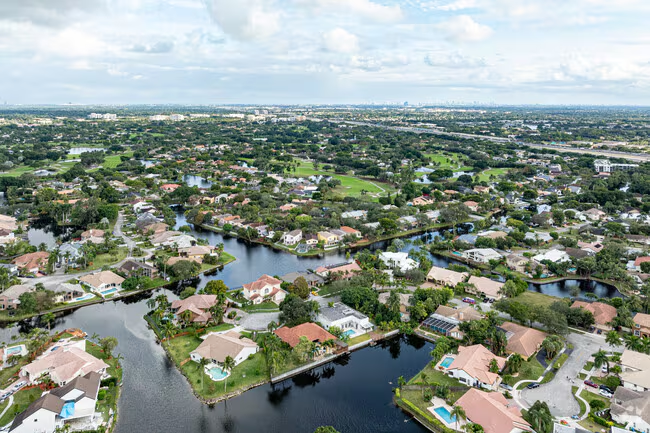
Plantation, Florida is one of Broward County’s most strategically located commercial submarkets, with substantial growth across corporate office campuses, healthcare facilities, retail redevelopment, and mixed-use districts. Commercial general contractors in Plantation must navigate a detailed municipal approval process, hurricane-resistant construction standards, strict architectural design requirements, and traffic-sensitive site logistics shaped by the city’s suburban-urban development pattern.
Suburban Zoning Framework & Redevelopment Patterns
The City of Plantation maintains a strict zoning environment that prioritizes cohesive architectural character, substantial landscaping, and controlled density. Developers and contractors must be prepared for:
- Architectural Review Board (ARB) oversight for façade design, materials, lighting, and signage
- Landscape and tree preservation regulations, including mandatory replacement ratios and buffer zones
- Commercial corridor zoning along Broward Boulevard, Pine Island Road, and University Drive
- Midtown Plantation redevelopment requirements for mixed-use projects, pedestrian circulation, and structured parking
The city has actively encouraged redevelopment of aging retail centers and older office buildings, creating a high demand for structural renovations, adaptive reuse, and modern code compliance upgrades.
Permitting & Development Review Processes
Commercial projects in Plantation require coordination with multiple municipal departments. Timelines and requirements vary greatly depending on project complexity. Contractors must typically engage:
- Building Department for plan review, permits, and trade inspections
- Planning, Zoning & Economic Development for land-use approvals, site-plan review, and zoning compliance
- Engineering Department for drainage, stormwater systems, utility plans, and roadway access
- Fire Department for life-safety and egress review
Because Plantation is not part of the Broward County ePermits system, contractors must account for municipal-specific submittal procedures, potentially requiring multiple rounds of comments.
Hurricane-Resistant Commercial Construction
Plantation sits within the high-wind region of Broward County, requiring compliance with some of the most demanding hurricane-resistant construction standards in Florida. This affects:
- Impact-rated glazing and storefront systems
- Wind-load engineering across all structural elements
- Reinforced roofing systems with tested uplift resistance
- Generator and backup power requirements for medical, office, and assisted living facilities
These requirements significantly influence cost estimating, procurement, and scheduling—especially as lead times for impact-rated materials remain volatile.
Drainage, Stormwater, & Soil Conditions
Plantation’s inland location still faces water-management challenges due to its low elevation and porous limestone substrate. Commercial sites frequently require:
- Redesign of existing drainage systems to meet modern stormwater retention standards
- Exfiltration trench systems due to South Florida’s rainfall intensity
- Coordination with the South Florida Water Management District (SFWMD) where applicable
- Soil stabilization and mitigating groundwater during foundation work
Projects located near waterways or designated drainage basins must meet additional hydrologic review criteria.
Site Logistics & Construction Challenges
Plantation’s built environment requires careful planning for staging and construction sequencing. Contractors often need to address:
- Heavy traffic volumes along major east–west and north–south corridors
- Close proximity to residential neighborhoods affecting noise, hours, and delivery schedules
- Limited laydown areas in commercial plazas or office campuses
- Utility relocations involving FPL, FPU, telecom carriers, and water/sewer providers
- Seasonal weather scheduling during South Florida’s rainy and hurricane seasons
Key Resources
- City of Plantation
- Broward County Building Department
- South Florida Water Management District (SFWMD)
- Florida Building Code
- Engineering News-Record
Plescia Construction & Development Services
Plescia Construction & Development delivers a comprehensive suite of commercial construction services throughout Broward County, including:
- General Contracting
- Construction Management
- Commercial Development
- Design Management

Commercial General Contractor Bexar County Texas
Bexar County, Texas Commercial General Contractor
Bexar County—anchored by San Antonio, one of the fastest-growing regions in Texas—offers a unique commercial construction environment shaped by military airfields, environmentally sensitive recharge zones, a strong industrial and manufacturing base, and a multilayered permitting system. From dense infill redevelopment inside Loop 410 to large-scale logistics hubs along I-10 and SH 130, commercial general contractors must navigate complex zoning categories, aquifer protection rules, drainage requirements, and multi-agency coordination throughout the Greater San Antonio area.
Multi-Agency Permitting Across Bexar County
Commercial development often involves both county and municipal jurisdictions. Depending on location, contractors may need approvals from:
- Bexar County Public Works for subdivision, civil, and site development review
- City of San Antonio Development Services for building permits, zoning, and site plans
- San Antonio Water System (SAWS) for water/wastewater capacity approvals
- Edwards Aquifer Authority (EAA) for recharge and contributing zone requirements
- TxDOT for access along major corridors (I-10, I-35, US-281, Loop 1604)
- San Antonio River Authority (SARA) for stormwater and watershed oversight
- Utility providers including CPS Energy and private gas/electric companies
Because much of the county falls inside multiple review zones, precise jurisdictional mapping is essential in early planning.
Edwards Aquifer Recharge Zone & Environmental Regulations
Bexar County is home to the Edwards Aquifer, one of the most environmentally protected groundwater systems in the country. Commercial projects in the recharge or contributing zones must follow strict environmental regulations:
- Impervious cover limits based on project location
- Water quality BMPs such as sand filters, biofiltration ponds, and oil-grit separators
- Pollution abatement plans (PAP) submitted to EAA
- Restricted hazardous materials handling in sensitive areas
- Enhanced stormwater treatment standards
These environmental factors significantly influence site layout, grading, and drainage system design.
Floodplain, Drainage & Watershed Requirements
Bexar County utilizes modern stormwater criteria that reflect updated rainfall data and watershed sensitivity. Key requirements include:
- Bexar County Floodplain Management regulations
- SARA stormwater design standards
- Atlas 14 rainfall intensity modeling for detention sizing
- Stream buffer protections for creeks within the San Antonio River Basin
- No adverse impact policies on downstream properties
Commercial properties near Salado Creek, Leon Creek, or Medina River face additional hydrologic review steps.
Military Airfield Influence Zones (MAIZ) & Height Restrictions
Bexar County contains one of the largest concentrations of military bases in the U.S. Projects near these installations are affected by:
- FAA and DoD airspace height restrictions
- Lighting, glare, and reflectivity controls
- Noise attenuation requirements near flight paths
- Land-use limitations in Accident Potential Zones (APZ)
These regulations heavily impact commercial land planning near Joint Base San Antonio (Lackland, Randolph, and Fort Sam Houston).
Zoning, Corridor Overlays & Land Use Considerations
San Antonio’s zoning code and regional overlays influence commercial construction across Bexar County. Important regulatory tools include:
- Mixed-use and neighborhood conservation districts for urban redevelopment
- Corridor overlays along Broadway, Hildebrand, Rittiman Road, and Westside corridors
- Airport overlay zones near SAT
- Design and façade requirements in historic and cultural districts
- Master Development Plans (MDPs) for large multi-phase sites
Soil Conditions, Foundation Design & Geotechnical Factors
Bexar County’s soil profile includes expansive clays, limestone shelves, and karst formations. Common engineering considerations include:
- Drilled piers for tilt-wall and steel structures
- Rock excavation or blasting in north and northwest Bexar County
- Post-tensioned slabs for widespread clay soil zones
- On-site soil stabilization using lime or cement
Geotechnical variability often influences project cost and construction phasing.
Commercial Development Trends Across Bexar County
The county is experiencing significant growth across several sectors:
- Large industrial and logistics hubs along I-10 East and IH-35 South
- Technology and data center development in Westover Hills
- Healthcare and medical campuses in the Medical Center and Stone Oak
- Mixed-use redevelopment in Downtown and Pearl District
- Aerospace and defense-related expansion around Randolph AFB and Port San Antonio
Construction Logistics Considerations
Bexar County’s varied geography and aging infrastructure require contractors to plan around:
- Traffic congestion on Loop 1604, IH-10, and US-281
- Utility congestion in older corridors
- Roadway expansion zones that may affect access
- Limited staging areas in dense infill areas
Key Resources
- Bexar County
- City of San Antonio Development Services
- San Antonio Water System
- Edwards Aquifer Authority
- San Antonio River Authority
- Engineering News-Record
Plescia Construction & Development Services
Plescia Construction & Development provides comprehensive commercial construction capabilities throughout Bexar County and the Greater San Antonio area, including:
- General Contracting
- Construction Management
- Commercial Development
- Design Management

Commercial General Contractor Houston
Houston, Texas Commercial General Contractor
Houston is one of the most active and technically complex commercial construction markets in the United States. As the nation’s fourth-largest city—with no zoning, expansive industrial corridors, petrochemical infrastructure, major healthcare institutions, and extensive flood-management requirements—Houston demands a uniquely informed approach to commercial general contracting. Developers and contractors must navigate a highly decentralized regulatory environment, specialized engineering for Gulf Coast conditions, and rapidly evolving development trends across a sprawling metropolitan region.
No Zoning, But Highly Regulated Development
Although Houston is famous for having no traditional zoning code, commercial development is still heavily regulated through other mechanisms. Contractors must work within:
- Houston Planning Commission rules for plats, site plans, and development standards
- Restrictive covenants and deed restrictions enforced by private property owners and civic associations
- Building line, setback, and buffer requirements
- Parking minimums and commercial driveway standards
- Special district overlays such as Tax Increment Reinvestment Zones (TIRZ) and Management Districts
Houston’s “no zoning” environment actually requires more upfront due diligence than many cities with predictable zoning layers.
Flooding, Drainage, & Stormwater Engineering Requirements
Houston’s floodplain management rules are among the strictest in the nation, shaped by Hurricane Harvey and subsequent regional flooding events. Commercial projects must comply with:
- Harris County Flood Control District (HCFCD) criteria
- City of Houston Chapter 19 floodplain regulations
- Detention and retention pond requirements for nearly all new developments
- Land subsidence considerations in certain areas
- FEMA 100-year and 500-year flood zone standards
Many commercial developments require hydrologic studies, stormwater modeling, and engineered detention solutions that significantly affect site layout and cost.
Coastal & Climate-Driven Structural Requirements
Houston sits in a Gulf Coast windstorm-prone region, requiring specialized structural systems for commercial buildings. Contractors must account for:
- Windstorm engineering for Gulf Coast wind loads
- TDI Windstorm Certification for structures in designated coastal counties
- Corrosion-resistant materials for humid coastal environments
- Elevated MEP and generator systems to prevent flood-related damage
- Moisture and mold remediation standards embedded in construction workflows
Houston’s climate and weather patterns require durable assemblies and careful enclosure detailing.
Permitting & Multi-Agency Coordination
Despite having no zoning, Houston’s permitting system is one of the most complex in Texas. Commercial contractors coordinate with:
- Houston Permitting Center for building, MEP, fire, and traffic permits
- Houston Public Works for utilities, drainage, and site approvals
- Houston Fire Marshal’s Office for life-safety compliance
- TxDOT when state roadways or access points are impacted
- TCEQ for industrial, water quality, and environmental reviews
Large developments—especially industrial, healthcare, and mixed-use—often require multiple review cycles and pre-development meetings to avoid delays.
Soil, Foundation, & Utility Infrastructure Challenges
Houston’s soil and utility conditions create unique challenges during commercial construction. Contractors must prepare for:
- Highly expansive clay soils requiring pier-and-beam or post-tensioned slabs
- Potential contamination near petrochemical and industrial zones
- Water table concerns influencing foundation design and excavation
- Extensive underground utilities in dense urban districts like Downtown and the Medical Center
- Long lead times for utility taps and electrical infrastructure from CenterPoint Energy
Commercial Development Trends in Houston
Houston continues to expand across multiple commercial sectors:
- Industrial and logistics hubs along I-10, I-45, and Beltway 8
- Healthcare and life science expansions in the Texas Medical Center
- Energy sector facilities including corporate campuses and R&D buildings
- Mixed-use urban redevelopment in Midtown, EaDo, and Uptown
- Port-related and petrochemical construction near the Houston Ship Channel
Growth in transportation, manufacturing, and healthcare continues to drive demand for complex commercial construction projects.
Key Resources
- City of Houston
- Harris County Flood Control District
- Texas Commission on Environmental Quality
- International Code Council
- Engineering News-Record
Plescia Construction & Development Services
Plescia Construction & Development provides commercial construction services throughout the Houston metropolitan region, including:
- General Contracting
- Construction Management
- Commercial Development
- Design Management
Commercial General Contractor Delray Beach
Delray Beach, Florida Commercial General Contractor
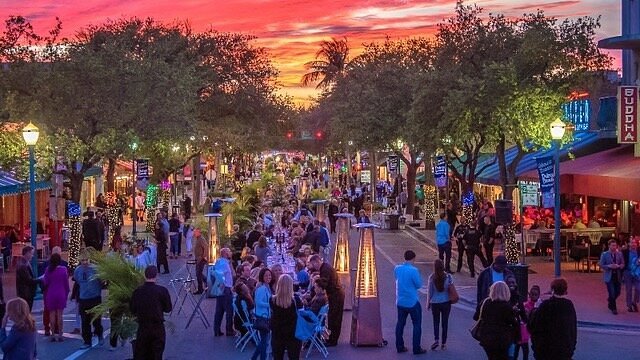
Commercial construction in Delray Beach, Florida presents a unique mix of coastal regulations, dense zoning requirements, redevelopment pressure, and CRA management that significantly affects how general contractors plan and execute projects.
Delray Beach is one of South Florida’s fastest-growing commercial corridors, driven by a blend of tourism, downtown revitalization, mixed-use development, and high consumer activity. For general contractors, Delray’s growth has created an environment where zoning density, coastal building standards, urban congestion, and rigorous design reviews play a central role in shaping project scope and scheduling. Contractors must also coordinate with both city agencies and the Community Redevelopment Agency (CRA), especially for projects situated around Atlantic Avenue, Pineapple Grove, and the central downtown business district. These areas often require enhanced design integration, pedestrian-friendly layouts, and strict architectural review. The City of Delray Beach enforces a robust zoning framework through its Land Development Regulations (LDRs). These standards shape building massing, allowable uses, height limitations, façade requirements, and streetscape integration. Mixed-use zoning dominates the downtown core, reinforcing walkability while imposing additional restrictions on parking, building frontage, and active ground-floor uses. Delray Beach’s permitting involves multiple entities whose approval cycles can extend project timelines. The city’s Building Department manages structural, MEP, and code compliance, while Palm Beach County Fire Rescue handles fire review and inspections. Projects near coastal zones or those involving site modifications often require further coordination with environmental and stormwater authorities. Although not all of Delray Beach is directly oceanfront, nearly all commercial projects fall under heightened structural requirements due to hurricane exposure and regional wind-load calculations. Contractors must consider: Outdoor dining structures, rooftop amenities, and mechanical systems often require additional engineering to meet uplift and tie-down standards unique to Florida’s coastal environment. Delray’s downtown districts, especially the Atlantic Avenue corridor, introduce substantial logistical challenges. High pedestrian volumes, tight street grids, and limited alley access require contractors to plan material deliveries, waste hauling, and staging carefully. Restaurant construction in Delray Beach requires deep familiarity with mechanical systems, commercial kitchen requirements, and alcohol-service guidelines. The city’s restaurant boom has led to a competitive permitting environment with high scrutiny on operational safety. Many older buildings require substantial upgrades to accommodate modern hospitality programs, including electrical service increases, structural reinforcement, and HVAC redesign. Delray Beach’s development pattern emphasizes adaptive reuse, pedestrian-oriented retail, and compact mixed-use formats. Contractors increasingly work on projects involving:Overview of the Delray Beach Commercial Construction Environment
Zoning & Land Development Regulations
Key zoning considerations for commercial contractors
Permitting Process & Multi-Agency Coordination
Common permitting challenges
Coastal Construction Requirements
Construction Logistics & Downtown Constraints
Logistical issues affecting contractors
Hospitality, Restaurants & Food-Service Challenges
Key restaurant build-out considerations
Commercial Development Trends in Delray Beach
Commercial General Contractor Fairfax Virginia
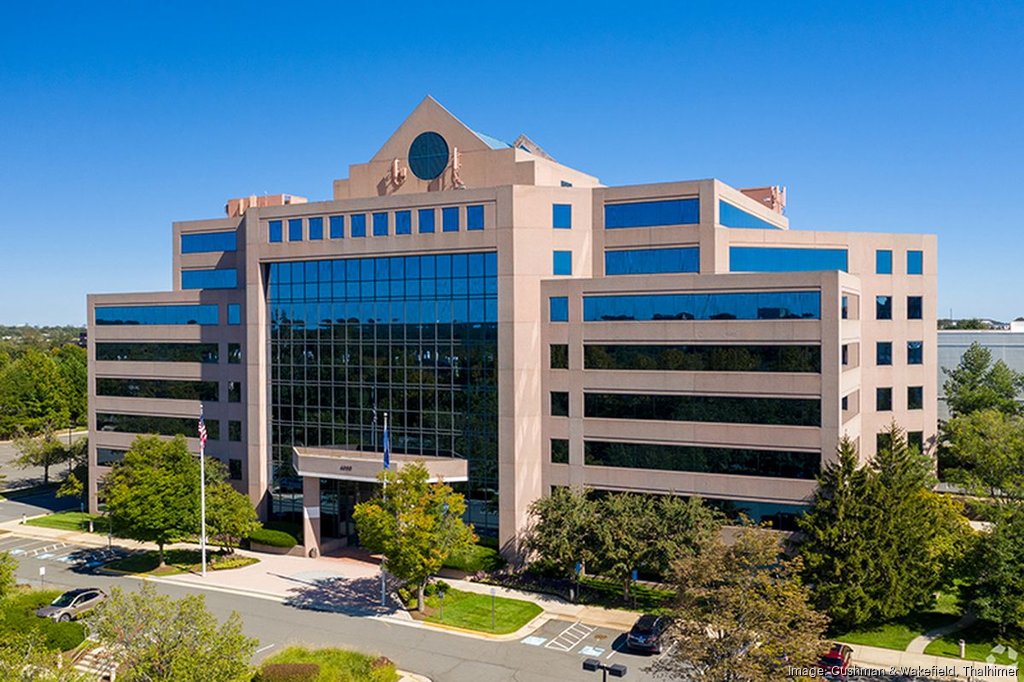
For businesses in Fairfax, Virginia, Plescia Construction provides reliable commercial construction solutions tailored to local market needs.
Why Fairfax is a Strategic Market
Fairfax is a growing commercial hub in Northern Virginia, close to Washington, D.C., with major highways like I‑66 and Route 50. (fairfaxcounty.gov)
Recent developments include:
-
Fair Oaks Mall Redevelopment – Mixed-use projects aim to modernize the mall with office, retail, and residential components. (fairoaksmall.com)
-
Downtown Fairfax Revitalization – Urban infill and boutique commercial spaces attract small businesses and retail tenants. (downtownfairfaxva.org)
-
Life Sciences Growth – Demand increases for labs, research facilities, and flex-industrial spaces. (nova.edu)
These trends create the need for a commercial contractor who can manage complex projects efficiently.
Plescia Construction’s Commercial Services in Fairfax
Our services cover all major commercial construction needs in Fairfax:
-
New Office & Commercial Buildings – Class A and mid-rise office buildings with modern finishes and sustainable systems.
-
Tenant Fit-Outs & Interior Build-Outs – Offices, medical spaces, research labs, retail spaces, IT infrastructure, HVAC, and ADA compliance.
-
Retail & Dining Construction – Build or renovate retail centers, restaurants, and lifestyle amenities.
-
Mixed-Use Development – Multi-building projects combining office, retail, residential, and amenities.
-
Industrial, Flex & Life Sciences Facilities – Construct or adapt industrial/flex space, R&D, and lab-ready buildings.
-
Infrastructure & Site Work – Parking structures, utilities, drive-in loading areas, landscaping, and traffic coordination.
Local Considerations for Fairfax Projects
Zoning & Permitting
Fairfax County requires zoning compliance, stormwater management, traffic analysis, and permitting for all new projects. (fairfaxcounty.gov/planning-development)
Redevelopment & Adaptive Reuse
Older commercial properties are renovated or repurposed to meet modern standards, including flexible layouts and sustainable systems. (fairfaxnow.com)
Supplier & Subcontractor Coordination
We partner with local concrete, masonry, structural steel, HVAC, plumbing, and electrical subcontractors familiar with Northern Virginia codes.
Market Trends & Demand
Fairfax sees strong demand for office, retail, life sciences, and mixed-use developments. Walkable spaces near Metro stations are increasingly sought after. (ffxnow.com)
Why Plescia Construction is the Right Partner
-
Full-Service Expertise – Ground-up construction, interior fit-outs, adaptive reuse, and mixed-use project management.
-
Local Knowledge – Fairfax County zoning, permitting, and market trends guide every project.
-
Experienced Project Management – We coordinate multi-building projects with local suppliers and subcontractors efficiently.
-
Responsive Regional Support – Timely oversight, procurement, and execution for all Fairfax projects.
For commercial construction in Fairfax — offices, retail, mixed-use, or life sciences — contact us at Info@Plescia-CD.com.
Plescia Construction delivers expertise, local insight, and quality construction for modern Fairfax commercial projects.
Commercial General Contractor Tysons Corner Virginia
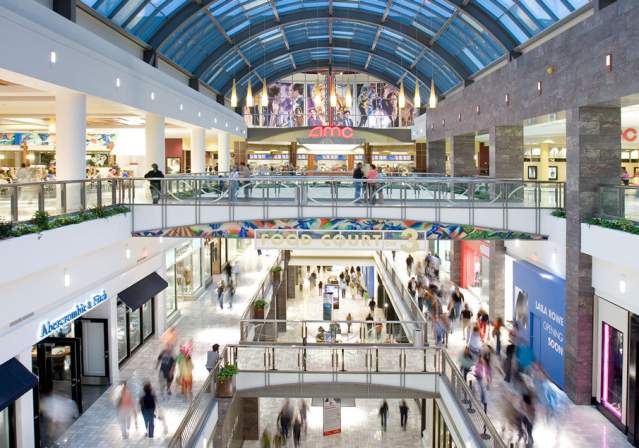
For businesses in Tysons Corner, Virginia, Plescia Construction provides reliable commercial construction services tailored to the area’s evolving market.
Why Tysons Corner is Unique
Tysons Corner has transformed from a suburban office district into a dense, mixed-use urban center.
-
Population Growth – New residential units and amenities attract more residents and create demand for modern commercial space. (tysonsreporter.com)
-
Redevelopment & Rezoning – Office campuses are converting to mixed-use projects with residential, retail, and office components. (ffxnow.com)
-
Tysons Corner Center Updates – Redevelopment creates walkable retail, dining, and entertainment spaces. (virginiabusiness.com)
These changes create opportunities for flexible, high-quality commercial construction.
Plescia Construction’s Services in Tysons
-
New Office Buildings – Class A and mid-rise office construction with modern finishes and efficient layouts.
-
Tenant Fit-Outs – Offices, co-working, retail, and professional spaces with IT, HVAC, and ADA compliance.
-
Mixed-Use Development – Projects integrating office, residential, retail, and amenities in one complex.
-
Retail & Restaurant Build-Outs – Ground-floor retail, dining, and entertainment spaces designed for high traffic.
-
Industrial & Flex Spaces – New or adaptive reuse of industrial and R&D facilities.
-
Parking & Site Work – Structures, utilities, loading areas, landscaping, and pedestrian flow coordination.
Local Considerations for Tysons Projects
Rezoning & Mixed-Use Trends
Rezoning allows older office parks to be redeveloped for mixed-use, residential, or commercial purposes. (ffxnow.com)
Walkability & Tenant Needs
Redeveloped areas prioritize pedestrian access, walkable streets, and modern amenities to attract office and retail tenants. (virginiabusiness.com)
Adaptive Reuse
Older office stock is converted to residential, mixed-use, or flexible commercial space with structural upgrades and modern systems.
Supplier & Subcontractor Coordination
We work with regional structural steel, concrete, HVAC, plumbing, and electrical suppliers familiar with Northern Virginia codes.
Why Plescia Construction is the Right Partner
-
Full-Service Expertise – Ground-up construction, adaptive reuse, mixed-use, retail, and office projects.
-
Local Market Knowledge – We understand Tysons zoning, permitting, and redevelopment trends.
-
Experienced Project Management – Coordinating multi-building projects with local suppliers and subcontractors.
-
Timely Regional Support – Efficient oversight, procurement, and project execution for Tysons projects.
For commercial construction in Tysons Corner — offices, retail, mixed-use, or industrial — contact Info@Plescia-CD.com.
Plescia Construction delivers expertise, local insight, and quality construction for modern Tysons Corner projects.
Commercial General Contractor Boca Raton
Boca Raton, Florida Commercial General Contractor
Commercial construction in Boca Raton, Florida is shaped by a highly regulated development environment, strong architectural standards, coastal construction requirements east of the Intracoastal, and strict municipal oversight focused on aesthetics, traffic impact, and long-term land-use planning. General contractors in Boca Raton must navigate rigorous zoning codes, detailed site-plan review procedures, affluent commercial districts with premium design expectations, and aging commercial properties that require substantial modernization to meet today’s standards.
Overview of Boca Raton’s Commercial Construction Environment
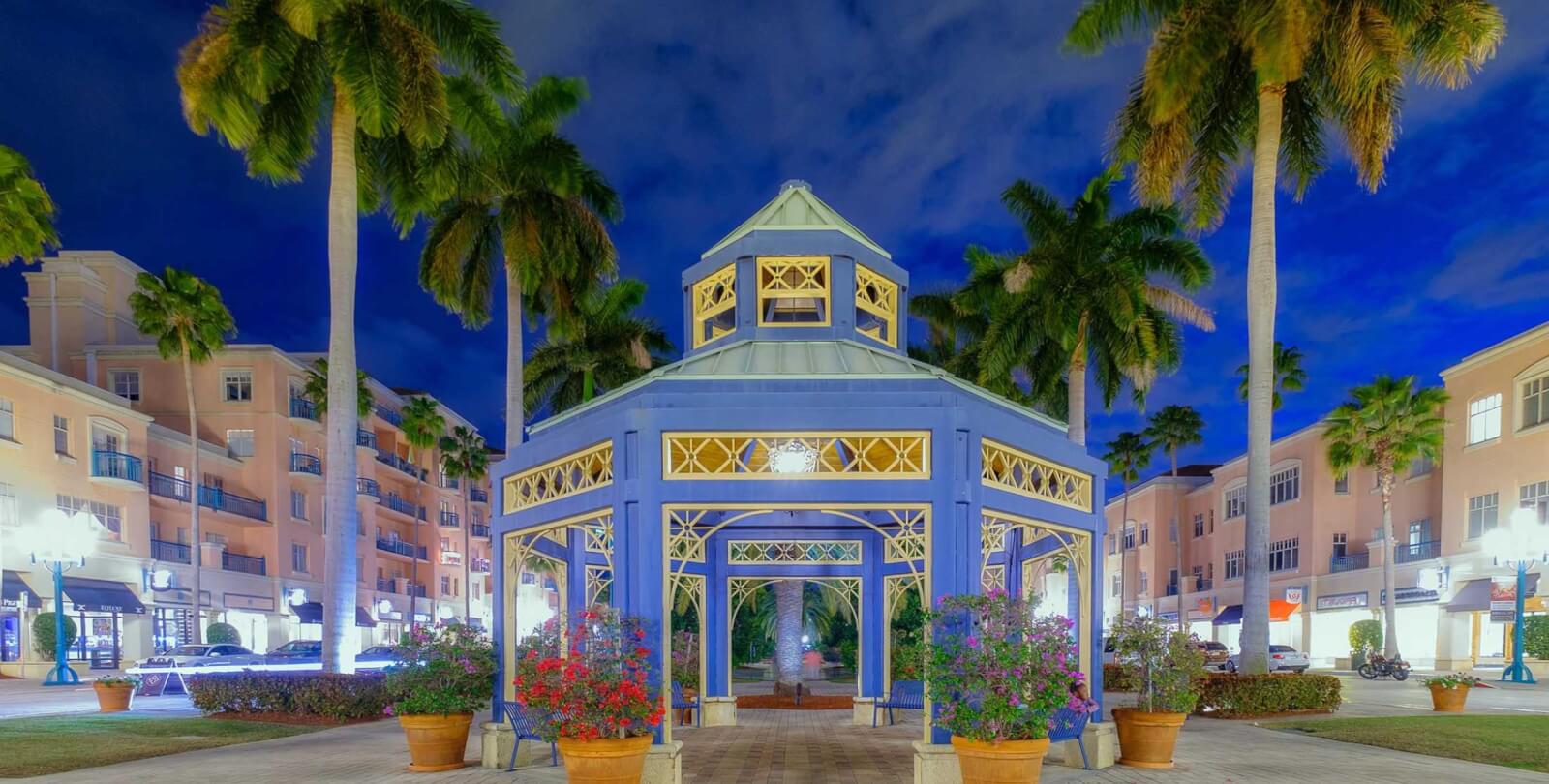
Boca Raton is one of South Florida’s most established commercial hubs, with a blend of high-end retail, Class A office parks, medical campuses, hospitality projects, and mixed-use redevelopment. Development pressure is particularly strong across the Downtown Boca CRA district, Mizner Park area, the Glades Road corridor, and East Boca’s coastal zones. These corridors demand sophisticated construction management due to heavy traffic, strict design criteria, and complex permitting workflows.
Boca’s aesthetic and architectural expectations are among the highest in the region, emphasizing Mediterranean-inspired design, cohesive facades, enhanced landscaping, and a controlled approach to density. Contractors must fully understand the city’s design guidelines to ensure project approval.
Zoning & Land Development Regulations
Boca Raton’s zoning policies are defined by the City’s Zoning Code and are further guided by special master plans that govern redevelopment in major activity centers. The review process is more formalized and detailed than in many surrounding cities, often requiring multiple layers of architectural, planning, and engineering review.
Key zoning considerations in Boca Raton
- Downtown Boca Raton CRA: Includes strict requirements on building massing, street frontage, pedestrian orientation, and streetscape integration.
- Mizner Park & Business Districts: Enforced Mediterranean Revival design elements, high architectural cohesion, and limited deviations.
- Glades Road Corridor: Traffic impact mitigation is a major factor, often requiring studies and roadway improvements.
- Industrial & Office Parks: Many mid-century commercial buildings require modernization to meet current MEP, ADA, and life-safety codes.
- Coastal Zones: Height restrictions, view-corridor preservation, and CCCL requirements apply east of the Intracoastal.
Permitting & Multi-Agency Coordination
Boca Raton’s permitting process is known for its thoroughness and often involves extensive review cycles. In addition to city-level review, certain commercial and coastal projects require coordination with Palm Beach County agencies, Florida DEP, and in some cases the Army Corps for waterfront developments.
Common permitting challenges
- Architectural review: Boca’s design quality thresholds are among the strictest in South Florida.
- Traffic impact studies: Required for many commercial and mixed-use projects along Glades, Federal Highway, and Palmetto Park Road.
- Coastal Construction Control Line (CCCL): Applies to coastal projects and requires specialized coastal engineering.
- Fire review: Managed by Boca Raton Fire Rescue, often rigorous for assembly and hospitality spaces.
- Utility capacity approval: High-demand uses (restaurants, medical) require verification of water/sewer flow capacity.
Coastal Construction Requirements
The eastern portion of Boca Raton falls under Florida’s coastal building zone, requiring elevated engineering and construction standards even for projects not directly on the shoreline.
Key coastal-related considerations
- HVHZ (High-Velocity Hurricane Zone) wind-load compliance
- Hurricane-rated glazing and exterior systems
- Flood-zone mitigation through elevation, dry floodproofing, or structural reinforcement
- Corrosion-resistant metals for exterior assemblies and rooftop equipment
- Enhanced stormwater retention and site drainage engineering
Rooftop and exterior modifications often require additional structural engineering to meet Boca’s increased safety standards.
Construction Logistics & Site Constraints
Boca Raton presents a unique mix of logistical challenges due to high traffic volumes, dense commercial corridors, and constrained sites in older plazas and coastal districts.
Logistical considerations affecting general contractors
- Traffic congestion along Glades, Palmetto Park, and Federal Hwy: Delivery windows and lane-use restrictions significantly affect scheduling.
- Limited staging in Downtown Boca: Tight urban parcels require off-site storage and precise delivery timing.
- Coastal project limitations: Noise restrictions, pedestrian controls, and beach-access regulations impact construction sequencing.
- Older infrastructure: Many older commercial buildings require electrical, plumbing, and mechanical service upgrades before renovations can begin.
Restaurants, Hospitality & Food-Service Construction
Boca Raton has one of the region’s strongest hospitality and restaurant markets, particularly in Downtown Boca, Mizner Park, and along Federal Highway. Food-service build-outs require highly coordinated mechanical and fire-safety planning due to strict review processes.
Restaurant and hospitality challenges
- Grease interceptor requirements tied to Palm Beach County utility standards
- Type I commercial kitchen hood systems and fire suppression integration
- High electrical, HVAC, and plumbing loads in older building shells
- ADA compliance in narrow or irregular spaces
- Outdoor dining permits in urban activity zones
Many restaurant conversions involve structural modifications, increased utility capacity, and reconfigured floorplans to meet city expectations.
Commercial Development Trends in Boca Raton
Commercial development in Boca Raton is driven by modernization, high-end tenant demand, and increased investment in mixed-use environments. Key trends include:
- Adaptive reuse of older shopping centers into modern lifestyle-oriented retail
- Mixed-use densification in the Downtown CRA district
- Medical office expansion around hospital and university corridors
- Energy-efficient building upgrades including VRF systems, reflective roofing, and environmental performance improvements
- Luxury-focused commercial design emphasizing materials, lighting, and architectural cohesion