


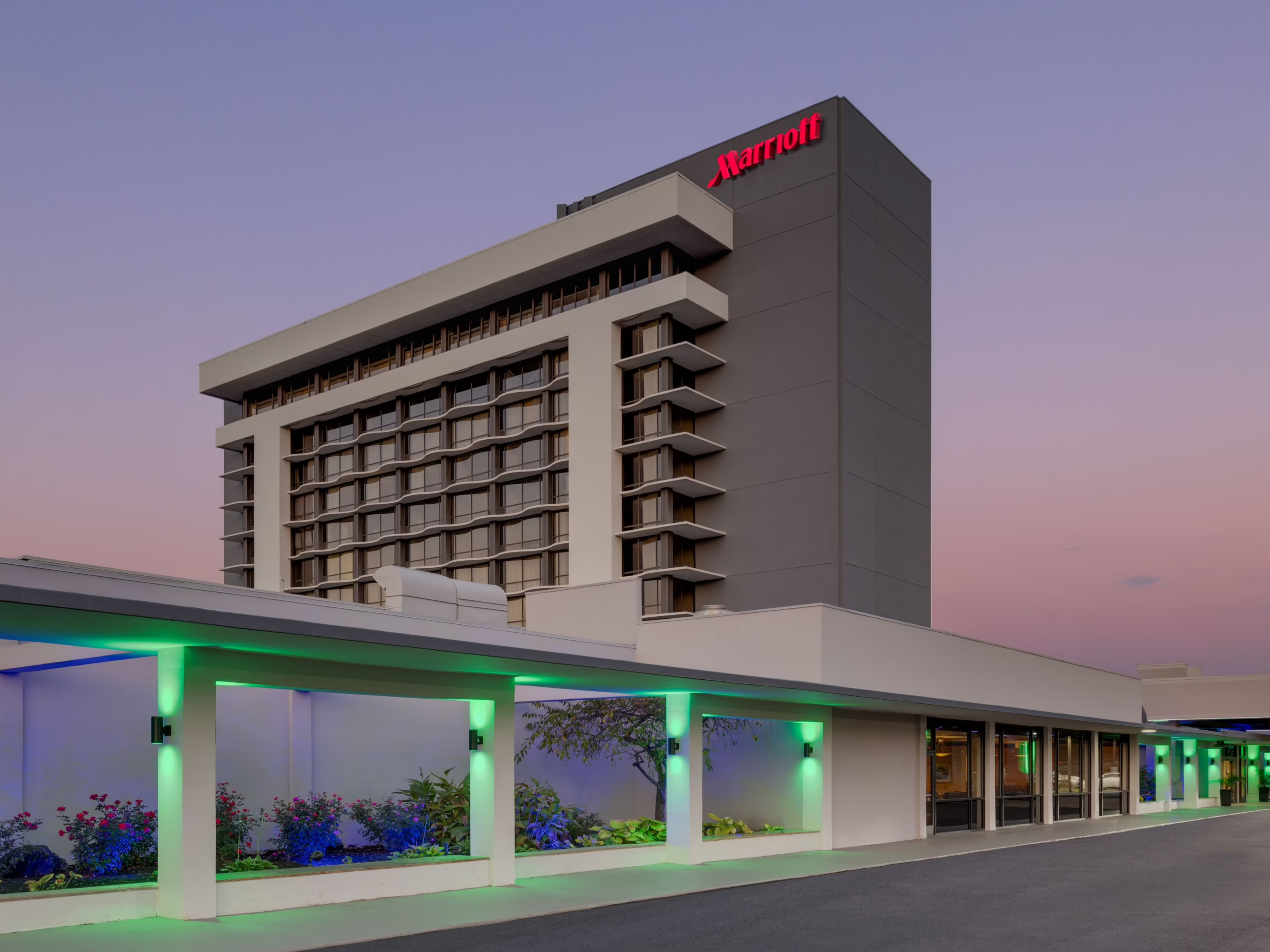
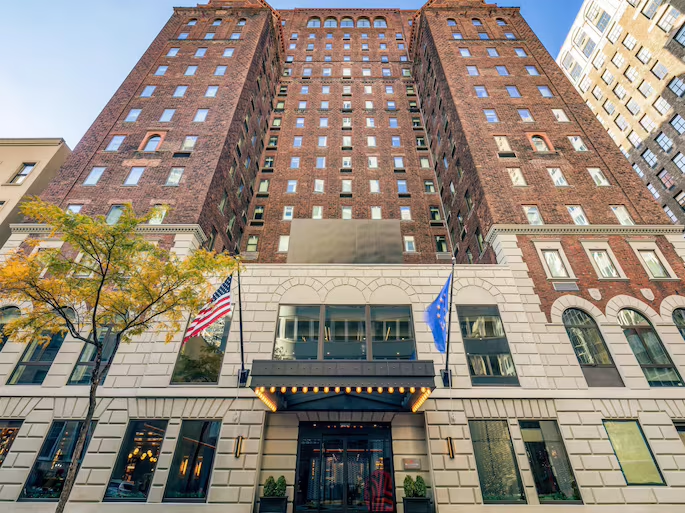
Restaurants and hotels present a unique set of construction challenges that require seamless coordination between front-of-house aesthetics and back-of-house operational systems. Guest-facing areas such as dining rooms, lobbies, bars, and guest rooms must meet high expectations for design, comfort, and brand identity, while hidden support spaces—including commercial kitchens, laundry facilities, storage, mechanical rooms, and life safety systems—must function efficiently and reliably. Successful hospitality construction depends on integrating these systems without compromising the overall guest experience.
Durability, cleanliness, and strict code compliance are critical in high-traffic hospitality environments. Restaurants and hotels are subject to rigorous health, fire, and building regulations that govern everything from ventilation and grease management to fire suppression, accessibility, and egress. Materials and finishes must withstand heavy daily use, frequent cleaning, and exposure to heat, moisture, and chemicals, particularly in kitchens and service areas. Careful attention to detailing and system coordination helps ensure long-term performance while reducing maintenance demands for owners and operators.
Many hospitality construction projects involve renovations, repositioning, or expansions within active, operating properties, adding significant complexity to scheduling and logistics. Work often must be phased to maintain hotel occupancy, keep restaurants open during peak periods, or minimize disruptions to guests and staff. Construction activities may be limited to specific hours, require temporary utilities, or involve working around existing building systems that must remain operational. Protecting guest safety, maintaining clean and secure work zones, and managing noise and dust are essential considerations in these environments.
Effective hospitality construction requires close coordination with owners, operators, designers, and inspectors throughout the project lifecycle. Design intent must align with real-world operational requirements, from kitchen workflows and service access to housekeeping, waste management, and maintenance. Early collaboration helps identify potential conflicts between architectural vision and system performance, allowing solutions to be implemented before they impact schedule, budget, or operations. Ongoing communication ensures compliance with regulatory standards while keeping the project moving efficiently.
We specialize in hospitality construction for restaurants and hotels, delivering environments that balance design quality, operational performance, and long-term durability. Our experience includes new construction, renovations, and expansions for a wide range of hospitality facilities. We emphasize constructability, detailed system coordination, and disciplined execution in both guest-facing and back-of-house areas. The result is hospitality spaces that operate efficiently, support staff workflows, and maintain the level of quality and character expected by owners, operators, and guests alike.