



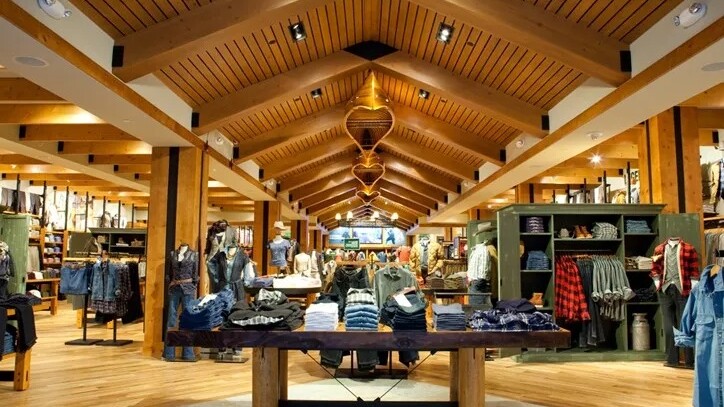
Retail Construction
Retail construction is driven by a combination of brand standards, speed to market, and real-world site constraints. Each project must align with a retailer’s identity while also meeting landlord requirements and strict opening deadlines. Plescia Construction & Development delivers retail construction and store buildouts with a focus on coordination, schedule reliability, and consistent execution across varying environments.
Whether completing a single storefront or supporting a broader rollout, the objective remains the same: deliver a space that is ready to operate on day one.
Aligning Brand Standards with Building Requirements
Retail projects require balancing two sets of expectations—those of the tenant and those of the property owner. Each comes with detailed requirements that must be understood and coordinated early.
This typically includes:
- Adhering to brand prototypes, layouts, and finish specifications
- Meeting landlord criteria for storefronts, utilities, and system connections
- Integrating new construction with existing base building conditions
- Navigating approval processes tied to lease agreements
Successful execution depends on understanding where these requirements intersect and resolving conflicts before they impact construction.
Time-Sensitive Execution
Retail construction is often tied directly to store opening schedules, marketing rollouts, and seasonal demand. These timelines are typically fixed, leaving little room for delays.
Maintaining progress requires:
- Early identification of long-lead materials and fixtures
- Tight coordination between trades to avoid downtime
- Quick resolution of field conditions and design clarifications
- Ongoing monitoring of schedule milestones
A structured approach to scheduling helps ensure that projects move efficiently from start to turnover.
Operating Within Active Retail Centers
Many retail projects take place in fully operational shopping environments, where construction must be carefully controlled to avoid disruption.
Challenges often include:
- Limited access for deliveries and material staging
- Restrictions on working hours
- Coordination with neighboring tenants and center management
- Maintaining safe conditions for customers and staff
Managing these constraints requires attention to logistics, site organization, and communication throughout the project.
Varying Levels of Finish & Complexity
Retail construction can range from highly detailed flagship locations to more standardized tenant spaces. Each requires a different approach to execution.
Examples include:
- High-end retail with custom millwork, lighting, and premium finishes
- Mall and shopping center tenant buildouts
- Strip center spaces focused on speed and efficiency
- Multi-location programs requiring repeatable results
Adjusting the construction approach to match the level of detail and performance expectations is critical to achieving the desired outcome.
Scope of Work
Plescia Construction & Development provides a full range of retail construction services, including:
- Interior store buildouts and tenant fit-outs
- Ground-up retail buildings
- Store renovations and refresh programs
- Rollout projects across multiple locations
- Work within enclosed and open-air retail environments
Each project is managed with a focus on coordination, consistency, and schedule control.
Built for Daily Use
Retail environments must perform under constant use while maintaining a consistent appearance. Construction decisions are made with an emphasis on:
- Materials that can withstand high traffic and wear
- Layouts that support both customer flow and staff operations
- Systems that perform reliably over time
- Flexibility for future updates or tenant changes
This ensures the space remains functional and aligned with brand expectations after opening.
Approach to Delivery
Retail construction requires a practical understanding of how projects are built under tight timelines and within active environments.
Execution is centered on:
- Coordinating trades within compressed schedules
- Adapting to field conditions without slowing progress
- Maintaining clear communication with all stakeholders
- Delivering consistent results across different project types