


Industrial Construction
Industrial facilities are built around efficiency, throughput, and durability, requiring construction that directly supports logistics, storage, and production operations. Plescia Construction & Development delivers warehouse and light industrial construction with a focus on aligning building systems, structure, and layout with how the space will actually be used.
These buildings are not generic—they are operational assets. Every decision, from slab design to utility distribution, must support day-to-day performance and long-term adaptability.
Built Around Workflow & Throughput
The success of an industrial facility is determined by how efficiently it functions. Layout and structure must support movement, storage density, and operational flow without unnecessary constraints.
Key considerations include:
- Open floor areas supported by efficient structural systems
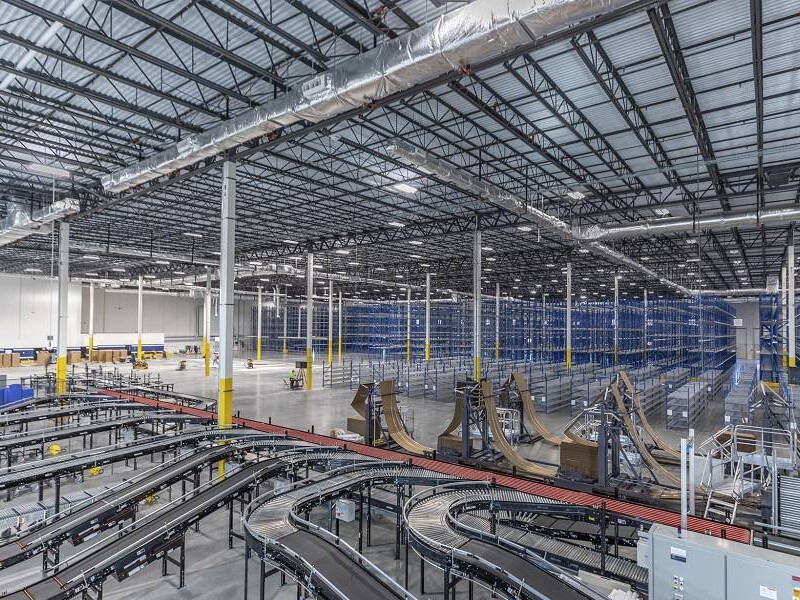
- Column spacing that accommodates racking and equipment layouts
- Circulation paths for forklifts, loading operations, and internal traffic
- Dock placement and access that supports inbound and outbound logistics
By focusing on these elements early, the building is positioned to operate efficiently from the outset without requiring workarounds after occupancy.
Structural Systems, Slab Performance & Envelope Durability
Industrial buildings place significant demands on structural systems and floor slabs. These components must be designed and executed to handle constant use, heavy loads, and operational wear.
Our approach emphasizes:
- Slab-on-grade construction designed for load capacity, flatness, and long-term performance
- Structural framing that supports both current use and potential future modifications
- Dock walls, doors, and high-traffic areas built for repeated impact and use
- Roofing and wall systems designed for durability and environmental performance
Proper coordination between structure, slab, and envelope reduces long-term maintenance issues and supports consistent building performance.
Utility Infrastructure & System Coordination
Industrial facilities require scalable and well-coordinated infrastructure to support equipment, operations, and future expansion. Building systems must be designed with flexibility in mind, particularly in large open environments.
Key areas of focus include:
- Electrical capacity and distribution for equipment and automation
- Lighting systems designed for safety, visibility, and efficiency
- Fire protection systems aligned with storage configurations and code requirements
- Mechanical systems that address ventilation and environmental conditions
Early coordination ensures that these systems are not only functional at turnover, but also adaptable as operational needs evolve.
Equipment Integration & Operational Requirements
Industrial construction frequently involves coordination with specialized equipment and tenant-specific infrastructure. These elements often drive key design and construction decisions.
Typical integrations include:
- Loading docks, levelers, and overhead door systems
- Racking layouts and storage systems
- Conveyor lines and automated material handling
- Manufacturing or assembly equipment
Each introduces requirements related to clearances, power, slab performance, and layout coordination. Addressing these early helps avoid conflicts that can delay occupancy or impact operations.
Schedule & Delivery Considerations
Industrial projects are often tied directly to business operations, lease commitments, and supply chain timelines. Maintaining schedule reliability is essential to avoiding downstream disruptions.
Execution requires:
- Clear sequencing of site, structure, and building systems
- Early identification and procurement of long-lead components
- Coordination between trades, vendors, and ownership teams
- Consistent monitoring of progress against milestones
A disciplined approach to scheduling helps ensure that facilities are delivered in alignment with operational targets.
Project Scope & Experience
Our industrial construction experience includes:
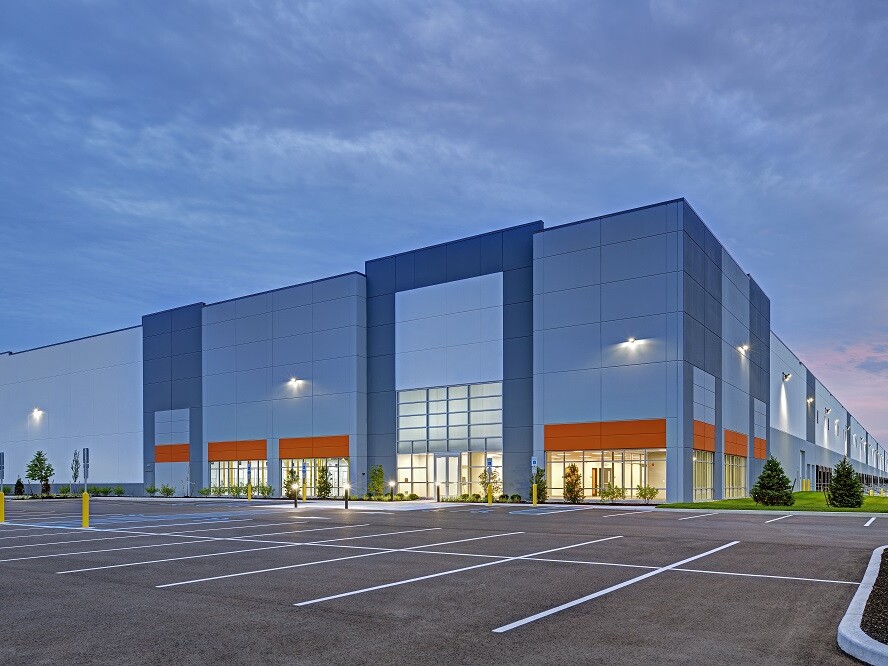
- Ground-up warehouse and distribution facilities
- Light manufacturing and assembly buildings
- Multi-tenant and flex industrial properties
- Interior and exterior renovations of existing industrial assets
Projects range from targeted upgrades to large-scale developments, each requiring coordination between structure, systems, and end-user requirements.
Focused on Long-Term Performance
Industrial buildings must remain functional under demanding conditions while accommodating change over time. Construction decisions are made with an emphasis on:
- Durability under continuous use
- Efficient layouts that support productivity
- Flexibility for reconfiguration or expansion
- Reliable performance across all building systems
The goal is not just to complete construction, but to deliver a facility that operates effectively as part of a larger logistics or production network.
Execution Approach
Our work is grounded in practical construction experience and an understanding of how industrial facilities operate in real conditions. Coordination, sequencing, and attention to detail drive consistent results across projects.
We focus on:
- Managing complex structural and slab requirements
- Coordinating building systems with operational needs
- Maintaining clarity across all stakeholders
- Delivering predictable outcomes across varying project types