


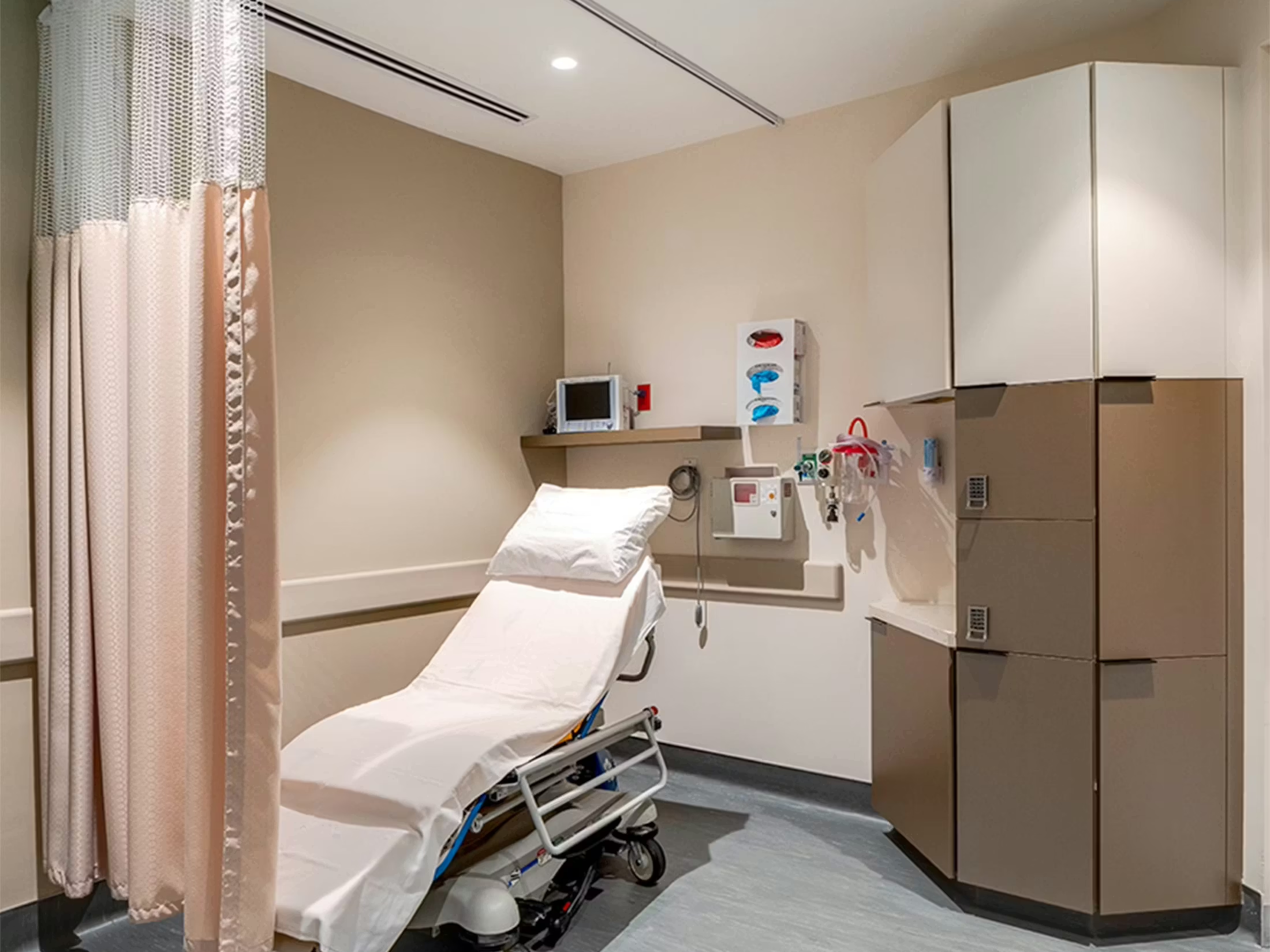
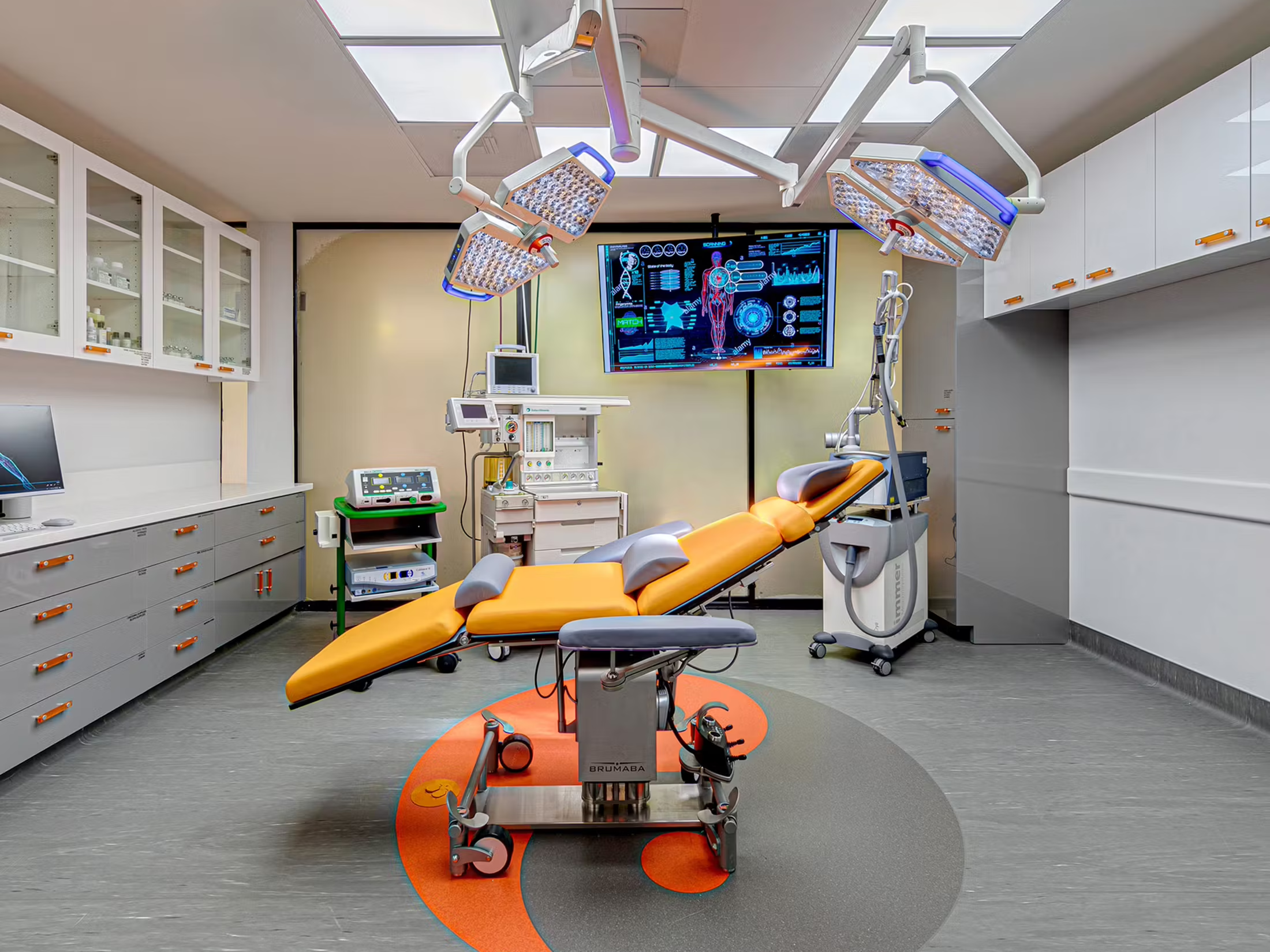
Medical and healthcare facilities demand more than traditional construction expertise—they require a deep understanding of how healthcare environments function operationally, financially, and clinically. From outpatient clinics and medical office buildings to ambulatory surgery centers and full-scale hospitals, every space must be designed and constructed to support patient care, regulatory compliance, and revenue integrity. Layouts must facilitate efficient patient flow, staff movement, and clinical workflows while accommodating complex billing systems, reimbursement structures, and departmental cost controls that directly influence facility planning and execution.
Healthcare construction is shaped by financial and operational realities that are unique to the medical industry. Reimbursement models, insurance requirements, and regulatory frameworks affect how departments are organized, how services are phased, and how facilities remain operational during construction. Medical construction projects must often be delivered in stages to minimize disruption to patient care and maintain billing continuity. Careful planning helps ensure that construction sequencing aligns with clinical priorities, protects revenue streams, and supports long-term operational efficiency.
Behind the scenes, medical facilities rely on highly specialized building systems that require precise coordination and execution. Mechanical, electrical, plumbing, and medical gas systems must meet strict performance and redundancy standards to support patient safety and clinical operations. Infection control measures, air quality management, and life safety systems are integral to healthcare construction, particularly in environments where immunocompromised patients may be present. These systems must be installed, tested, and commissioned with exceptional attention to detail to meet healthcare codes and accreditation requirements.
Many medical construction projects occur in live, fully operational environments, adding a significant layer of complexity to scheduling and logistics. Renovations and expansions must often be completed without interrupting critical services, diagnostic equipment, or patient access. Downtime in healthcare settings can directly impact patient outcomes and financial performance, making safety, cleanliness, and continuity of operations paramount. Construction teams must coordinate closely with hospital administrators, clinical staff, and facilities management to manage access, noise, vibration, and system tie-ins while maintaining safe care environments.
Our approach to medical construction prioritizes precision, coordination, and foresight at every stage of the project. We work closely with healthcare providers, administrators, designers, and inspectors to align construction execution with clinical operations, administrative workflows, and compliance standards. Our experience includes complex healthcare renovations and new construction delivered in active environments, where maintaining uninterrupted operations is essential. The result is medical facilities that meet stringent regulatory requirements, support evolving medical technologies, and strengthen the financial and operational backbone of modern healthcare organizations.