


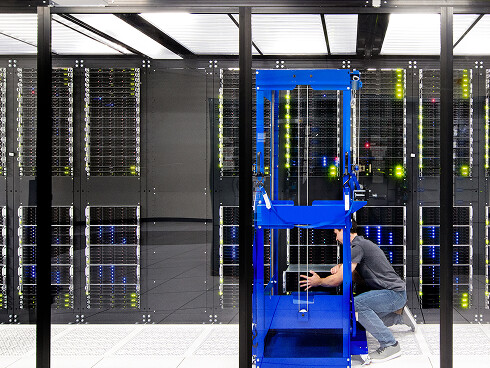
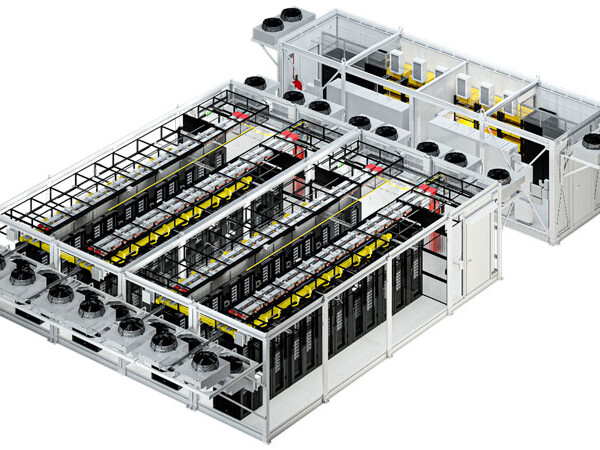
Mission critical facilities demand an exceptional level of planning, precision, and coordination due to the complexity of their systems and the consequences of failure. These projects require seamless collaboration between multiple trade partners, specialized equipment vendors, commissioning agents, and end users. Power distribution systems, cooling strategies, fire protection, security, and control systems must all be carefully integrated to support continuous, uninterrupted operation. Even minor sequencing errors can result in significant delays, rework, or operational risk, making coordination a central component of mission critical construction.
Electrical infrastructure is often the backbone of mission critical facilities, particularly in data center construction. Utility power, backup generators, uninterruptible power supply (UPS) systems, switchgear, and distribution pathways must be installed and commissioned in precise sequence to maintain redundancy and reliability. Cooling systems—including chilled water, DX, and air distribution strategies—must be coordinated with equipment layouts and load requirements to ensure consistent environmental control. Redundancy planning, whether N+1, 2N, or higher-tier configurations, adds another layer of complexity that must be managed throughout construction.
Quality control, testing, and documentation are not final steps in mission critical construction—they are continuous processes embedded throughout the project lifecycle. Installation tolerances, equipment alignment, cable management, and system integration must be verified at every stage to ensure compliance with technical standards and owner requirements. Testing procedures, functional performance verification, and commissioning activities are carefully planned and executed to validate system performance under real-world operating conditions. Thorough documentation supports future maintenance, troubleshooting, and expansion, making it a critical deliverable for mission critical facilities.
Mission critical projects also require close coordination with end users and operations teams to ensure that constructed systems align with long-term operational needs. Access for maintenance, equipment replacement paths, and scalability must be considered during construction to avoid costly modifications later. Many facilities are designed to accommodate phased buildouts or future capacity increases, requiring infrastructure to be installed with flexibility and expandability in mind. This forward-thinking approach supports operational continuity and protects long-term asset value.
Our mission critical construction expertise is focused primarily on data center construction and infrastructure-intensive facilities where uptime, reliability, and precision are paramount. We understand the importance of disciplined execution, detailed coordination, and strict adherence to technical and safety standards. Our team works closely with designers, engineers, vendors, and commissioning partners to ensure that complex systems are installed correctly and perform as intended. The facilities we build are designed to support uninterrupted operation, efficient maintenance, and future growth—providing owners and operators with resilient, high-performance environments that meet the demands of mission critical operations.