


Each retail environment presents its own set of challenges driven by brand standards, landlord requirements, and strict operational deadlines tied to lease agreements and store opening dates. National and regional retailers often operate under detailed prototype designs, finish specifications, and construction standards that must be executed consistently across multiple locations. At the same time, landlords impose their own criteria related to building systems, storefront design, utilities, and base building integration. Successfully navigating these overlapping requirements demands a clear understanding of both tenant expectations and property owner constraints.
Speed to market is often a primary driver in retail construction. Store openings are frequently coordinated with marketing campaigns, seasonal sales cycles, or tenant rollout schedules, leaving little room for delay. Fast-track construction schedules require early procurement, proactive decision-making, and precise coordination among all trades. Delays in one area can quickly cascade into lost revenue opportunities for the tenant, making schedule discipline and responsiveness essential throughout the project lifecycle.
Working within active retail centers adds another layer of complexity to retail construction projects. Construction frequently occurs alongside operating businesses, customers, and center management, requiring strict controls around access, safety, noise, dust, and material deliveries. Work hours may be restricted to early mornings, nights, or off-hours to minimize disruption to adjacent tenants. Shared infrastructure such as loading zones, utilities, and common areas must be carefully managed to maintain uninterrupted operations throughout the center.
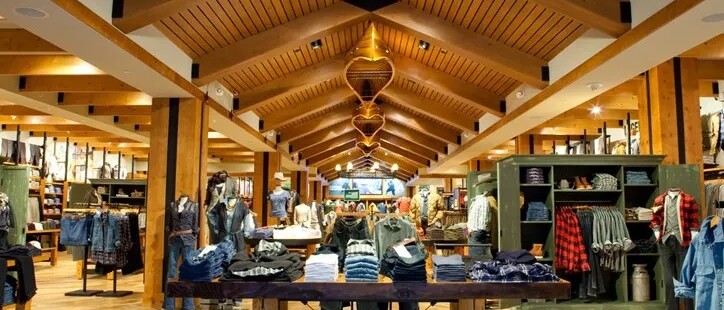
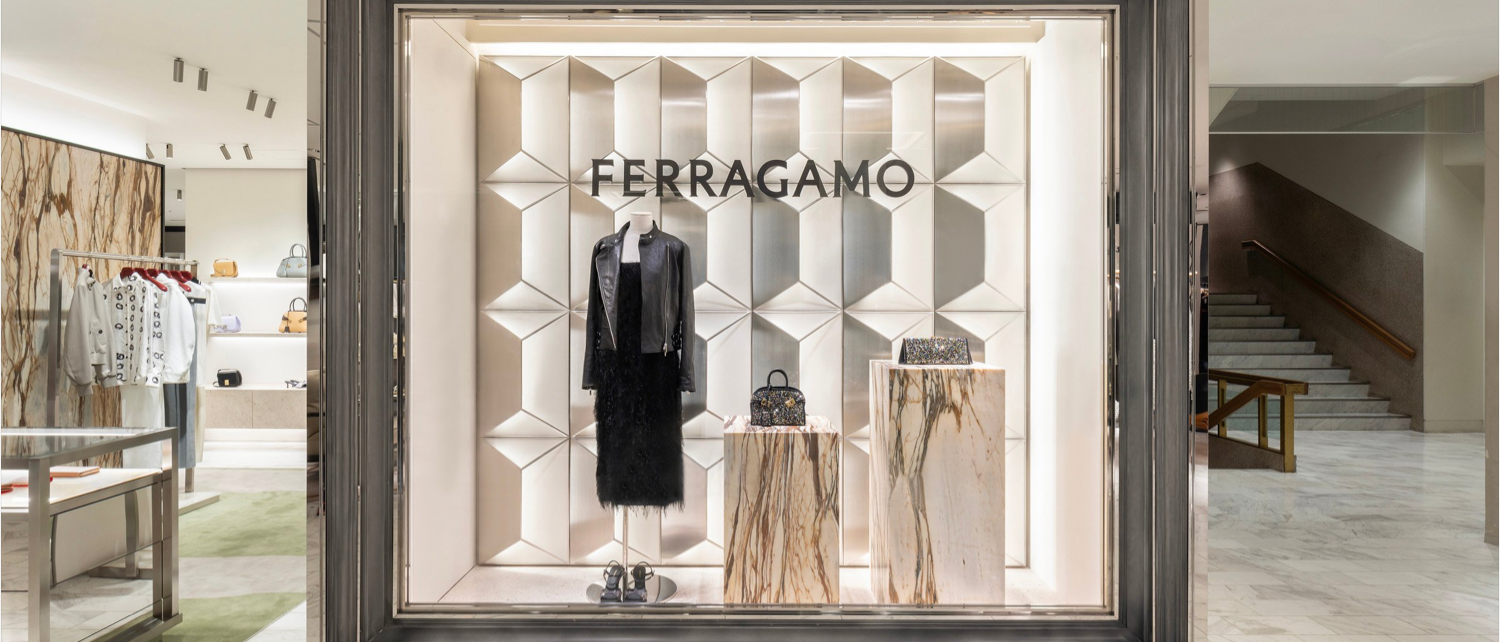
Retail construction also varies significantly depending on the type of retail environment. High-end and flagship retail spaces often demand premium finishes, custom millwork, specialized lighting, and extremely tight tolerances to support brand image and customer experience. In contrast, strip mall and neighborhood retail typically prioritize durability, efficiency, and cost control, with straightforward construction solutions that support quick turnover and long-term maintenance. Understanding these differences—and tailoring the construction approach accordingly—is critical to delivering successful retail projects.
We specialize in retail construction across the full spectrum of retail environments. Our experience includes ground-up retail buildings, tenant fit-outs, interior store buildouts, and renovations within both enclosed shopping centers and open-air strip malls. We work closely with landlords, property managers, architects, and tenant representatives to ensure compliance with lease requirements, brand standards, and local jurisdictional approvals. By maintaining disciplined scheduling, detailed coordination, and clear communication, we deliver retail spaces that support tenant operations, enhance customer experience, and protect the long-term performance of the asset.