


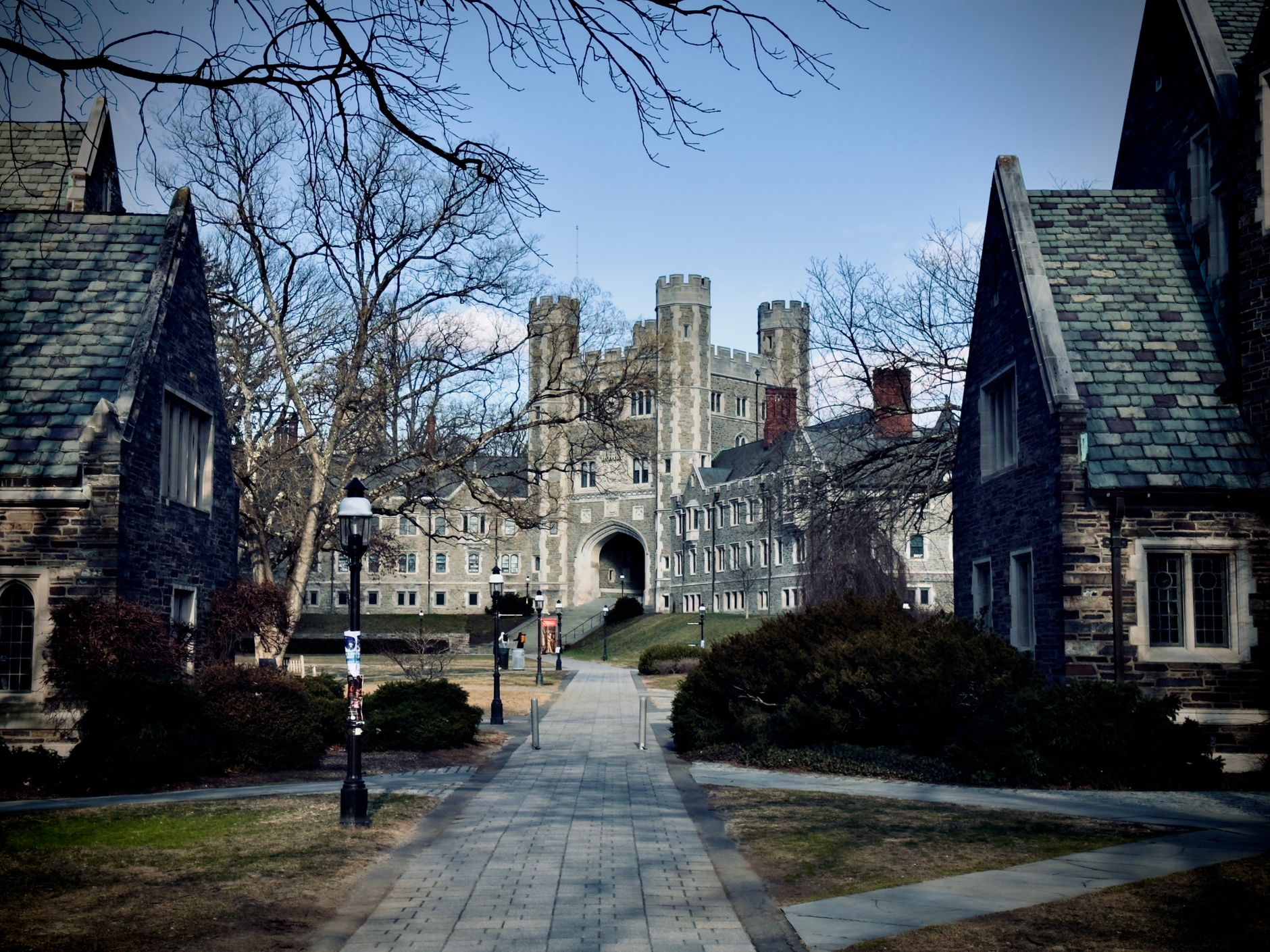
Where We Build: Central Jersey Counties and Cities We Serve
Central Jersey is less a single market than a band of distinct ones stitched together by Route 1, the Turnpike, and the Northeast Corridor rail line. Our service area spans:
- Mercer County – Princeton, Trenton, Hamilton, Ewing, and the Route 1 research-and-office corridor;
- Middlesex County – New Brunswick, Edison, Woodbridge, Piscataway, and the Raritan Center industrial market;
- Somerset County – Bridgewater, Somerville, Franklin, and the I-287 pharmaceutical corridor;
- Hunterdon County – Flemington, Clinton, and the lower-density western communities along the Delaware;
- parts of Monmouth and Union that blend into the Central Jersey commute shed.
From Princeton’s walkable downtown and university campuses to the warehouse-dense Raritan Center and the lab buildings off Route 1, Central Jersey packs research, institutional, industrial, and retail construction into one compact corridor. Knowing the difference between a lab fit-out in Plainsboro, a downtown retail buildout in New Brunswick, and a distribution facility in Edison—and the very different rules each carries—is central to delivering successfully here.
Commercial Sectors We Build in Central Jersey
Central Jersey’s research-driven economy supports a wide range of commercial construction, and Plescia delivers across all of the region’s major sectors:
- Life sciences & pharmaceutical – lab, R&D, and GMP-adjacent space along the Route 1 and I-287 corridors;
- Corporate office & tenant improvements – repositioning and modernizing office space in Princeton, Bridgewater, and the Metropark submarket;
- Healthcare & medical – outpatient centers and medical offices tied to systems like RWJBarnabas, Penn Medicine Princeton, and Hackensack Meridian;
- Higher education & institutional – academic, administrative, and research facilities serving Princeton, Rutgers, and TCNJ;
- Industrial & logistics – warehouse and distribution facilities around Exit 8A, Raritan Center, and the Turnpike;
- Retail & restaurant – buildouts in university downtowns, regional centers, and the Route 1 retail corridor;
- Mixed-use & multifamily – ground-floor commercial and transit-oriented redevelopment near Northeast Corridor stations.
Each of these building types carries its own engineering, compliance, and logistics demands, and our experience across the full range is what lets us match the right approach to the right project.
Project Types We Deliver
Owners come to us for the full spectrum of commercial construction delivery, including:
- Ground-up construction of new commercial, research, and mixed-use buildings;
- Interior fit-outs and tenant improvements for office, lab, retail, medical, and restaurant tenants;
- Lab and R&D buildouts with the specialized MEP, containment, and vibration requirements life-science work demands;
- Adaptive reuse of older office and industrial buildings for modern uses;
- Renovations and repositioning of existing commercial space;
- Fast-track delivery where time to occupancy or time to revenue is critical.
Whether the work is a full ground-up build or a fast-track interior fit-out in an occupied building, we manage it as a single point of accountability from preconstruction through closeout.
Princeton, Route 1 & the Research Corridor
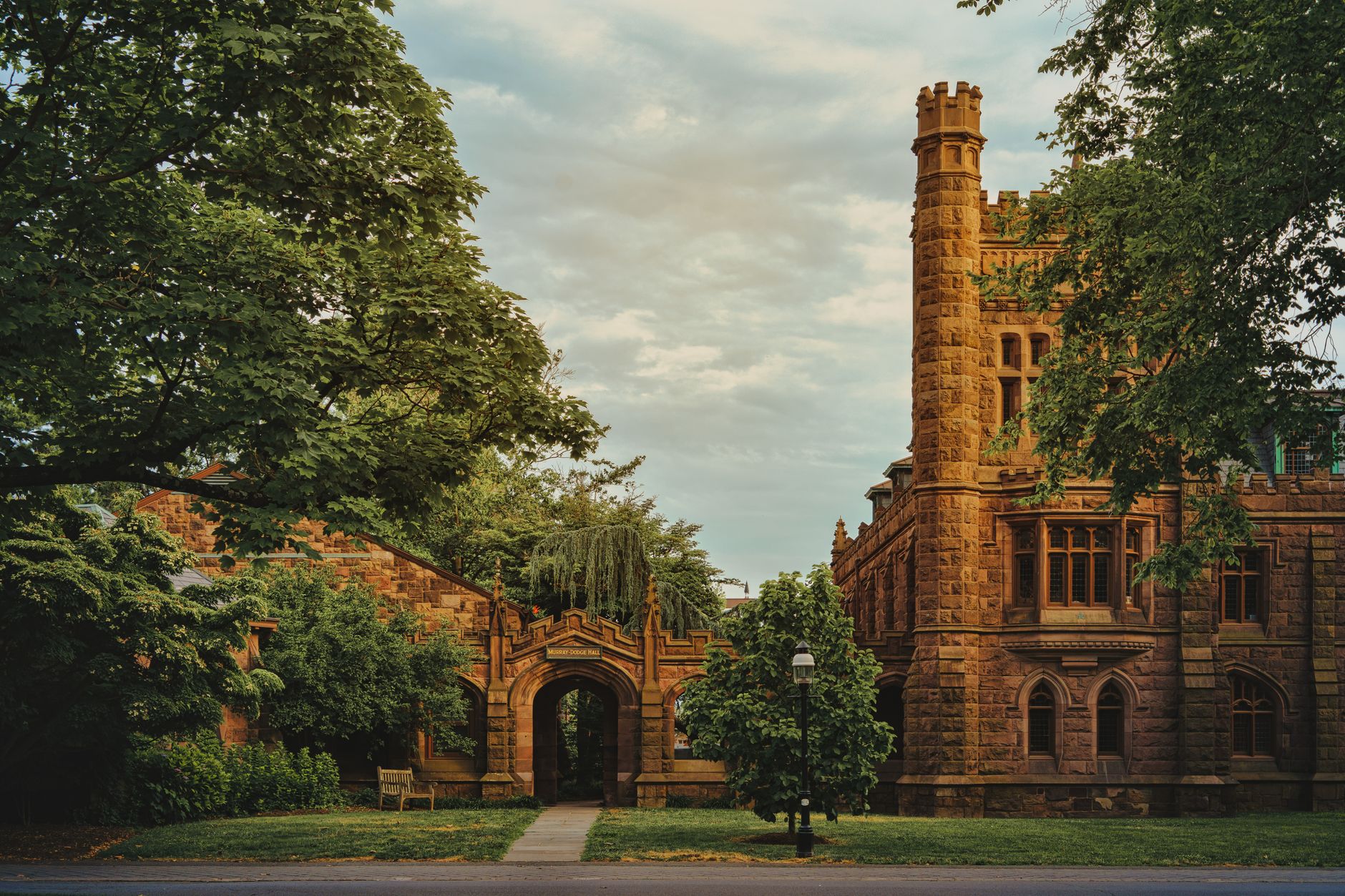
The Route 1 corridor from Princeton through West Windsor and Plainsboro is the heart of Central Jersey’s economy—home to Princeton University, pharmaceutical and life-science campuses, and a deep bench of corporate and research tenants. Building here often means delivering technically demanding lab and office space: tight tolerances on mechanical and electrical systems, clean and controlled environments, vibration and air-quality requirements, and phasing that keeps adjacent research running. It also means working within Princeton’s design-conscious review standards and the traffic and access constraints of a corridor that never really slows down. For owners and institutions building along Route 1, experience with research and institutional construction is essential—and it is work we know well.
New Brunswick, Trenton & the Urban Centers
Central Jersey’s cities carry a different set of demands than its suburban corridors. New Brunswick—anchored by Rutgers University and RWJBarnabas Health—is in the middle of a long redevelopment wave of medical, academic, and mixed-use towers on tight urban sites. Trenton, the state capital, layers government, institutional, and historic-district work onto a dense downtown. Building in these centers means constrained sites with little staging room, careful logistics and just-in-time deliveries, coordination with active campuses and hospitals, and close work with each city’s construction office. Our experience across both the urban centers and the suburban corridors lets us tailor the approach to each project.
Local Regulations, Permitting & Logistics in Central Jersey
Successful delivery in Central Jersey depends on understanding the layers of review every commercial project passes through:
- The New Jersey Uniform Construction Code (UCC), enforced by each municipality’s construction official across the building, electrical, plumbing, and fire subcodes, with a Certificate of Occupancy issued only after final inspections;
- Municipal Planning and Zoning Boards, plus historic and design review in towns like Princeton, Trenton, and Somerville;
- NJDEP review for wetlands, flood hazard areas along the Raritan, Millstone, and Delaware, stormwater, and any brownfield remediation;
- The New Jersey Highlands, which adds environmental constraints in northwestern Hunterdon and Somerset;
- Institutional and campus standards at Princeton, Rutgers, and area health systems, which often run alongside municipal approvals.
Just as important are the logistics of building in a busy corridor: deliveries and staging on tight downtown and campus sites, coordination with building management in occupied properties, utility lead times with PSE&G and local authorities, and traffic planning around Route 1, the Turnpike, and the Northeast Corridor. We build these realities into the schedule during preconstruction rather than discovering them in the field.
Representative Commercial Work
Plescia’s portfolio spans corporate, retail, institutional, and life-science construction across the New York and New Jersey metro. A few projects that reflect the range of sectors and building types we deliver:
- WebMD: a commercial interior office project for a major digital-health company.
- Google: high-specification corporate workplace construction.
- Aspire Pharmaceuticals: pharmaceutical and life-science facility work of the kind Central Jersey’s research corridor demands.
These projects reflect the sectors, building types, and technical standards we bring to commercial work throughout Central Jersey.
Your Central Jersey Construction Partner — Based in Morristown
Plescia Construction & Development is headquartered in Morristown, a short drive up the I-287 corridor from the heart of Central Jersey. Being based in New Jersey means we know its construction officials, review boards, traffic patterns, and submarkets firsthand—and we can be on site quickly when it matters. From early budgeting and approvals through final inspections, we act as a single point of accountability, aligning owners, designers, municipal and institutional officials, and trade partners around a clear schedule and a predictable result. For owners building across Central Jersey, we bring a level of local insight and commitment they can rely on.
Frequently Asked Questions
What areas of Central Jersey does Plescia serve?
We serve the full Central Jersey region, including Mercer, Middlesex, Somerset, and Hunterdon counties, along with the parts of Monmouth and Union that blend into the Central Jersey corridor. That covers cities and downtowns like Princeton, Trenton, New Brunswick, and Edison, the Route 1 and I-287 research and office corridors, and the industrial markets around Exit 8A and Raritan Center.
Where is Plescia's office located relative to Central Jersey?
Plescia Construction & Development is headquartered in Morristown, in Morris County, a short drive up the I-287 corridor from Central Jersey. Being based in New Jersey lets us respond quickly, maintain close relationships with local construction officials and review boards, and bring firsthand knowledge of each submarket to every project.
What types of commercial projects does Plescia build in Central Jersey?
We deliver across life sciences and pharmaceutical, corporate office, healthcare, higher education and institutional, industrial and logistics, retail, restaurant, and mixed-use commercial work. Project types range from ground-up construction and lab and R&D buildouts to interior fit-outs, adaptive reuse, renovations, and fast-track tenant improvements.
Does Plescia build life-science and lab space in the Route 1 corridor?
Yes. The Route 1 and I-287 corridors are central to Central Jersey’s economy, and lab, R&D, and life-science fit-outs are a core part of our work. That construction carries specialized mechanical, electrical, containment, vibration, and air-quality requirements, and often has to be phased to keep adjacent research running—conditions we plan for from preconstruction onward.
What should owners know about permitting and regulations in Central Jersey?
Commercial projects follow the New Jersey Uniform Construction Code and are permitted and inspected by each municipality’s construction official, with approvals often requiring Planning Board, Zoning Board, and sometimes historic or design review in towns like Princeton and Trenton. Depending on location, projects may also involve NJDEP environmental review, New Jersey Highlands rules in the northwest, or institutional standards at Princeton, Rutgers, and area health systems. Engaging the right officials early and submitting complete, coordinated documents is the most effective way to keep approvals on schedule.