



Where We Build: Salem County Towns We Serve
Salem County is largely rural, with its commercial and industrial activity concentrated along the Delaware River and a handful of town centers, and we work across all of it. Our service area includes:
- Salem – the historic county seat on the Delaware River, with a manufacturing heritage and the county’s civic and medical core;
- Pennsville & Carneys Point – the Delaware Memorial Bridge gateway and the county’s industrial and emerging logistics corridor near Turnpike Exit 1;
- Penns Grove – a riverfront community with redevelopment potential;
- Woodstown – the historic agricultural town center serving the surrounding farmland;
- Pittsgrove, Pilesgrove, Alloway & the rural townships – the working farms and Bayshore communities that define the county.
From an industrial facility near the Delaware to an agribusiness building in the rural townships or a retail and civic project in Salem or Woodstown, the county’s commercial construction spans heavy industry, agriculture, logistics, and small-town work—each with its own demands and rules.
Commercial Sectors We Build in Salem County
Salem County’s agriculture-, energy-, and industry-driven economy supports a focused but real range of commercial construction, and Plescia delivers across its major sectors:
- Industrial & manufacturing – facility, production, and plant-support work reflecting the county’s energy and manufacturing base;
- Agriculture & agribusiness – commercial farm buildings, food-processing, and storage facilities serving one of New Jersey’s leading agricultural counties;
- Industrial & logistics – warehouse and distribution development near Turnpike Exit 1 and the Delaware Memorial Bridge;
- Healthcare & medical – outpatient centers and medical offices tied to Salem Medical Center and Inspira Health;
- Retail & restaurant – buildouts in the Salem, Pennsville, and Woodstown town centers and along the highway corridors;
- Institutional & municipal – civic, educational, and community facilities serving the county.
Each of these building types carries its own engineering, compliance, and logistics demands, and our experience across the full range is what lets us match the right approach to the right project.
Project Types We Deliver
Owners come to us for the full spectrum of commercial construction delivery, including:
- Ground-up construction of new commercial, industrial, and agricultural buildings;
- Industrial, warehouse & production-facility construction in the county’s river and highway corridors;
- Interior fit-outs and tenant improvements for office, retail, medical, and restaurant tenants;
- Agribusiness and food-facility work, including renovations and expansions;
- Renovations and adaptive reuse of existing commercial and town-center space;
- Fast-track delivery where time to occupancy or time to revenue is critical.
Whether the work is a full ground-up build or a fast-track interior fit-out in an occupied building, we manage it as a single point of accountability from preconstruction through closeout.
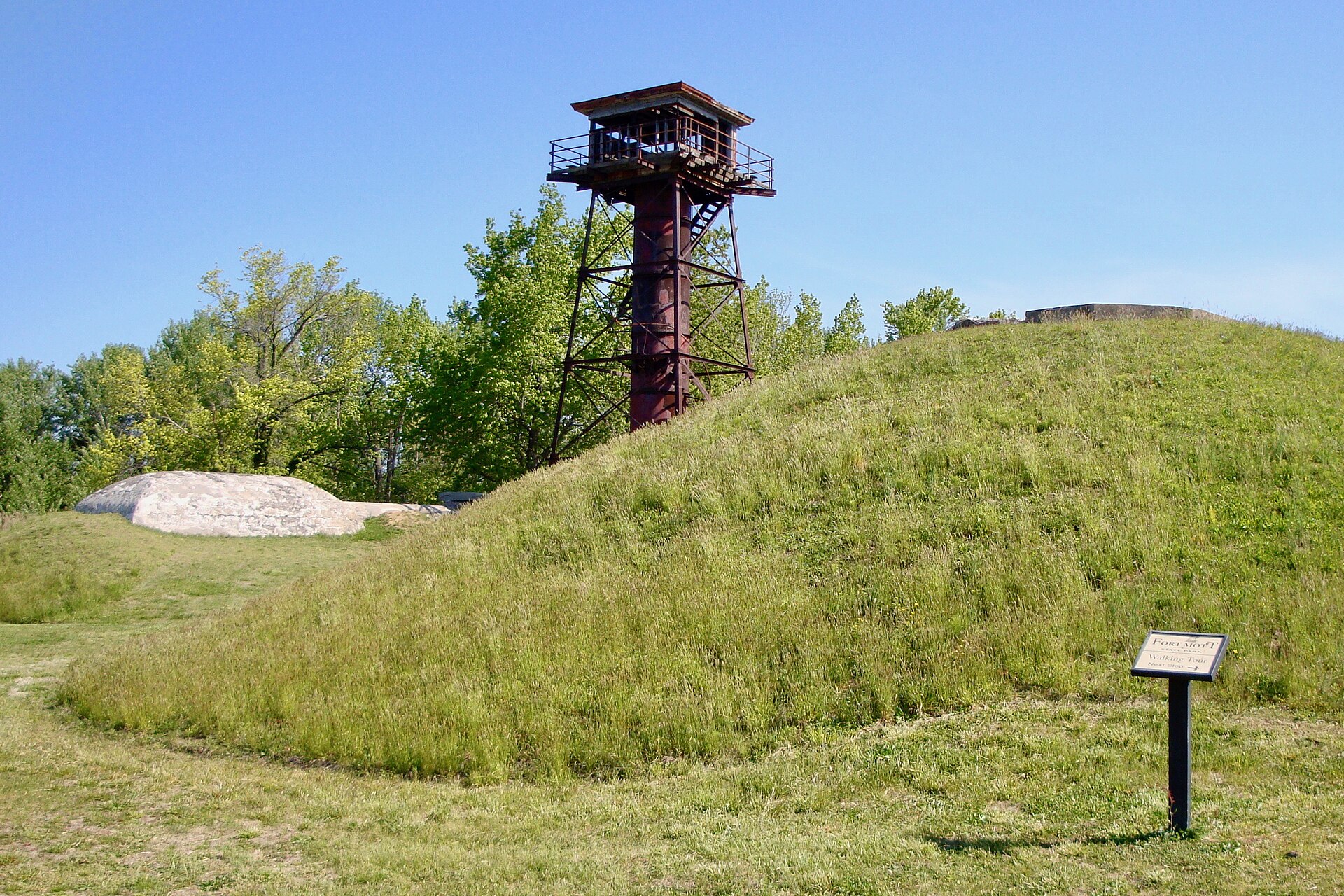
Salem, the Delaware River & the Industrial Base
The city of Salem and the Delaware River corridor anchor the county’s industrial economy. Salem pairs a historic downtown and the county’s civic and healthcare core with a long manufacturing heritage, while the river corridor from Carneys Point through Pennsville carries energy, chemical, and industrial activity—including one of the largest power-generation complexes in the eastern United States nearby. Building in this part of the county means industrial and plant-support work with demanding standards, riverfront and tidal sites that trigger significant environmental review, and coordination with major industrial operators and their safety and access requirements. Our experience delivering complex, schedule-driven commercial and industrial-adjacent work translates directly to these demands.
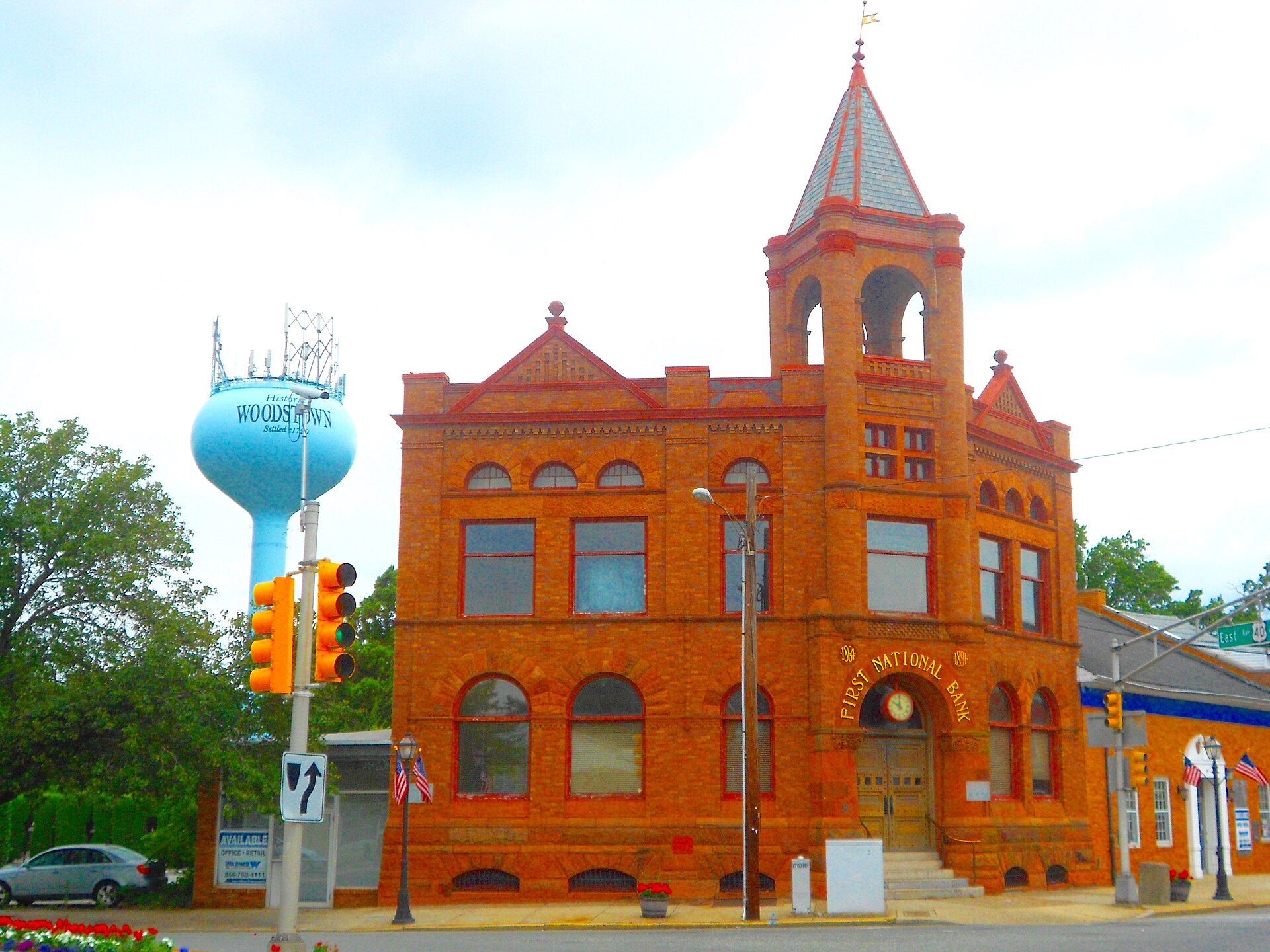
Agriculture, Logistics & the Rural County
Beyond the river corridor, Salem County is defined by farmland and a growing logistics edge. It is one of New Jersey’s leading agricultural counties, and agribusiness—commercial farm buildings, food-processing, and storage—forms a steady base of construction, anchored by the historic market town of Woodstown. At the same time, the county’s position at Turnpike Exit 1 and the Delaware Memorial Bridge has begun to draw warehouse and distribution development to Carneys Point and the surrounding corridor. Across this landscape, projects mean working in a rural setting with longer lead times, on agricultural and industrial sites, and within small municipal offices. Our capacity and discipline let us deliver across the county’s working economy.
Local Regulations, Permitting & Logistics in Salem County
Successful delivery in Salem County depends on understanding the layers of review every commercial project passes through:
- The New Jersey Uniform Construction Code (UCC), enforced by each municipality’s construction official across the building, electrical, plumbing, and fire subcodes, with a Certificate of Occupancy issued only after final inspections;
- Municipal Planning and Zoning Boards, often in small townships where complete, coordinated submissions and good working relationships are key;
- NJDEP review for the county’s extensive Delaware Bayshore wetlands, tidelands, flood hazard areas, stormwater, and any industrial-site remediation;
- Farmland-preservation and agricultural considerations across the county’s working-farm landscape;
- Industrial and safety standards for projects on or adjacent to the county’s major energy and manufacturing facilities.
Just as important are the logistics of building in a rural county: longer material and trade lead times, deliveries and staging on rural and industrial sites, utility coordination where infrastructure is spread out, and access planning around the Turnpike, Route 40, and Route 45. We build these realities into the schedule during preconstruction rather than discovering them in the field.
Representative Commercial Work
Plescia’s portfolio spans corporate, retail, institutional, and industrial-adjacent construction across the New York and New Jersey metro. A few projects that reflect the range of sectors and building types we deliver:
- Toscana Cheese: food-production and facility work reflecting the agribusiness and industrial side of our experience.
- Restoration Hardware: large-format retail buildout.
- Boston Consulting Group: premium corporate and professional office buildout.
These projects reflect the sectors, building types, and standards we bring to commercial work throughout Salem County.
Your Salem County Construction Partner
Plescia Construction & Development serves Salem County with the discipline of complex commercial and industrial-adjacent work, brought to a rural county where agriculture, heavy industry, and extensive environmental review all come into play. We know New Jersey’s construction officials, review boards, and the realities of building from the Delaware River to the farmland—and we manage every project as a single point of accountability, aligning owners, designers, municipal officials, and trade partners around a clear schedule and a predictable result. For owners building across Salem County, we deliver.
Frequently Asked Questions
What towns in Salem County does Plescia serve?
We serve all of Salem County, including Salem, Pennsville, Carneys Point, Penns Grove, Woodstown, Pittsgrove, Pilesgrove, Alloway, and the rural townships, along with the Delaware River industrial corridor and the Turnpike Exit 1, Route 40, and Route 45 corridors.
Does Plescia build industrial and agribusiness projects in Salem County?
Yes. Salem County is one of New Jersey’s most rural and industry-anchored counties, with a strong agricultural base and a significant energy and manufacturing presence along the Delaware River. We deliver industrial, production-facility, agribusiness, and food-facility construction there, managing the demanding standards, riverfront and tidal environmental review, and rural logistics this work involves.
What types of commercial projects does Plescia build in Salem County?
We deliver across industrial and manufacturing, agriculture and agribusiness, industrial and logistics, healthcare and medical, retail, restaurant, and institutional commercial work. Project types range from ground-up and industrial construction and food-facility work to interior fit-outs, renovations, adaptive reuse, and fast-track tenant improvements.
Does Plescia serve the logistics growth near the Delaware Memorial Bridge?
Yes. Salem County’s position at Turnpike Exit 1 and the Delaware Memorial Bridge has begun drawing warehouse and distribution development to Carneys Point and the surrounding corridor. We deliver warehouse and light-industrial construction there, managing the site work, access, and coordination that distribution projects require.
What should owners know about permitting and regulations in Salem County?
Commercial projects follow the New Jersey Uniform Construction Code and are permitted and inspected by each municipality’s construction official, with much of the work in small townships where complete, coordinated submissions matter. The county’s extensive Delaware Bayshore wetlands and tidelands trigger significant NJDEP review, farmland-preservation considerations can apply, and projects near major energy or manufacturing facilities carry industrial and safety standards. Engaging the right officials early is the most effective way to keep approvals on schedule.