



Where We Build: Newark Districts We Serve
Newark is a city of distinct, dense districts, and we work across all of them. Our service area includes:
- Downtown & the Gateway Center – the corporate business district, the office towers, and the transit-connected core around Newark Penn Station;
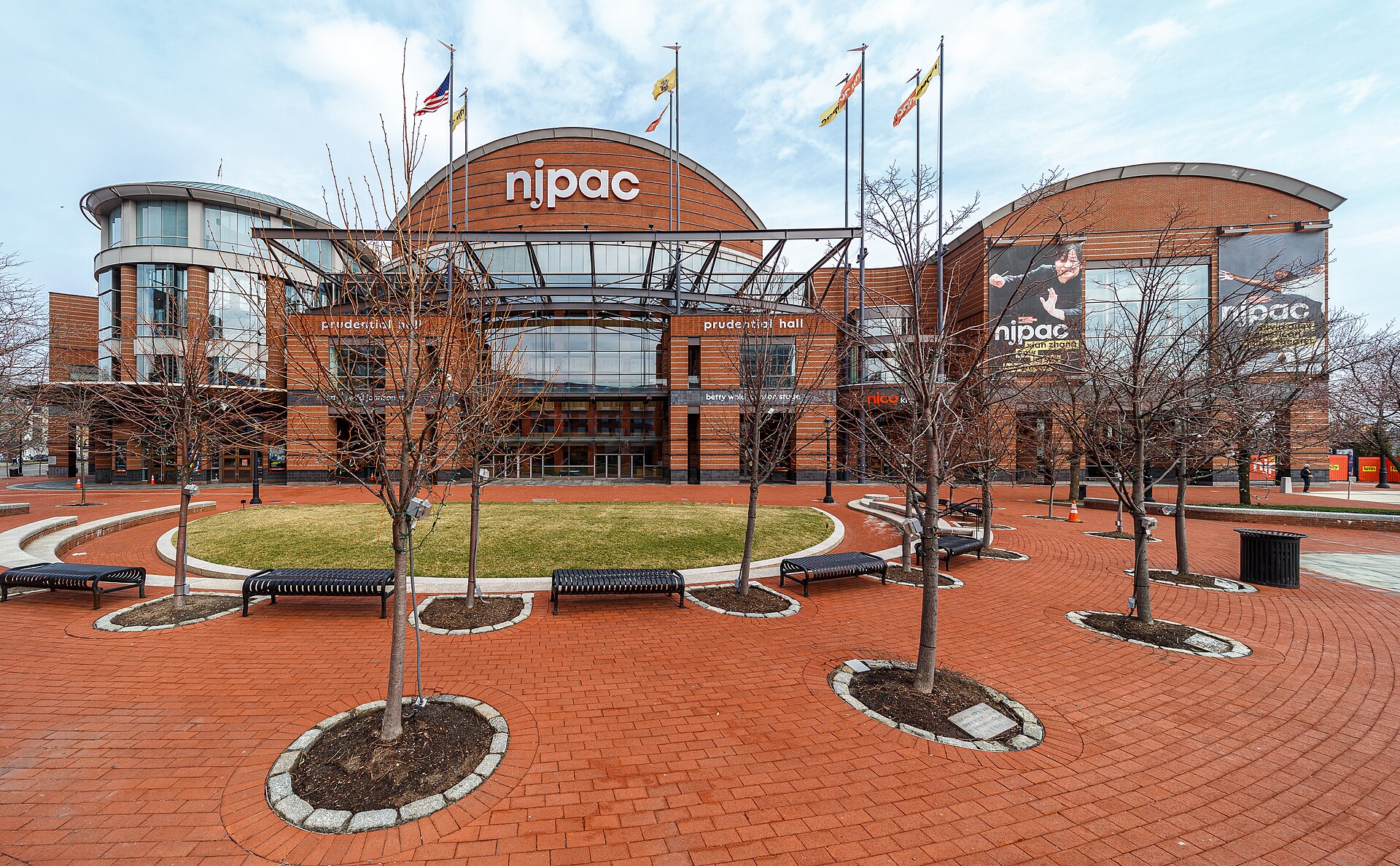
- The arts and university district – NJPAC, the Prudential Center, Rutgers–Newark, NJIT, and Essex County College;
- The medical district – University Hospital and the health-sciences campus;
- The Ironbound (East Ward) – the dense Ferry Street commercial, restaurant, and industrial district;
- The North, South, West, and Central Wards – neighborhood commercial corridors and active redevelopment areas.
From a corporate fit-out at Gateway Center to a medical project at University Hospital or a restaurant buildout in the Ironbound, Newark’s commercial construction spans corporate, institutional, healthcare, and retail work—each with its own demands and rules.
Commercial Sectors We Build in Newark
Newark’s corporate-, institutional-, and transportation-driven economy supports a wide range of commercial construction, and Plescia delivers across all of its major sectors:
- Corporate office & tenant improvements – repositioning and modernizing space in the Gateway Center and the downtown business district;
- Healthcare & medical – outpatient and hospital-affiliated work tied to University Hospital, Newark Beth Israel, and RWJBarnabas;
- Higher education & institutional – academic and research facilities serving Rutgers–Newark, NJIT, and Essex County College;
- Arts, entertainment & hospitality – venues, hotels, and cultural facilities around NJPAC and the Prudential Center;
- Retail & restaurant – buildouts downtown, in the Ironbound, and along the neighborhood corridors;
- Mixed-use & multifamily – the downtown residential boom and transit-oriented redevelopment, including Teachers Village and waterfront projects.
Each of these building types carries its own engineering, compliance, and logistics demands, and our experience across the full range is what lets us match the right approach to the right project.
Project Types We Deliver
Owners come to us for the full spectrum of commercial construction delivery, including:
- Ground-up construction of new commercial, institutional, and mixed-use buildings;
- Interior fit-outs and tenant improvements for office, retail, medical, and restaurant tenants;
- Adaptive reuse of Newark’s older office and industrial building stock;
- Core & shell and base-building upgrades, including façade and building-systems work in high-rises;
- Renovations and repositioning of existing commercial space;
- Fast-track delivery for tenant improvements and competitive openings where time to revenue is critical.
Whether the work is a high-rise core-and-shell or a fast-track interior fit-out in an occupied building, we manage it as a single point of accountability from preconstruction through closeout.
Downtown Newark, Gateway & the Corporate Core
Downtown Newark is the corporate heart of the city—a cluster of office towers and the Gateway Center complex, home to Prudential’s headquarters and major employers like Audible and Panasonic, all tied together by Newark Penn Station and the region’s transit network. The district is in the middle of a sustained redevelopment wave, adding offices, residences, and hospitality alongside its established towers. Building here means working on tight urban and high-rise sites with limited staging, coordinating closely with the city’s construction office, navigating brownfield remediation on former industrial parcels, and planning careful logistics in a dense, transit-heavy setting. Our experience with complex, occupied, urban construction—including office work at Gateway Center—makes downtown Newark a natural fit.

Arts, Eds, Meds & the Ironbound
Newark’s strength is its diversity of institutions. NJPAC, the Prudential Center, the Newark Museum of Art, and Symphony Hall anchor one of the region’s great arts districts; Rutgers–Newark, NJIT, and Essex County College drive academic and research construction; and University Hospital and Newark Beth Israel anchor a major medical market. To the east, the Ironbound—Newark’s famous Portuguese and Brazilian dining and commercial district along Ferry Street—generates continuous restaurant, retail, and mixed-use work. Building across these districts means institutional and healthcare projects with demanding standards, occupied-site and historic work, and tight urban logistics. Our experience across institutional, healthcare, hospitality, and retail construction lets us deliver throughout the city.
Local Regulations, Permitting & Logistics in Newark
Successful delivery in Newark depends on understanding the layers of review every commercial project passes through:
- The New Jersey Uniform Construction Code (UCC), enforced by the city’s construction official across the building, electrical, plumbing, and fire subcodes, with a Certificate of Occupancy issued only after final inspections;
- Newark’s Planning and Zoning Boards and redevelopment processes, which govern much of the city’s active development in designated redevelopment areas;
- High-rise and fire-protection requirements, plus coordination with Newark Penn Station, NJ Transit, and the Port Authority on many sites;
- NJDEP review for flood hazard areas along the Passaic River, stormwater, and brownfield remediation on former industrial sites;
- Institutional and health-system standards at the universities and hospitals that run alongside municipal approvals.
Just as important are the logistics of building in the state’s largest city: deliveries and staging on tight urban sites, coordination with building management in occupied properties, utility lead times with PSE&G, and traffic planning around the highways, Newark Liberty International Airport, the port, and the rail and transit network. We build these realities into the schedule during preconstruction rather than discovering them in the field.
Recent Newark Projects
Our work in Newark includes corporate office construction in the heart of the downtown business district:
- WebMD — 2 Gateway Center, Newark: a commercial interior office project in the heart of Newark’s downtown business district.
- Google: high-specification corporate workplace construction.
- Marriott: hospitality construction of the kind Newark’s growing downtown hotel market demands.
These projects reflect the sectors, building types, and standards we bring to commercial work throughout Newark.
Your Newark Construction Partner
Plescia Construction & Development serves Newark from our Morristown headquarters, a short drive west, with a portfolio that spans the corporate, institutional, and hospitality work the city is built on—including office construction at Gateway Center. We know New Jersey’s construction officials, redevelopment boards, and the realities of building in the state’s largest city—and we manage every project as a single point of accountability, aligning owners, designers, municipal officials, and trade partners around a clear schedule and a predictable result. For owners building in Newark, we deliver big-market capability with genuine local insight.
Frequently Asked Questions
What parts of Newark does Plescia serve?
We serve all of Newark, including the downtown business district and Gateway Center, the arts and university district around NJPAC, Rutgers–Newark, and NJIT, the University Hospital medical district, the Ironbound (East Ward), and the neighborhood corridors and redevelopment areas across the North, South, West, and Central Wards.
Has Plescia built projects in Newark?
Yes. Our Newark work includes a commercial interior office project for WebMD at 2 Gateway Center, in the heart of the downtown business district. Building in downtown Newark means working on tight urban sites, coordinating with the city’s construction office, and planning logistics in a dense, transit-heavy setting—conditions our team is experienced in managing.
What types of commercial projects does Plescia build in Newark?
We deliver across corporate office, healthcare and medical, higher education and institutional, arts and hospitality, retail, restaurant, and mixed-use commercial work. Project types range from ground-up and high-rise construction and adaptive reuse to interior fit-outs, core-and-shell upgrades, renovations, and fast-track tenant improvements.
Does Plescia build high-rise and downtown office projects in Newark?
Yes. Downtown Newark is the corporate core of the city, with office towers, the Gateway Center complex, and a sustained redevelopment wave. We deliver corporate fit-outs, base-building and core-and-shell upgrades, and high-rise work, managing the tight urban sites, transit coordination, and occupied-building logistics this work requires.
What should owners know about permitting and regulations in Newark?
Commercial projects follow the New Jersey Uniform Construction Code and are permitted and inspected by the city’s construction official, with much of the city’s active development governed by Planning Board, Zoning Board, and redevelopment-area processes. High-rise work carries additional fire-protection requirements, transit-adjacent sites involve NJ Transit and Port Authority coordination, and projects along the Passaic River or on former industrial land involve NJDEP and brownfield review. Engaging the right officials early and submitting complete, coordinated documents is the most effective way to keep approvals on schedule.