

Where We Build: Trenton Districts We Serve
As New Jersey’s capital and the seat of Mercer County, Trenton runs from a government-centered downtown to historic neighborhoods and the Delaware River, and we work across all of it. Our service area includes:
- Downtown & the Capitol District – the seat of New Jersey government, with the State House, the state office complex, and the central business district;
- Mill Hill & the historic core – the historic district just east of downtown, with its preserved row houses and civic-adjacent uses;
- Chambersburg (“the Burg”) – the dense south-side neighborhood and its commercial corridors;
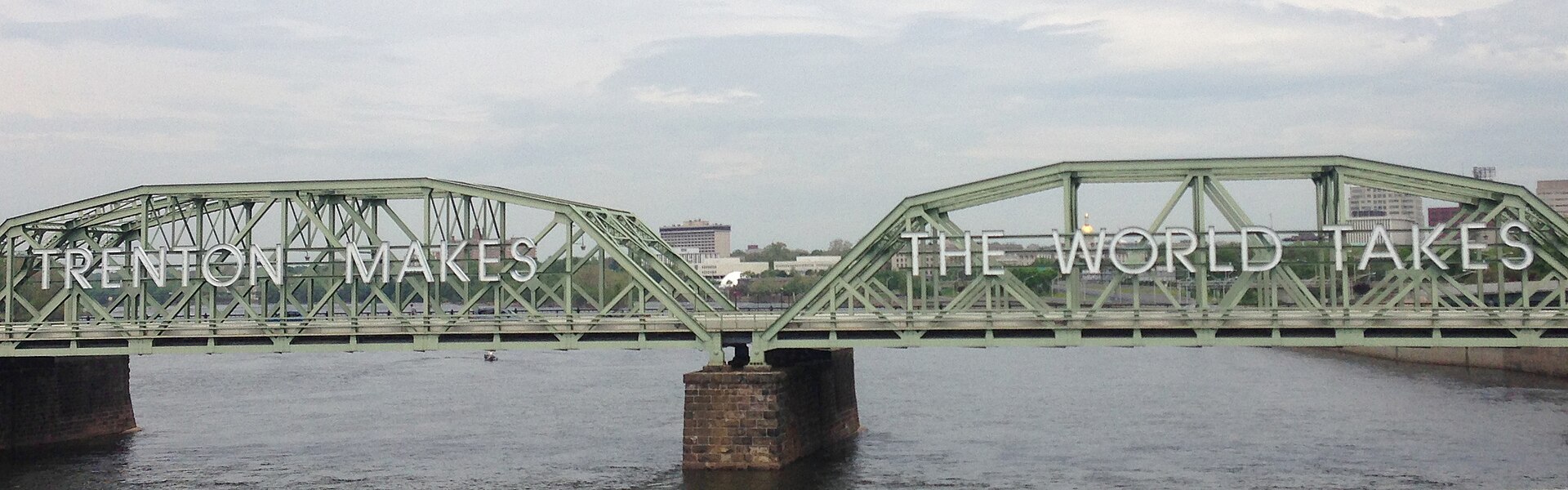
- The Delaware River waterfront – the riverfront district, including Arm & Hammer Park and the “Trenton Makes” bridge gateway;
- The Route 1 & Route 29 corridors – the commercial and institutional uses linking Trenton to Mercer County and the river.
From a state government project downtown to a healthcare or retail buildout across the city, Trenton’s commercial construction spans government, institutional, healthcare, and commercial work—each with its own demands and rules.
Commercial Sectors We Build in Trenton
Trenton’s government-, healthcare-, and institution-driven economy supports a wide range of commercial construction, and Plescia delivers across all of its major sectors:
- Government & institutional – state, county, and municipal facilities in New Jersey’s capital;
- Office & professional – downtown and corridor office space supporting government and the legal and professional economy;
- Healthcare & medical – outpatient centers and medical offices tied to Capital Health and St. Francis Medical Center;
- Retail & restaurant – buildouts in the downtown, neighborhood corridors, and Chambersburg;
- Hospitality – guest-facing work supporting the capital’s government and visitor traffic;
- Industrial & adaptive reuse – warehouse, light-industrial, and historic-building conversion across the city.
The State Capital & Government Construction
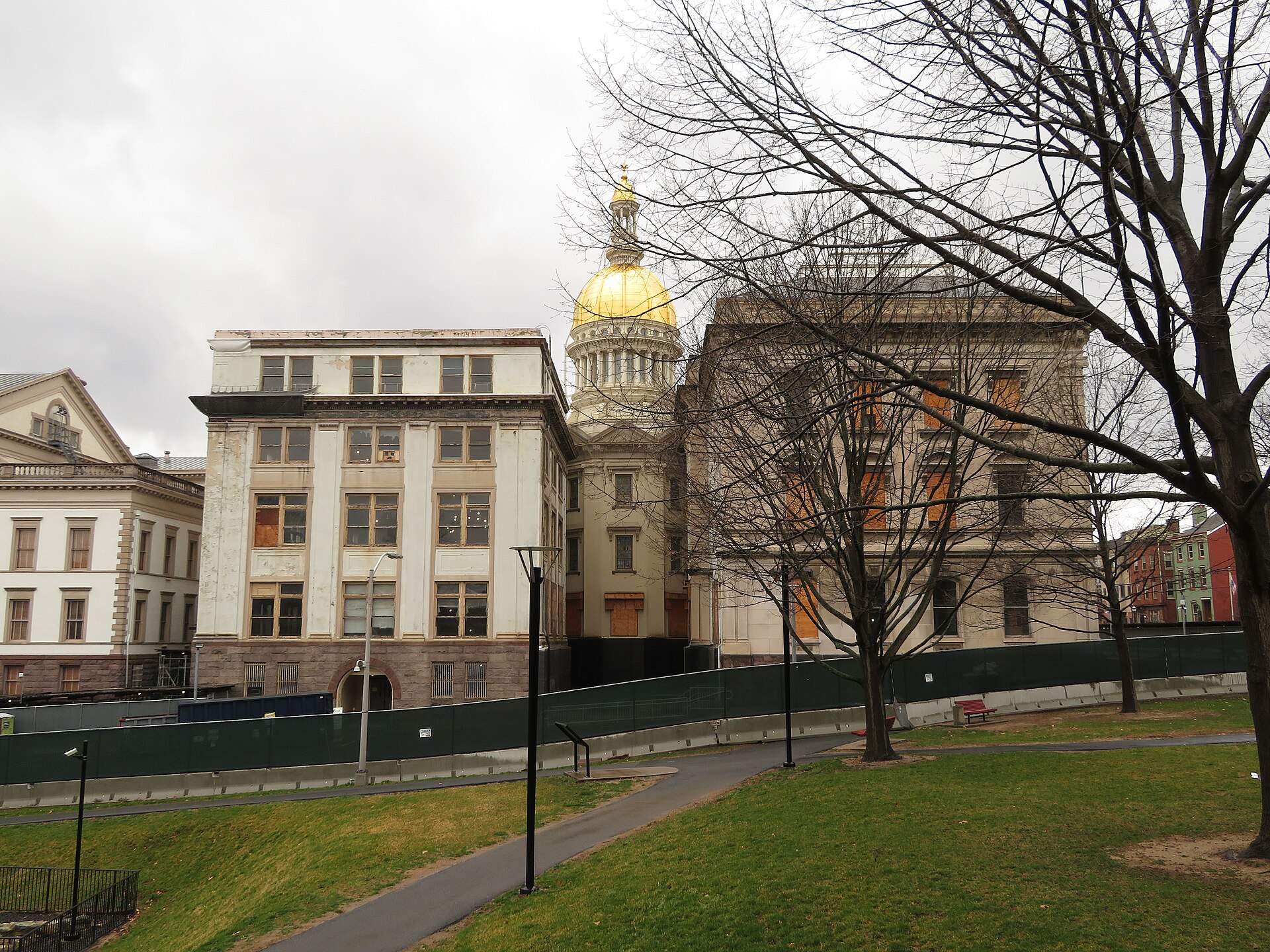
Trenton’s defining feature is its role as New Jersey’s capital and the seat of Mercer County. The State House, the surrounding state office complex, and county and municipal government make institutional and government construction the backbone of the city’s building market. Building in the capital district means working on civic and government sites, often in or around occupied and high-security buildings, to the standards and procurement requirements public work demands. Our experience across government, office, and institutional construction makes the Trenton core a natural fit.
Healthcare, the Waterfront & Adaptive Reuse
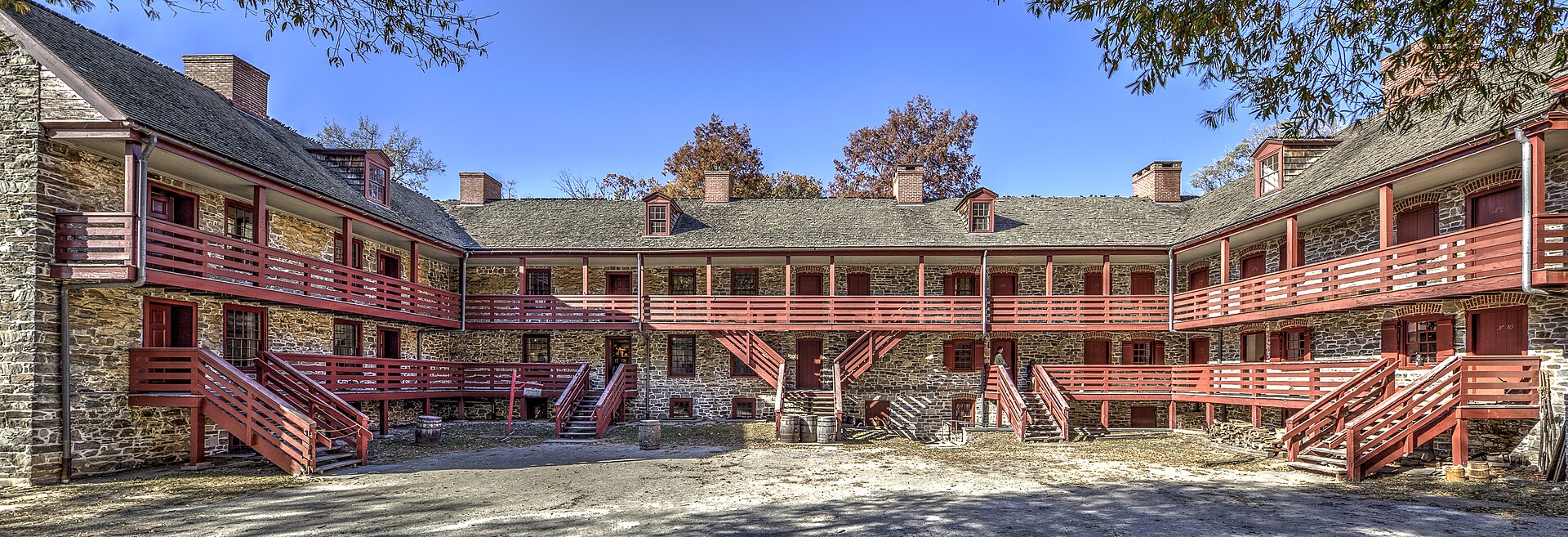
Beyond government, Trenton’s construction market runs on healthcare, neighborhood commerce, and the reuse of its historic building stock. Capital Health Regional Medical Center and St. Francis Medical Center anchor a significant healthcare presence, while the Delaware River waterfront—home to Arm & Hammer Park and the iconic “Trenton Makes, the World Takes” bridge—frames the city’s edge. Across Mill Hill and the older commercial corridors, adaptive reuse of historic structures is central to the city’s revitalization. Building across these areas means medical construction, riverfront work, and the careful renovation of older and historic buildings. Our experience across healthcare, office, and renovation work lets us deliver across the city.
Local Regulations, Permitting & Logistics in Trenton
Successful delivery in Trenton depends on understanding the layers of review every commercial project passes through:
- The New Jersey Uniform Construction Code (UCC), enforced by the city’s construction official across the building, electrical, plumbing, and fire subcodes, with a Certificate of Occupancy issued only after final inspections;
- Trenton’s Planning Board and Zoning Board of Adjustment, reviewing site plans, variances, and use across the city;
- Public procurement and state-agency coordination on government projects, including prevailing-wage and public-bidding requirements;
- Historic-district review in Mill Hill and on the city’s older building stock;
- NJDEP review for the Delaware River waterfront, plus NJDOT and county review on the Route 1 and Route 29 corridors.
Just as important are the logistics of building in a capital city: deliveries and staging on dense downtown and government sites, coordination with state and municipal building management in occupied facilities, utility lead times with PSE&G, and traffic planning around Route 1, Route 29, and the downtown core. We build these realities into the schedule during preconstruction rather than discovering them in the field.
Representative Commercial Work
Plescia’s portfolio spans corporate, institutional, healthcare-adjacent, and hospitality construction across the New York and New Jersey metro. A few projects that reflect the range of sectors and building types we deliver:
- Boston Consulting Group: corporate and institutional office construction of the kind the capital’s downtown demands.
- Aspire Pharmaceuticals: healthcare and life-science facility work.
- Marriott: hospitality construction of the kind the capital market demands.
These projects reflect the sectors, building types, and standards we bring to commercial work throughout Trenton.
Your Trenton Construction Partner
Plescia Construction & Development serves Trenton from our Morristown headquarters, with a portfolio that spans the government, healthcare, office, and institutional work the capital is built on. We know New Jersey’s construction officials, review boards, and the realities of building in a capital city—and we manage every project as a single point of accountability, aligning owners, designers, municipal and state officials, and trade partners around a clear schedule and a predictable result. For owners building in Trenton, we deliver big-market capability with genuine local insight.
Frequently Asked Questions
What parts of Trenton does Plescia serve?
We serve all of Trenton, including downtown and the Capitol District, Mill Hill and the historic core, Chambersburg, the Delaware River waterfront, and the Route 1 and Route 29 corridors.
Does Plescia build government and institutional projects in Trenton?
Yes. As New Jersey’s capital and the Mercer County seat, Trenton is centered on the State House and state, county, and municipal government. We deliver government and institutional construction, including the public-procurement, prevailing-wage, and security requirements that come with public work.
What types of commercial projects does Plescia build in Trenton?
We deliver across government and institutional, office and professional, healthcare and medical, retail and restaurant, hospitality, and industrial and adaptive-reuse work. Project types range from ground-up construction to interior fit-outs, historic renovations, and fast-track tenant improvements.
Does Plescia build healthcare projects in Trenton?
Yes. Capital Health Regional Medical Center and St. Francis Medical Center anchor a significant healthcare presence in the city. We deliver outpatient and medical-office construction with its specialized MEP and infection-control requirements, including work on and around active medical campuses.
What should owners know about permitting and regulations in Trenton?
Commercial projects follow the New Jersey Uniform Construction Code and are permitted and inspected by the city’s construction official, with Planning Board and Zoning Board review on site plans and variances. Government projects add public-procurement and state-agency coordination, work in Mill Hill and on older buildings involves historic-district review, and the riverfront and busy corridors can require NJDEP, NJDOT, and county review. Engaging the right officials early and submitting complete, coordinated documents is the most effective way to keep approvals on schedule.