


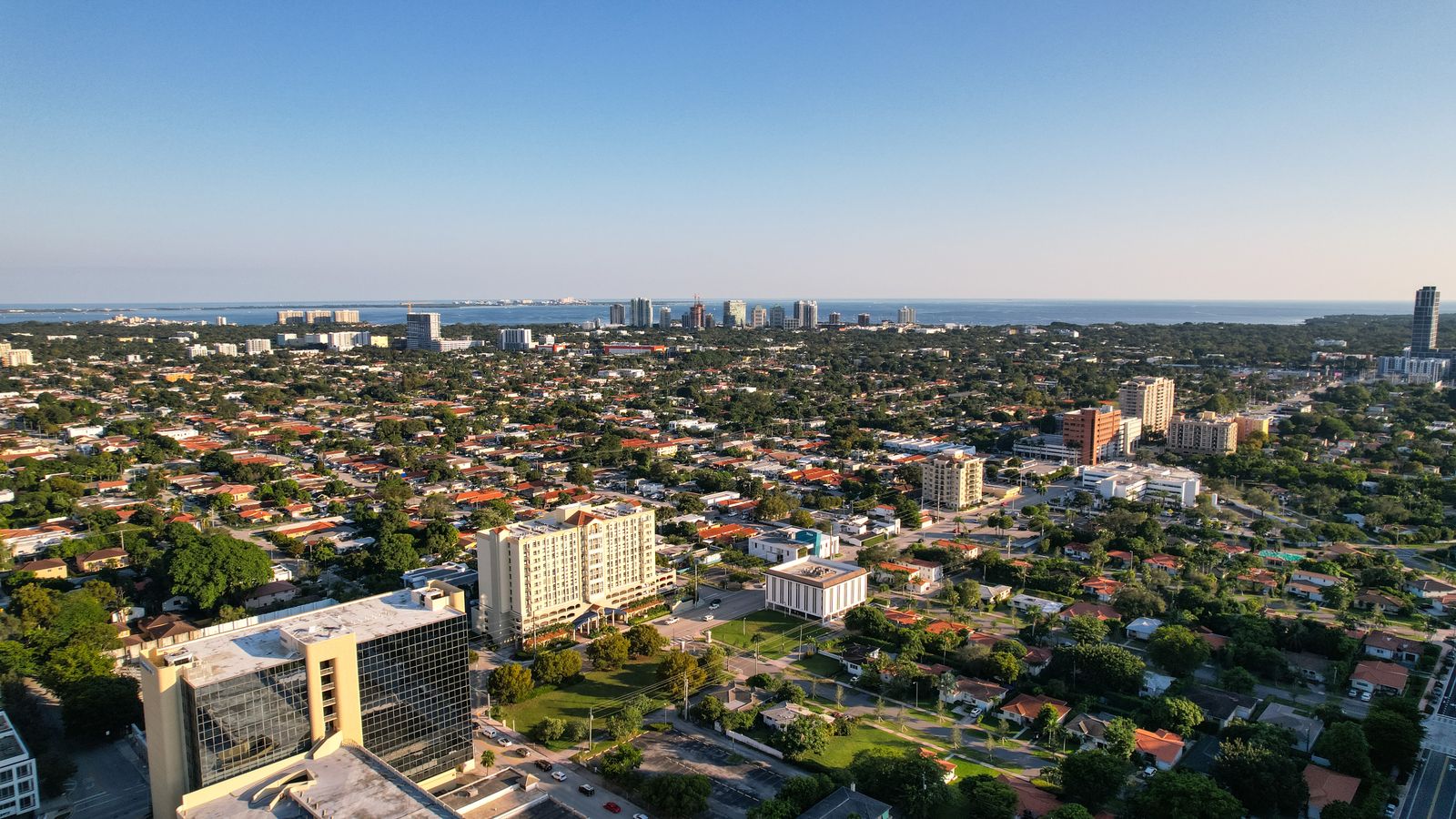
Plescia Construction & Development is a commercial general contractor and construction management firm building across Miami-Dade County — one of the largest and most demanding commercial construction markets in the country. From high-rise office and mixed-use in Miami and Brickell to hospitality on Miami Beach, the vast industrial market around the airport, and retail and healthcare across the county’s 34 municipalities, we build to the standard — and the strictest building code in Florida — that Miami-Dade requires.
Commercial Construction Across Miami-Dade
Miami-Dade is really many markets at once. Downtown Miami and Brickell drive high-rise office and mixed-use; Miami Beach anchors a global hospitality market; Doral, Medley, Hialeah, and the Airport West corridor form one of the busiest industrial and logistics hubs in the United States; and suburbs from Kendall to Aventura to Homestead carry their own retail, office, and healthcare. All of it sits within the High-Velocity Hurricane Zone, the most stringent part of the Florida Building Code. Each of these markets asks something specific from a contractor, and we build to it.
Our Miami-Dade work spans the full range of commercial space:
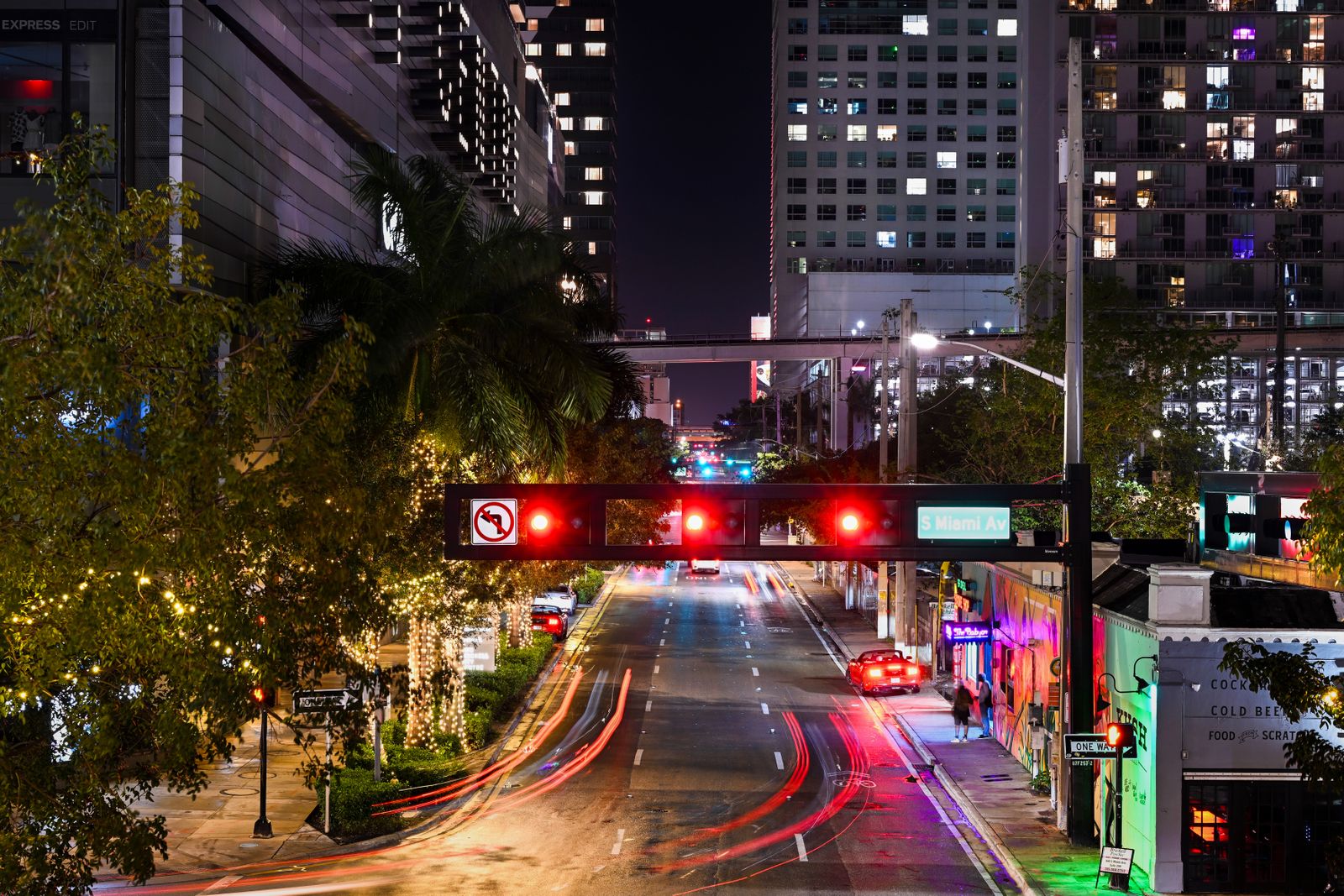
- High-rise office and mixed-use — Class A office and mixed-use build-outs in Miami, Brickell, and the urban core.
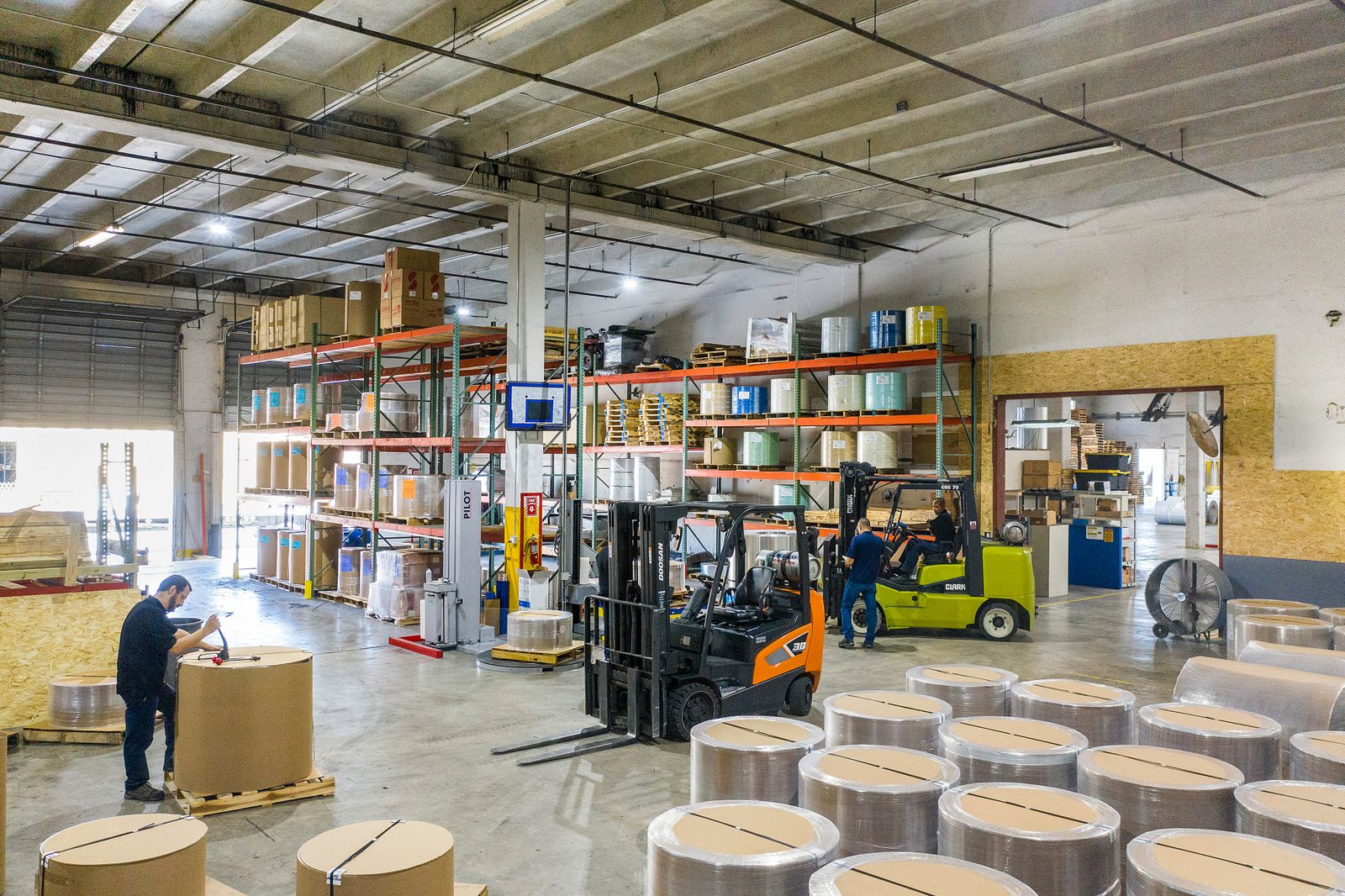
- Industrial and logistics — warehouse, distribution, and flex space in Doral, Medley, Hialeah, and the Airport West corridor near Miami International.
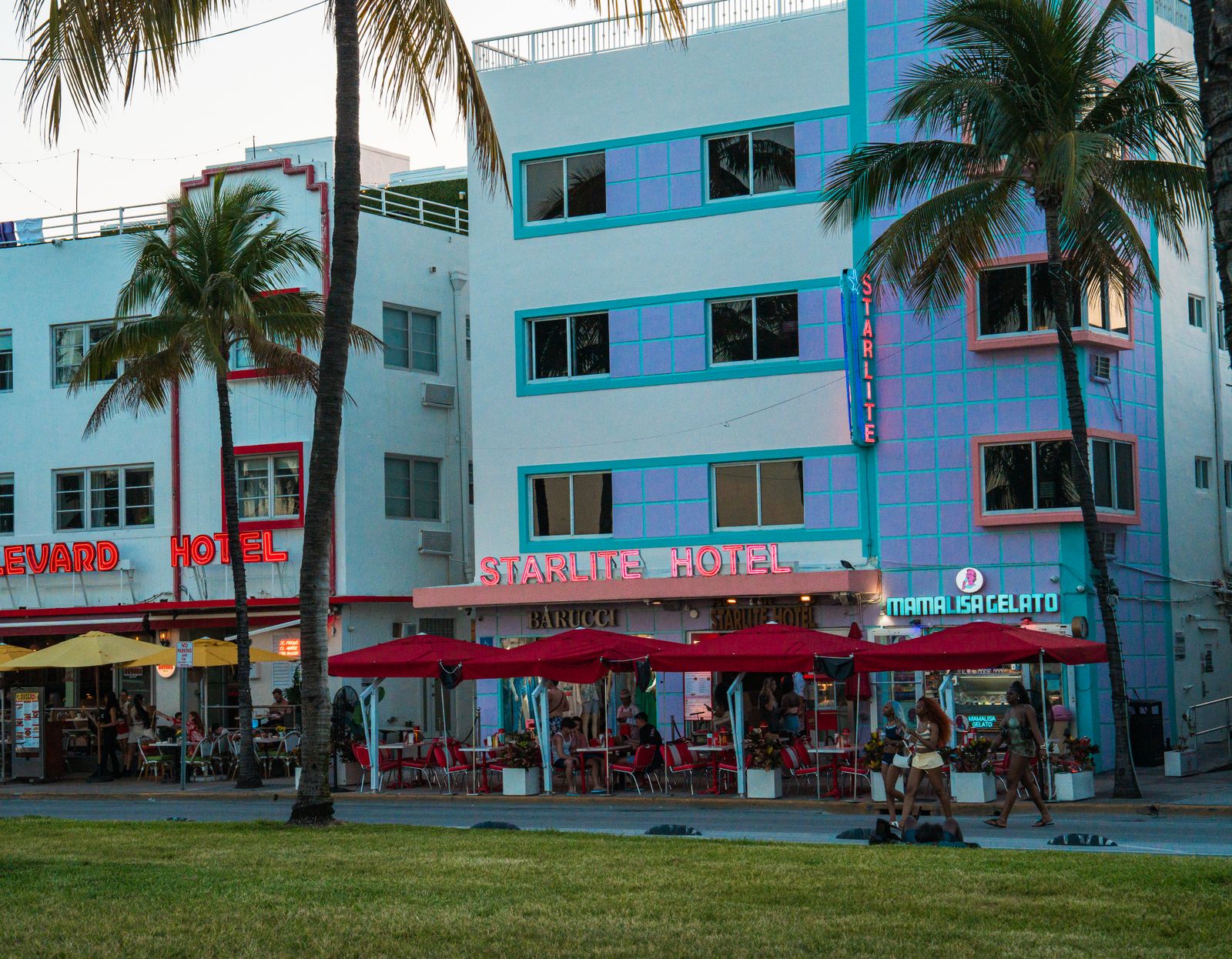
- Hospitality and retail — hotels, restaurants, and flagship retail from Miami Beach to Aventura and the Design District.
- Healthcare and medical office — exam suites, imaging, and ambulatory space serving the county’s major health systems.
- Suburban office and retail — commercial space across Kendall, Coral Gables, Doral, and South Dade.
Communities We Serve
We work throughout Miami-Dade County — the City of Miami, Miami Beach, and Coral Gables; Doral, Hialeah, and Medley; Aventura and North Miami; Kendall and the Southwest suburbs; Homestead and South Dade; and the unincorporated areas in between. Each municipality runs its own building department, and we plan for it.
Permitting, the HVHZ, and Miami-Dade’s Municipalities
All of Miami-Dade County sits in the High-Velocity Hurricane Zone (HVHZ), the toughest part of the Florida Building Code — and the county has 34 municipalities, each with its own building department, plus unincorporated areas governed by Miami-Dade’s Department of Regulatory and Economic Resources (RER). Knowing which jurisdiction a project answers to, and building to the HVHZ from the start, is half the job here.
Several requirements shape commercial work here:
- High-Velocity Hurricane Zone (HVHZ) — wind-load and missile-impact design govern glazing, roofing, and envelope, and specified products must carry Miami-Dade Notices of Acceptance (NOAs).
- County and municipal building departments — the City of Miami, Miami Beach, Hialeah, Doral, Coral Gables, Aventura, Homestead, and the county’s other municipalities each permit and inspect; unincorporated areas go through Miami-Dade RER.
- Building recertification — Miami-Dade’s 40- and 50-year and milestone recertification programs drive a steady market of structural and facade repairs on existing buildings.
- Flood, threshold, and resiliency — FEMA flood zones, threshold inspections on larger structures, and stormwater requirements shape site and ground-floor design.
Mapping the right jurisdiction and the HVHZ requirements early is what keeps a Miami-Dade project on schedule.
How We Manage Risk on Miami-Dade Projects
From a high-rise interior to a large distribution building, the same discipline applies: build to the HVHZ and Florida Building Code, plan the logistics of a dense, fast-growing county, protect the businesses and tenants around the work, and keep life-safety systems live throughout. We coordinate deliveries, phasing, and inspections with owners, tenants, and the right municipal departments, and we carry the insurance limits and trade relationships that Miami-Dade ownership and developers expect.
Every job runs through a single point of accountability. Owners, tenants, building departments, and the design team work through one team that owns the schedule, the budget, and the safety plan — not a chain of subcontractors pointing at each other.
Representative Commercial Work
Plescia’s portfolio spans office, hospitality, industrial, retail, and healthcare work of the kind Miami-Dade demands. While every market has its own specifics, the discipline is the same one we bring to projects across our Florida, New York, New Jersey, and Texas markets: realistic schedules, transparent budgets, and a finished space that performs. We’re glad to walk prospective Miami-Dade clients through relevant past work during an initial conversation.
A Commercial General Contractor With a Florida Presence
Plescia’s Florida office in Fort Lauderdale gives Miami-Dade clients a local, accountable partner backed by a firm that builds across multiple markets. Whether you’re a developer building in Brickell, an operator in the Airport West industrial corridor, or an owner managing a recertification, we’d welcome the conversation.
Frequently Asked Questions
Does Plescia build to Miami-Dade's High-Velocity Hurricane Zone (HVHZ) requirements?
Yes. All of Miami-Dade is in the HVHZ, the strictest part of the Florida Building Code, and we build to its wind-load and impact requirements — specifying glazing, roofing, and envelope products that carry Miami-Dade Notices of Acceptance (NOAs).
Does Plescia build industrial and warehouse space in Miami-Dade?
Yes. Doral, Medley, Hialeah, and the Airport West corridor near Miami International form one of the busiest industrial markets in the country, and we build warehouse, distribution, and flex space there to HVHZ standards.
How does permitting work across Miami-Dade's municipalities?
Miami-Dade has 34 municipalities, each with its own building department, plus unincorporated areas permitted by Miami-Dade’s Department of Regulatory and Economic Resources (RER). We confirm which jurisdiction a project answers to and manage permitting and inspections through it.
Can Plescia handle building recertification in Miami-Dade?
Yes. Miami-Dade’s 40- and 50-year and milestone recertification programs require structural and electrical review of older buildings, and we perform the facade, structural, and systems repairs those recertifications call for, coordinating with the engineers of record.
What types of commercial projects does Plescia take on in Miami-Dade?
We build high-rise office and mixed-use, industrial and logistics, hospitality and retail, and healthcare and medical-office space — from Brickell and Miami Beach to the Airport West corridor and the county’s suburbs.