


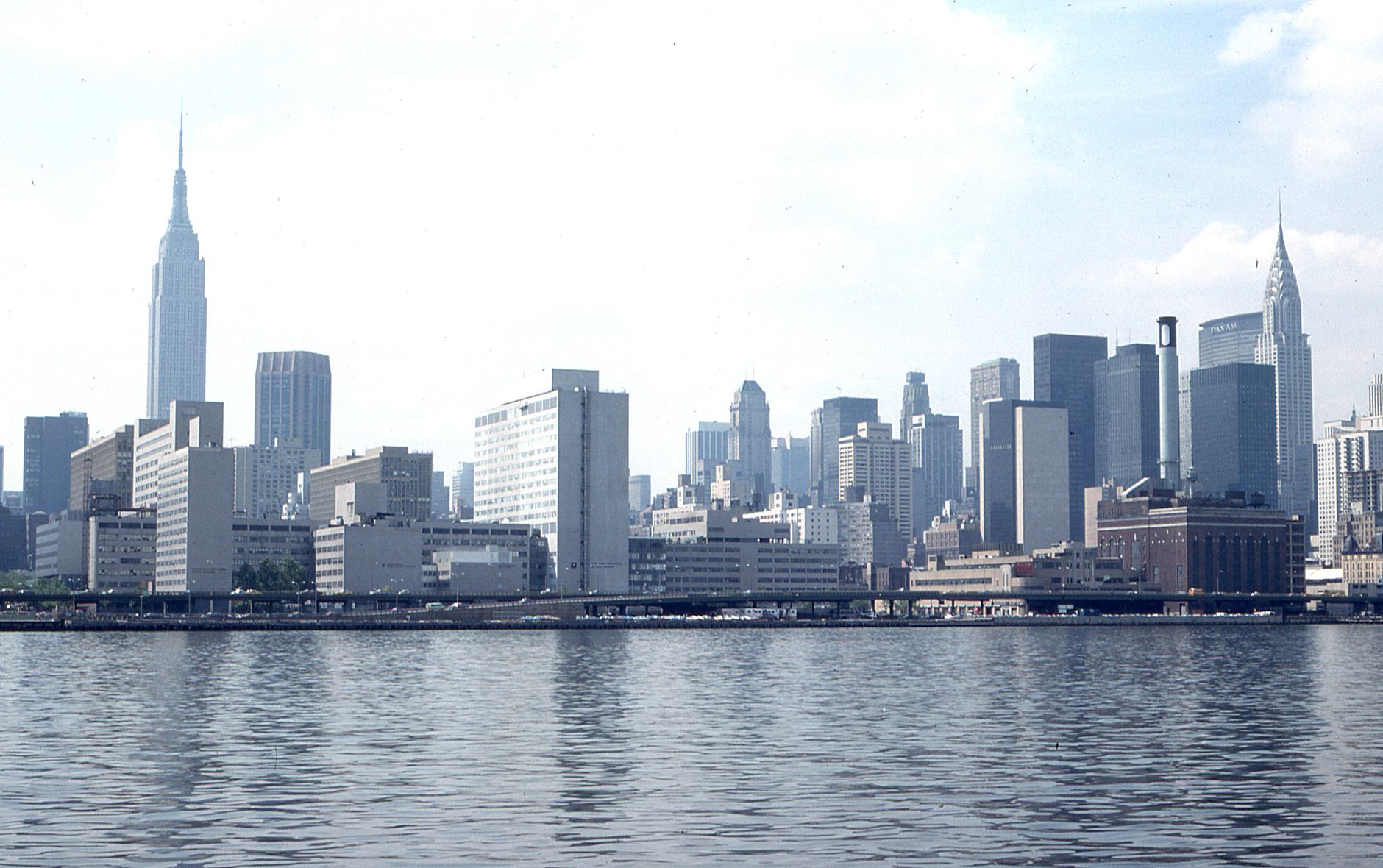
Plescia Construction & Development is a commercial general contractor and construction management firm building across Manhattan — delivering office build-outs, retail and flagship interiors, restaurant and hospitality spaces, and healthcare fit-outs in what is, by almost any measure, the most demanding construction environment in the country. From a single-floor tenant improvement in a Midtown tower to a multi-floor base-building upgrade downtown, we plan and self-manage the work with the precision that high-rent, high-visibility Manhattan space requires.
Commercial Construction Built for Manhattan’s Density
Manhattan is not a place you can build the way you build in the suburbs. There is no laydown yard, no on-site staging, and no margin for error on a sidewalk thousands of people cross every hour. Nearly every project happens inside or on top of an occupied building, on a schedule shaped as much by building management, freight-elevator windows, and after-hours noise rules as by the work itself. We approach each project as a logistics problem first and a construction problem second — sequencing deliveries, protecting occupied floors and lobbies, and keeping a clean, safe site in tight quarters.
Our Manhattan work spans the full range of commercial space:
- Class A office build-outs and tenant improvements — full-floor and multi-floor interiors, trading floors, and pre-built suites in Midtown, the Financial District, and Hudson Yards.
- Retail and flagship interiors — storefronts, showrooms, and experiential retail where presentation is everything.
- Restaurant and hospitality — kitchens, dining rooms, and bars built to pass NYC health, FDNY, and DOB review the first time.
- Healthcare and medical office — exam suites, imaging, and ambulatory space with the infection-control and MEP coordination those uses demand.
- Base-building and core-and-shell — lobby renovations, facade and curtain-wall coordination, elevator modernizations, and systems upgrades.
Neighborhoods We Serve
We work throughout Manhattan — Midtown and Midtown South, the Financial District and Lower Manhattan, Hudson Yards and the Far West Side, Chelsea, the Flatiron and NoMad, SoHo and Tribeca, Greenwich Village, the Upper East and Upper West Sides, and Harlem. Each submarket carries its own building stock, landmark constraints, and tenant expectations, and we tailor our approach accordingly.
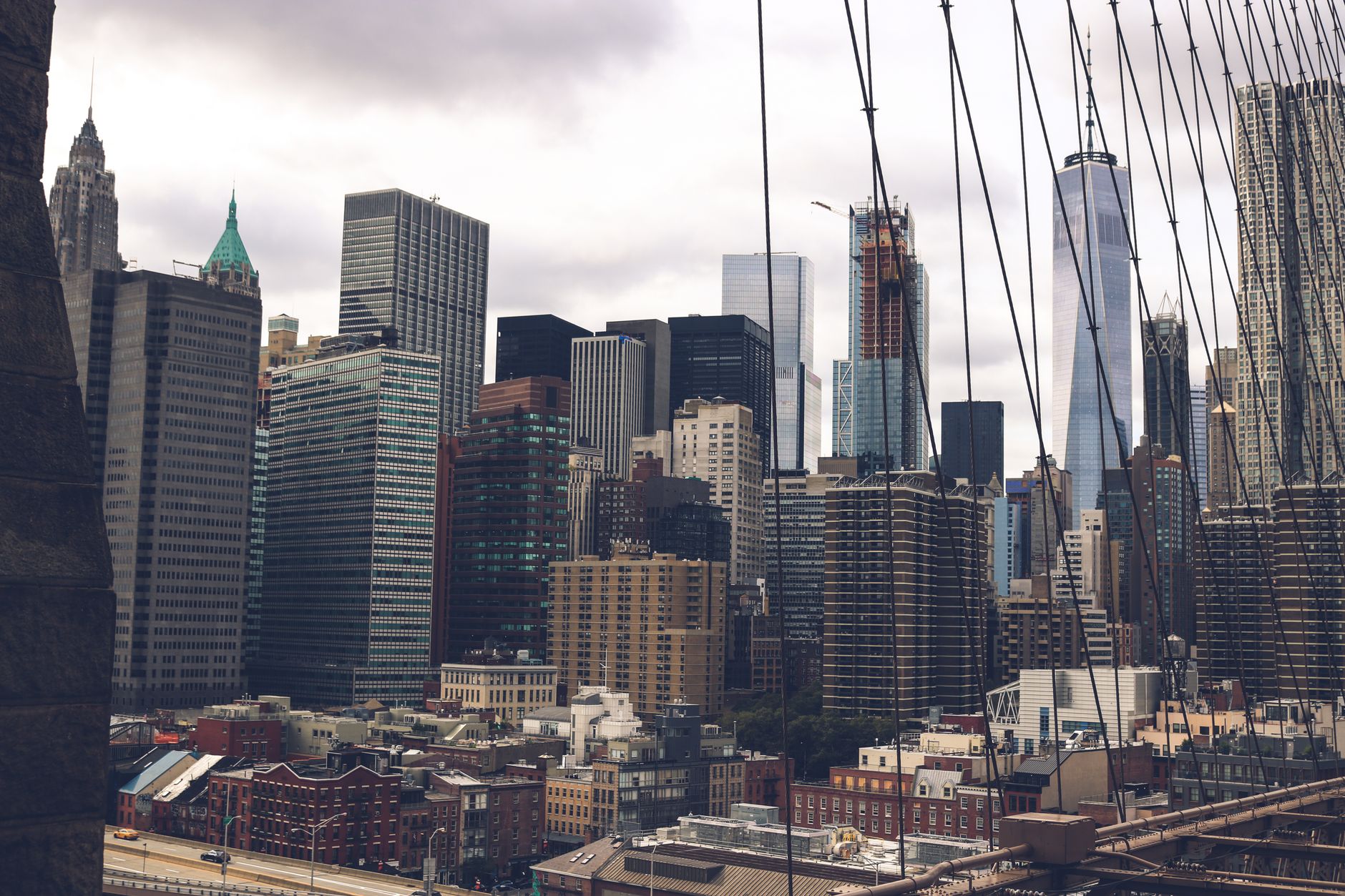
Navigating NYC Permitting, Local Law 97, and Landmark Review
Few things separate a smooth Manhattan project from a stalled one more than how its approvals are handled. We manage the full path through the New York City Department of Buildings — filing through DOB NOW, coordinating with expediters and registered design professionals, and scheduling the inspections that keep a job moving rather than waiting.
Several requirements shape commercial work here in ways they don’t elsewhere:
- Local Law 97 — buildings over 25,000 square feet face carbon-emissions caps that increasingly drive HVAC, lighting, and envelope decisions on commercial renovations. We build with those targets in mind and coordinate with ownership’s energy and engineering teams.
- Landmarks Preservation Commission — in Manhattan’s many historic districts and on individually landmarked buildings, exterior and some interior work requires LPC approval. We plan around that review rather than discovering it mid-project.
- FDNY and after-hours variances — fire-suppression, alarm, and egress work must satisfy FDNY, and disruptive work in occupied buildings often runs on after-hours variances to protect tenants and neighbors.
- Sidewalk protection — overhead protection, sheds, and DOT permits for any work that touches the public way are part of nearly every project at street level.
Getting these right up front is what keeps a Manhattan schedule intact. Getting them wrong is what turns a four-month build into a year.
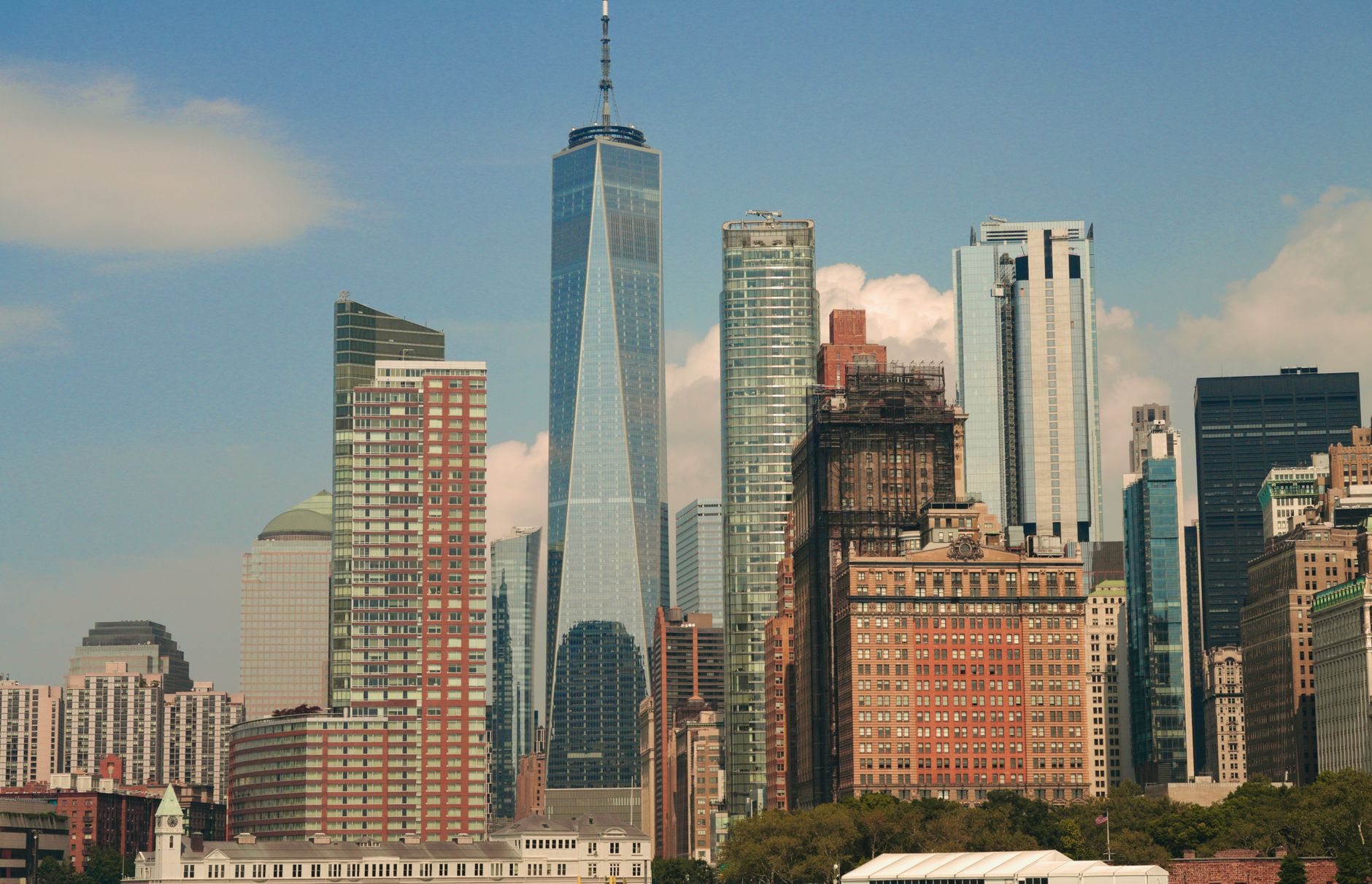
How We Manage Risk in Occupied Manhattan Buildings
Most of our Manhattan projects share a floor, a lobby, or an elevator bank with tenants who never stop working. That reality drives how we staff, schedule, and protect a site. We coordinate freight-elevator windows and after-hours deliveries with building management, build dust and noise barriers that actually hold, and keep egress and life-safety systems live throughout construction. Our supervisors carry the NYC-required safety training, including DOB Site Safety Training under Local Law 196, and we carry the insurance limits and labor relationships that Manhattan ownership and management companies expect.
Because so much depends on coordination, we keep a single point of accountability on every job. Owners, tenants, building management, and the design team all work through one team that owns the schedule, the budget, and the safety plan — not a chain of subcontractors pointing at each other.
Representative Commercial Work
Plescia’s portfolio spans office, retail, restaurant, healthcare, and base-building work of the kind Manhattan demands. While every market has its own specifics, the discipline is the same one we bring to projects across our New York, New Jersey, Florida, and Texas markets: realistic schedules, transparent budgets, and a finished space that performs. We’re glad to walk prospective Manhattan clients through relevant past work during an initial conversation.
A Commercial General Contractor With a New York Presence
Plescia’s New York office gives Manhattan clients a local, accountable partner backed by a firm that builds across multiple markets. Whether you’re an owner planning a base-building upgrade, a tenant fitting out new space, or a broker or architect looking for a contractor who can deliver in this environment, we’d welcome the conversation.
Frequently Asked Questions
Does Plescia work in occupied office buildings in Manhattan?
Yes — most of our Manhattan projects happen in occupied buildings. We coordinate freight-elevator windows, after-hours deliveries, and noise-generating work with building management, and we build dust, noise, and egress protection so tenants keep operating safely throughout construction.
How does Plescia handle NYC DOB permitting and Local Law 97?
We file through the NYC Department of Buildings’ DOB NOW system and coordinate with expediters and registered design professionals to keep approvals and inspections on schedule. On buildings over 25,000 square feet, we build with Local Law 97 carbon-emissions targets in mind, coordinating HVAC, lighting, and envelope work with ownership’s engineering team.
Can Plescia work on landmarked or historic Manhattan buildings?
Yes. Many Manhattan buildings sit in historic districts or are individually landmarked, where exterior and some interior work requires Landmarks Preservation Commission (LPC) approval. We plan for that review from the start so it doesn’t stall the project mid-construction.
What types of commercial projects does Plescia take on in Manhattan?
We build Class A office build-outs and tenant improvements, retail and flagship interiors, restaurants and hospitality spaces, healthcare and medical-office fit-outs, and base-building work such as lobby renovations and systems upgrades — across Midtown, the Financial District, Hudson Yards, and the rest of the borough.
How does Plescia manage deliveries and logistics with no on-site staging in Manhattan?
We treat logistics as the first problem to solve on any Manhattan job. We schedule just-in-time deliveries around freight-elevator and loading-dock windows, secure DOT permits and sidewalk protection where needed, and sequence the work so materials arrive as they’re installed rather than piling up on a site with no room for them.