


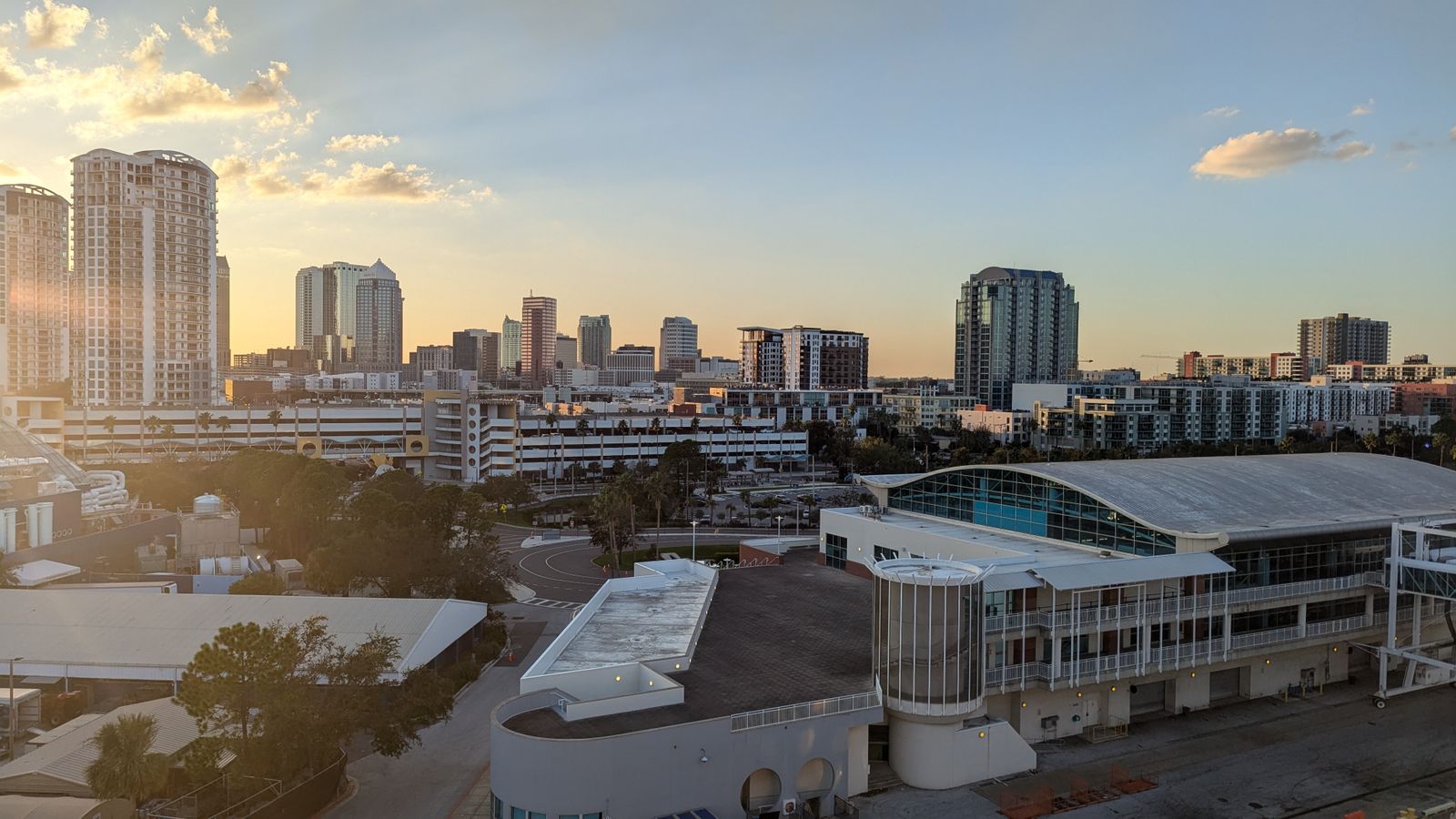
Plescia Construction & Development is a commercial general contractor and construction management firm building in Tampa — the economic heart of Florida’s Gulf Coast. From the Water Street mega-development and the downtown Riverwalk to the Westshore office market, Ybor City, Port Tampa Bay, and Tampa General Hospital, we build to the standard, and the wind and flood requirements, this fast-growing city demands.
Commercial Construction in Tampa
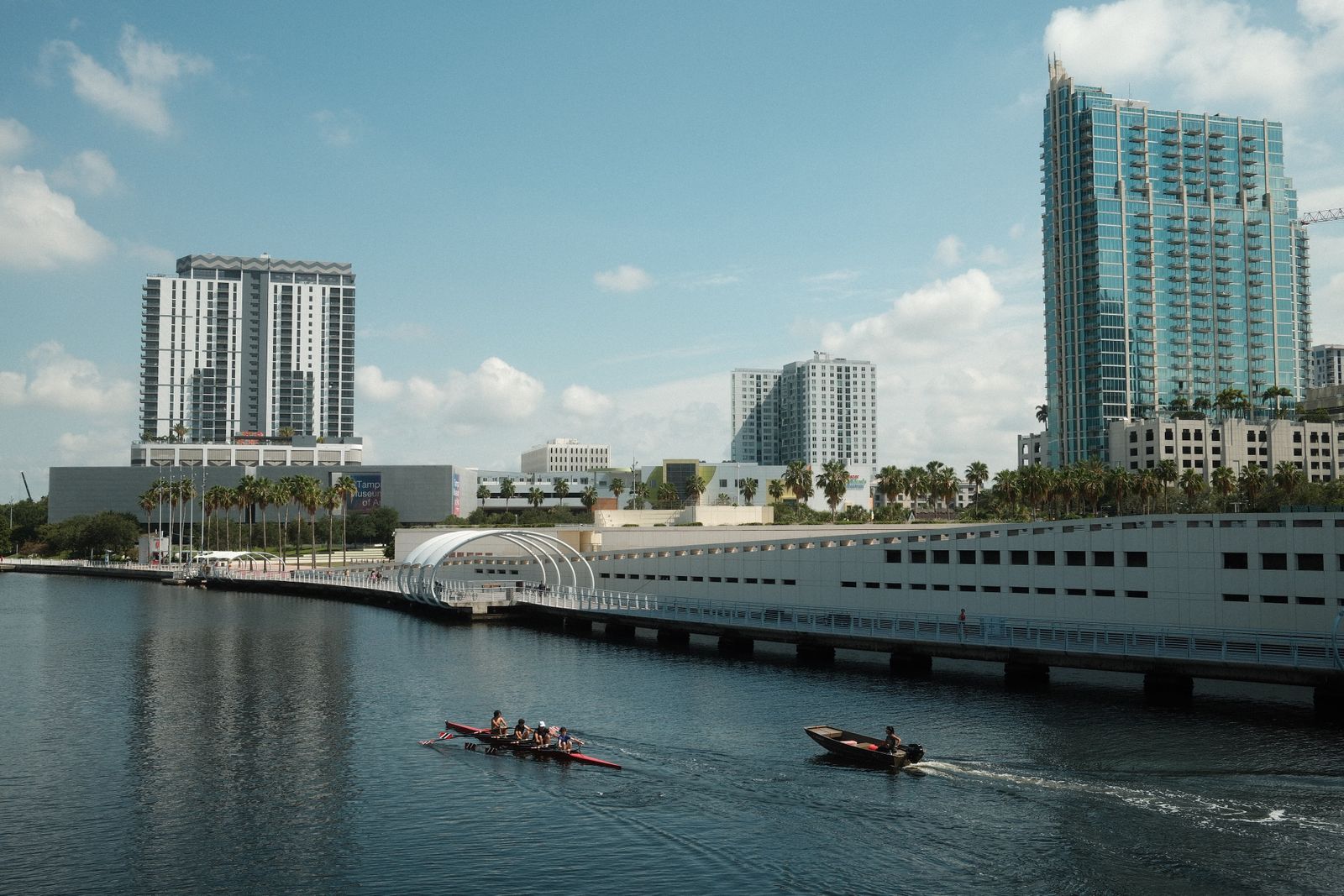
Tampa is in the middle of a historic building boom. Downtown’s Water Street — one of the largest master-planned mixed-use developments in the country — has reshaped the urban core, alongside the Riverwalk, the Channel District, and Sparkman Wharf; the Westshore district is the largest office market in Florida; Ybor City and the historic districts carry a vibrant entertainment and adaptive-reuse market; Port Tampa Bay is the largest port in the state; and Tampa General and the University of Tampa anchor major healthcare and education sectors. Each of these asks something specific from a contractor, and we build to it.
Our Tampa work spans the full range of commercial space:
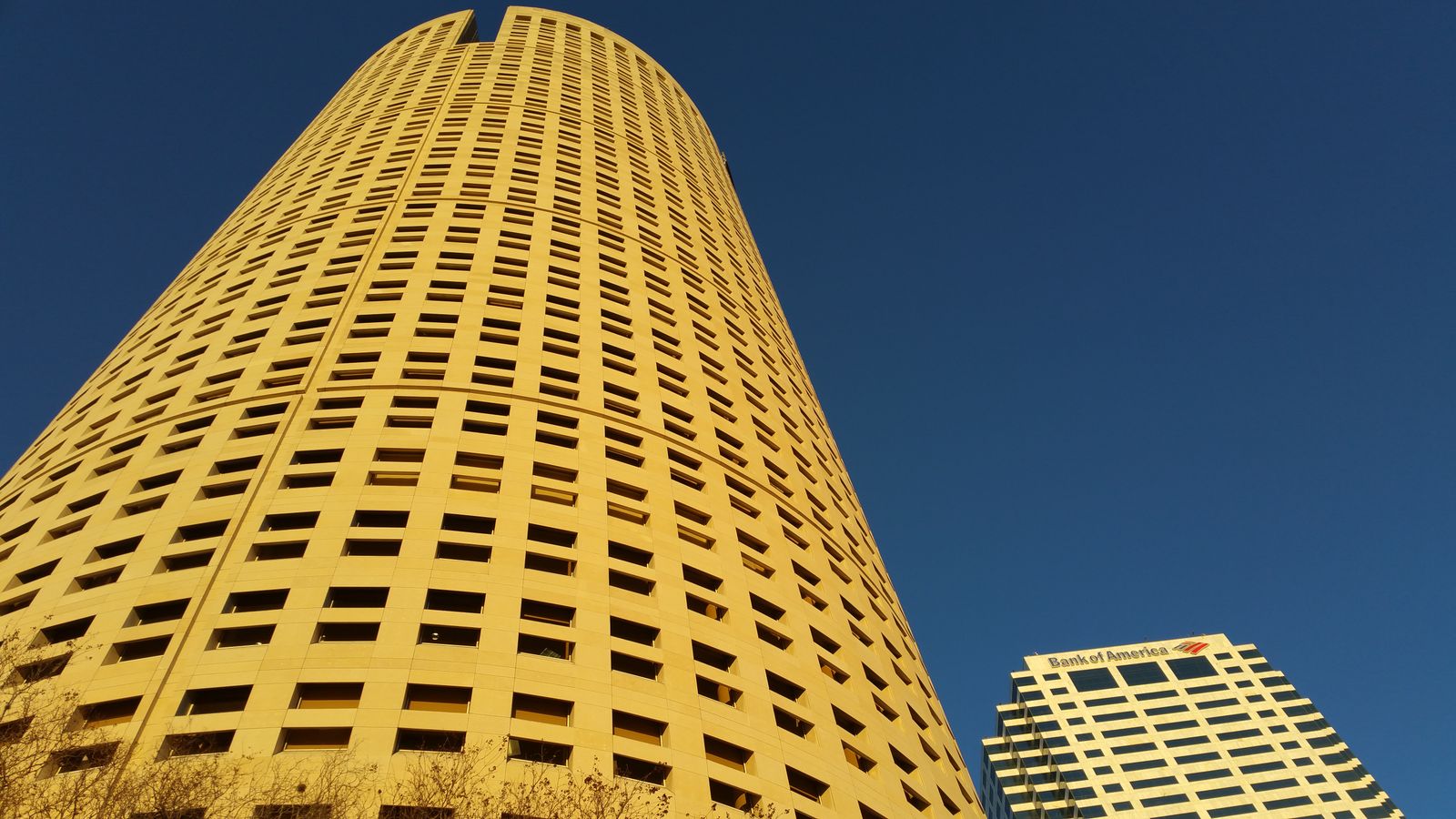
- Office and mixed-use — Class A office and mixed-use in downtown, Water Street, the Channel District, and the Westshore market.
- Hospitality and entertainment — hotels, restaurants, and entertainment from the Riverwalk to Ybor City.
- Healthcare and life sciences — exam suites, imaging, lab, and ambulatory space serving Tampa General and the region’s health systems.
- Industrial and logistics — warehouse and distribution space near Port Tampa Bay and along the I-4 and I-275 corridors.
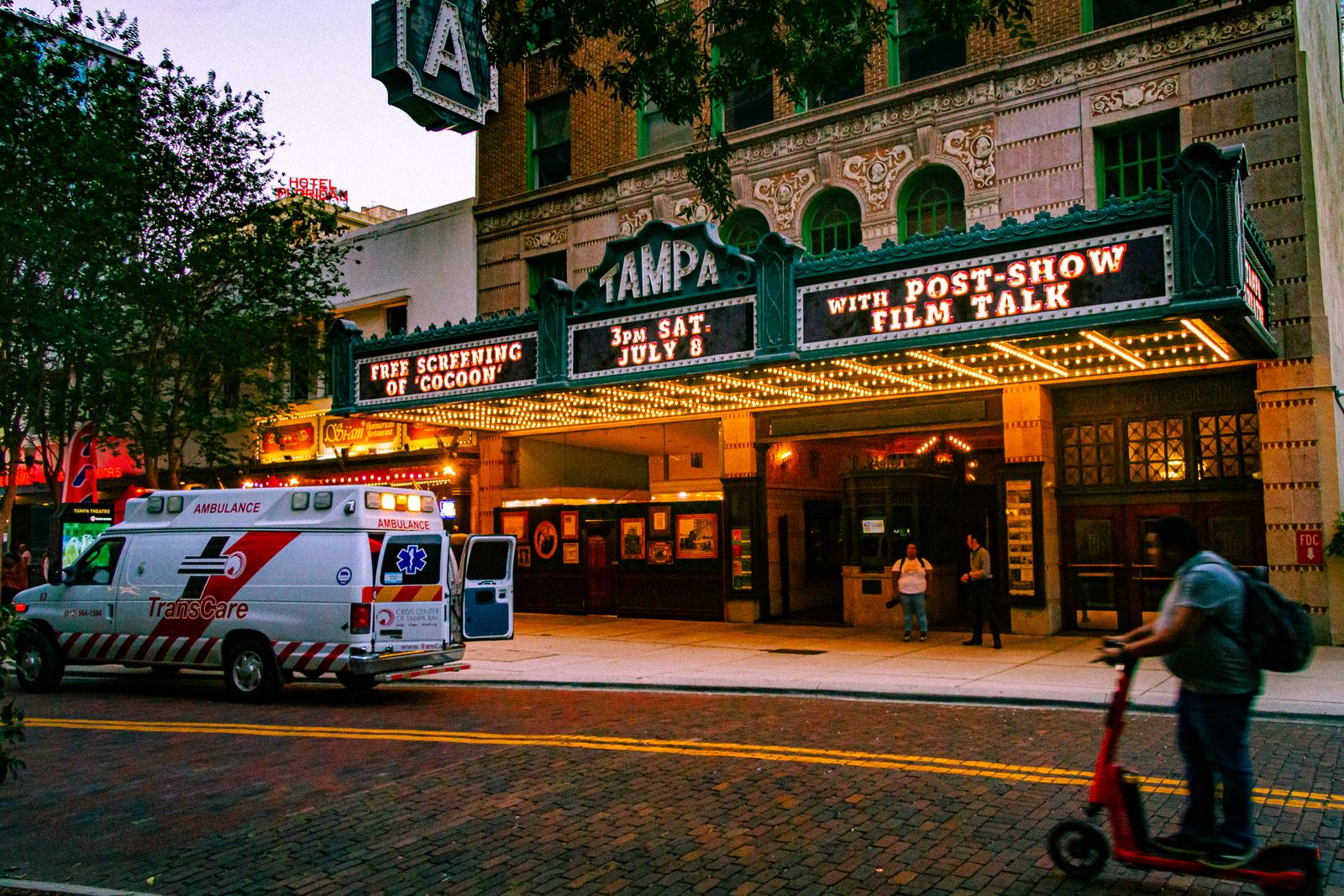
- Historic and adaptive reuse — sensitive renovation and adaptive reuse in Ybor City and the historic districts.
Neighborhoods We Serve
We work throughout Tampa — downtown and Water Street, the Channel District and Sparkman Wharf, the Westshore office district, Ybor City and Seminole Heights, Hyde Park, and the Port Tampa Bay corridors. Every project runs through the City of Tampa building department.
Permitting, Wind, and Storm Surge in Tampa
Tampa isn’t in the High-Velocity Hurricane Zone that covers South Florida’s east coast, but it carries its own defining risk: it is one of the most storm-surge-vulnerable cities in the country. Much of downtown, the Channel District, and the waterfront sit in flood and evacuation zones, which makes base flood elevation and resilient design central — alongside the Florida Building Code’s wind requirements. We manage permitting through the City of Tampa.
Several requirements shape commercial work here:
- Florida Building Code wind design — wind-load and wind-borne-debris requirements govern the building envelope across the city.
- Storm surge and flood — Tampa’s surge exposure and low-lying waterfront drive FEMA flood-zone compliance, base flood elevation, and ground-floor and parking design.
- Historic and downtown review — Ybor City and the historic districts bring preservation and design review, and the downtown boom brings tight high-rise logistics.
- Milestone recertification — Florida’s milestone inspection program drives structural review and repairs on older buildings.
Designing for wind and flood from the start is what keeps a Tampa project on schedule and resilient.
How We Manage Risk on Tampa Projects
From a Water Street tower to a Ybor City adaptive-reuse project or a distribution building near the port, the same discipline applies: build to Florida’s wind and flood requirements, plan the logistics of a fast-growing downtown realistically, protect the businesses and tenants around the work, and keep life-safety systems live throughout. We coordinate deliveries, phasing, and inspections with owners, tenants, and the City of Tampa, and we carry the insurance limits and trade relationships that Tampa ownership expects.
Every job runs through a single point of accountability. Owners, tenants, the building department, and the design team work through one team that owns the schedule, the budget, and the safety plan — not a chain of subcontractors pointing at each other.
Representative Commercial Work
Plescia’s portfolio spans office, hospitality, healthcare, and industrial work of the kind Tampa demands. While every market has its own specifics, the discipline is the same one we bring to projects across our Florida, New York, New Jersey, and Texas markets: realistic schedules, transparent budgets, and a finished space that performs. We’re glad to walk prospective Tampa clients through relevant past work during an initial conversation.
A Commercial General Contractor With a Florida Presence
Plescia’s Florida office gives Tampa clients an accountable partner backed by a firm that builds across multiple markets. Whether you’re a developer building at Water Street, an operator near Port Tampa Bay, or an owner in the Westshore office market, we’d welcome the conversation.
Frequently Asked Questions
Does Plescia build in downtown Tampa and the Water Street district?
Yes. Water Street — one of the largest master-planned mixed-use developments in the country — has reshaped downtown Tampa, and we build office, hospitality, and mixed-use space across downtown, Water Street, and the Channel District.
How do wind and storm surge affect Tampa projects?
Tampa isn’t in the HVHZ, but it’s one of the most storm-surge-vulnerable cities in the country. Projects follow the Florida Building Code’s wind requirements, and FEMA flood zones and base flood elevations shape ground-floor and site design — we plan for both from the start.
Does Plescia do office work in the Westshore district?
Yes. The Westshore district is the largest office market in Florida, and we build Class A office and tenant-improvement work there and across downtown Tampa.
Does Plescia do historic and adaptive-reuse work in Ybor City?
Yes. Ybor City and Tampa’s historic districts carry a vibrant entertainment and adaptive-reuse market, and we perform sensitive renovation and adaptive reuse, coordinating with preservation and design review.
Does Plescia do industrial work near Port Tampa Bay?
Yes. Port Tampa Bay is the largest port in Florida, and we build warehouse and distribution space near the port and along the I-4 and I-275 corridors.