


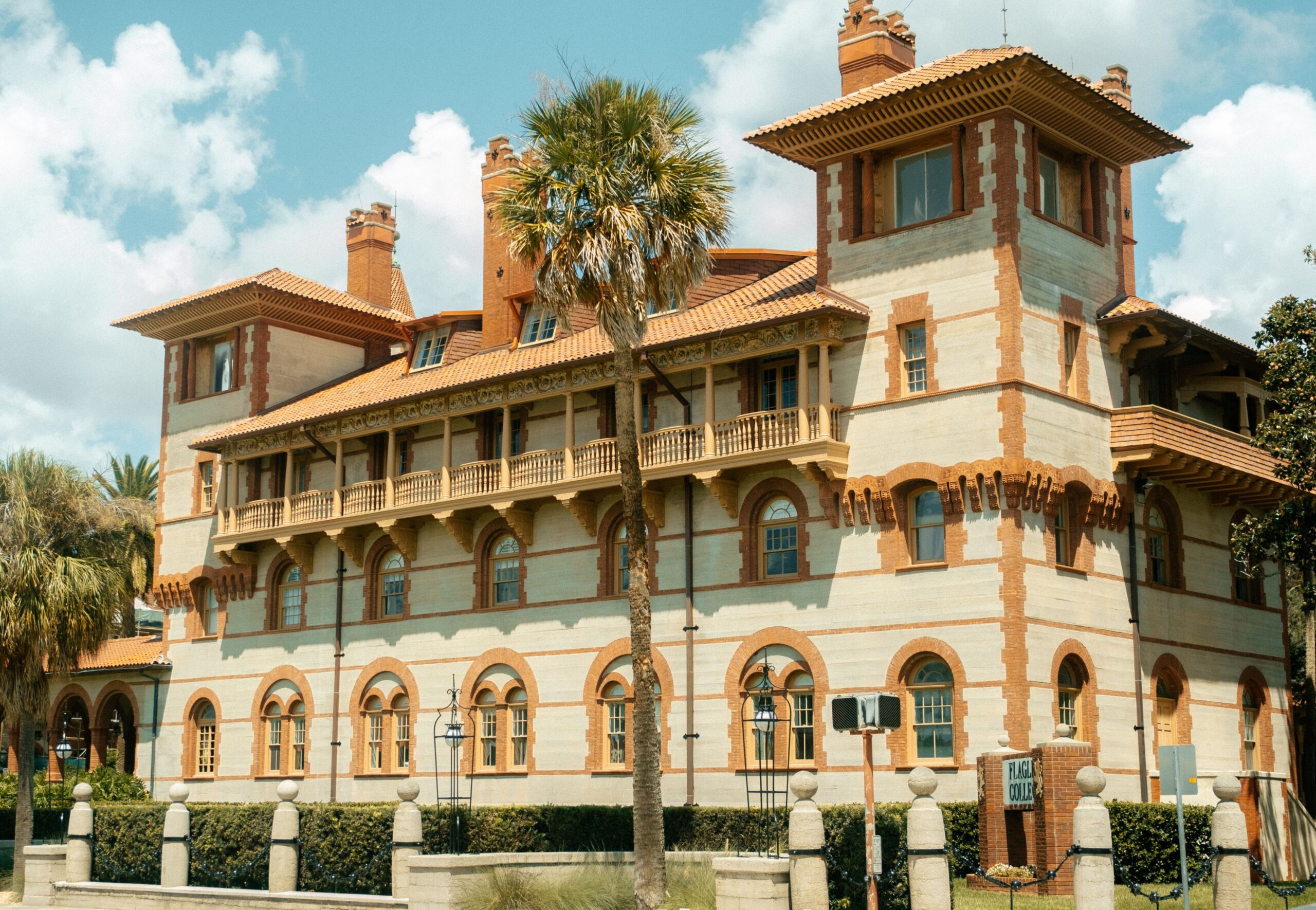
Commercial Construction in St. Augustine, Florida
Founded in 1565, St. Augustine is the oldest continuously occupied European-founded city in the United States, and its commercial core — centered on St. George Street, the Plaza de la Constitucion, and the Lightner Museum / Flagler College district — is a designated historic district where nearly every exterior commercial project involves historic-preservation review on top of standard Florida Building Code permitting.
Plescia Construction & Development provides commercial general contracting for retail, hospitality, and office projects throughout St. Augustine and St. Johns County, with the historic-district experience needed to renovate character-defining buildings without losing the details that make them eligible for preservation review in the first place.
A Historic District Unlike Any Other in Florida
Few Florida commercial markets combine coastal wind-load requirements with the density of historic Spanish Colonial and Gilded Age architecture found in St. Augustine’s downtown. Renovating a storefront on St. George Street or repositioning space near the Bridge of Lions means working within the city’s Historic Architectural Review Board guidelines alongside standard coastal construction code.
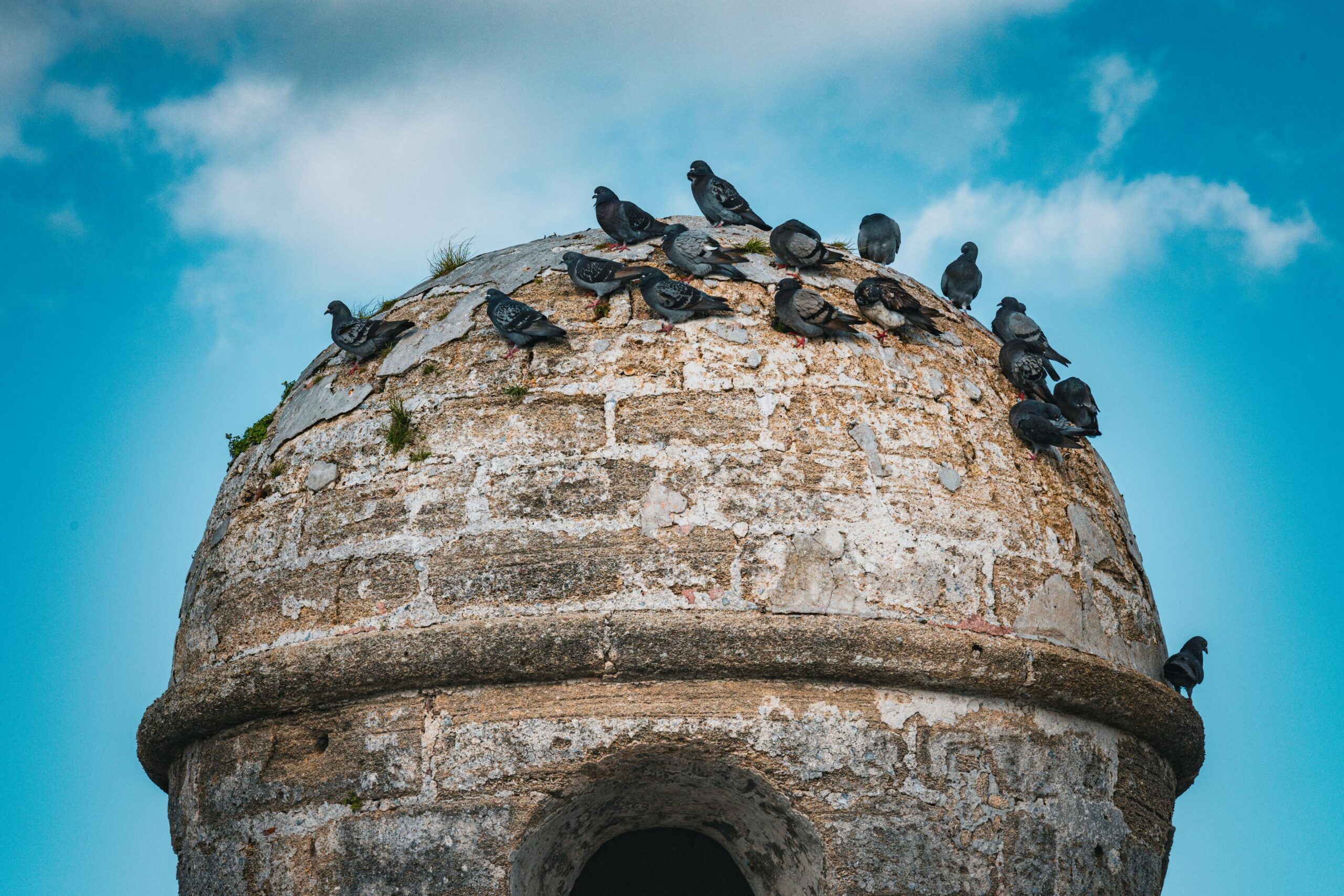
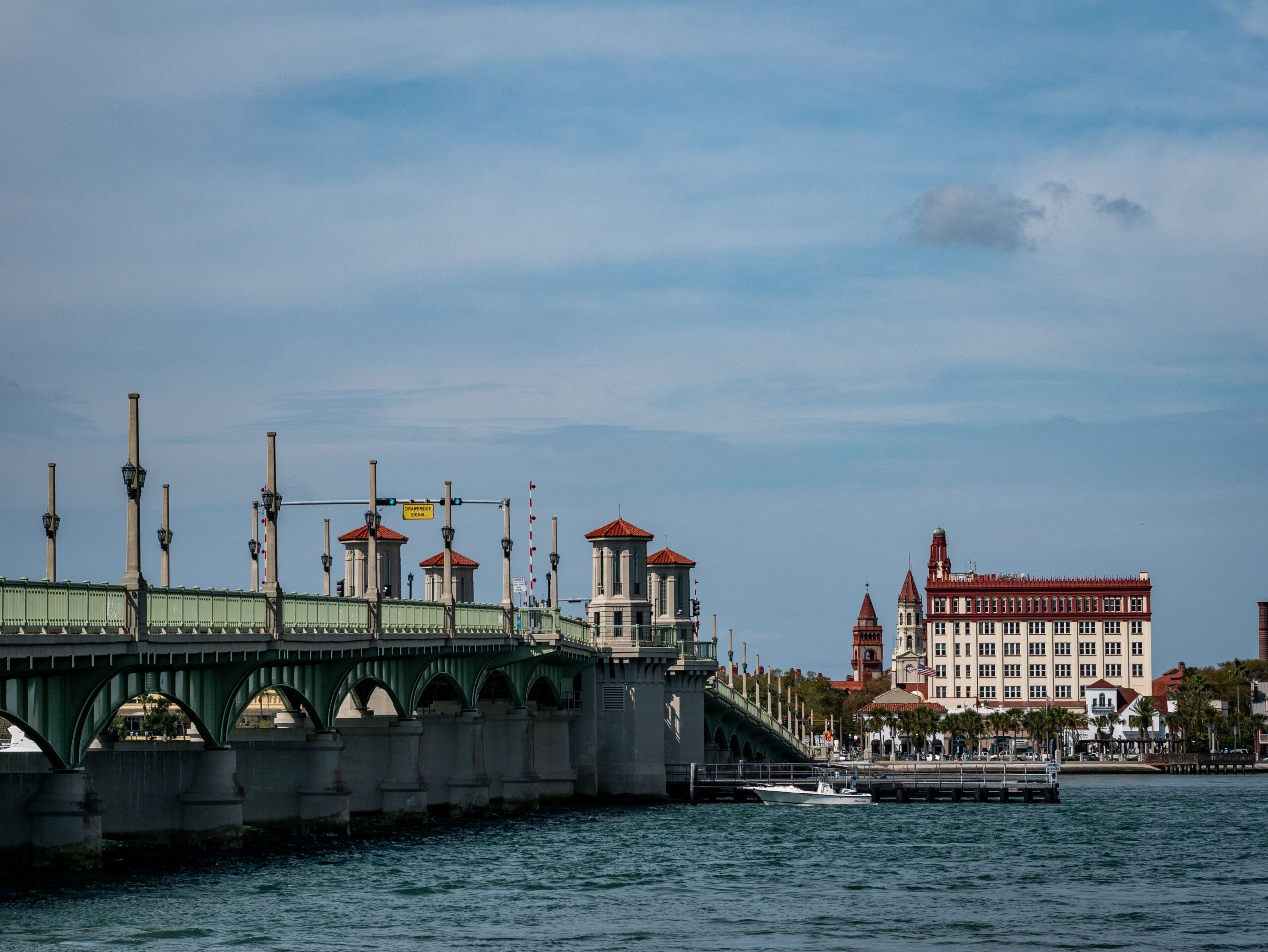
Balancing Historic Character and Modern Tenant Needs
St. Augustine’s historic downtown draws millions of visitors a year, and its commercial tenants — restaurants, boutique retail, hospitality — depend on that historic character to draw business, which means renovation work has to modernize systems (electrical, HVAC, ADA access) without altering the street-facing character that the Historic Architectural Review Board protects.

St. Johns County Code & Historic Preservation Review
St. Augustine sits in a coastal, FEMA flood-zone-influenced part of St. Johns County, so commercial projects must meet the Florida Building Code’s coastal high-wind and flood-elevation provisions — and, within the historic district, pass review by the city’s Historic Architectural Review Board (HARB) for exterior work, a step most Florida commercial projects don’t encounter.
Representative Commercial Work
Plescia’s Florida office builds throughout St. Johns County, coordinating HARB historic-district review alongside standard coastal permitting for St. Augustine’s downtown commercial buildings, and applying the same coastal wind and flood-zone standards for newer development outside the historic core.
Plescia Construction & Development’s Florida office in Fort Lauderdale serves St. Augustine and St. Johns County as part of our statewide commercial general contracting practice.
Frequently Asked Questions
Does my St. Augustine project need historic-district approval?
If the property is within the city’s designated historic district — which covers most of downtown, including St. George Street and the area around the Plaza de la Constitucion — exterior work needs Historic Architectural Review Board (HARB) approval in addition to standard building permits.
Can you renovate a historic building's interior without HARB review?
Interior-only work generally doesn’t trigger HARB review, which focuses on exterior appearance and street-facing character. We help clients scope projects to stay interior-focused when historic review timelines are a concern.
Is St. Augustine in a flood zone?
Much of downtown St. Augustine sits in a FEMA-designated flood zone given its coastal, low-lying location on the Matanzas Bay, and commercial construction must meet the associated flood-elevation and Florida Building Code coastal wind provisions.
What kind of commercial projects do you handle in St. Augustine?
Retail and restaurant fit-out in the historic downtown, hospitality renovation, and office and medical construction throughout St. Johns County outside the historic core.
How long does HARB review typically take?
Timelines vary by project complexity, but we build the city’s historic-district review process into the schedule from the first estimate so it doesn’t become a surprise delay.